Bolakale is a Content Writer at Ogabassey with over five years of experience creating clear, practical content for online shoppers. He specialises in product reviews, buying guides, and how-to explainers across consumer electronics and gadgets, translating technical specifications into plain-language advice. His writing helps Nigerian buyers compare options and choose the right products with confidence.
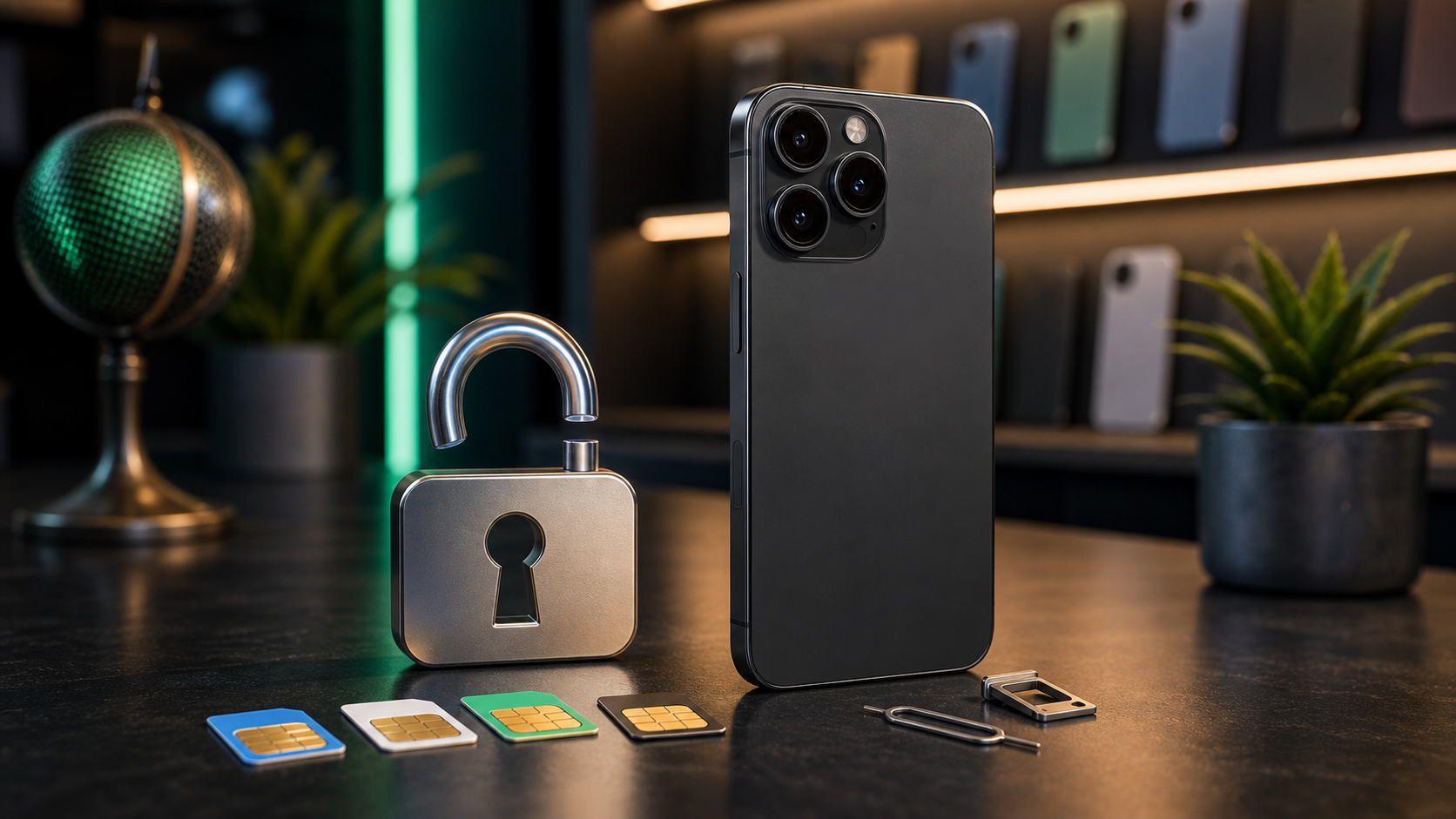
A factory unlocked iPhone is an iPhone that is not tied to one mobile network. It can accept supported SIM or eSIM plans from different carriers without a temporary chip, bypass, or unofficial unlock. For buyers in Nigeria, that usually means more freedom to use MTN, Airtel, Glo, or 9mobile, better resale appeal, and fewer surprises after an iOS update, reset, SIM swap, or travel eSIM setup.
The phrase matters because the used iPhone market mixes safe phones with risky labels: factory unlocked, worldwide unlocked, carrier unlocked, open line, chip unlocked, JV, blacklisted, clean IMEI, and unpaid-balance units. Some sellers use these words correctly. Others use them to make a restricted phone sound safer than it is. This guide explains the difference in plain language and shows what to check before you pay.
What Does Factory Unlocked iPhone Mean?
A factory unlocked iPhone means the phone is not restricted to one carrier in the activation systems used for cellular service. In everyday terms, the phone should work with supported SIM or eSIM plans from different networks, as long as the exact iPhone model supports the network bands, SIM type, and activation method you need. On iOS, the quickest local check is Settings > General > About > Carrier Lock. You want to see No SIM restrictions.
Factory unlocked does not automatically mean brand new, original, never repaired, or problem-free. A used iPhone 11, iPhone 12, iPhone 13, iPhone 14, iPhone 15, iPhone 16, or newer model can be factory unlocked and still have weak battery health, a replaced screen, non-working Face ID, a poor camera repair, liquid damage, or an unclear IMEI history. Unlock status answers one question: whether the phone is tied to one carrier. It does not replace a full used-phone inspection.
If you are comparing options before buying, start with current listings in Ogabassey smartphones, then use the checks below before choosing between a cheaper locked unit and a cleaner unlocked unit.
Factory Unlocked vs Carrier Unlocked vs Chip Unlocked vs Blacklisted
Type
What it means
Buyer risk
Best action
Factory unlocked
Sold or activated without a carrier lock.
Lowest network risk, if IMEI is clean and the model supports your carrier.
Best option for most Nigerian buyers.
Carrier unlocked
Originally locked, then officially unlocked by the carrier.
Usually safe when the unlock is complete and Carrier Lock says No SIM restrictions.
Verify in Settings and test your own SIM or eSIM.
Chip unlocked or JV
Uses a SIM interposer, profile trick, or unofficial method to work on another network.
High risk. Updates, resets, eSIM changes, or SIM swaps may break service.
Avoid for your main phone unless you fully understand the limits. Read Ogabassey's chip unlocked iPhone warning.
Blacklisted or unpaid-balance phone
IMEI may be reported lost, stolen, financed, or blocked by carriers.
Very high risk. It can lose network access even if Wi-Fi works.
Do not buy without a clean IMEI, proof of ownership, and a return path.
The biggest mistake is trusting only one signal. A SIM may work during a quick test, but that does not prove the phone is safe. A chip-unlocked phone may make calls today. A financed phone may show signal today. A phone with replaced parts may look clean inside a case. A proper decision needs unlock status, IMEI status, model compatibility, battery condition, repair history, and seller accountability together.
Who This Is For
A factory unlocked iPhone is best for buyers who want to switch networks, travel often, keep two lines, use a local SIM abroad, resell the phone later, or avoid carrier contract issues. It is also the right choice if you move between Lagos, Abuja, Port Harcourt, Enugu, Ibadan, or smaller towns where one carrier may have stronger data coverage than another.
It may not be the cheapest option. Carrier-locked and chip-unlocked iPhones often sell for less because the buyer is accepting a restriction. That discount only makes sense when you are intentionally buying for parts, Wi-Fi use, testing, or one exact carrier. For everyday use, the cheaper price can become expensive if you later cannot activate eSIM, cannot update confidently, cannot use your preferred network, or cannot resell the phone easily.
Key Specs and Buying Context in 2026
In 2026, the factory unlocked question is no longer only about physical SIM cards. Many newer iPhones support eSIM, and some imported models may be eSIM-only depending on the market they were built for. US-market iPhones from the iPhone 14 family onward are the common warning point for Nigerian buyers because many of those units do not include a physical SIM tray. That can be fine if your carrier can activate eSIM for your line. It can be frustrating if you depend on quick physical SIM swaps.
For iPhone XS, iPhone XR, and newer models, eSIM support can be useful for travel, a business line, or a second data plan. iPhone 13 models and newer can support two active eSIMs on supported carriers, but carrier support still matters. Before buying an eSIM-only import, do not accept the seller's promise alone. Confirm that the line you plan to use can actually be activated on that phone, preferably before final payment.
Also consider software update horizon. A factory unlocked iPhone with several years of iOS support left is usually a better buy than an older unlocked iPhone that is near the end of major updates. Storage matters too. In 2026, 64GB can feel tight if you keep WhatsApp media, shoot 4K video, install banking apps, save offline music, or play large games. For most buyers, 128GB is the more comfortable floor.
Battery and charging deserve a separate look. A clean unlocked iPhone with poor battery health can still feel unreliable. If the battery is below a comfortable level, budget for replacement or compare against a newer model instead. Ogabassey's guide to what to do when iPhone battery health falls below 85% is a useful follow-up if the phone is otherwise good.
SIM and eSIM Compatibility Checklist
Unlock status and compatibility are related, but they are not the same thing. A factory unlocked phone is allowed to use other carriers. A compatible phone has the right model support, radio bands, SIM format, and activation path for the carrier you want. Before payment, check these points:
Carrier Lock: Settings > General > About > Carrier Lock should show No SIM restrictions.
Physical SIM tray: If you rely on nano-SIM cards, confirm the phone physically has a SIM tray.
eSIM path: If there is no SIM tray, confirm your carrier can activate eSIM on that exact iPhone model.
Data test: Turn off Wi-Fi and test browsing, WhatsApp, hotspot, and a real call.
Dual line use: If you need work and personal lines, test how the phone handles both plans before you leave the seller.
If eSIM is one of the reasons you are buying, compare this guide with Ogabassey's deeper look at whether an eSIM-only iPhone makes sense in 2026. The right answer depends on your carrier, travel habits, and whether you still need physical SIM flexibility.
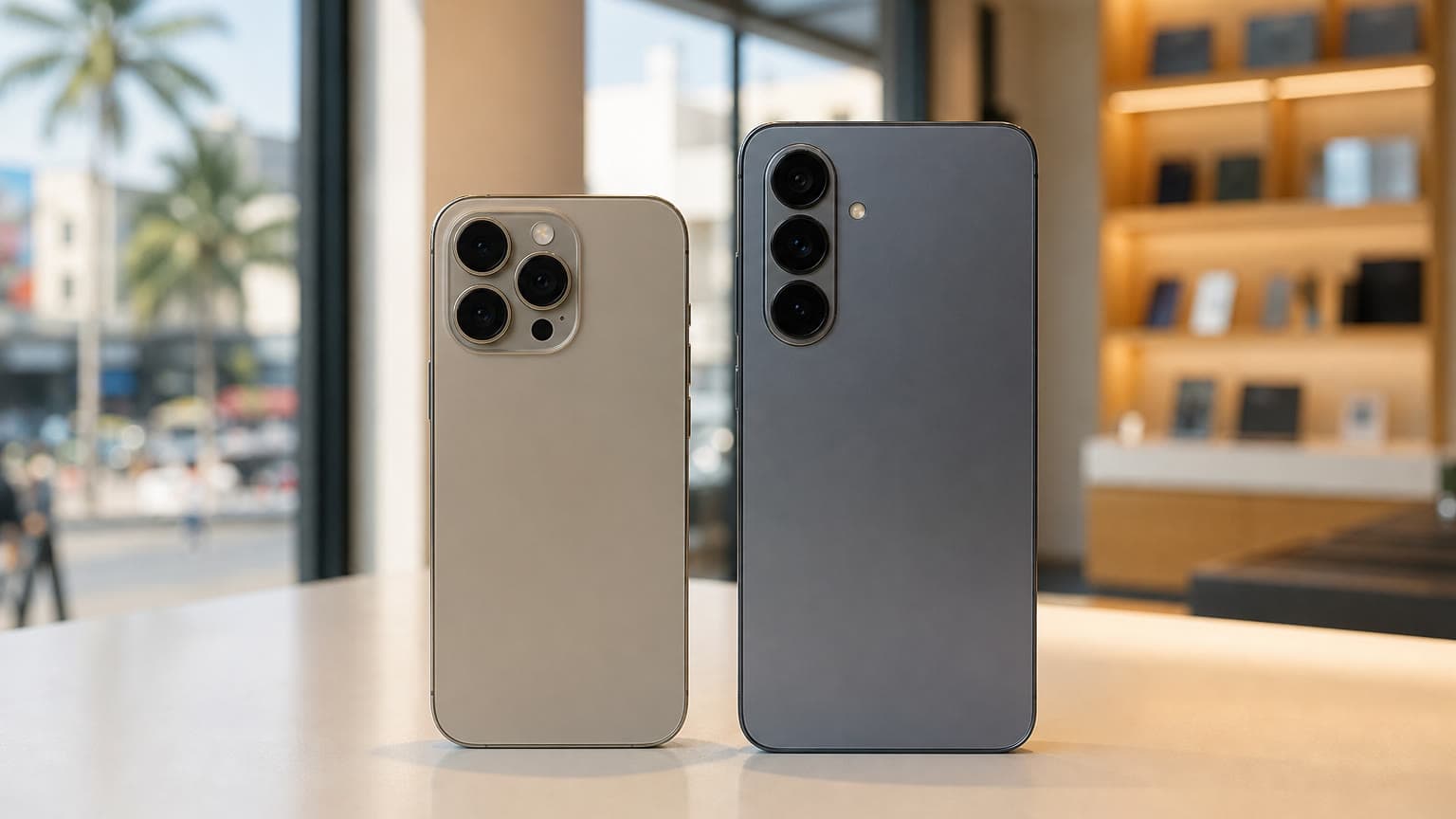
Use this compatibility map before paying for an imported iPhone, especially if the model is eSIM-only.
Nigerian Buyer Checklist Before Payment
Check Carrier Lock: Go to Settings > General > About > Carrier Lock. You want No SIM restrictions.
Test your own SIM: Insert your MTN, Airtel, Glo, or 9mobile SIM and make a call. Do not only check signal bars.
Test mobile data: Turn off Wi-Fi and open a webpage, WhatsApp, and a banking app login screen if safe to do so.
Check eSIM needs: If the phone has no SIM tray, confirm eSIM activation before paying.
Check IMEI: Dial *#06# and compare the IMEI with Settings > General > About. Avoid unclear IMEI history, blacklist reports, or seller excuses.
Check Activation Lock: The phone should be removed from the previous owner's Apple Account before you take it home.
Check battery health: In Settings > Battery > Battery Health, look at maximum capacity, service messages, and sudden shutdown history.
Check parts and service history: In Settings > General > About, look for repair history notes. A replaced part is not always bad, but it should be disclosed and priced honestly.
Test major functions: Face ID, True Tone, cameras, speakers, microphones, charging, Wi-Fi, Bluetooth, hotspot, buttons, vibration, and GPS.
Ask for receipt or ownership proof: This matters especially for recent Pro models and imported units.
Avoid pressure payments: If the seller refuses a SIM test, IMEI check, reset test, or return window, walk away.
Advantages of a Factory Unlocked iPhone
The main advantage is flexibility. You can switch networks when one carrier has better data pricing, stronger signal, or better travel coverage. You are not tied to one carrier's contract or payment plan. For people who travel between Nigeria, the UK, US, Canada, Ghana, and Dubai, an unlocked iPhone also makes it easier to use a local SIM or travel eSIM instead of paying roaming rates.
Factory unlocked iPhones also tend to hold resale value better. A buyer in Nigeria will usually pay more for a clean unlocked iPhone than a locked or chip-unlocked one because the phone has a larger pool of possible users. It is easier to sell, easier to gift, and easier to troubleshoot when network issues come up.
Price and Value: When the Higher Price Is Worth It
There is no single fair price for a factory unlocked iPhone because condition, storage, battery health, model age, region, accessories, and warranty all change the value. A 128GB unit with strong battery health and verified repair history should cost more than a 64GB unit with a weak battery and no receipt. A Pro model with a clean display, working Face ID, and good cameras should cost more than a repaired unit with unknown parts.
The useful question is not simply, Is this unlocked? Ask, What am I getting for the price? If a locked or chip-unlocked phone is only slightly cheaper than a clean factory unlocked phone, the unlocked unit is usually the better buy. If the price gap is huge, ask what risk is hiding inside the discount. For older iPhones, also compare against newer budget Androids and newer entry iPhones; Ogabassey's iPhone XR versus 2026 budget Androids comparison is a good example of how age, updates, and battery life can matter more than the Apple logo alone.
Trade-Offs
The main trade-off is upfront price. A proper factory unlocked iPhone usually costs more than a locked or chip-unlocked unit. That higher price is not just branding; it buys lower network risk, better resale confidence, and fewer compatibility headaches. Still, do not overpay simply because a seller says factory unlocked. Verify it yourself.
Another trade-off is regional variation. Some iPhones are built for different markets, and regional models may differ in SIM tray support, eSIM support, 5G bands, FaceTime availability, warranty handling, or repair convenience. A phone can be factory unlocked and still be inconvenient if it lacks the SIM setup you need. An eSIM-only model may be perfect for one buyer and wrong for another buyer who changes physical SIMs often.
Repairability is also part of the trade-off. A factory unlocked iPhone with cracked back glass, weak battery, poor camera repair, or an unknown display may cost more to own than a slightly older clean unit. Before buying a phone with visible rear damage, read Ogabassey's guide to iPhone back glass repair checks so you understand what can be repaired and what may affect resale.
Alternatives to Buying Factory Unlocked
The closest alternative is an officially carrier-unlocked iPhone. If the original carrier has completed the unlock and the phone shows No SIM restrictions, it can be just as practical as factory unlocked for everyday use. The important part is that the unlock must be official and visible in iOS, not promised verbally.
A carrier-locked iPhone can make sense only if you will use that exact carrier, can verify that the phone is allowed on that carrier, and the price is low enough to justify the limitation. A chip-unlocked or JV iPhone is the risky alternative. It may be tempting when the price is much lower, but it is not the same as factory unlocked. For a phone you depend on for banking, work calls, WhatsApp, hotspot, and travel, the risk is usually not worth the discount.
If you are choosing between used unlocked iPhone models, compare battery comfort, camera needs, port type, software support, and storage rather than buying the newest name you can barely afford. For example, the trade-off between an older large Pro Max and a newer smaller Pro is different for battery-heavy users than for camera-first users, as Ogabassey's iPhone 13 Pro Max versus iPhone 15 Pro guide explains.
Verdict
For most buyers in 2026, a factory unlocked iPhone is the safest iPhone type to buy because it gives the best balance of network freedom, travel use, eSIM flexibility, resale value, and long-term confidence. But the words factory unlocked are not enough. Before payment, confirm No SIM restrictions, test your own SIM or eSIM path, check IMEI, inspect battery health, review repair history, and verify the phone's physical condition. If any major check fails, choose another unit.
FAQ
What is the meaning of factory unlocked iPhone?
It means the iPhone is not locked to one carrier and can work with supported SIM or eSIM plans from different networks. The practical iPhone check is Settings > General > About > Carrier Lock. If it says No SIM restrictions, the phone is unlocked for carrier use.
What does factory unlock mean in iPhone?
Factory unlock means the phone is free from a carrier lock at the network activation level. It does not mean the iPhone is new, original in every part, or automatically covered by warranty. You still need to check battery health, IMEI status, Activation Lock, repair history, and all major functions.
Is a factory unlocked iPhone original?
Not necessarily. Factory unlocked describes network status, not originality. A factory unlocked iPhone can still have a replaced screen, weak battery, repaired board, non-genuine part, or damaged camera. Treat unlock status as one checkpoint, not the full buying decision.
Can a factory unlocked iPhone use MTN, Airtel, Glo, and 9mobile?
Yes, if the exact iPhone model supports the network bands and SIM or eSIM activation method you need. For physical SIM models, test your own SIM before payment. For eSIM-only imports, confirm carrier eSIM activation before buying.
Is it okay to buy a factory unlocked iPhone?
Yes, a factory unlocked iPhone is usually the safest network option if the IMEI is clean, Activation Lock is off, the battery and parts are in good condition, and the phone supports the SIM or eSIM setup you need. Do not pay just because the seller says “factory unlocked.” Confirm No SIM restrictions inside iOS before payment.
Can a locked iPhone be unlocked?
Sometimes, but only the carrier or official owner route can make it safe. Avoid phones that need a chip, bypass, jailbreak, MDM removal, or a hidden unlock trick. Those units can fail after reset, iOS update, SIM swap, or travel eSIM activation.
Catalog-linked prices update automatically. Historical and other quoted prices remain as written. Open the product page to confirm the current price, selected variant and availability before buying.