Bolakale is a Content Writer at Ogabassey with over five years of experience creating clear, practical content for online shoppers. He specialises in product reviews, buying guides, and how-to explainers across consumer electronics and gadgets, translating technical specifications into plain-language advice. His writing helps Nigerian buyers compare options and choose the right products with confidence.
When shopping for a used or new iPhone in Nigeria, you may see labels like Factory Unlocked, Worldwide Unlocked, Carrier Locked, or Chip Unlocked. The price difference can be tempting. A chip unlocked iPhone can cost much less than a factory unlocked iPhone, especially on popular used models where buyers are trying to balance camera quality, battery health, storage, and budget.
But chip unlock is not the same thing as an official carrier unlock. It is a workaround that helps a locked iPhone use a SIM card it was not originally allowed to use. That can make sense for some buyers, but it also creates real trade-offs around stability, eSIM, travel, future iOS updates, support, and resale value.
This guide explains the meaning of chip unlock on iPhone, how it works, how to check it before paying, the disadvantages buyers often discover later, and the alternatives worth considering in 2026.
What Is a Chip Unlocked iPhone?
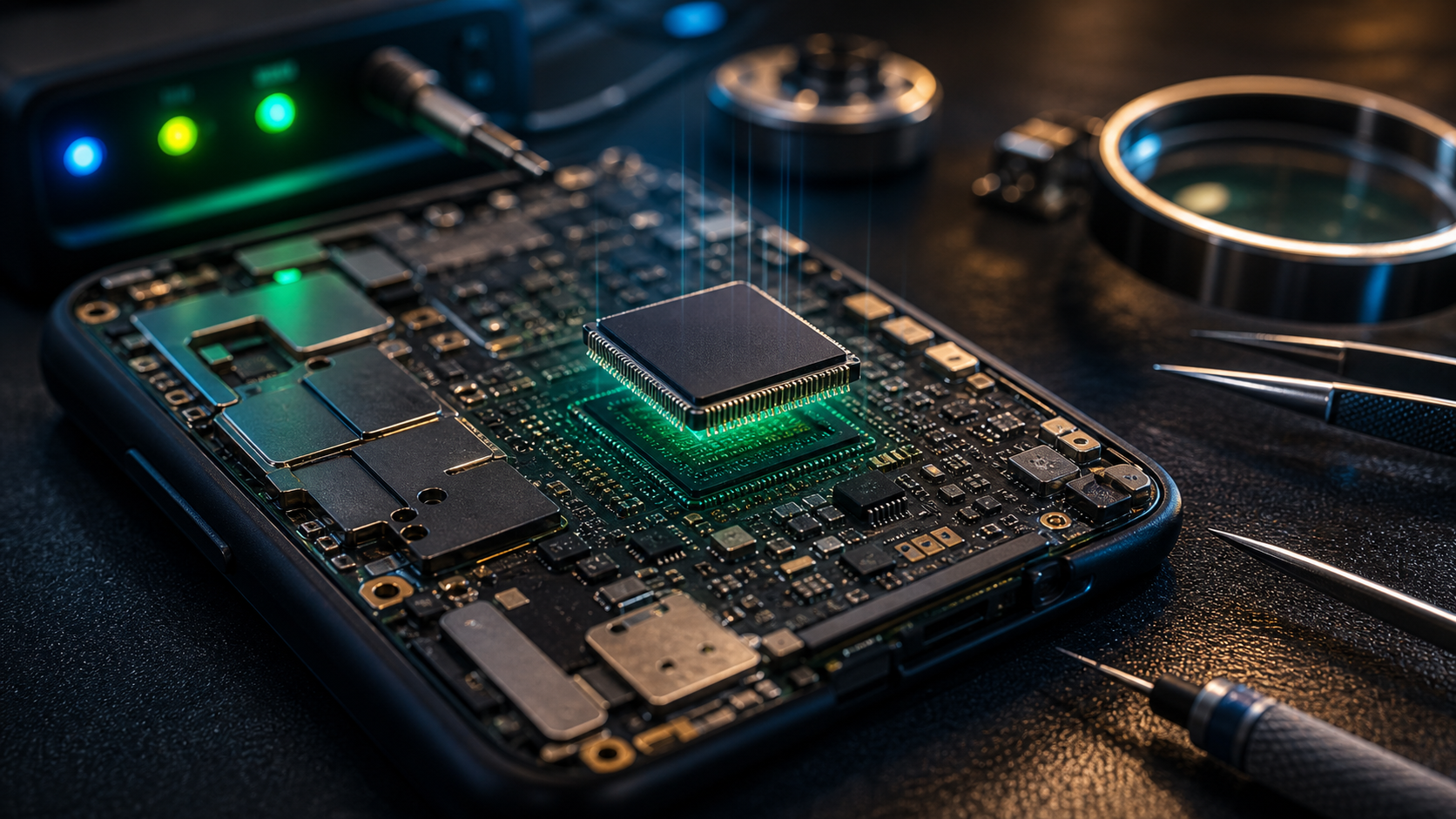
A chip unlocked iPhone is an iPhone that is still locked to a carrier, but is being used with another network through a tiny SIM interposer chip. The chip is usually placed together with your physical nano-SIM inside the SIM tray. Popular names buyers may hear include R-SIM, GPP, GEVEY, HEICARD, HEISIM, Supreme SIM, Smart SIM, and similar unlock chips.
The important point is this: the phone itself is not permanently unlocked. In Apple’s Settings, an officially unlocked iPhone should show “No SIM restrictions” beside Carrier Lock. A chip unlocked iPhone may still be carrier locked underneath, even if it appears to work with MTN, Airtel, Glo, 9mobile, or another SIM after setup.
That difference matters when you reset the phone, change SIM, update iOS, travel, activate eSIM, sell the phone, or need help from a carrier. A factory unlocked iPhone is cleaner because the unlock is recognized at carrier level. A chip unlocked iPhone depends on the chip, the SIM profile, the phone model, the locked carrier, and the current iOS/carrier settings behavior.
Who This Is For
A chip unlocked iPhone is mainly for a buyer who wants the lowest possible entry price into an iPhone and understands the compromise. It can be reasonable if you use one physical SIM, do not rely on eSIM, do not travel often, and are buying from a seller who clearly explains the lock status before payment.
It is a poor fit if you want the easiest ownership experience. If you change SIM cards often, need a travel eSIM, plan to resell quickly, are buying for a parent or someone who does not want troubleshooting, or need the phone for business calls where dropped service is costly, a factory unlocked iPhone is usually the better buy.
How to Know If an iPhone Is Chip Unlocked
There are three practical checks before buying.
Check Settings: Go to Settings > General > About > Carrier Lock. If it says “No SIM restrictions,” the phone is officially unlocked. If it shows a carrier restriction, treat the phone as locked unless the seller can prove a carrier unlock is pending or completed.
Test with your own SIM: Insert your SIM, make a normal phone call, use mobile data, send a message, and restart the phone. A quick signal bar alone is not enough. Some chip setups look fine at first and fail after a restart, SIM swap, or network mode change.
Inspect the SIM tray: If the phone needs a thin chip attached to the SIM to work, it is chip unlocked. Ask the seller not to remove or hide the chip during testing.
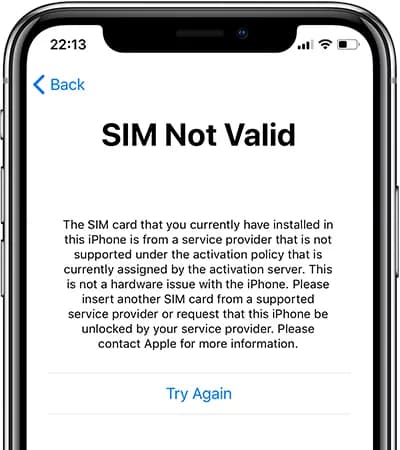
A locked iPhone can show a SIM not supported message when used without the right carrier SIM or unlock method.
How Chip Unlock Works
A chip unlock works by sitting between the iPhone and the physical SIM card. During activation or network registration, it presents information that helps the iPhone accept a SIM it would normally reject. Some setups use ICCID style activation, while others use modes often described by sellers as Auto TMSI or similar network-profile methods.
That is why chip unlock can feel like magic when it works: the same locked iPhone that rejected your SIM can suddenly make calls and browse. But it is also why the method is fragile. If Apple, the carrier bundle, the locked network, or the chip method changes, the workaround may need reactivation or a different chip.
In 2026, this compatibility point is more important because more buyers are considering newer iPhones, eSIM, and travel data plans. A chip unlock needs a physical SIM tray. US-market iPhone 14 and newer models are eSIM-only, so they are not good candidates for the usual physical chip method. Even on iPhones with a SIM tray, eSIM from another carrier generally still needs the iPhone to be officially unlocked.
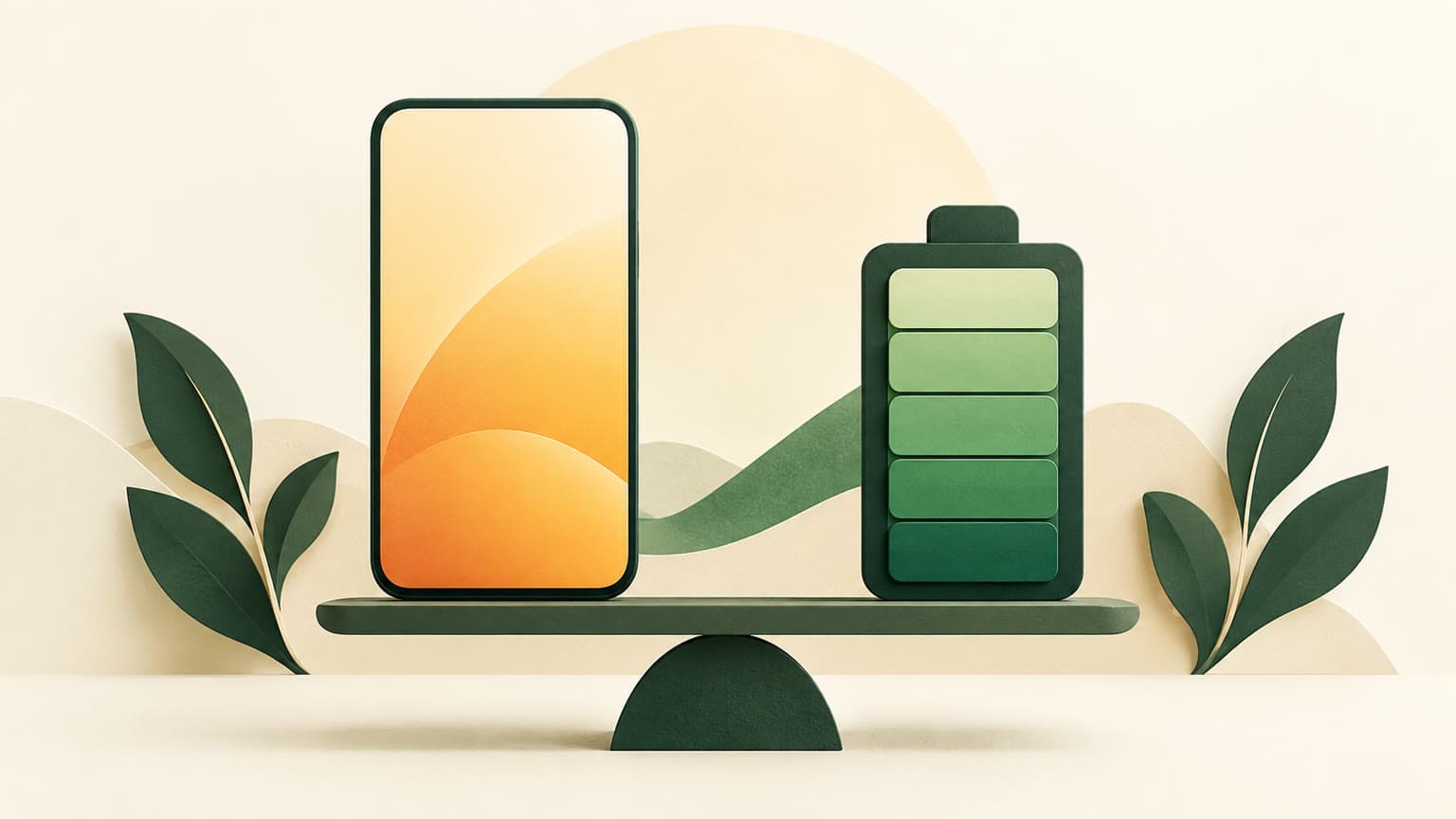
A practical comparison diagram showing why chip unlock is a workaround, not the same as a factory unlock.
Advantages of Chip Unlocked iPhones
1. Lower purchase price
The biggest advantage is price. Chip unlocked iPhones are cheaper because the lock status lowers the market value. If two iPhones have the same model, storage, battery health, and cosmetic grade, the factory unlocked one should cost more because it is easier to use, easier to sell, and less likely to need unlock-related support.
Do not judge the deal only by the discount. Compare total value: battery health, Face ID, True Tone, display quality, camera condition, repair history, storage, warranty, and whether the seller will support you if the chip stops working. A cheap locked phone with hidden faults is not a bargain.
2. Cheap unlock hardware
The chip itself is usually inexpensive compared with paying extra for a factory unlocked unit. That is why some buyers use it as a budget bridge. However, the chip price is not the full cost. You are also accepting more setup risk, less eSIM flexibility, and lower resale confidence.
3. It can work well for simple use
If you keep one physical SIM in the phone, avoid unnecessary resets, and buy a stable setup from a seller who knows the exact chip method, the experience can be good enough for calls, mobile data, WhatsApp, banking apps, camera, social media, and normal iPhone use.
Disadvantages of Chip Unlocked iPhones
1. It is not a permanent official unlock
The biggest disadvantage of a chip unlocked iPhone is that the carrier lock remains. Apple says only the current carrier can unlock an iPhone for use with a different carrier. That means a chip does not turn a locked iPhone into a true factory unlocked iPhone. If you want the cleanest status, the proper route is a carrier unlock or buying an unlocked device from the start.
2. Network stability can vary
Some chip unlocked iPhones work smoothly, while others may lose service, show activation errors, fail mobile data, or need reactivation after a SIM change. This depends on the chip brand, iPhone model, iOS version, locked carrier, SIM network, and setup method. If your phone is for work, dispatch, online business, or travel, this instability matters more than the initial savings.
3. eSIM is a major limitation
An eSIM is built into supported iPhones and can be activated digitally by a carrier. Apple’s current eSIM guidance lists iPhone XS, iPhone XS Max, iPhone XR, and later as eSIM-capable models, but using another carrier’s eSIM requires the right carrier support and an unlocked status when switching carriers. A chip unlock that depends on a physical SIM does not automatically unlock eSIM.
For Nigerian buyers, this matters if you want a travel eSIM, a second line, or a newer imported iPhone without a physical SIM tray. If eSIM is part of your plan, buy factory unlocked or confirm the exact carrier lock status before payment.
4. Updates and resets need caution
Some chip setups continue working after iOS updates, but it is risky to promise that every chip works with every future iOS and carrier-settings update. Before updating, ask your seller or technician whether the current chip method is stable on that iOS version. Before erasing the iPhone, make sure you know how it will be activated again.
5. Resale value is lower
When you sell later, informed buyers will discount the phone because it is not officially unlocked. You may save money today and lose part of that saving at resale. This is why chip unlocked phones make the most sense when the upfront discount is large enough to justify the inconvenience.
Buying Context: Price, Warranty, and Availability
Prices for used iPhones in Nigeria change quickly because of exchange rates, condition, storage, battery health, repair history, and local stock. Treat any old price table as a guide, not a live quote. Before buying, compare the current chip unlocked price with the current factory unlocked price for the same model and storage. If the difference is small, choose factory unlocked.
Also ask what warranty actually covers. A fair seller should separate phone warranty from unlock support. For example, screen, Face ID, camera, battery, and charging faults are different from a chip setup needing reactivation. Availability also changes: some models may be available as factory unlocked today and only chip unlocked tomorrow, or the reverse, depending on stock.
You can browse current phone and accessory options from Ogabassey, and if you need SIM trays, chargers, cases, or other add-ons, check Ogabassey accessories with the same buyer caution: compatibility first, price second.
Alternatives to a Chip Unlocked iPhone
Factory unlocked iPhone: Best for most buyers. It supports easier SIM switching, better eSIM flexibility, cleaner resale, and less troubleshooting. Start with the Ogabassey guide to factory unlocked iPhones if you are comparing labels.
Official carrier unlock: Best if the phone is eligible. The carrier may require the device to be fully paid, not reported lost or stolen, and active for a required period. Once completed properly, it is cleaner than a chip workaround.
Use the original carrier SIM: If the phone is locked to a carrier you can actually use, staying on that carrier avoids chip issues. This is less practical for many imported units.
Buy a lower model factory unlocked: Sometimes an older factory unlocked iPhone is better than a newer chip unlocked model. For example, a clean factory unlocked iPhone with good battery health may be a better daily phone than a newer locked model that needs constant unlock support.
Verdict: Is a Chip Unlocked iPhone Good?
A chip unlocked iPhone can be good if the discount is meaningful, the phone is honestly described, the chip setup is stable, and you understand that it is not the same as factory unlocked. It is a budget option, not the premium ownership option.
For most buyers, the safer recommendation is simple: choose factory unlocked when the price difference is manageable. Choose chip unlocked only when the savings are large enough, you do not need eSIM, the phone has a physical SIM tray, and the seller gives clear after-sale support for activation or network issues.
FAQ
What is the meaning of chip unlock on iPhone?
Chip unlock means a locked iPhone is being used with another network through a small SIM chip. The chip helps the SIM work, but the iPhone may still be locked at carrier level.
How does chip unlock iPhone work?
It works by placing a thin chip with your physical SIM inside the SIM tray. The chip changes how the SIM is presented during activation or network registration so the iPhone can connect to a network it would normally reject.
What are the disadvantages of chip unlocked iPhone?
The main disadvantages are lower stability, limited eSIM support, possible reactivation after resets or updates, lower resale value, and the fact that it is not an official carrier unlock.
Can eSIM work on a chip unlocked iPhone?
Usually, you should not buy a chip unlocked iPhone expecting another carrier’s eSIM to work. eSIM activation with a different carrier generally requires the iPhone to be officially unlocked, and the common chip method depends on a physical SIM tray.
In Conclusion
Chip unlocked iPhones exist because many buyers want iPhone value at a lower price. The savings can be real, but the limitations are also real. Before paying, check Carrier Lock in Settings, test calls and data with your own SIM, restart the phone, inspect the SIM tray, confirm eSIM needs, and compare the price against a factory unlocked option.
If you are buying from Ogabassey, ask for the exact lock status before checkout so you know whether you are choosing factory unlocked, worldwide unlocked, or chip unlocked. The right choice is the one that fits your budget without surprising you after the sale.
Catalog-linked prices update automatically. Historical and other quoted prices remain as written. Open the product page to confirm the current price, selected variant and availability before buying.