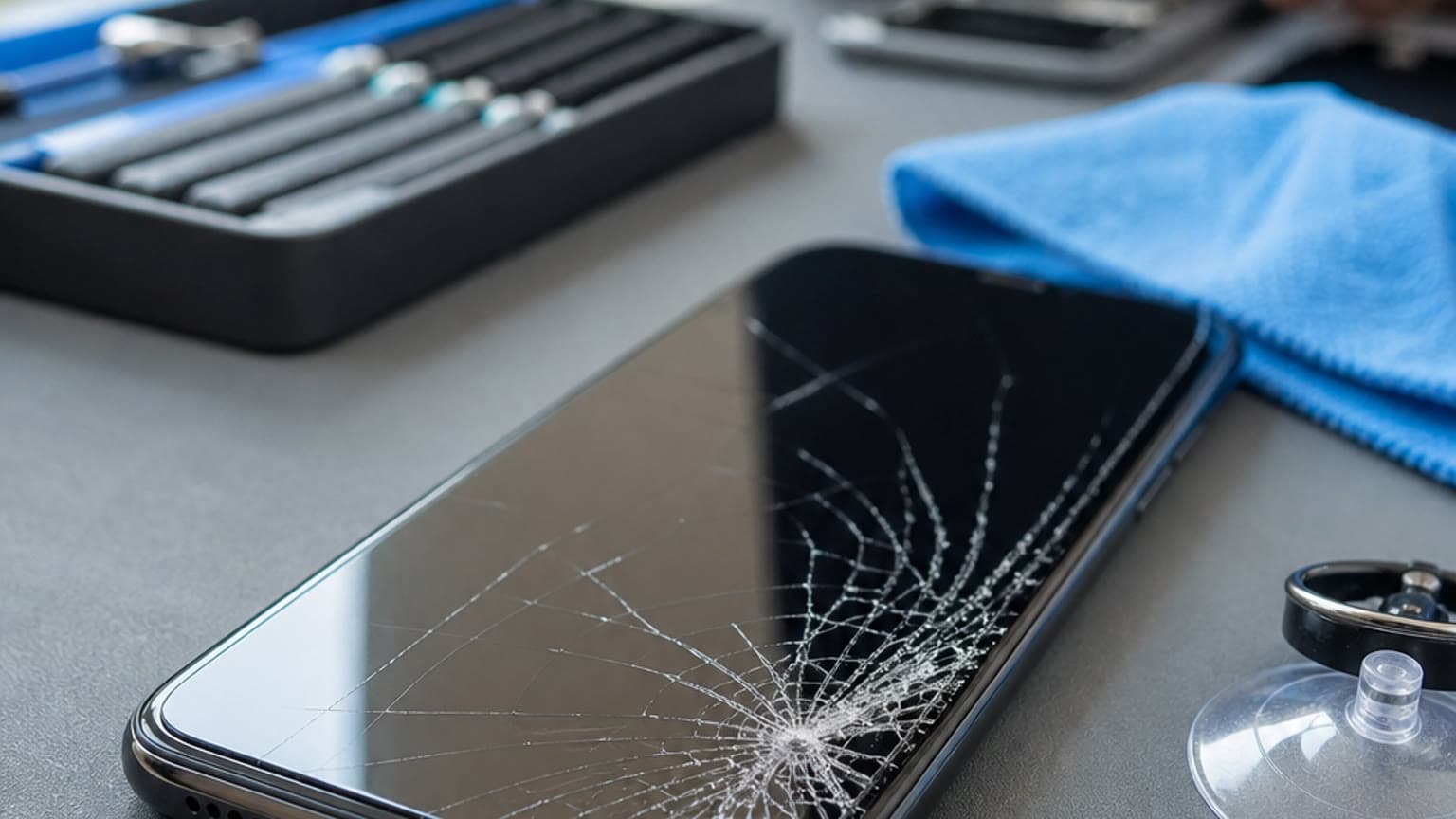
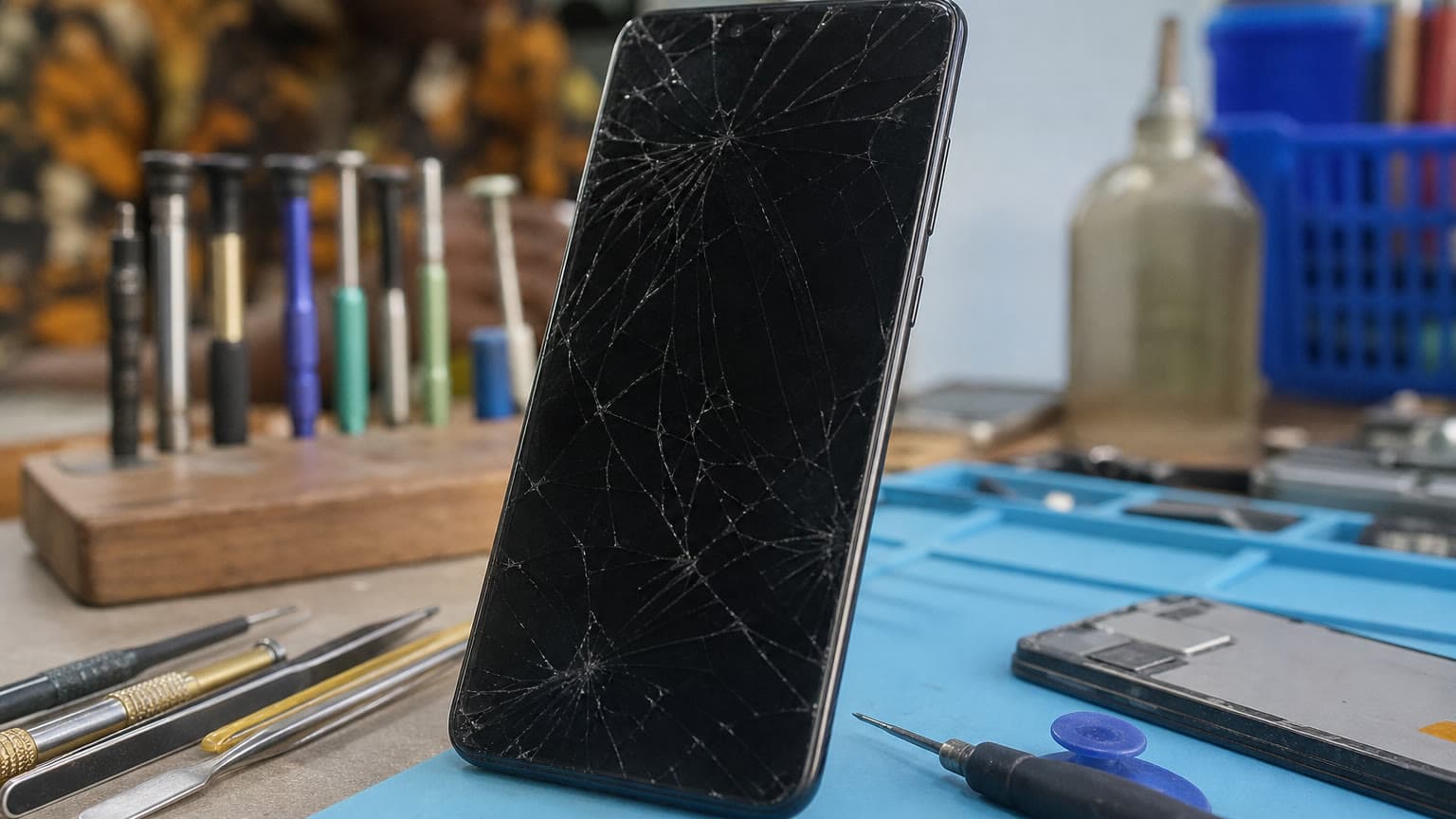
A cracked iPhone back glass is usually worth repairing when the phone still works well, Face ID is fine, the camera lenses are clear, and the frame is not bent. In Nigeria, the main decision is not only cosmetic: cracked glass can cut your hand, expose the phone to dust and moisture, and reduce resale value.
This repair-experience guide is written for owners who are deciding whether to book back glass repair, keep using a case, or replace the phone. It does not quote a fixed repair price because pricing depends on the exact iPhone model, back-housing condition, part route, and technician assessment.
Symptoms That Mean Back Glass Repair Should Not Wait
Back glass damage can look harmless at first, especially if the phone is already inside a case. The problem is that the rear panel sits close to wireless charging hardware, camera surrounds, internal brackets, and adhesive seals. Once the glass starts shedding pieces, the risk moves beyond appearance.
Book a repair assessment if the cracks are spreading from the camera island, if sharp flakes are coming loose, if the phone heats unusually around the back, if wireless charging has become unreliable, or if dust is visibly entering the broken area. A small hairline crack that stays flat under a case is less urgent, but it still needs monitoring because a fall can turn it into missing glass.
You should also treat the damage as more serious if the iPhone was dropped into water after the back glass cracked. Apple’s public service guidance separates accidental damage from warranty coverage, and cracked glass can weaken the phone’s resistance to liquid exposure. For local buyers, that matters because rain, sweat, beach sand, dusty roads, and generator-shop environments can all make a cracked rear panel worse.
If the back glass is broken but the screen, battery, cameras, charging port, and buttons are behaving normally, a back glass repair may preserve the value of the device better than trading it immediately. If several of those parts are already failing, the repair decision needs a broader cost check.
Safe Checks Before You Book
Before sending the phone in, remove the case carefully and inspect the rear panel under bright light. Do not press the glass to test how strong it is. Look for missing chunks, raised edges, cracks running into the camera lenses, and any gap between the rear panel and metal frame. If glass dust is present, avoid wiping it with bare hands.
Next, check the functions that can change the repair recommendation. Test the rear cameras in photo, video, portrait, and ultra-wide modes if your model has them. Try wired charging and wireless charging separately. Check whether the phone bends, rocks on a flat table, or makes a clicking sound when pressed near the rear panel. Back glass repair is more straightforward when the housing is still straight.
Back up the iPhone before any repair booking. A back glass job should not be treated as a data repair, but any physical repair carries handling risk. Use iCloud, Finder, or another backup route that you already trust. Also remove banking notifications from the lock screen, sign out of sensitive apps if you prefer, and note your IMEI or serial number before handover.
If you are comparing repair paths, start from Ogabassey Repairs to understand the service categories, then use Book a Repair when you are ready to send the model, symptoms, and photos. If your back glass damage came with screen cracks too, read iPhone screen repair checks before assuming both jobs should be handled the same way.
Repair Options: Back Glass Only, Housing Work, or Replacement
The right option depends on how the rear damage happened and how much of the phone is affected. Back glass-only repair is most attractive when the frame is straight, the camera lenses are intact, the rear panel damage is mostly cosmetic, and the device is otherwise valuable enough to keep. This route aims to restore the rear surface without replacing unrelated parts.
Housing-level work becomes more likely when the frame is bent, the rear panel is separating, the camera surround is damaged, or previous repairs have already weakened adhesive alignment. It can cost more and may need a longer assessment because the technician has to evaluate whether the internal fit is still correct. Do not assume a neat-looking replacement panel will solve a bent-frame problem.
Full device replacement or trade-up becomes a serious alternative when the repair stack is too long. For example, cracked back glass plus weak battery plus faulty charging plus screen lines can turn one repair appointment into a poor-value rebuild. In that case, use the repair quote as a decision point, not a sunk cost. If charging is part of the symptom set, compare it with the guidance in iPhone charging-port repair advice. If battery health is already poor, check iPhone battery replacement signs before approving cosmetic work first.
Decision Table for iPhone Back Glass Damage
| What you see | Repair meaning | Best next step |
|---|
| Fine cracks only, phone works normally | Likely cosmetic but still a resale and safety issue | Use a case short term, send photos for repair quote |
| Missing glass pieces or sharp edges | Higher hand, dust, and moisture risk | Stop pocket use without a case and book assessment |
| Cracks around camera lenses | Camera quality and lens sealing may be affected | Test all camera modes and include close-up photos |
| Wireless charging fails after impact | Damage may involve more than rear glass | Report charging symptoms before approving repair |
| Back glass plus screen and battery problems | Repair value may be poor | Compare total quote with replacement value |
Parts and Warranty Cautions
Back glass repair is part-sensitive because the rear panel is tied to fit, finish, adhesive quality, wireless charging reliability, and water-resistance expectations. A cheap-looking rear repair can make a good iPhone harder to resell, especially when buyers inspect the camera island, colour match, and frame edges. Ask what part route is being used and whether any visible finish differences are expected.
Do not treat any third-party repair as a restoration of original water resistance unless the repair provider explicitly gives that coverage in writing. Apple’s official repair language distinguishes service options and warranty terms, but accidental damage is generally handled differently from manufacturing defects. In practical local use, that means you should avoid promising a buyer that a repaired back glass is “waterproof again.” Say it was repaired, keep records, and be honest about the repair history.
Warranty is also model- and service-route dependent. If your iPhone is still under AppleCare or another plan, check eligibility before authorising any independent work. If the phone is out of warranty, locally sourced repair may still be the better value, but the quote should identify the model clearly and include the related symptoms you reported.
When Replacement Is Better Than Back Glass Repair
Replacement can be the smarter move when the iPhone is already near the end of your useful ownership cycle. If you planned to upgrade soon, if the storage is too small for your apps and media, or if the battery needs immediate replacement too, spending on back glass may not improve your daily use enough.
It is also worth stepping back when the phone has multiple impact signs: bent frame, camera blur, screen lifting, random restarts, charging failure, or heat after mild use. Those symptoms can point to internal issues that a rear-glass repair will not solve. A repair quote is still useful, but it should be compared against the cost of a clean used, refurbished, or new replacement with a clearer warranty path.
For resale, the calculation is different. If the phone is a recent iPhone with strong battery health and no other faults, back glass repair can make it easier to sell at a fair price. If it is an older model with weak battery health and several cosmetic faults, the next buyer may discount it heavily even after the rear panel is fixed.
What to Send When Booking
Send the exact iPhone model, storage capacity if known, battery health percentage, whether Face ID works, whether wireless charging works, and clear photos of the back, sides, camera area, and screen. Mention whether the phone has ever been opened before. If the glass broke after a hard fall, say that directly; it helps the repair desk check for housing and camera risks instead of treating the job as cosmetic only.
Use Ogabassey’s repair booking page when you are ready to start the assessment. If you are still comparing repair categories, the broader Ogabassey repair hub is the better first stop. A good booking message should reduce back-and-forth and make it easier to quote the correct service instead of a generic “back glass” estimate.
FAQ
Can I keep using an iPhone with cracked back glass?
You can use it short term if the cracks are flat, covered by a case, and the phone works normally. Do not ignore missing glass, sharp edges, wireless charging failure, or cracks near the cameras. Those symptoms need repair assessment.
Does iPhone back glass repair restore water resistance?
Do not assume it does. Even careful repair may not recreate the original factory seal. After back glass repair, avoid water exposure and keep repair records for resale or warranty discussions.
Is back glass repair worth it on an older iPhone?
It depends on the total condition. If the battery, screen, charging, and cameras are healthy, repair can protect resale value. If several parts already need work, replacement may be better value.
What should I send before booking iPhone back glass repair?
Send the exact model, photos of the back and camera area, battery health, charging status, Face ID status, and whether the phone has had previous repairs. This helps avoid a quote based on incomplete symptoms.
Sources