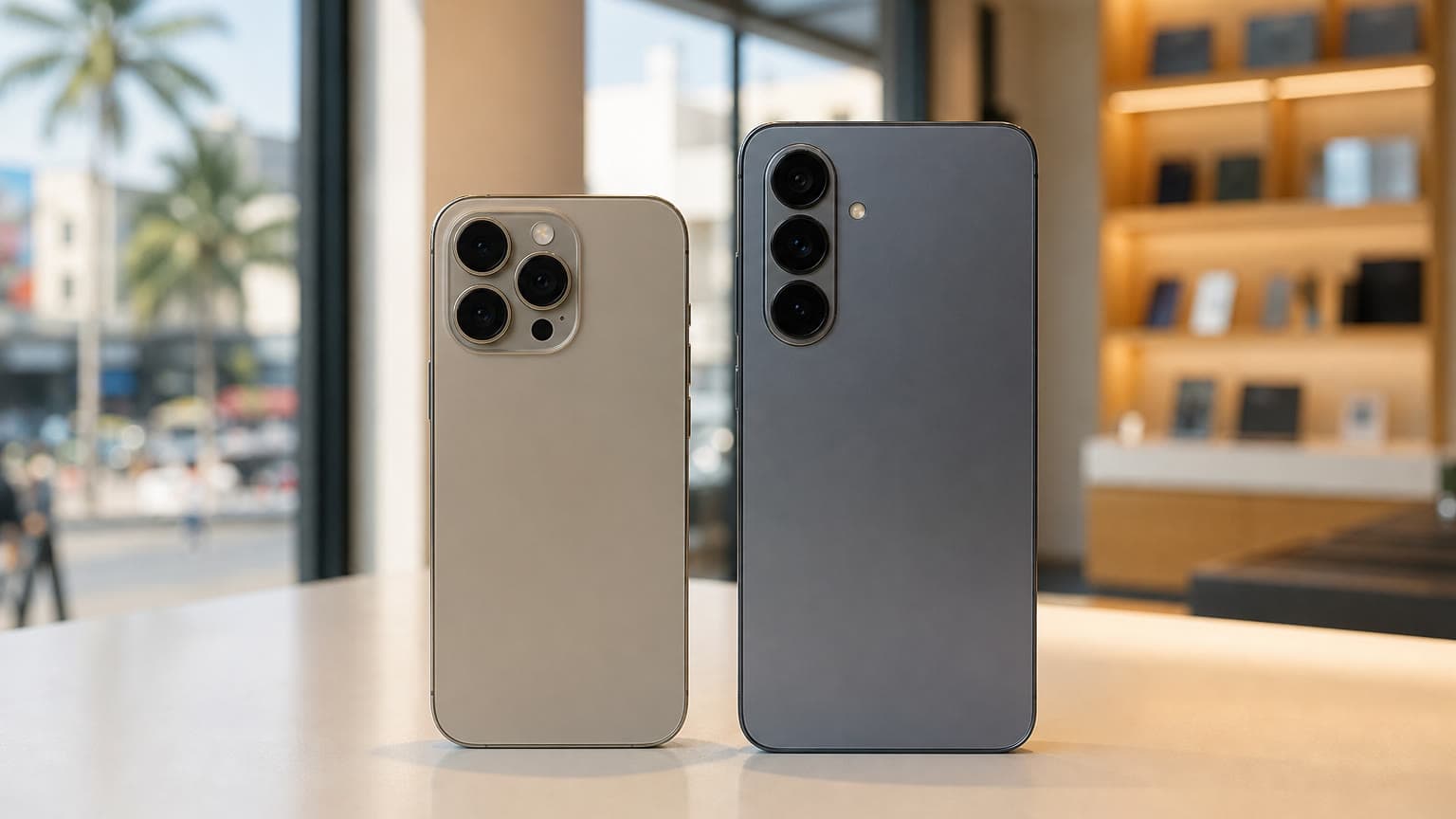
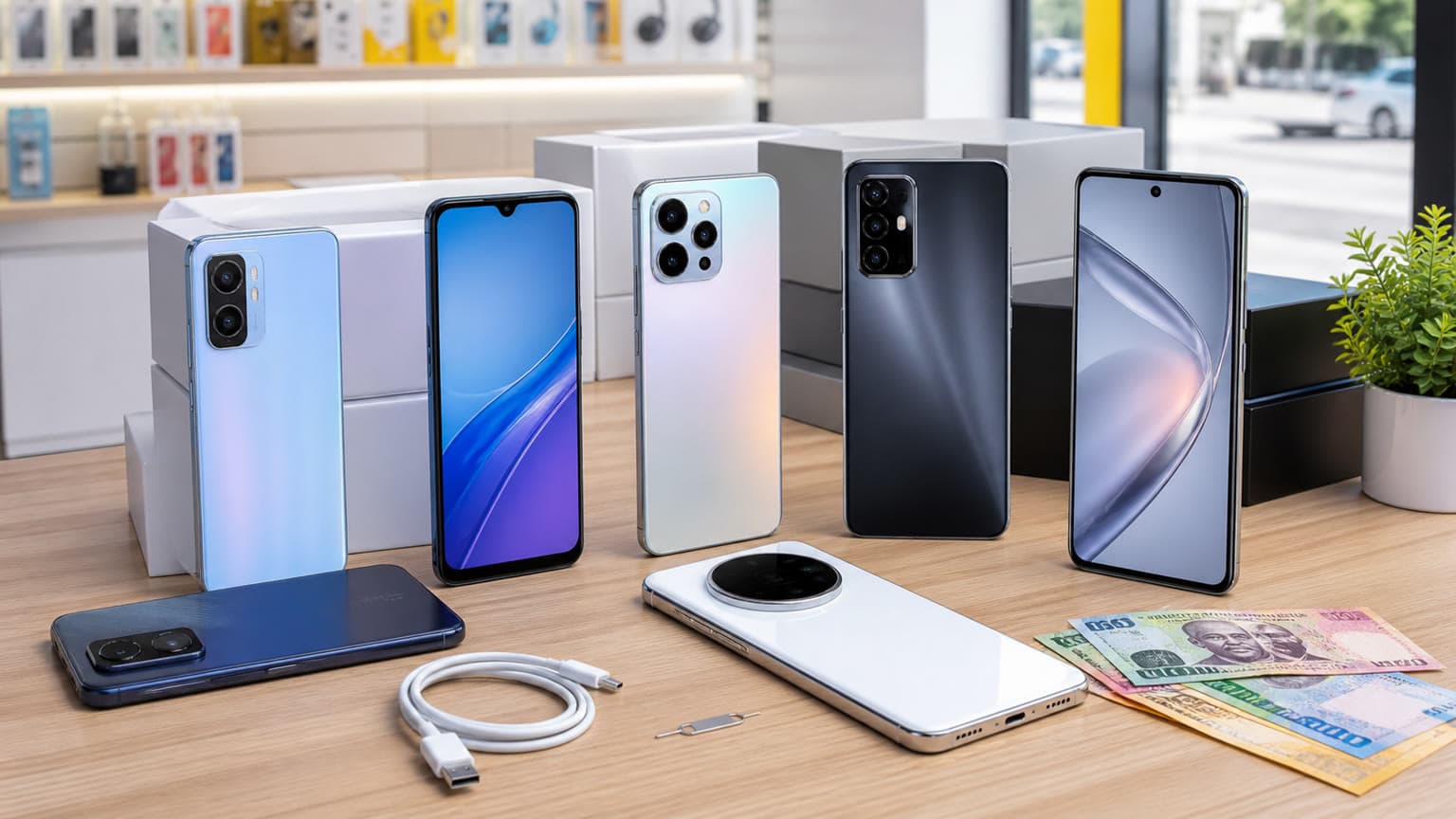
If your phone budget in Nigeria is around ₦180,000 to ₦280,000, the iPhone XR is still tempting because it gives you iOS, FaceTime, strong video, and Apple resale value at a used-phone price. The harder question in 2026 is whether that is enough to beat a brand-new Android with 5G, a fresher battery, warranty cover, and a sharper display.
The short version: the iPhone XR can still make sense for a careful buyer who wants a low-cost starter iPhone, but it is no longer the best all-round phone for most people. Newer budget and midrange Androids such as the Samsung Galaxy A17 and Redmi 15 are usually better for battery life, screen quality, network future-proofing, warranty peace of mind, and daily value.
This guide keeps the comparison practical for Nigerian buyers: used versus new condition, battery health, software support, repairability, camera use, 5G, and whether it is smarter to stretch toward a newer iPhone or a stronger Android.
Who this is for
This comparison is for buyers who want one dependable daily phone, not collectors looking for nostalgia. It is especially relevant if you are comparing a UK-used iPhone XR against a new Android phone in the same broad price band, or if you want to understand why an old iPhone still competes with newer Android hardware in the Nigerian market.
Choose the iPhone XR route if you care most about iOS, social-media video, FaceTime, iMessage, simple performance, and resale value. Choose the new Android route if you want a phone that feels modern for the next few years: 5G where available, a larger battery, a brighter high-refresh display, more storage options, and a warranty-backed purchase.
Key specs and buying context
The iPhone XR launched in 2018 with Apple’s A12 Bionic chip, a 6.1-inch Liquid Retina LCD, Face ID, a single 12MP rear camera, wireless charging, IP67 water resistance, and 4G LTE. Those specs explain why the XR has aged better than many Android phones from the same era: the chip is still usable, the camera processing is consistent, and iOS remains familiar.
But time matters. Apple’s current iOS 26 compatibility list excludes the iPhone XR, which means the XR remains behind the latest iPhone software generation. That does not instantly make it unusable, but it changes the buying decision: you are buying into a mature, aging iPhone experience, not a phone with a long feature-update runway.
On the Android side, 2026 budget phones generally win the physical hardware comparison. A modern Samsung, Xiaomi, Tecno, or Infinix in this price conversation can offer a bigger FHD+ display, higher refresh rate, larger battery, faster wired charging, USB-C, newer Bluetooth/Wi-Fi support, and 5G on selected models. Some Android brands also now advertise longer update commitments than older budget phones used to get, especially Samsung in the Galaxy A series.
Buying factor | iPhone XR, usually UK used | 2026 budget Android |
Display | 6.1-inch LCD, 1792 x 828 resolution, 60Hz | Often larger FHD+ panels; some offer AMOLED or high refresh rates |
Network | 4G LTE only | 4G or 5G depending on model and variant |
Battery | Battery health depends on used condition; check before paying | Usually a new battery with higher capacity and warranty support |
Software | Does not receive the latest iOS 26 feature release | Newer Android versions and a longer update path on select models |
Camera and video | Still strong for natural-looking 1080p/4K video and social apps | Often more lenses and megapixels, but video quality varies by brand |
Warranty and originality | Depends on seller honesty, battery replacement quality, and inspection | New retail units should include clearer warranty and return options |
Where the iPhone XR still wins
The XR’s biggest advantage is not its spec sheet. It is the way Apple’s hardware, camera processing, and app ecosystem work together. For TikTok, Instagram, WhatsApp video, and casual content creation, the XR can still produce cleaner, more predictable clips than many cheap Android phones that look impressive on paper.
It also remains one of the lowest-cost ways to enter the iPhone ecosystem. If your household already uses iCloud, AirPods, FaceTime, or another iPhone, the XR may feel simpler than switching to Android. Resale value also matters in Nigeria: a clean iPhone XR with verified battery health and no Face ID issue can be easier to resell than a lesser-known Android model.
Repairability is another practical point. iPhone XR parts and technicians are widely available in Lagos, Abuja, Port Harcourt, and other major markets. That does not mean every repair is cheap or original, but it means you are unlikely to struggle to find help for common issues such as batteries, screens, charging ports, and cameras.
Where the XR now struggles
The display is the most obvious compromise. The XR’s LCD is usable, but if you place it beside a new AMOLED Samsung or a high-refresh Xiaomi, the older iPhone feels less sharp and less fluid. If you stream a lot of video, read small text, game regularly, or spend hours on social media, the Android screen advantage is easy to notice.
Battery life is the second issue. A used XR with weak battery health can turn from “affordable iPhone” into a repair bill within days. Even a replaced battery depends on the quality of the cell and workmanship. Before buying, check battery health in Settings, test charging, inspect for warning messages, and confirm Face ID, True Tone, cameras, speakers, microphones, and network stability.
Software support is the third issue. Because iPhone XR is no longer on Apple’s current iOS feature list, you should not buy it expecting the newest Apple Intelligence features or the same long runway as a newer iPhone. If iOS support matters, consider stretching to a newer iPhone such as the iPhone 16, or compare flagship upgrade paths like the iPhone 16 Pro Max.
Alternatives worth comparing
The Samsung Galaxy A17 is the safer pick for buyers who want a new phone with stronger everyday basics. It is the kind of Android to consider if display quality, update support, 5G on the right variant, and warranty confidence matter more than Apple branding. Samsung’s ecosystem also makes repairs and accessories easier than many smaller Android brands.
The Redmi 15 is more about value-per-naira: big battery, large display, and strong everyday features for students, commuters, gamers, and heavy WhatsApp users. Check the exact RAM, storage, charging, and network variant before buying, because Xiaomi models can differ by market.
If you are open to spending more, the Samsung Galaxy S25, Samsung Galaxy S25 Ultra, and iPhone 16 series move the conversation away from “budget compromise” and toward long-term flagship ownership. For a cheaper Apple alternative, the iPhone X is usually less attractive than the XR because it is older, has a smaller battery, and is even riskier for software longevity.
For broader shopping, browse current Ogabassey smartphone deals and compare actual availability, condition, storage, and warranty before committing. For used-device inspection steps, read Ogabassey’s used iPhone checklist and Ogabassey’s used Android checklist.
Is 5G worth paying extra for in Lagos or Abuja?
5G is worth considering if you live, work, or study in an area with reliable coverage and you keep phones for several years. In Nigeria, 4G is still good enough for many people, especially for WhatsApp, browsing, mobile banking, YouTube, and social media. But a 5G Android gives you more network headroom than the XR, which is limited to 4G LTE.
The practical advice is simple: do not buy 5G just for the label. Buy it if the phone is also strong in battery, display, storage, warranty, and software support. A weak 5G phone is not automatically better than a clean XR, but a well-priced 5G Samsung or Redmi is usually the smarter long-term daily driver.
Verdict: should you buy the iPhone XR in 2026?
Buy the iPhone XR only if you specifically want iOS at the lowest possible cost and you can inspect the unit properly. It is best as a starter iPhone, a secondary phone, or a budget content phone for buyers who value Apple video quality and resale value more than display sharpness, 5G, or future feature updates.
For most people spending ₦180,000 to ₦280,000 on one daily phone, a new Android is the better 2026 purchase. You get a fresher battery, clearer warranty path, more modern screen, newer connectivity, and a longer-feeling ownership experience. The XR still has charm, but charm should not replace battery health, originality checks, and long-term value.
Related reading: Samsung Galaxy S25 Ultra vs. iPhone 16 Pro Max for a flagship comparison if you are deciding whether to save for a bigger upgrade.
Sources