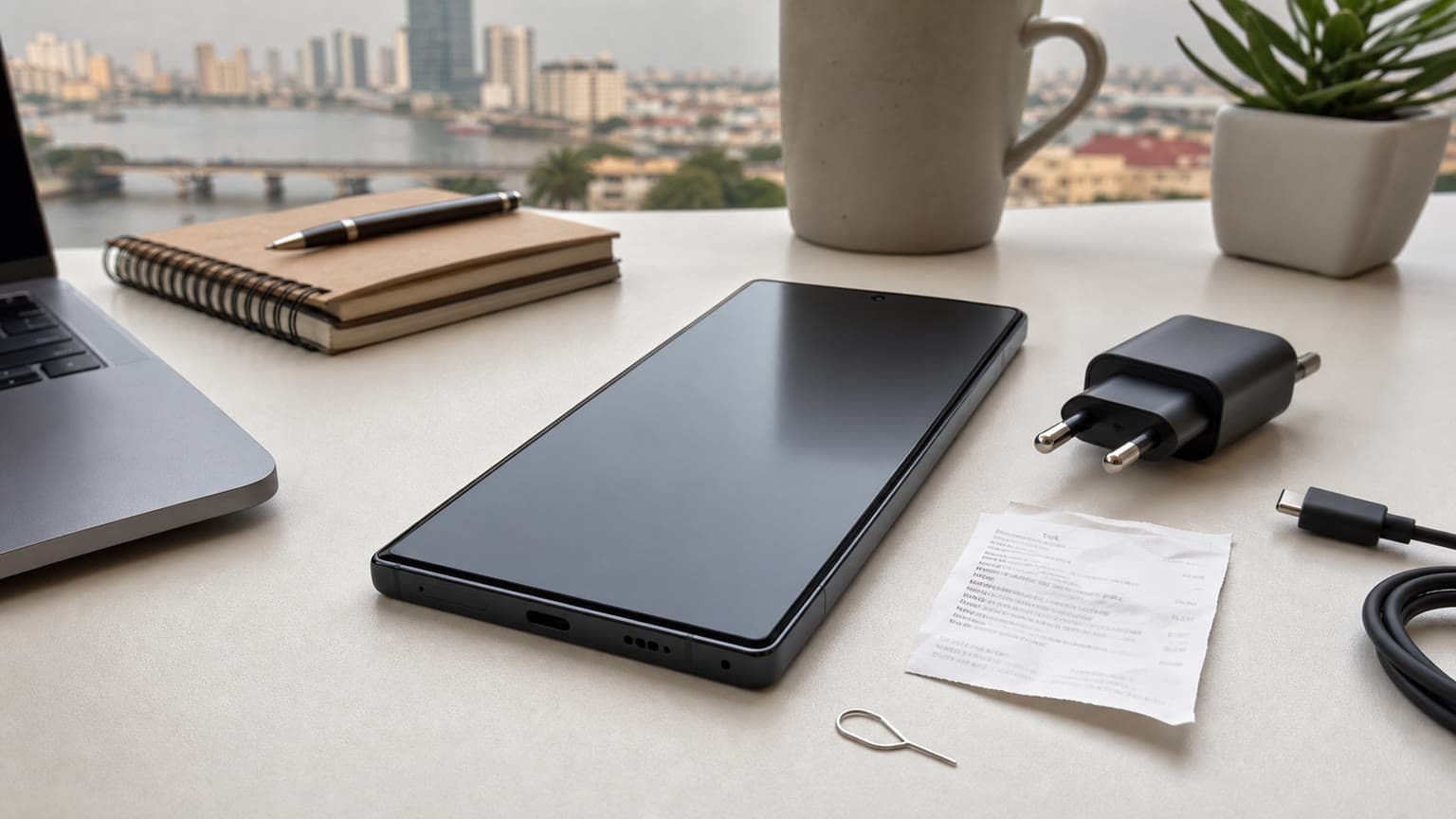
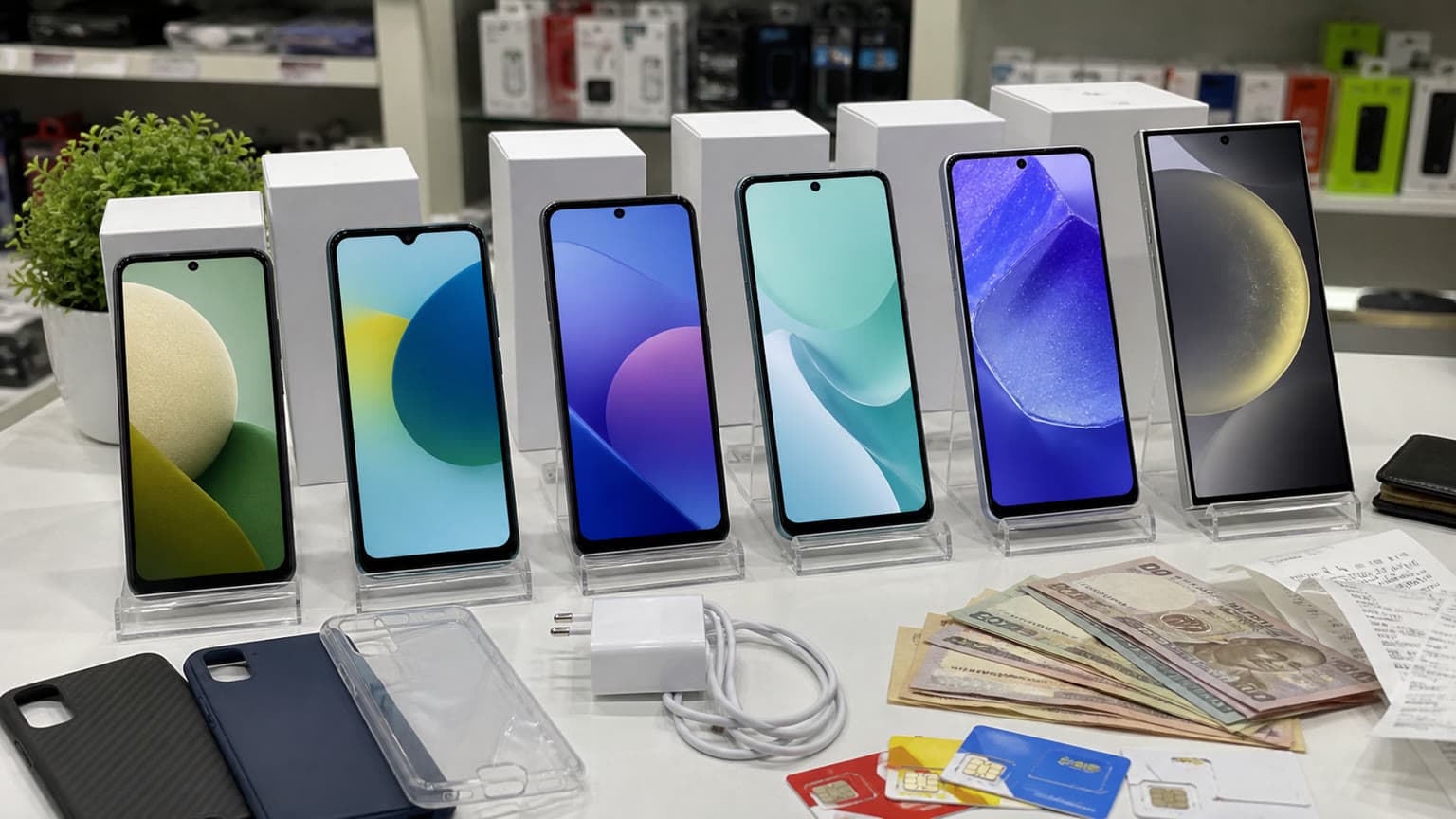
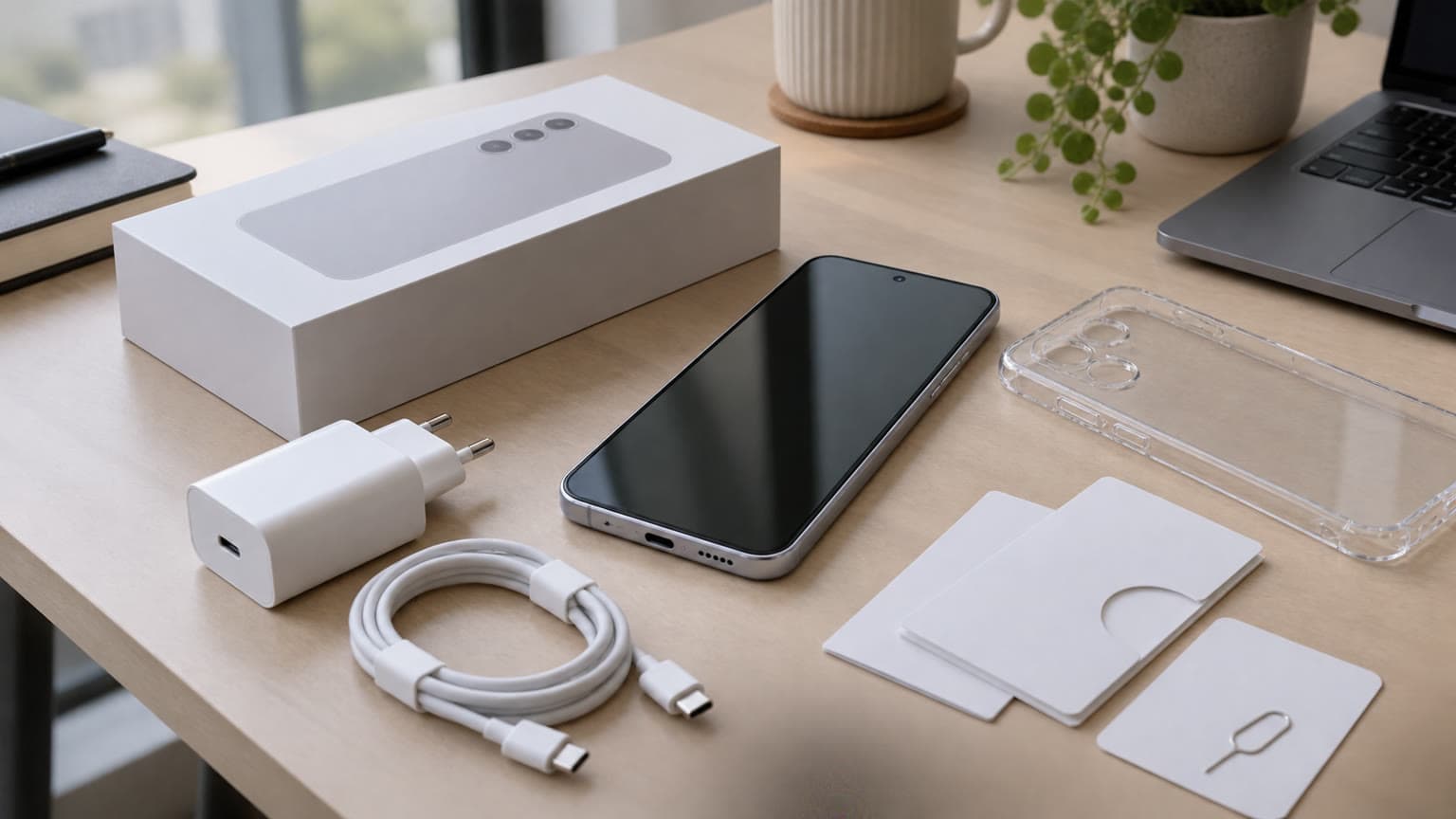
The Samsung Galaxy S24+ was easy to overlook at launch: the Galaxy S24 was cheaper and easier to hold, while the S24 Ultra had the headline camera hardware and S Pen. In 2026, that middle position is exactly why the S24+ still makes sense. It gives you the large QHD+ display, 12GB of RAM, strong battery capacity, fast flagship performance, and Samsung's long update promise without the Ultra's size, weight, and usually higher price.
This review is not a fresh launch-day excitement piece. The better question now is whether the S24+ is a smart buy after newer Galaxy models have arrived and after refurbished, open-box, and carrier-upgrade units have become more common. The short answer: yes, if the price is meaningfully below a current Galaxy Plus model and you do not need the Ultra camera system.
Verdict: who should buy the Galaxy S24+ in 2026?
Buy the Galaxy S24+ if you want a large Android phone for streaming, maps, productivity, Samsung DeX, long software support, and everyday photography. It is especially compelling for buyers comparing it with the smaller S24, because the Plus model adds a bigger 6.7-inch QHD+ display, a larger 4,900mAh battery, 12GB of RAM, and 45W wired charging support.
Skip it if you want Samsung's best zoom camera, the built-in S Pen, or the most premium anti-reflective display treatment from the S24 generation. For that, read Ogabassey's Samsung Galaxy S24 Ultra in 2026 review. Also compare it with Ogabassey's Samsung Galaxy S25+ review if the price gap is small where you shop.
Key specs and buying context
The Galaxy S24+ has a 6.7-inch Dynamic AMOLED 2X display with QHD+ resolution, adaptive 1-120Hz refresh rate, and Samsung's stated peak brightness of 2,600 nits. The US model uses Snapdragon 8 Gen 3 for Galaxy; many international markets received Exynos 2400. It shipped with Android 14 and One UI 6.1, and Samsung lists the Galaxy S24+ among models receiving monthly security updates at the time of this 2026 update.
The camera hardware is familiar: a 50MP main camera, 12MP ultrawide, 10MP 3x telephoto, and 12MP selfie camera. Video recording goes up to 8K at 30fps, with 4K high-frame-rate support depending on mode. Battery capacity is 4,900mAh, only 100mAh below the S24 Ultra, and wired charging can reach 45W with a compatible charger. Wireless charging and reverse wireless charging are supported, but check the charger standard carefully if you are moving from a newer magnetic accessory ecosystem.
Storage matters because the S24+ has no microSD slot. The 256GB model is the sensible minimum, while 512GB is worth paying for if you shoot a lot of 4K video, keep offline media, or plan to hold the phone for several years. The 12GB RAM configuration is one reason the Plus model ages better than the base S24 for heavy multitasking.
Design and display
The S24+ keeps the clean flat-sided Galaxy look: aluminum frame, glass back, IP68 dust and water resistance, and a thinner, lighter feel than the Ultra. It is still a large phone, so one-handed use is not its strength, but it is easier to pocket and hold than the S24 Ultra.
The display is the main reason to choose the Plus. The QHD+ panel makes text and UI elements crisp, and the 120Hz refresh rate keeps scrolling smooth. Unlike the base S24, you are not settling for FHD+ resolution. The practical trade-off is that the S24+ does not get the Ultra's Gorilla Armor, so buyers should budget for a good case and screen protector, especially when buying used.
Performance, software, and Galaxy AI
For normal use, the S24+ still feels like a flagship in 2026. Snapdragon 8 Gen 3 and Exynos 2400 variants both have enough headroom for social apps, camera processing, gaming, DeX, and split-screen multitasking. The Snapdragon version is generally the safer pick for buyers who care about sustained gaming, modem efficiency, or resale value, but the Exynos model is not automatically a bad purchase if priced correctly.
Samsung's long support policy is a major reason this phone remains relevant. The S24 family launched with a seven-year update promise, and Samsung's current security scope still lists the S24+ under monthly security update models. That gives the phone a better long-term case than many older discounted Android flagships. Availability and timing can still vary by carrier, region, and model, so unlocked units tend to be easier to recommend than carrier-locked imports.
Galaxy AI features such as Circle to Search, Note Assist, Live Translate, and photo editing tools are useful, but they should not be the only reason you buy this phone. Some features require a Samsung account, internet connection, supported languages, or specific Samsung apps. Treat AI as a bonus layer on top of strong hardware, not as a replacement for checking battery health, storage, warranty, and network compatibility.
Camera: good flagship basics, not Ultra-level zoom
The S24+ camera system is dependable for everyday photos, portraits, travel, family shots, and social video. The 50MP main camera is the workhorse, the ultrawide is useful for tight spaces, and the 3x telephoto lens gives you real optical reach for portraits and moderate zoom. Samsung's processing usually favors bright, saturated images, which many people like for sharing straight from the camera.
The limitation is long zoom and challenging motion. If you regularly shoot concerts, wildlife, sports, or faraway subjects, the Ultra is the better Samsung choice. If you mostly take people, food, documents, city scenes, and video clips, the S24+ camera is more than enough and avoids paying for Ultra hardware you may rarely use.
Battery and charging
Battery life is one of the S24+'s strongest arguments. The 4,900mAh cell, efficient display, and flagship processor make it a comfortable all-day phone for most users. Heavy gaming, 5G hotspot use, navigation, and QHD+ brightness outdoors will still drain it quickly, but the Plus model has a clear advantage over the smaller S24.
The 45W wired charging support is useful, but only with the right USB-C PD PPS charger and cable. Many buyers coming from older phones will not already own the correct charger, and Samsung typically does not include one in the box. When evaluating a used or refurbished unit, ask about battery health, charging behavior, and whether the USB-C port feels tight and reliable.
Price, availability, warranty, and used-buying checks
The S24+ launched at a premium flagship price, but its 2026 value depends on discount depth. A new-old-stock or certified refurbished S24+ makes sense when it is clearly cheaper than a comparable S25+ or newer Plus model. If the gap is narrow, the newer phone may offer better resale value and a longer remaining update window.
For marketplace or third-party refurbished listings, do not judge by storage and color alone. Confirm the exact model number, region, carrier lock status, IMEI cleanliness, eSIM support for your carrier, physical SIM configuration, warranty terms, return window, battery condition, screen burn-in, water damage indicators, and whether repairs used genuine parts. A cheap imported unit can become expensive if it lacks the right 5G bands, has a locked bootloader/carrier profile, or cannot receive timely updates in your region.
Warranty coverage is also different from buying a current phone directly from Samsung or a major carrier. Manufacturer warranty may depend on region, purchase date, and proof of purchase. For used phones, a seller-backed warranty and a no-hassle return window are often more important than a vague claim that the device is "like new." If you want the least risk, prioritize certified refurbished channels or reputable retailers over private listings.
Alternatives to compare
The regular Galaxy S24 is better if you want a compact flagship and can accept a smaller battery, FHD+ display, and less comfortable multitasking canvas. Ogabassey's Galaxy S24 size comparison is the useful next read if hand feel matters more than screen size.
The Galaxy S24 Ultra is the better pick for camera range, S Pen users, and buyers who want the most complete 2024 Samsung phone. The trade-off is cost, weight, and bulk. The Galaxy S25+ is the natural newer alternative if it is close in price, while Ogabassey's Galaxy S26 Plus review is worth checking if you are deciding whether to wait, buy new, or buy a discounted S24+ now.
If you are choosing between ecosystems rather than individual phones, Ogabassey's Apple vs Samsung ecosystem comparison covers the bigger question: watches, tablets, earbuds, messaging, file sharing, and long-term device habits.
Final verdict
The Galaxy S24+ remains the most balanced member of the S24 family for many buyers. It is not as compact as the S24 and not as camera-heavy as the Ultra, but it hits the practical middle: large QHD+ display, strong battery, flagship speed, good cameras, 12GB RAM, IP68 durability, and years of remaining software support.
In 2026, the right S24+ purchase is price-sensitive. Buy it when the discount is meaningful, the seller is trustworthy, the battery and network checks are clean, and you do not need Ultra zoom. At the right price, the "middle child" is still one of the smartest big-screen Samsung buys.
Shop related Ogabassey options: Ogabassey smartphones.
Sources