Quick Verdict: The Small S24 Still Makes Sense in 2026
The Samsung Galaxy S24 is no longer the newest Galaxy S model, but that does not automatically make it the wrong buy. In 2026, its strongest argument is simple: it is one of the few compact Android flagships that still gives you premium performance, a bright 120Hz display, proper water resistance, wireless charging, a real 3x telephoto camera, and a long software runway.
The important condition is price. If the Samsung Galaxy S24 costs only a little less than a newer Galaxy S25 or S26 model, buy the newer phone. If it is meaningfully cheaper, original, in clean condition, and backed by a reasonable warranty or return window, the S24 remains a very practical compact flagship for buyers who do not want a giant phone.
Who This Phone Is For
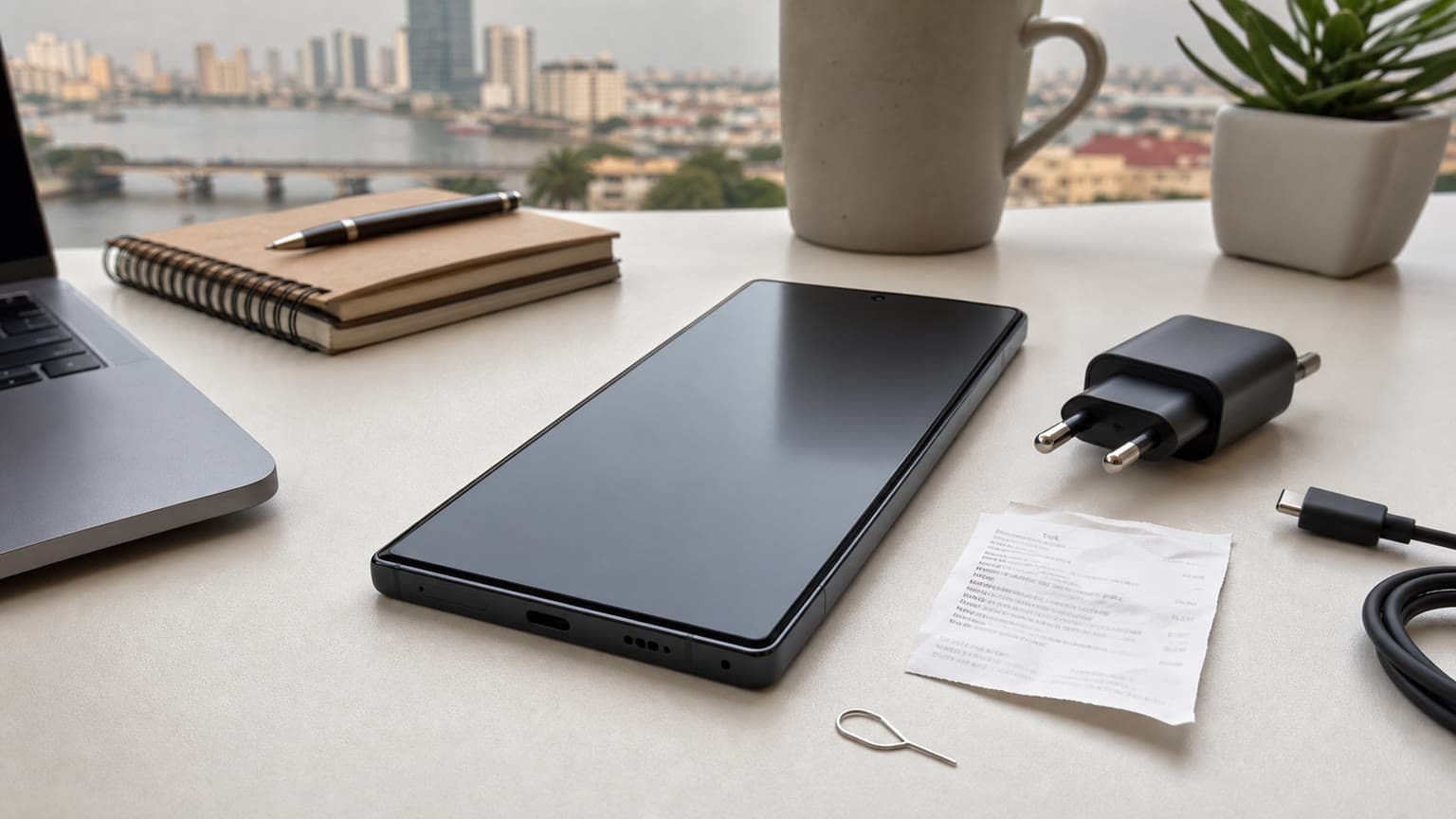
The Galaxy S24 is for someone who wants a high-end Samsung phone that can still be used comfortably with one hand. Its 6.2-inch screen is small by modern flagship standards, but it is not a weak screen: Samsung used a Dynamic AMOLED 2X panel with adaptive 1Hz to 120Hz refresh rate and up to 2600 nits peak brightness. That matters in Lagos, Abuja, Port Harcourt, or anywhere you often use your phone under harsh daylight.
It is also for buyers who want a phone that should age better than many older used Android flagships. Samsung launched the S24 series with seven generations of OS upgrades and seven years of security updates. Since the phone shipped with Android 14, its software support is a major reason it still belongs on a 2026 shortlist.
It is not the best fit if you watch movies for hours, edit video on-device, game heavily on mobile data, or want the most flexible zoom camera Samsung offers. Those users should look at a larger Galaxy model, including the S24 Ultra discussion in Ogabassey’s 2026 Galaxy S24 Ultra review.
Key Specs and Buying Context
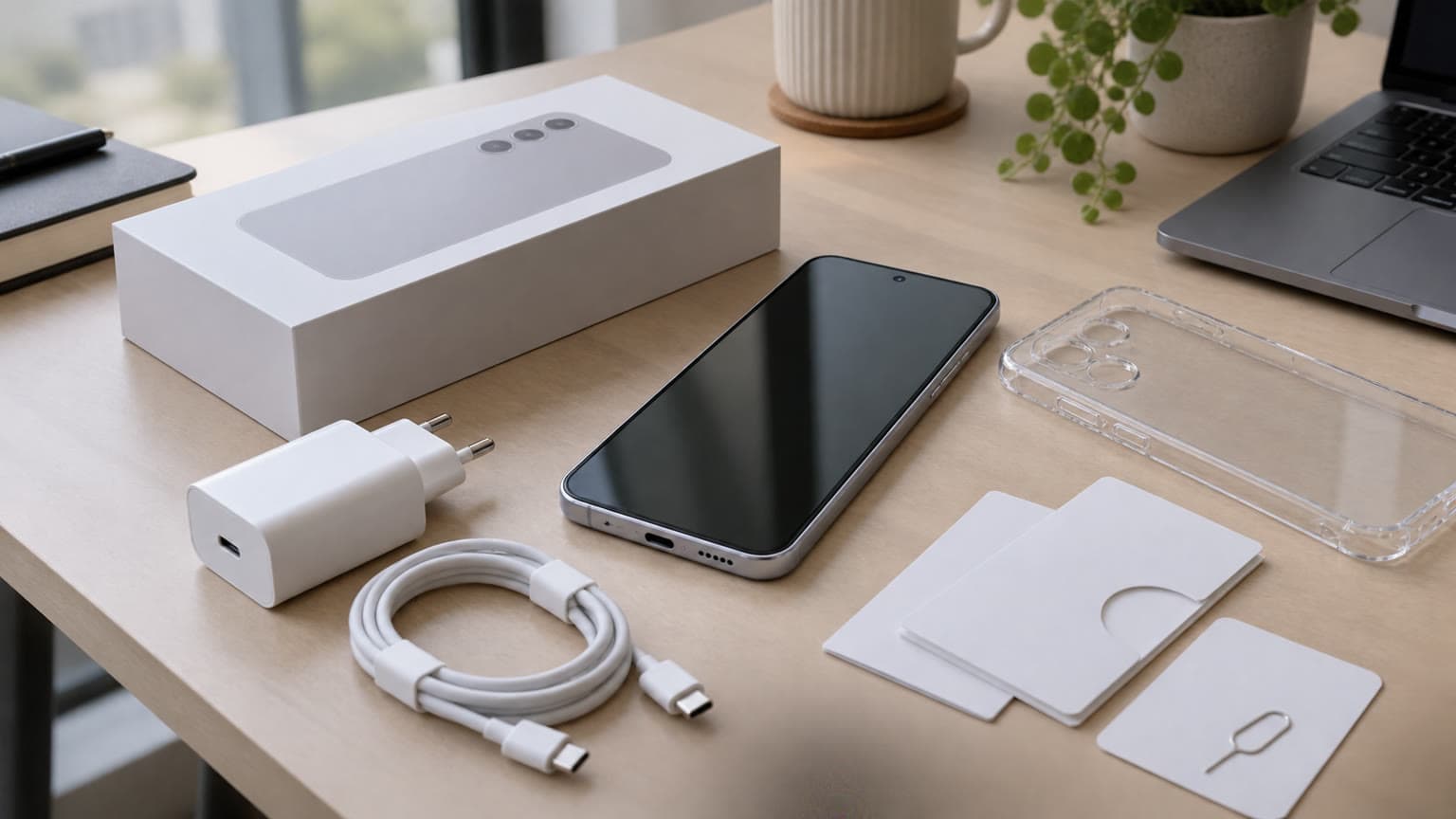
The regular S24 has a 6.2-inch FHD+ AMOLED display, 8GB RAM, 128GB or 256GB storage options, a 4000mAh battery, 25W wired charging, wireless charging, reverse wireless charging, IP68 dust and water resistance, stereo speakers, and an ultrasonic fingerprint scanner. Camera hardware is shared with the S24+: 50MP wide, 12MP ultrawide, 10MP 3x telephoto, and a 12MP selfie camera. Video support includes up to 8K at 30fps and 4K at up to 120fps on Samsung’s official business spec sheet.
Performance depends on region. Some markets received Snapdragon 8 Gen 3 for Galaxy, while many international units used Exynos 2400. Both are flagship-class chips, but imported units should be checked carefully because variant, network band support, warranty coverage, and resale value can differ. For Nigerian buyers, the practical advice is to confirm the exact model number, SIM status, 4G/5G band support, and whether the phone is factory unlocked before paying.
Storage is another 2026 decision point. The 128GB version is usable if you stream music, back up photos, and do not keep many offline videos. The 256GB version is the better long-term buy because the S24 has no microSD slot, camera files are large, and AI/photo editing workflows can fill storage faster than expected.
Size: The Real Advantage
The S24’s size is not a gimmick. Compared with the S24+ and S24 Ultra, it is easier to pocket, easier to grip in public transport, less tiring for long messaging sessions, and more manageable with a case. That everyday comfort is the main reason to choose it over a bigger flagship.
The trade-off is also real. The smaller display is less comfortable for split-screen work, spreadsheets, gaming controls, and long video sessions. The 4000mAh battery is good for light to moderate users, but heavy users should expect to charge every night and possibly top up before evening on busy 5G days. If battery life is your top priority, size really does matter, and bigger phones usually win.
Camera and Video: Better Than Most Compact Phones, Not Ultra-Level
The S24 camera system is more complete than many base-model phones because it includes a dedicated 3x telephoto lens. That gives it a practical advantage for portraits, events, product shots, and school or office moments where digital zoom from a basic wide camera would look rough.
The 50MP main camera is dependable in daylight and good indoors, with Samsung’s familiar punchy color processing. The ultrawide is useful but not class-leading, and the telephoto is strong at 3x but cannot match the S24 Ultra’s longer zoom reach. If your priority is social media photos, family pictures, receipts, documents, and everyday video, the S24 is enough. If your priority is concerts, distant subjects, or the most detailed zoom shots, buy the Ultra instead.
Battery, Charging, and Repair Reality
The S24’s 4000mAh battery is the main compromise of the compact body. The efficient display helps, and moderate users can get through a day, but this is not a two-day phone. Samsung’s 25W wired charging is reliable but conservative beside many Chinese Android phones. There is also no charger in the box, so budget for a proper USB-C PPS charger if the seller does not include one.
For used or open-box units, battery health matters more than the spec sheet. A two-year-old compact phone may still perform well but feel worse if the battery has been abused. Ask about battery replacement history, inspect the frame and display for repair signs, test charging, check wireless charging, test both cameras and speakers, and confirm that the fingerprint scanner works after any screen replacement. In Nigeria, repairability is decent because Samsung parts and technicians are common, but original display and battery parts are not cheap.
Galaxy AI and Software Support
Galaxy AI launched with the S24 series, and Samsung’s current support page still lists the S24 among compatible devices. Features can vary by model, region, app, language, software version, and internet connection, so do not buy the phone only because of one AI feature. Buy it because the core phone is good, then treat AI tools such as Circle to Search, Live Translate, Notes assistance, photo editing suggestions, and writing help as useful extras.
The longer update policy is more important than the AI branding. Security updates keep banking, payments, work apps, and resale value healthier for longer. That makes the S24 a stronger used buy than many older discounted flagships with shorter remaining support.
Price, Availability, and Warranty Checks
Ogabassey catalog availability can change, so check the current product page before deciding. If the S24 is out of stock, use the Ogabassey smartphones catalog to compare current Samsung, iPhone, Tecno, Infinix, Xiaomi, and Pixel options in the same budget band.
For value, do not judge only by the headline price. A cheaper S24 with weak battery life, no warranty, unknown repair history, or a locked carrier profile may cost more in the long run than a cleaner, slightly more expensive unit. Prefer units with clear storage/RAM labeling, original IMEI status, no display lines, no camera fog, working SIM and eSIM where applicable, and a seller-backed return window.
Alternatives Worth Comparing
If you want iOS, stronger resale value, and Apple ecosystem features, compare the S24 with the iPhone 15. The iPhone 15 is simpler to use and has strong video quality, but it lacks a high-refresh display and a dedicated 3x telephoto camera.
If you want a smaller premium phone with a stronger camera identity and iOS Pro features, the iPhone 15 Pro is the more direct rival. It is usually more expensive, but buyers already using Mac, iPad, AirPods, iMessage, or FaceTime may prefer the ecosystem.
If you want a Samsung but worry about size, read Ogabassey’s earlier Galaxy S24 launch coverage for the original series context, then compare current prices. If you want a newer slim-phone conversation, the Galaxy S25 Edge article is useful because it shows how Samsung’s compact and thin-phone priorities have evolved.
Final Verdict
The Samsung Galaxy S24 proves that size still matters, but not in the way spec sheets suggest. Bigger phones win on battery, display space, and zoom hardware. The S24 wins on comfort, pocketability, flagship polish, and long-term software confidence.
In 2026, buy it if you want a compact Samsung flagship and the price is clearly below newer Galaxy models. Skip it if the price is too close to a newer S-series phone, if the battery condition is questionable, or if your daily use demands a large screen and maximum battery life.
Sources