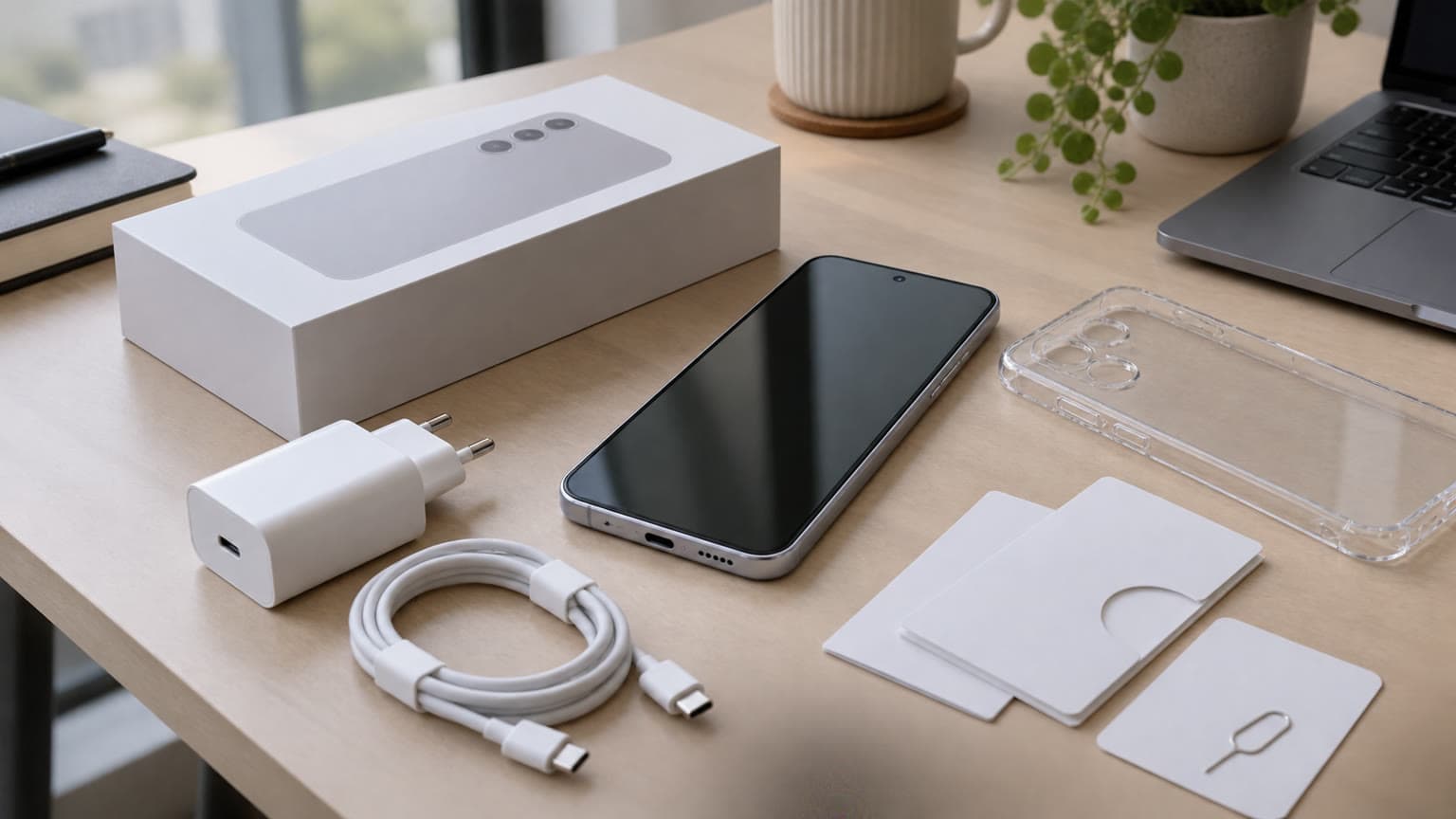
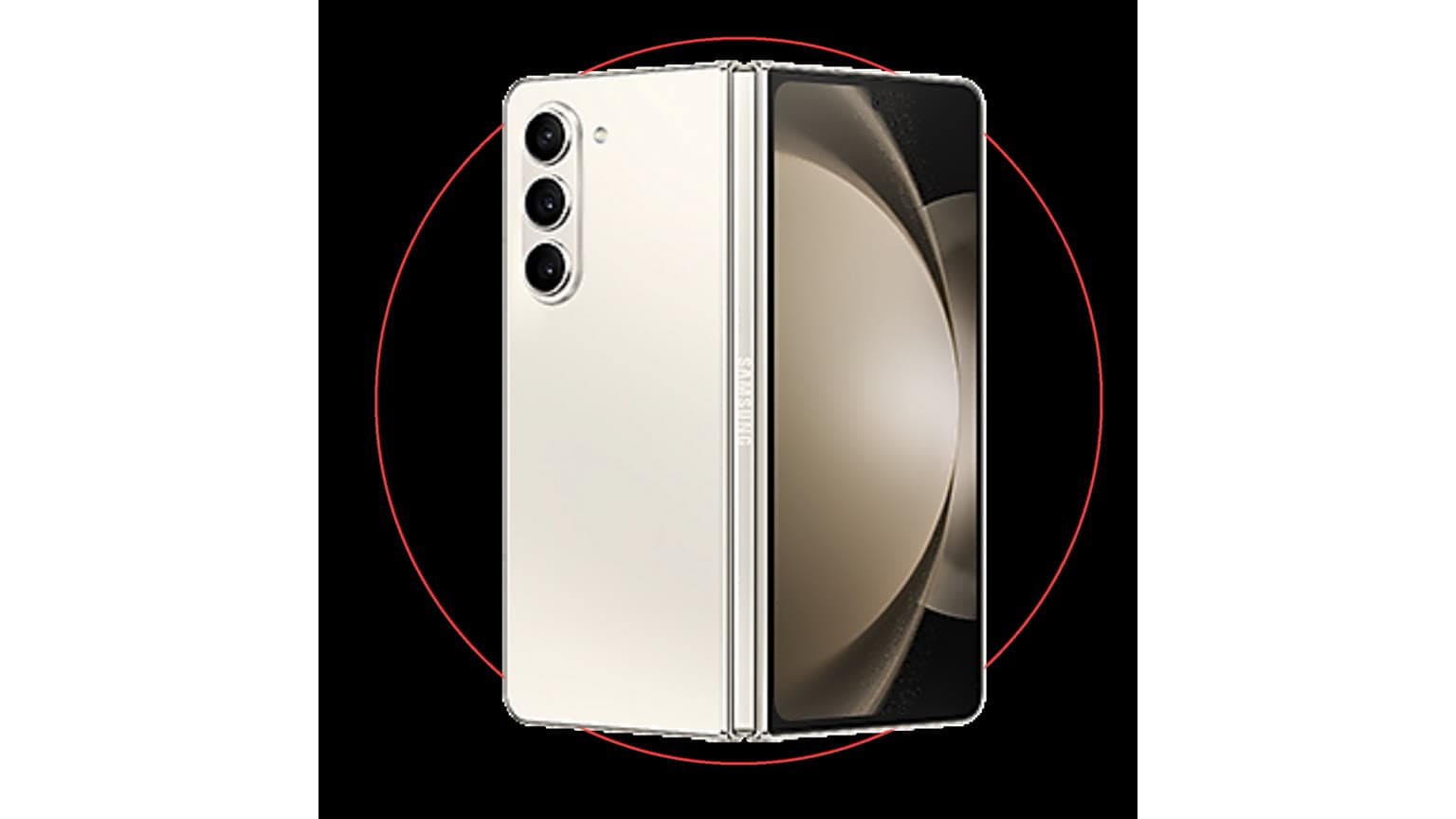
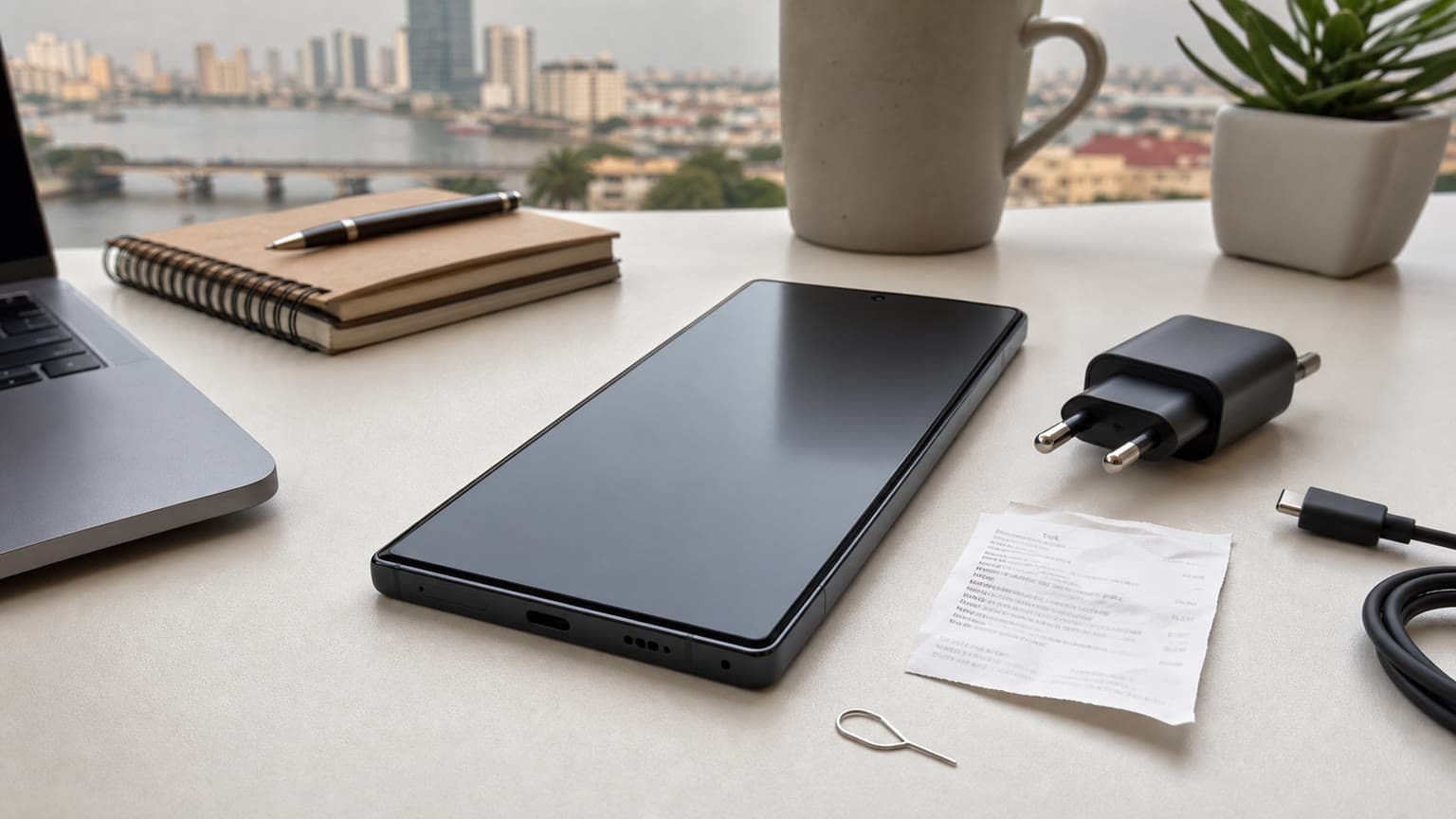
The Samsung Galaxy S25+ is still the quietest member of the S25 family, but that is exactly why it matters. It is the model for buyers who want the large QHD+ screen, stronger battery life, 45W wired charging, 12GB of RAM, and seven-generation software promise without paying Ultra money or carrying Samsung's biggest phone.
As of May 2026, the S25+ is no longer Samsung's newest Plus model, so the buying decision has changed. The question is less "is this the latest Galaxy?" and more "is this the better-value large Samsung flagship if the price is right?" If you can find it new, carrier-discounted, or certified refurbished with a clean warranty, the answer is often yes. If the price is close to the newer S26+ or you need Samsung's best camera hardware, you should compare carefully before buying.
Who the Galaxy S25+ is for
The Galaxy S25+ makes the most sense for people who want a premium Samsung phone that feels balanced rather than extreme. It is easier to justify than the Ultra if you do not need an S Pen, 5x telephoto camera, or the largest display Samsung sells. It is also more comfortable than the Ultra for many hands because it is thinner and lighter, while still offering a 6.7-inch screen for streaming, maps, documents, and split-screen work.
It is also the stronger pick over the standard Samsung Galaxy S25 if you care about screen size, QHD+ resolution, battery capacity, 45W charging, and 256GB base storage. The regular S25 is easier to pocket and usually cheaper, but the S25+ gives you the better long-term daily-driver setup if you use your phone heavily.
Key specs and 2026 buying context
The core hardware remains competitive in 2026. Samsung lists the S25+ with a 6.7-inch Dynamic AMOLED 2X display, 3120 x 1440 Quad HD+ resolution, and up to 120Hz refresh rate. The phone uses Qualcomm's Snapdragon 8 Elite for Galaxy platform with 12GB of RAM, and storage options commonly start at 256GB with a 512GB step-up. There is no microSD slot, so buyers who keep years of video, offline media, and large games should avoid underbuying storage.
The battery is 4,900mAh, which is close to the Ultra's capacity and meaningfully larger than the standard S25. Samsung's official spec sheet lists up to 30 hours of video playback, but real-world endurance depends on brightness, 5G signal, camera use, gaming, and whether you run the screen at QHD+. Independent testing broadly supports the idea that the S25+ is a strong all-day phone, especially for browsing and gaming, though it is not a class leader for charging speed.
Charging is one of the practical advantages over the regular S25. The S25+ supports 45W wired charging, 15W wireless charging, and reverse wireless charging for small accessories. You still need the right USB-C charger and cable to reach the faster wired speeds, and Samsung does not turn this into a true fast-charging monster like some Chinese flagships. For most buyers, the win is convenience: a short top-up before leaving home is useful, even if a full charge still takes around an hour in many tests.
Software support and AI features
The S25+ launched with Android 15 and One UI 7, and Samsung committed the S25 series to seven generations of OS upgrades and seven years of security updates from launch. That long runway is one of the best reasons to buy the phone in 2026 instead of an older bargain flagship. You are not just buying today's specs; you are buying a device that should continue receiving major Android and security updates deep into the next decade.
The AI features are useful when they reduce friction, but they should not be the only reason you buy the phone. Circle to Search, Gemini integration, writing tools, call and transcript summaries where available, Now Brief-style contextual information, and cross-app actions can save time. They are best treated as workflow helpers rather than magic. Some features depend on region, language, app support, Samsung account settings, Google services, and future Galaxy AI terms, so check the exact feature list in your market before paying extra for AI promises.
Camera: good, but not the reason to skip Ultra
The rear camera system is familiar: a 50MP wide camera, 10MP 3x telephoto, and 12MP ultrawide, plus a 12MP selfie camera with autofocus. That setup is dependable for daylight photos, portraits, social video, scanning documents, and family use. The 3x optical telephoto remains much more useful than digital-only zoom on cheaper phones, and Samsung's video stabilization is still a strength.
The trade-off is that the S25+ does not get the Ultra's most flexible zoom hardware. If you take a lot of concert, sports, wildlife, or travel zoom shots, the Ultra remains the safer Galaxy choice. Reviewers also found that Samsung's more natural processing on the S25+ can look less aggressively sharp than previous models. That is not necessarily bad, but buyers upgrading from an older Samsung may notice a different look.
Price, availability, warranty, and value
The Galaxy S25+ launched at $999.99 in the US for 256GB, with a 512GB option above it. In 2026, that launch price should be treated as context, not the automatic amount to pay. The phone's value is strongest when it is discounted well below its original MSRP, bundled through a carrier promotion, or sold as a clean refurbished or certified renewed unit with a real warranty.
For Ogabassey shoppers, the most important buying step is to confirm current stock, variant, network compatibility, and warranty status before checkout. Some listings may be carrier models, regional imports, or open-box units. Ask whether the phone is factory unlocked, whether it supports your carrier's 5G bands, whether the IMEI is clean, and whether the warranty starts from your purchase date or from the device's original activation date. Samsung's standard US mobile warranty is typically one year, but seller warranty, import status, and refurbished condition can change the practical support experience.
If the S25+ listing you find is only slightly cheaper than a newer S26+, the newer phone may be the better buy for longer support runway and newer hardware. If it is much cheaper than the S26+ and comes with warranty confidence, the S25+ becomes one of the more sensible large-screen Samsung flagships to buy in 2026.
Trade-offs to know before buying
The S25+ does not have expandable storage, a headphone jack, or the Ultra's S Pen. The camera hardware is good but conservative. Charging is useful at 45W, but rivals can charge faster. Galaxy AI features can vary by market and may change over time. And because this is now a previous-generation flagship, availability may be inconsistent across colors, storage sizes, and sellers.
Those trade-offs are manageable if you are buying for the phone's actual strengths: display quality, performance, battery, Samsung ecosystem features, long software support, DeX, reliable video, and broad accessory availability. They matter more if you are comparing it against camera-first flagships or newer models at similar prices.
Alternatives worth comparing
Start with the standard Galaxy S25 review if you want a smaller phone and can accept the smaller battery, lower starting storage in some markets, and slower 25W charging. The regular S25 is the better one-hand phone; the S25+ is the better media and productivity phone.
Compare against Galaxy S25 Ultra-class flagships if camera zoom, stylus support, and maximum Samsung hardware matter. The Ultra costs more and feels larger, but it is the model for buyers who actually use the extra camera range.
The Galaxy S25 FE is the value alternative if price matters more than having the sharper QHD+ panel, flagship chip, and premium build. It is not the same tier, but it may be enough for buyers who mainly want Samsung software, a large screen, and long support at a lower price.
Finally, compare the Galaxy S26+ if your budget reaches newer flagship pricing. The S26+ is the cleaner buy when price differences are small. The S25+ is the smarter buy when the discount is meaningful.
Verdict
The Samsung Galaxy S25+ still gets the middle-child formula right because it gives you the parts most people actually feel every day: a large sharp display, fast performance, strong battery life, premium build, useful Samsung ecosystem features, and a long update promise. It is not the most exciting Galaxy and it is not the best camera phone Samsung made, but it remains a very complete flagship.
Buy it in 2026 if you find a well-priced, warranty-backed unit and want a large Samsung phone without Ultra size or Ultra cost. Skip it if the price is too close to the S26+, if you need the best zoom camera, or if you prefer a compact phone. The S25+ is best when bought as a value flagship, not as a full-price status upgrade.
Sources