Bolakale is a Content Writer at Ogabassey with over five years of experience creating clear, practical content for online shoppers. He specialises in product reviews, buying guides, and how-to explainers across consumer electronics and gadgets, translating technical specifications into plain-language advice. His writing helps Nigerian buyers compare options and choose the right products with confidence.
If you are still using an iPhone XR in 2026, the question is no longer whether it was a good purchase. It was. The better question is whether it still deserves to be your main phone now that Apple has moved the XR, XS, and XS Max out of the current iOS generation.
The important update is this: Apple’s current iPhone software support has moved on from the iPhone XR. That does not instantly make the XR useless, but it changes the risk calculation for banking apps, work accounts, two-factor authentication, resale value, battery replacement decisions, and how long you can comfortably keep using it as a daily phone.
This guide keeps the focus narrow: if you own an iPhone XR and want to upgrade without wasting money, here is how to think about the best replacement in 2026, what to check before buying used or refurbished, and when it still makes sense to hold onto the XR as a backup.
Quick Verdict
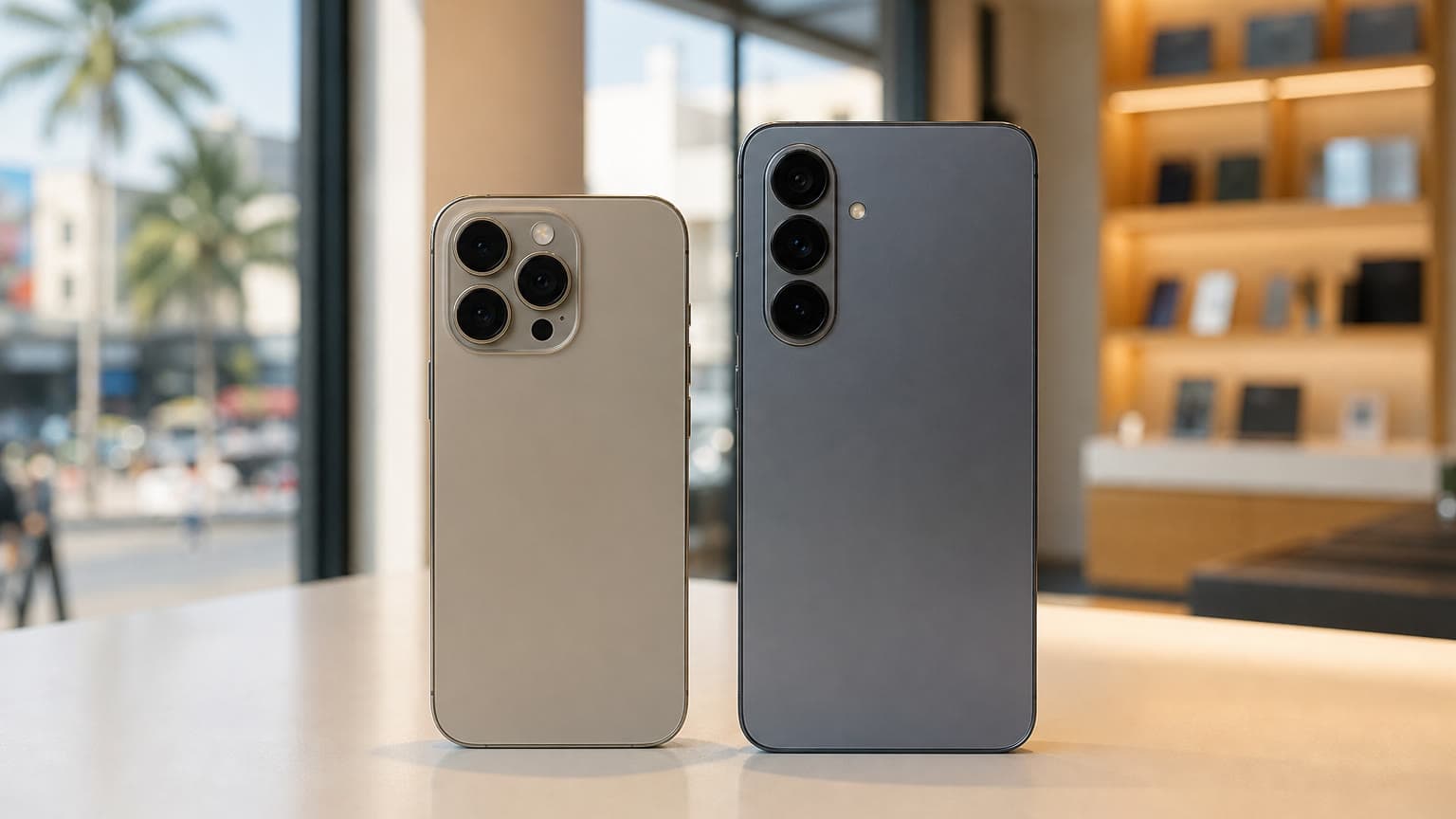
Most iPhone XR owners should move to at least an iPhone 15 or iPhone 16e if they want a noticeable upgrade that still feels good value in 2026. The iPhone 15 is the balanced pick because it adds USB-C, Dynamic Island, a brighter OLED display, and a much better 48MP main camera. The iPhone 16e is the cleaner budget-new option if you want Apple Intelligence support, strong battery life, and a modern chip without paying Pro prices.
If you want the biggest jump and expect to keep your next phone for years, compare the latest iPhone 16 and iPhone 17 family pricing before buying. If the price gap is small, the newer model may be the better long-term buy. If your budget is tighter, a well-checked iPhone 13 or iPhone 14 can still be a practical step up from the XR, but buy one mainly when the condition, warranty, and battery health are strong.
Who This Upgrade Guide Is For
This article is for people who already own an iPhone XR, like the size and simplicity of it, and want a replacement that feels familiar rather than flashy. It is also for shoppers considering a used iPhone XR because the price looks tempting. In 2026, the XR can still work for calls, messaging, photos, music, and light apps, but it should be treated as an older device with a shorter remaining runway.
If you are buying for a student, a parent, a backup line, or a second device, the XR may still be acceptable at the right price. If it will be your main phone for payments, banking, business communication, travel, content creation, or heavy social use, it is time to move to something newer.
Why the iPhone XR Feels Old in 2026
The iPhone XR launched in 2018 with the A12 Bionic chip, Face ID, a 6.1-inch Liquid Retina LCD display, a single 12MP rear camera, Lightning charging, and a colorful design that made it one of Apple’s most popular value iPhones. Those strengths still explain why many people kept it for so long.
The weak points are now harder to ignore. Apple’s current iOS compatibility excludes the XR, which means it is outside the main feature path. Its LCD display is not as sharp or contrast-rich as modern OLED iPhones. The single rear camera lacks newer computational photography improvements, ultrawide flexibility, Cinematic mode, and stronger night performance. Battery health is also a real issue: many XR units in 2026 are on their original battery or a low-quality replacement.
There is also a connector issue. Apple’s newer mainstream iPhones have moved to USB-C, while the XR still uses Lightning. If your household is already moving laptops, tablets, headphones, and newer phones to USB-C, staying on Lightning keeps one extra cable standard alive.
Key Specs and Buying Context
The XR still gives you Face ID, a comfortable 6.1-inch size, wireless charging, IP67 water resistance when seals are intact, and enough performance for everyday basics. But when you compare it with current upgrade choices, the gaps are practical rather than cosmetic.
Software support: the XR is no longer part of Apple’s current iOS generation, so avoid paying a premium for one as a main phone.
Battery: if battery health is below 80%, budget for a replacement or avoid the unit unless the price is very low.
Display: modern OLED iPhones give better contrast, brightness, and outdoor visibility.
Camera: an iPhone 13 or newer gives a much more reliable camera experience, especially indoors and at night.
Charging and accessories: Lightning accessories still work with the XR, but USB-C is now the better long-term direction.
Resale value: each year outside current iOS support makes the XR harder to resell at a strong price.
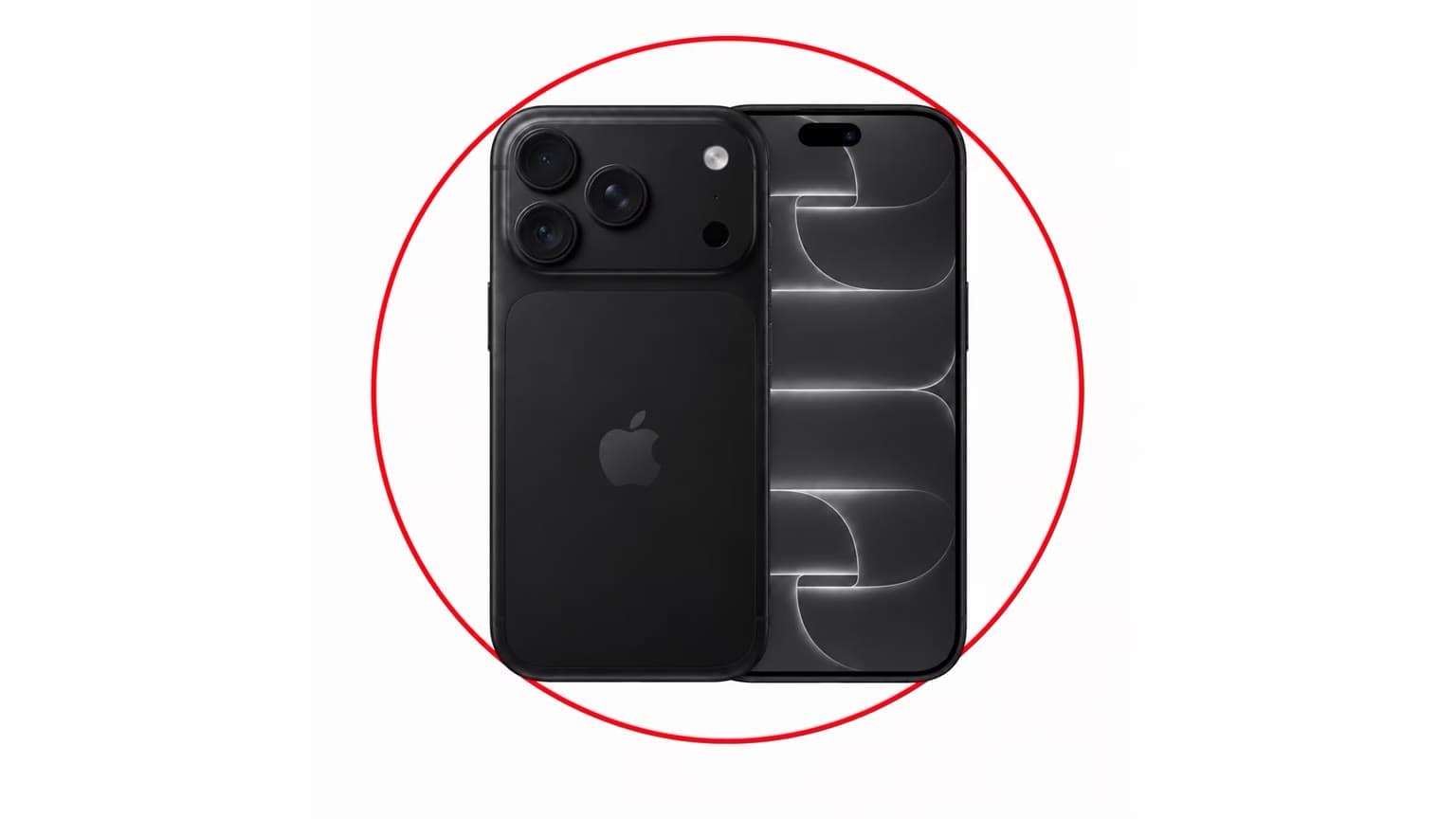
Use the XR upgrade decision path to separate backup-phone use from main-phone replacement needs.
Best iPhone XR Upgrade Options in 2026
iPhone 13: The Cheapest Sensible Upgrade
The iPhone 13 is a strong budget upgrade if you find one in excellent condition. It brings the A15 Bionic chip, OLED display, better battery life, 5G, MagSafe support, and a dual-camera system with ultrawide shooting. Compared with the XR, the display alone makes the phone feel far more modern.
The trade-off is age. In 2026, the iPhone 13 is no longer a fresh device, so condition matters more than the model name. Prioritize battery health, display originality, Face ID status, storage capacity, and warranty coverage. For a used-iPhone checklist before paying, read Ogabassey’s used iPhone buying checklist.
iPhone 14 or 14 Plus: Better for Battery and Big Screens
The iPhone 14 is a moderate step above the iPhone 13, while the iPhone 14 Plus is more interesting for XR owners who want longer battery life and a larger screen without buying a Pro Max. You still get Lightning rather than USB-C, so this is best when the price is clearly lower than an iPhone 15 or newer.
Choose the iPhone 14 Plus if battery life and screen size are your top priorities. Skip it if you specifically want USB-C, Dynamic Island, or the newest Apple Intelligence features.
iPhone 15: The Balanced Modern Choice
The iPhone 15 is one of the cleanest upgrades from the XR because it changes the parts you will notice every day: USB-C, Dynamic Island, a brighter OLED display, 48MP main camera, better low-light photography, 5G, and a faster A16 Bionic chip. It also avoids the cost of the newest Pro models while feeling current enough for most users.
If you are upgrading because the XR is aging but you do not need a premium camera system, the iPhone 15 is likely the sweet spot. It also pairs well with newer USB-C chargers, power banks, and accessories from the Ogabassey accessories collection.
iPhone 16e: The Best New Budget-Style iPhone for XR Fans
The iPhone 16e is the closest spiritual successor to the XR for many buyers: simpler than the flagship models, modern inside, and designed for people who want a new iPhone without paying Pro pricing. Apple positions it around the A18 chip, Apple Intelligence support, a 48MP Fusion camera system, USB-C, and long battery life.
It is not a perfect one-for-one XR replacement. You should check accessory compatibility carefully because newer iPhones have changed connector and case ecosystems. Also compare the 16e against discounted iPhone 15 and iPhone 16 pricing. If a standard iPhone 16 is only slightly more expensive where you shop, it may offer better camera and feature value.
iPhone 16, 16 Pro, or Newer: For Long-Term Buyers
If you want to keep your next phone as long as you kept the XR, the iPhone 16 series or newer deserves a serious look. The standard iPhone 16 brings a stronger modern feature set than the 15, while Pro models are for buyers who care about camera controls, telephoto reach, higher-end displays, and heavier creative work.
Most XR owners do not need a Pro model. Buy Pro only if you shoot lots of video, need advanced photography flexibility, want the best display experience, or use your phone for business workflows where speed and camera quality save real time.
Comparison: What Changes When You Leave the XR?
Option
Best For
Main Upgrade Over XR
Watch Out For
iPhone 13
Lowest sensible budget
OLED, 5G, dual cameras, MagSafe
Used condition and battery health
iPhone 14 Plus
Big screen and battery
Larger OLED display and longer battery life
Still uses Lightning
iPhone 15
Best balance
USB-C, Dynamic Island, 48MP camera
May be close in price to newer models
iPhone 16e
New-value buyer
A18 performance, Apple Intelligence, USB-C
Compare carefully with iPhone 15 and 16 deals
iPhone 16 Pro or newer
Creators and long-term power users
Best cameras, stronger display, premium features
Higher price than most XR owners need
The best XR replacement depends on budget, battery expectations, camera needs, and how long you plan to keep the next phone.
Should You Still Buy an iPhone XR in 2026?
Only buy an XR in 2026 if the price is low, the condition is clearly documented, and you understand the software-support limit. It can be a fine backup phone, child’s first iPhone, spare camera, music player, WhatsApp device, or temporary replacement. It is not the best choice for someone who wants a secure main phone for the next several years.
If you are considering the Ogabassey iPhone XR product page, treat availability as variable because used and refurbished stock changes quickly. Check the listed condition, storage, warranty or return terms, battery details, and whether accessories are included before making a decision.
What to Do Before Selling or Trading Your XR
Back up your data: use iCloud, Finder on Mac, or Apple Devices on Windows before wiping anything.
Transfer authentication apps: banking, work, and two-factor apps may need manual migration.
Unpair your Apple Watch: do this before erasing the phone so your watch backup is saved properly.
Sign out of iCloud and Find My: Activation Lock must be removed before resale or trade-in.
Erase all content and settings: wipe the phone only after you have confirmed the backup works.
Document condition: take photos of the screen, frame, camera, battery health, and storage screen before selling.
If the phone is cracked, has poor battery health, or has Face ID problems, resale value will drop. In that case, repurposing it at home may be more useful than selling it cheaply.
Trade-Offs to Think About Before Upgrading
The biggest trade-off is cost. A newer iPhone gives you a better camera, longer software runway, USB-C, stronger battery life, and better app compatibility, but you may also need a new case, charging cable, screen protector, and possibly different car or audio accessories.
Storage is another common mistake. Many XR owners are used to managing 64GB phones, but in 2026 that can feel tight if you shoot video, keep WhatsApp media, download streaming content, or use large apps. If the price difference is manageable, 128GB should be the practical floor for most buyers.
Warranty and returns matter more than a small discount. A cheaper used iPhone with weak battery health, unknown repair history, or no return option can become more expensive than a cleaner unit with transparent condition notes.
FAQ
Is the iPhone XR still good in 2026?
It is still usable for basic tasks, but it is no longer a strong main-phone recommendation. The software-support situation, battery age, older camera, Lightning connector, and resale decline make a newer iPhone a better long-term choice for most people.
What is the best upgrade from iPhone XR?
The iPhone 15 is the best balanced upgrade for most XR owners because it adds USB-C, Dynamic Island, OLED, 5G, and a 48MP main camera without forcing Pro pricing. The iPhone 16e is a better fit if you specifically want a new lower-cost iPhone with Apple Intelligence support.
Should I replace the iPhone XR battery or buy a new phone?
Replace the battery only if the phone is otherwise in excellent condition and you plan to use it as a backup or light-use device. If you need a secure daily phone for banking, travel, work, or several more years of use, put that money toward an upgrade.
Is a used iPhone 13 better than an iPhone XR?
Yes, if the iPhone 13 is in good condition. It gives you a better OLED display, newer chip, 5G, MagSafe, better cameras, and a more modern experience. Avoid units with poor battery health, repaired Face ID issues, unknown parts warnings, or no return option.
Final Verdict
The iPhone XR earned its reputation because it delivered the right mix of price, battery life, design, and performance. In 2026, its role has changed. It is still a useful spare phone, but it is no longer the value champion for a main device.
For most people moving on from the XR, start your comparison with the iPhone 15 and iPhone 16e. Choose the iPhone 13 or 14 only when the price and condition are genuinely strong. Move to the iPhone 16 series, Pro models, or newer options when you want the longest support runway, better cameras, and the best chance of keeping your next phone for as many years as you kept the XR.
Catalog-linked prices update automatically. Historical and other quoted prices remain as written. Open the product page to confirm the current price, selected variant and availability before buying.