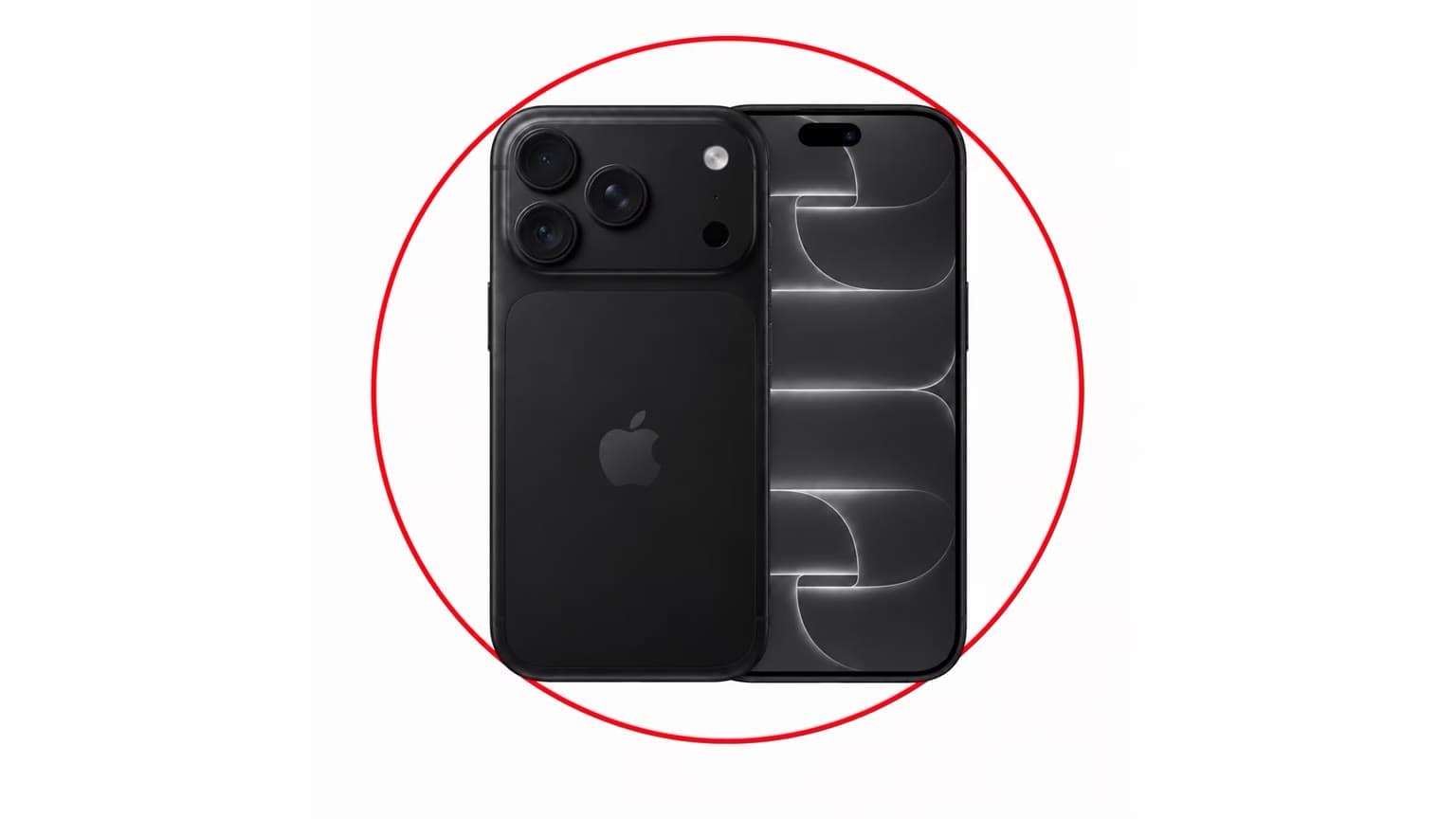
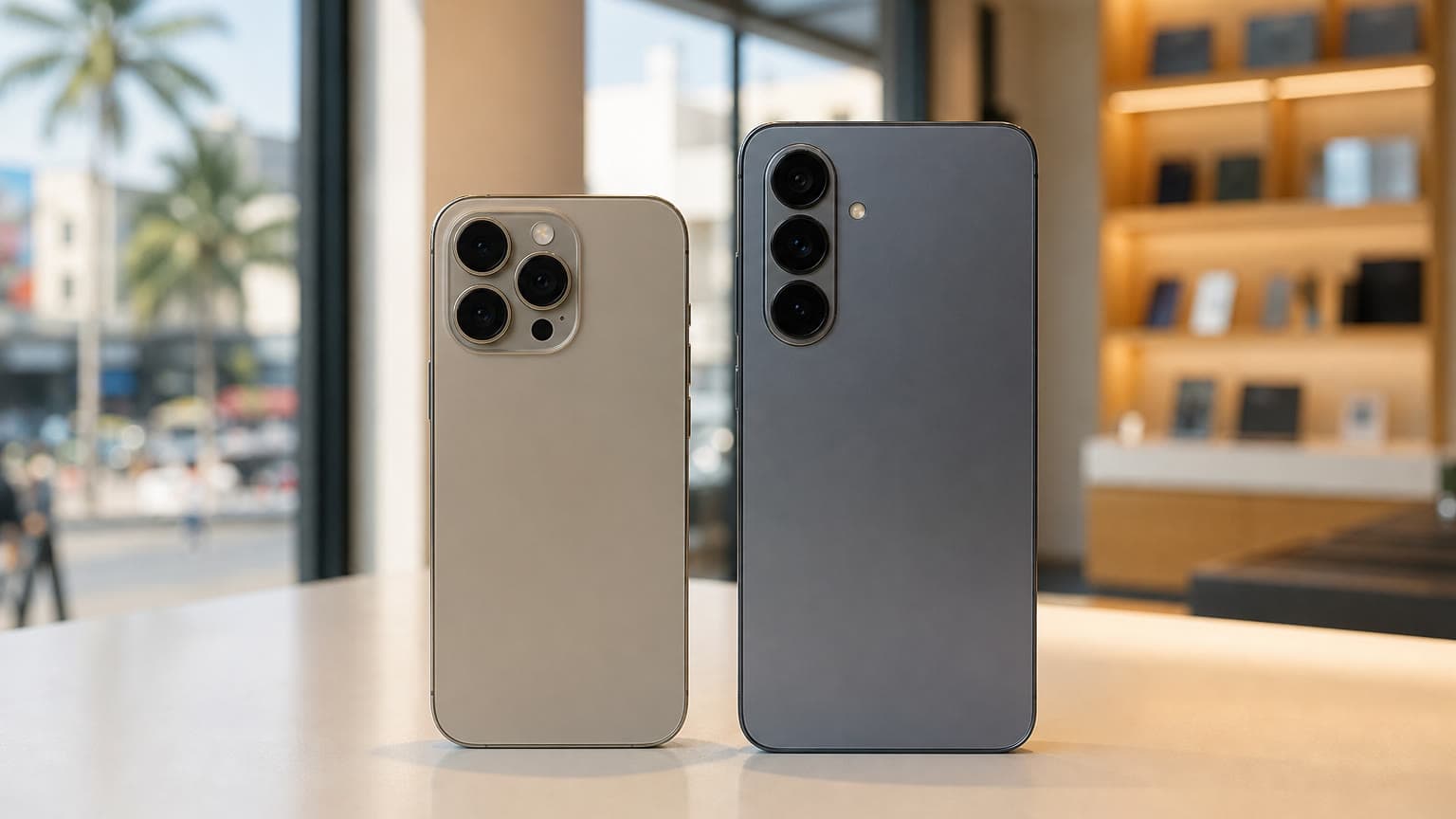
Apple's iPhone 16e started as the more affordable entry into the iPhone 16 family, but in 2026 it needs a more practical buyer's-eye explanation than a launch recap. The headline is still strong: A18 performance, Apple Intelligence support, USB-C, a 48MP Fusion camera, Face ID, an Action button, and Apple's first C1 cellular modem in a 6.1-inch iPhone body. The catch is just as important: no MagSafe, no ultra-wide camera, no Dynamic Island, no Camera Control, a 60Hz display, and a narrower set of finishes than the standard iPhone 16.
That makes the iPhone 16e a good fit for buyers who want a modern iPhone that should stay supported for years, but not necessarily the automatic best value for everyone. If you take a lot of group photos, rely on MagSafe accessories, or want the more complete iPhone 16 experience, the iPhone 16 is the cleaner upgrade. If price is the only priority and Apple Intelligence is not important to you, a carefully checked iPhone 14 can still make sense.
Quick verdict: buy the iPhone 16e if you want Apple's current AI-capable iPhone basics at the lowest practical entry point. Skip it if your budget can stretch to the iPhone 16, or if a used/refurbished older iPhone with better camera versatility is available at a much lower price.
What the iPhone 16e Actually Brings
The iPhone 16e is not just an iPhone SE replacement with a new name. It moves Apple's lower-cost iPhone away from the small Touch ID design and into a modern Face ID body with a 6.1-inch Super Retina XDR OLED display. Apple's current technical page lists a 2532-by-1170 resolution at 460 ppi, 800 nits typical brightness, and 1200 nits peak HDR brightness. It is still a 60Hz panel, so scrolling and gaming will not feel as fluid as on ProMotion iPhones, but the OLED quality is a major step up for anyone coming from an older LCD iPhone.
Performance is the safest part of the phone. The A18 chip has a 6-core CPU, 4-core GPU, and 16-core Neural Engine, which gives the 16e enough headroom for everyday multitasking, mobile games, video editing, and Apple Intelligence features. The standard iPhone 16 has the stronger 5-core GPU version of A18, so gamers and heavy creators should keep that in mind, but the 16e is not a slow budget phone.
The other major change is Apple's C1 modem. It is Apple's first in-house iPhone cellular modem and supports sub-6GHz 5G, LTE, Wi-Fi 6, Bluetooth 5.3, NFC, dual SIM with nano-SIM and eSIM, and dual eSIM support. For Nigeria and other import-heavy markets, the practical advice is simple: confirm the exact model, carrier support, eSIM restrictions, and warranty route before buying, especially if the unit is imported from another region.
Key Specs and Buying Context
| Area | iPhone 16e context |
|---|
| Chip | A18 with 6-core CPU, 4-core GPU, 16-core Neural Engine |
| Display | 6.1-inch OLED, 60Hz, 1200 nits peak HDR |
| Rear camera | 48MP Fusion main camera with 2x optical-quality crop; no ultra-wide lens |
| Front camera | 12MP TrueDepth camera with autofocus |
| Charging | USB-C, fast charge to around 50% in 30 minutes with a 20W adapter or higher; Qi wireless charging supported |
| Missing features | No MagSafe, no Camera Control, no Dynamic Island, no ultra-wide camera |
| Storage | 128GB, 256GB, and 512GB configurations |
| Finishes | Black and white |
In value terms, the 128GB model is the one most buyers should consider first. Move to 256GB if you record a lot of 4K video, keep years of WhatsApp media offline, or plan to use the phone for four years or more. The 512GB version is harder to recommend unless the price gap is unusually small, because that money often puts you near a better iPhone model.
Camera: Strong Main Sensor, Clear Limits
The 48MP Fusion camera is the iPhone 16e's best argument against older basic iPhones. It can shoot high-resolution images and uses the center of the sensor for a 12MP 2x telephoto-style crop. For portraits, food photos, products, social content, and everyday outdoor shots, that is enough for many users.
The missing ultra-wide camera is the trade-off that matters most. You lose the 0.5x perspective for tight indoor spaces, large groups, architecture, car interiors, and travel scenes. If those shots matter, the standard iPhone 16 is a better long-term buy. If you mostly shoot people, documents, products, and regular 1x photos, the 16e's single rear camera is less of a problem.
Battery, Charging, and Accessories
Apple rates the iPhone 16e for up to 26 hours of video playback and up to 90 hours of audio playback, with fast charging available through USB-C when paired with a suitable 20W or higher adapter. Independent testing from major reviewers found the battery performance competitive with the iPhone 16, which supports Apple's claim that efficiency is one of the phone's strengths.
Accessory compatibility needs attention. The 16e has wireless charging, but it does not support MagSafe. That means existing magnetic stands, wallets, power banks, and car mounts may not attach or align unless you use a case with built-in magnets. Also, standard iPhone 16 cases are not a perfect assumption because the camera layout and button arrangement differ. Buy a case specifically made for iPhone 16e.
Who This Is For
The iPhone 16e is for people upgrading from an iPhone 11, iPhone XR, iPhone SE, or older Android phone who want a current-feeling iPhone without paying flagship money. It is especially sensible if you care about battery life, USB-C, Face ID, long software support, and Apple Intelligence more than camera variety.
It also suits business users who need a simple, durable iPhone for calls, email, banking apps, WhatsApp, Apple Pay where supported, hotspot use, and occasional photos. The Action button is useful for quickly opening the camera, flashlight, voice memo, translate, magnifier, or shortcuts.
It is not the best fit for creators who shoot wide video, mobile gamers who care about every frame, buyers deeply invested in MagSafe accessories, or anyone who dislikes the older notch design. Those buyers should compare against the iPhone 16 before deciding.
Alternatives Worth Comparing
iPhone 16: the best step-up choice. It adds a more complete camera system, Dynamic Island, Camera Control, MagSafe, and stronger graphics. Ogabassey's dedicated iPhone 16 vs iPhone 16e comparison is the better internal read if you are choosing strictly between the two.
iPhone 14: the cheaper Apple alternative when available in good condition. It lacks Apple Intelligence support and uses older hardware, but it still has a familiar iPhone experience and may be attractive if the price difference is large. Check battery health, region, repair history, Face ID, True Tone, and warranty status before choosing it over the 16e.
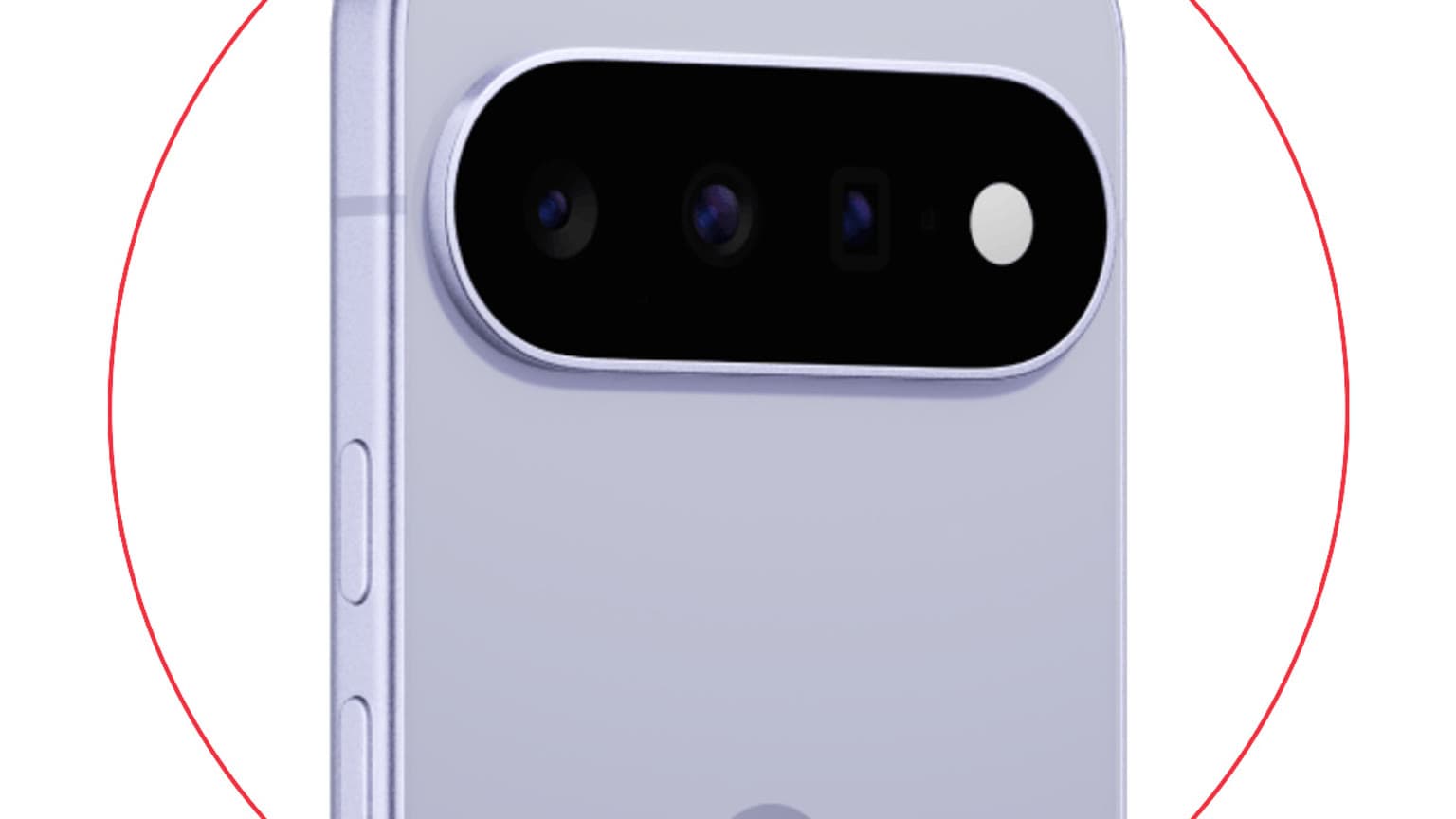
Google Pixel 9a: the Android alternative for buyers who care about computational photography and Google features. Ogabassey's Pixel 9a comparison is useful if you are open to leaving iOS.
iPhone 17e: if available in your market, compare it before buying the 16e at a high price. The related Ogabassey article on iPhone 17e should be treated as the newer-candidate read, while this article remains focused on whether the iPhone 16e still makes sense.
Availability, Warranty, and Price Checks
The linked Ogabassey product targets for the iPhone 16e, iPhone 16, and iPhone 14 currently show no stock in the enrichment data, so this article should not imply immediate availability. Before checkout, confirm live stock, storage size, color, network region, included accessories, warranty coverage, return window, and whether the device is new, open-box, used, or refurbished.
For value, avoid judging the iPhone 16e only by launch price. In 2026, the right buying decision depends on the live gap between the 16e, iPhone 16, used iPhone 14/15 options, and newer entry iPhones. A small price gap favors the iPhone 16. A large discount favors the 16e. A very cheap iPhone 14 only makes sense if you accept losing Apple Intelligence and a newer support runway.
Final Verdict
The iPhone 16e is a strong practical iPhone, not a perfect bargain. Its strengths are A18 speed, Apple Intelligence support, USB-C, better battery life, a sharp OLED display, Face ID, and a capable 48MP main camera. Its weaknesses are the missing ultra-wide camera, missing MagSafe, older notch design, 60Hz refresh rate, and limited color choice.
For most Ogabassey buyers, the decision is price-sensitive: choose the iPhone 16e when it is meaningfully cheaper than the iPhone 16 and you can live with one rear camera. Choose the iPhone 16 when the price gap is small or you want the better all-round iPhone. Consider the iPhone 14 only when budget matters more than AI features and long-term headroom.
Sources