Bolakale is a Content Writer at Ogabassey with over five years of experience creating clear, practical content for online shoppers. He specialises in product reviews, buying guides, and how-to explainers across consumer electronics and gadgets, translating technical specifications into plain-language advice. His writing helps Nigerian buyers compare options and choose the right products with confidence.
Last reviewed: 30 June 2026. The iPhone 17e is now the sensible new-iPhone option for buyers who want Apple Intelligence, long software support, USB-C, MagSafe and a modern 48MP camera without paying Pro money. On Ogabassey, the current catalog price starts at ₦930,000 for the 256GB eSIM model, with catalog availability treated as active because this listing uses unmanaged stock. Before checkout, confirm the exact storage, color, delivery timeline, warranty terms and eSIM activation support for your Nigerian network.
This guide keeps the original iPhone 17e review angle but adds the missing 2026 buyer context: Nigeria price, eSIM risk, battery and charging expectations, alternatives, warranty checks and whether this makes more sense than an older Pro iPhone. You can check the live listing here: iPhone 17e on Ogabassey. For broader options, start from the Ogabassey Smartphones category.
Quick Verdict
Buy the iPhone 17e if you want a brand-new iPhone with strong performance, 256GB base storage, a compact 6.1-inch OLED screen, 5G, MagSafe and a long likely software life. It is best for students, creators, business users and family buyers who want a dependable iPhone rather than a used flagship with unknown battery history.
Do not buy it blindly if you need a physical SIM slot, a 120Hz display, an ultra-wide camera, the biggest screen, or the cheapest possible iPhone. The Ogabassey listing is eSIM-only, so network activation is not a small detail. If you use a SIM-heavy routine with multiple Nigerian lines, confirm eSIM transfer and backup access before paying.
iPhone 17e Price and Availability in Nigeria
The current Ogabassey catalog price for the iPhone 17e is ₦930,000 for the 256GB eSIM configuration. The 512GB variant is listed at a higher catalog price band, so the right choice depends on how long you plan to keep the phone. If you shoot a lot of 4K video, download large games, store WhatsApp media for years, or keep offline Netflix and Apple Music libraries, 512GB is safer. If your usage is mainly calls, banking, photos, social apps and cloud storage, 256GB is already a strong base.
Availability can move faster than the numeric stock field because this product uses unmanaged catalog stock. Treat the page as available for enquiry, but still confirm color, storage and delivery before checkout. For buyers comparing older iPhones, Ogabassey search demand also shows interest in pre-used iPhones and models like iPhone XR, iPhone 11, iPhone 12 and iPhone 12 Pro. The key difference is risk: a new iPhone 17e should give you cleaner battery history and fewer originality worries than a cheaper used device.
Key Specs and Buying Context
Area
iPhone 17e
Buyer meaning
Display
6.1-inch Super Retina XDR OLED, 2532 x 1170, 460 ppi, 60Hz
Sharp and color-rich, but not as fluid as 90Hz or 120Hz phones.
Performance
Apple A19, 6-core CPU, 4-core Apple GPU, 8GB RAM
Strong for gaming, editing, multitasking and long-term iOS support.
Storage
256GB base, 512GB option
Much better long-term value than 128GB iPhones.
Camera
48MP Fusion main camera with OIS, 2x sensor crop, 12MP TrueDepth selfie
Reliable photos and excellent video, but no ultra-wide lens.
Still use a good case and screen protector in daily Nigerian use.
The A19 chip is the main reason the iPhone 17e feels more future-facing than many midrange phones. Apple did not give this model every premium feature, but performance is not where it feels cheap. The 60Hz display is the more obvious compromise, especially if you are coming from a 120Hz Android or an iPhone Pro model.
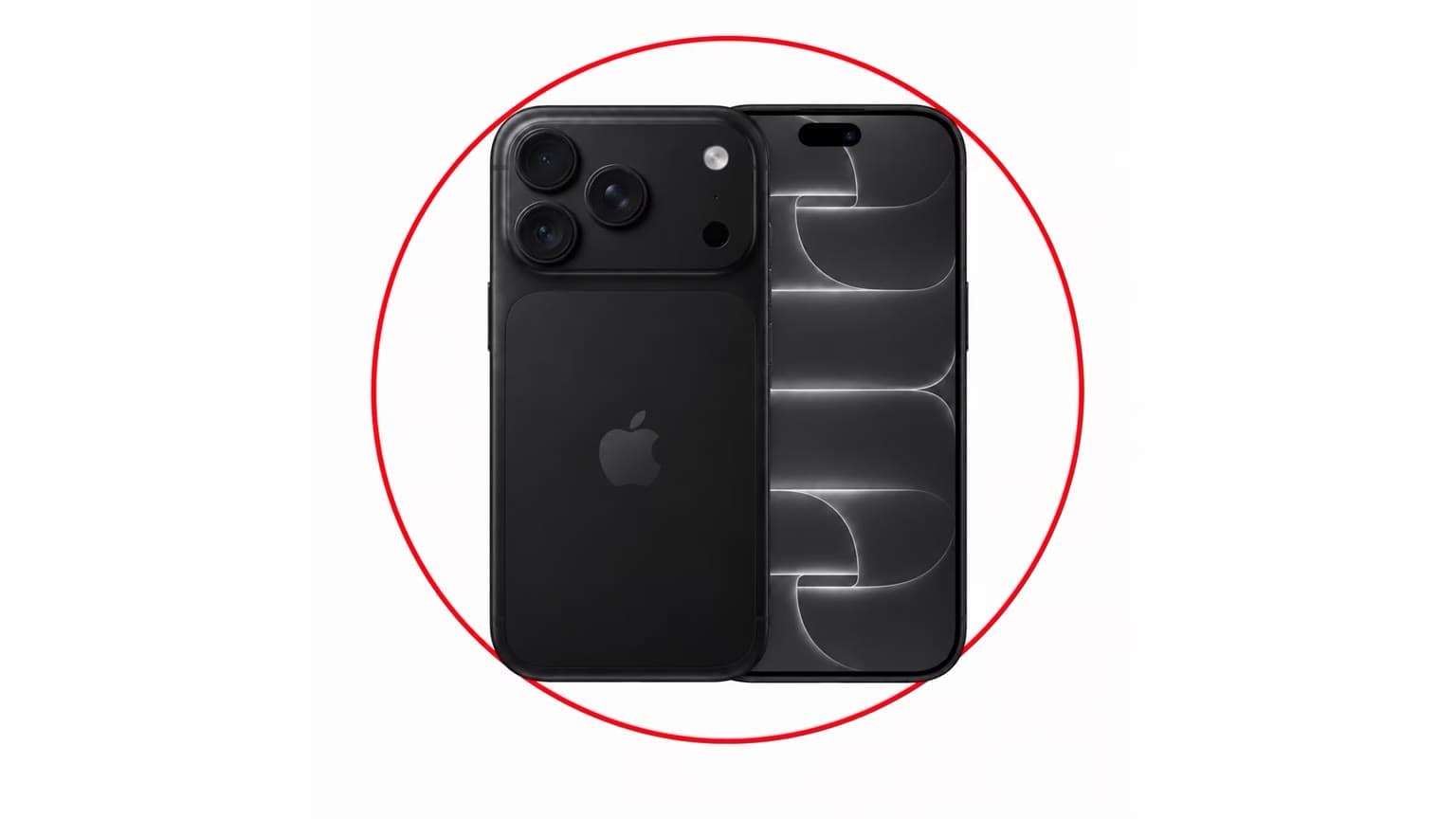
A quick visual checklist for the iPhone 17e’s strongest specs and main compromises.
Battery, Charging and Daily Use
Apple rates the iPhone 17e for up to 26 hours of local video playback and up to 21 hours of streamed video playback. Ogabassey catalog data lists a 4005mAh battery, 20W wired charging and 15W wireless charging. In practical terms, expect a full working day for normal mixed use: calls, WhatsApp, browsing, maps, banking apps, camera use and music. Heavy gaming, hotspot use, outdoor brightness and 5G in weak-signal areas will drain it faster.
The good upgrade is MagSafe and Qi2 support. That makes the phone easier to use with magnetic stands, car mounts, battery packs and wireless chargers. The limitation is charging speed. Android phones around similar or lower prices often charge much faster, so the 17e is not the best choice if you regularly top up from 5% to 80% in a short break. Use a quality USB-C charger and avoid cheap cables that overheat or fail quickly.
Camera and Video: Strong Main Camera, One Big Omission
The iPhone 17e uses a single 48MP Fusion rear camera with optical image stabilization, Apple image processing, Night mode, Smart HDR 5 and 4K Dolby Vision video up to 60 fps. It also offers a 12MP 2x telephoto-style crop from the main sensor. For social content, family photos, small business videos and creator clips, this is a strong setup. iPhones remain especially dependable for video exposure, audio consistency and app compatibility on Instagram, TikTok and WhatsApp.
The trade-off is lens flexibility. There is no ultra-wide camera for rooms, events, landscapes or group shots, and no dedicated telephoto lens for portraits from farther away. If camera variety matters more than new-device warranty and battery certainty, compare older Pro options like iPhone 14 Pro or iPhone 14 Pro Max. Those models can offer richer camera hardware, but condition, battery health, repairs and originality checks become much more important.
eSIM, 5G and Network Fit in Nigeria
The biggest buying check is eSIM. The iPhone 17e listing on Ogabassey is eSIM-only, and Apple’s current iPhone 17 family spec page describes iPhone 17 models as not compatible with physical SIM cards. That can be convenient and secure, but it changes how you handle number swaps, phone repairs, emergency backup phones and travel. Before buying, confirm that your main carrier supports eSIM on your line type, that you can retrieve or transfer your eSIM if the phone is reset, and that you have access to your carrier account if the device is lost.
For 5G, the iPhone 17e supports sub-6GHz 5G and broad LTE bands. In Lagos, Abuja and other stronger coverage areas, 5G can be useful for downloads, hotspot work and media uploads. It is not worth paying extra for 5G alone if your daily locations still fall back to 4G, but it is worth having for a phone you plan to keep for several years.
Warranty, Originality and Repair Checks
For Nigerian buyers, the purchase channel matters almost as much as the spec sheet. Ask for the warranty position before payment, confirm whether the unit is sealed or open-box, and keep your receipt. If you are comparing with imported or used iPhones, check battery health, Face ID, True Tone, camera focus, speaker quality, charging port, MagSafe alignment, water-damage indicators where inspection is possible, and whether the device has carrier or finance restrictions.
Search Console interest around “what to check when buying a used iPhone” and “disadvantages of chip unlocked iPhone” is relevant here. A chip-unlocked or restricted device can look cheap at first but become expensive if network behavior changes, updates break workarounds, or resale value drops. The iPhone 17e is a stronger fit for buyers who want to avoid that uncertainty.
Use this decision map to compare new-device certainty against used flagship camera and display advantages.
Best Alternatives to Consider
Choose the iPhone 16 if it is meaningfully cheaper and you still want a modern iPhone with strong performance. Choose the iPhone 17e if the price gap is small and you value the newer A19 chip, 256GB base storage and MagSafe support.
Choose the iPhone 15 Plus if screen size and battery comfort matter more than having the newest chip. Choose the iPhone 16 Plus if you want a large iPhone with newer-generation performance and are comfortable paying more than the 17e price band.
Choose older Pro models only if you are disciplined about checks. The iPhone 14 Pro and iPhone 14 Pro Max can deliver ProMotion, extra cameras and a more premium feel, but the best unit is the one with clean battery health, no hidden repair history, good Face ID and a trustworthy seller. For more used-device context, read iPhone 12 Pro in 2026: battery, camera, price and safer open-box checks and iPhone 14 Plus battery, camera, A15 performance and value guide.
Who Should Buy the iPhone 17e?
The iPhone 17e is for buyers moving from an iPhone XR, iPhone 11, iPhone 12, older SE, or a midrange Android and wanting a clean long-term upgrade. It is also a good fit for students who need storage headroom, business users who want dependable banking and messaging apps, creators who care about video quality, and parents buying a device that should stay useful for years.
Skip it if you demand 120Hz, physical SIM, ultra-wide photography, very fast charging, or the lowest possible iPhone price. Also pause if your carrier eSIM situation is unclear. The right iPhone is not just the newest one; it is the one that works with your line, budget, warranty expectations and repair reality.
Final Verdict
The iPhone 17e is no longer just Apple’s “affordable” iPhone in name. With A19 performance, 256GB base storage, a 48MP camera, MagSafe, USB-C, 5G and Apple Intelligence support, it makes sense as a new-device upgrade for many Nigerian buyers in 2026. Its weaknesses are clear: 60Hz display, single rear camera, moderate charging speed and eSIM-only purchase risk. If those compromises are acceptable, the iPhone 17e is one of the cleaner ways to buy into the current iPhone lineup without stepping into used-device uncertainty.
Catalog-linked prices update automatically. Historical and other quoted prices remain as written. Open the product page to confirm the current price, selected variant and availability before buying.