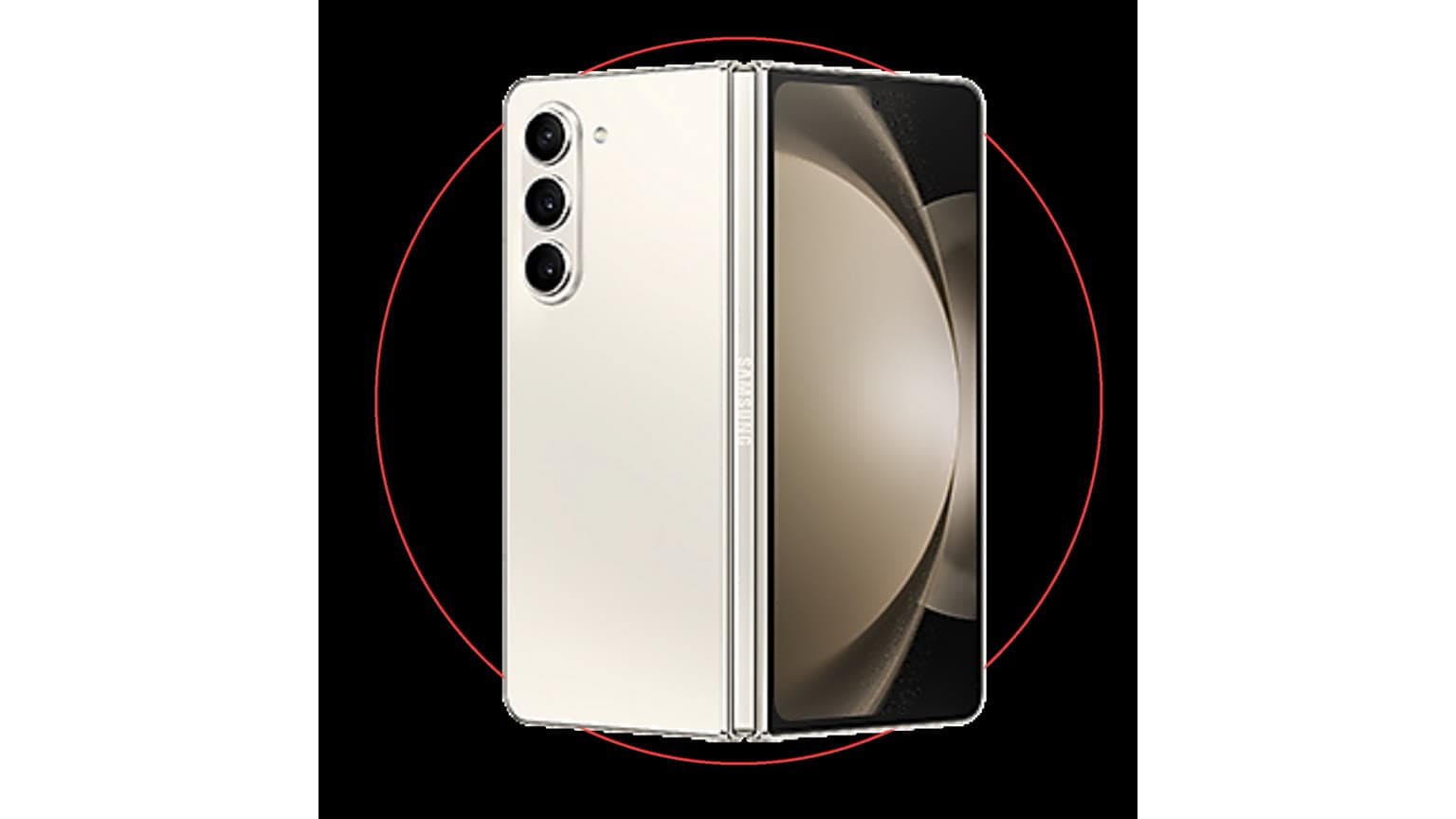
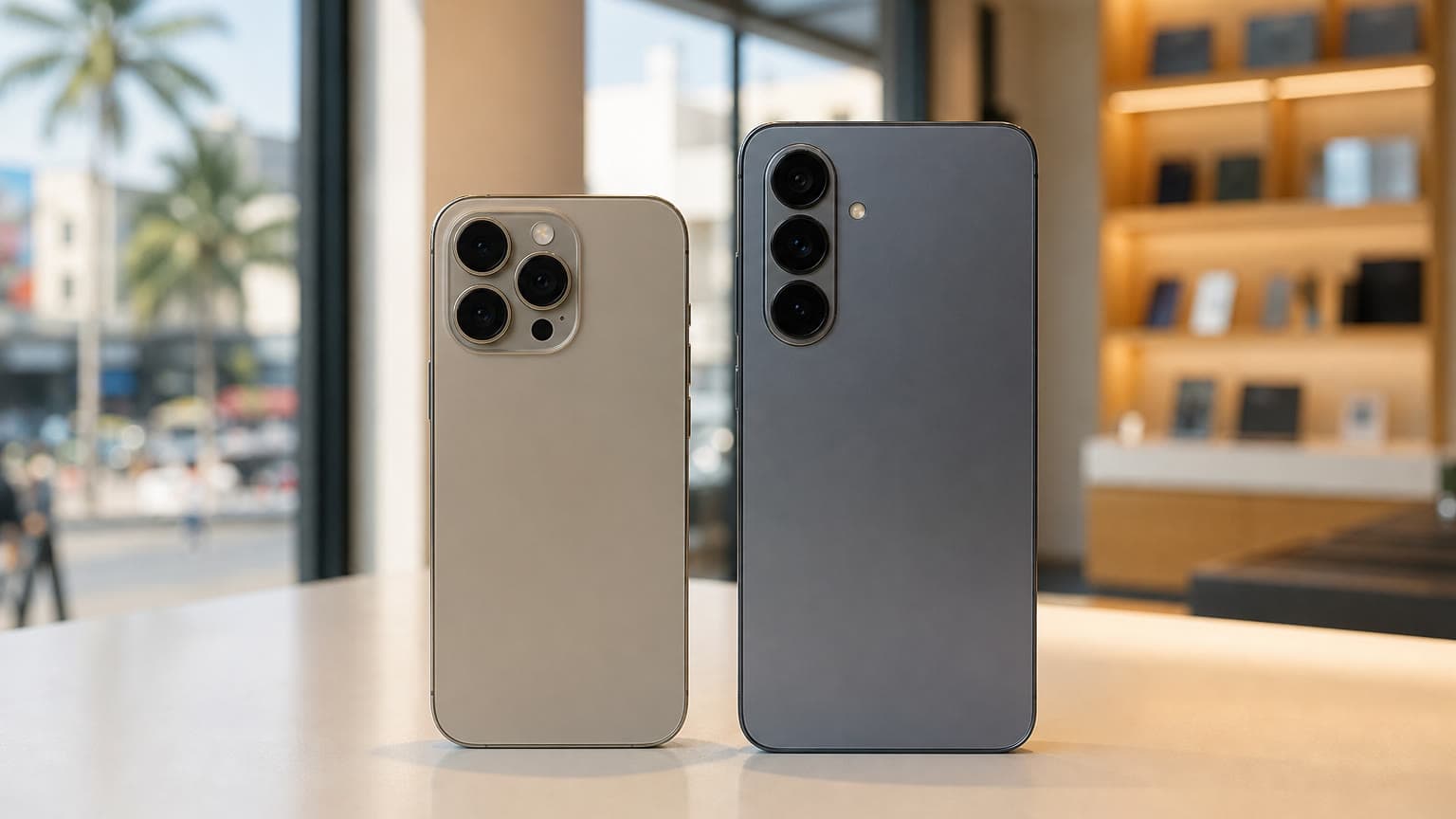
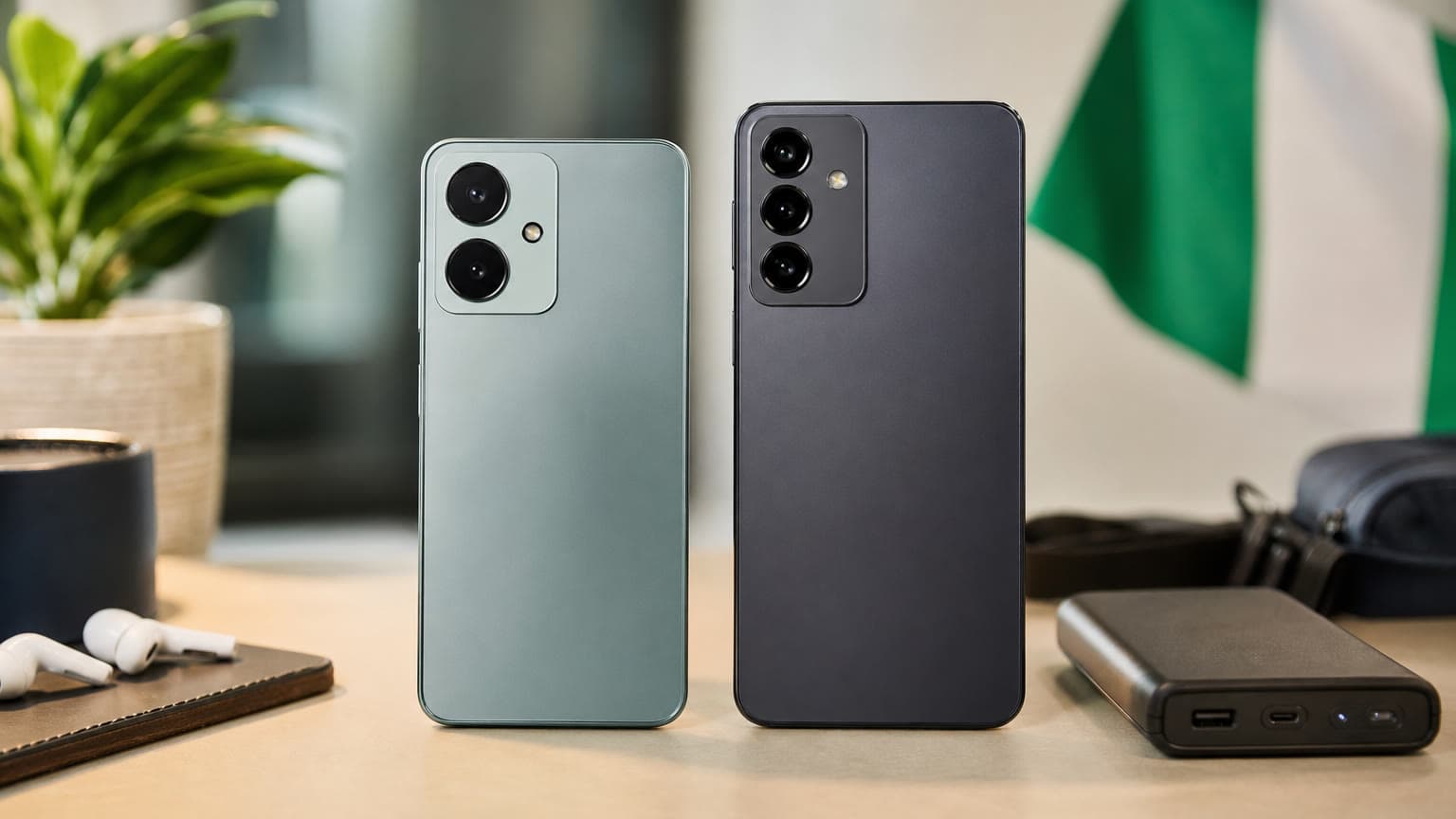
AI is no longer just a flashy launch-demo feature on premium phones. In 2026, Samsung, Google, and Apple all use on-device and cloud AI to shape search, translation, photo editing, call handling, writing, summaries, and personal assistance. The real buying question is no longer whether a phone has AI. It is whether the AI features are useful enough, available in your region, supported on the exact model you are buying, and worth paying extra for.
For Nigerian buyers, that distinction matters. A phone can advertise Galaxy AI, Gemini, or Apple Intelligence and still differ by model, language, network support, software version, storage, warranty route, and repair access. If you are comparing new and UK-used phones, start with the complete phone experience: battery, camera, RAM, storage, software updates, 4G/5G bands, originality, and after-sales support. AI should be a deciding factor only after those basics are right. You can compare broader device options in Ogabassey's smartphones category.
Who this is for
This guide is for buyers trying to decide whether AI should influence their next phone purchase. It is especially useful if you are choosing between Samsung Galaxy, iPhone, Google Pixel, Tecno, Infinix, Xiaomi, or another Android brand and you want a practical answer instead of launch-event hype.
AI is most valuable if you regularly translate calls or messages, edit photos, summarize notes, search what is on your screen, write emails, manage meetings, or rely on voice assistance. It is less important if your phone use is mostly WhatsApp, calls, banking, browsing, social media, streaming, and photos in good light. In that case, battery life, display quality, storage, camera reliability, and warranty may matter more than the AI badge.
What smartphone AI actually does in 2026
Samsung's Galaxy AI focuses on practical tools such as Circle to Search, Live Translate, Interpreter, Note Assist, Transcript Assist, Browsing Assist, Generative Edit, and intelligent photo suggestions. Samsung's own support pages make an important point buyers often miss: available Galaxy AI features vary by device, OS version, account sign-in, model, and region. Some features also rely on Google services, so a Samsung account and Google account may both be needed for the full experience.
Google's Pixel approach is built around Gemini, camera intelligence, call tools, search, summaries, and Pixel Drops. Pixel 8 and newer phones are listed by Google for seven years of OS and security updates from first availability, which is a major strength if you want to keep a phone for a long time. The caveat is local support: Pixel phones are not as officially distributed or repaired in Nigeria as Samsung, Tecno, Infinix, Xiaomi, or iPhone, so warranty and parts availability deserve extra attention before buying.
Apple Intelligence is now part of iOS 26, but it is not for every iPhone. Apple lists iPhone 15 Pro models and iPhone 16 or later as the iPhone requirement, with supported language, storage, and system-version conditions. The useful tools include Writing Tools, Live Translation, visual intelligence, summaries, Photos Clean Up, ChatGPT integration, and smarter app experiences. Apple remains strong on privacy framing and long-term ecosystem support, but buyers should not assume every iPhone on sale has Apple Intelligence.
Key specs and buying context
Price band: AI is strongest on flagship and upper-midrange phones. If paying flagship money, expect excellent cameras, strong performance, long update support, and a proper warranty, not just AI features. In the midrange, avoid paying a large premium for limited AI if a non-AI model gives better battery, storage, or camera quality.
Battery and charging: AI features can use extra processing, mobile data, and screen time. A phone with weak battery life will feel worse even if its AI tools are clever. For heavy users in Lagos, Abuja, Port Harcourt, or on long commutes, prioritize battery endurance and fast charging before AI.
Camera and video: AI photo editing is helpful, but it cannot fully replace good sensors, stabilization, and low-light processing. A clean main camera, reliable portrait mode, and stable video are more important than a generative edit demo you may use once a month.
Storage and RAM: Do not buy too little storage because the phone has AI. Many AI-capable phones also capture larger photos, videos, voice notes, and app data. For most buyers in 2026, 128GB is the floor, 256GB is safer, and 8GB RAM or more is preferable on Android if you multitask.
5G and network fit: 5G is worth considering, but it should not be your only upgrade reason. NCC industry statistics show 5G share is still far smaller than 4G in Nigeria, and published 2026 coverage reports continue to point to uneven 5G access in Lagos and Abuja. A good 4G phone with strong bands and reliable battery may be better value than a weak 5G model.
Software update horizon: AI changes quickly, and the best features often arrive through updates. Samsung, Apple, and Google are safer choices for long-term feature support than obscure imports. On Android, check the exact model number and update promise, not just the brand.
Originality, warranty, and repair: AI does not help if the device is refurbished badly, region-locked, blacklisted, or difficult to repair. For used or imported phones, check IMEI status, battery health, display originality, Face ID or fingerprint function, camera focus, water damage indicators where possible, and whether warranty claims can actually be handled locally.
Trade-offs: where AI still feels like hype
The biggest weakness of phone AI is consistency. Some features work only in certain languages, apps, countries, or accounts. Some require internet access. Some produce summaries or edits that need checking. Generative image editing can be fun, but it is not a substitute for a better lens. Voice assistants are improving, but they still misunderstand context and accents, especially in noisy environments.
There is also a privacy and trust trade-off. On-device AI is better for sensitive tasks, but many advanced features still use cloud processing. Before using AI to summarize private messages, work documents, medical information, or financial details, check the device's privacy settings and service terms. AI output can be wrong, so do not rely on it blindly for banking, legal, health, or safety decisions.
Alternatives by buyer type
Best fit for AI-first Android buyers: Samsung Galaxy S and Z series models, plus recent Google Pixel models, are the clearest choices if AI tools are central to your purchase. Samsung is generally stronger for local familiarity, accessory availability, and repair routes. Pixel is attractive for camera software and long updates, but local warranty risk is higher.
Best fit for iPhone buyers: Choose iPhone 15 Pro, iPhone 15 Pro Max, or iPhone 16 and newer if Apple Intelligence matters. If you are buying an iPhone 13, iPhone 14, iPhone 15, or older standard model mainly because you heard about Apple AI, pause and compare carefully. Those models can still be excellent phones, but Apple Intelligence support is not the same across the range.
Best fit for value buyers: Tecno, Infinix, Xiaomi, Redmi, and Samsung A-series phones can offer better battery, storage, and screen value at lower prices. Their AI features may be lighter or more app-based, but that is fine if your priority is everyday performance. For laptop-style AI expectations, Ogabassey's look at Snapdragon X Elite laptop hype is a useful reminder that AI labels do not automatically equal better value.
Best fit for Apple ecosystem users: If you already use Mac, iPad, AirPods, iCloud, and Apple services, the iPhone's AI value is partly ecosystem convenience. Ogabassey's coverage of Apple's newer MacBook and Mac Studio releases and the iPad Air M4 can help if you are deciding whether your next upgrade should be a phone, tablet, or computer instead.
Verdict: game-changer or hype?
AI on smartphones is a game-changer for some buyers, but it is not yet a universal reason to upgrade. It is genuinely useful for translation, search, note summaries, call tools, photo cleanup, accessibility, and productivity. It is hype when brands use AI to distract from average battery life, weak cameras, poor update support, limited local warranty, or an inflated price.
The practical Ogabassey recommendation is simple: buy the best phone first, then let AI break close ties. If two phones have similar price, battery, camera, storage, network fit, and warranty, choose the one with better long-term AI and software support. If the AI phone costs much more but compromises the basics, skip the hype and buy the better everyday device.
Sources