Bassey John is a Performance Marketing Specialist at Ogabassey with cross-industry experience spanning e-commerce, gaming, and real estate. He focuses on paid acquisition, conversion-rate optimisation, and data-driven growth strategy, turning campaign performance into measurable revenue. At Ogabassey he writes about consumer technology, product buying guides, and the Nigerian gadget market to help shoppers make confident, informed decisions.
Editor’s note, reviewed 24 June 2026: Samsung has not published an official Galaxy Z TriFold product page or Nigerian launch notice at the time of this update. Treat any price, RAM, storage, battery, camera, release-date, or warranty claim that is not from Samsung or an authorised retailer as provisional. This guide keeps the original topic, but reframes the buying advice around what Nigerian shoppers can verify before paying for a premium tri-fold phone.
Samsung Galaxy Z TriFold price in Nigeria: what to expect
The most searched question around this device is simple: how much is the Samsung TriFold price in Nigeria? Until Samsung lists the Galaxy Z TriFold officially, there is no confirmed Nigerian retail price. The realistic buyer context is that a first-generation triple-folding Galaxy would sit above the Galaxy Z Fold line, not beside mid-range phones. That means import pricing could easily move with exchange rate, storage variant, warranty type, and whether the unit is bought through an authorised channel or a grey-market reseller.
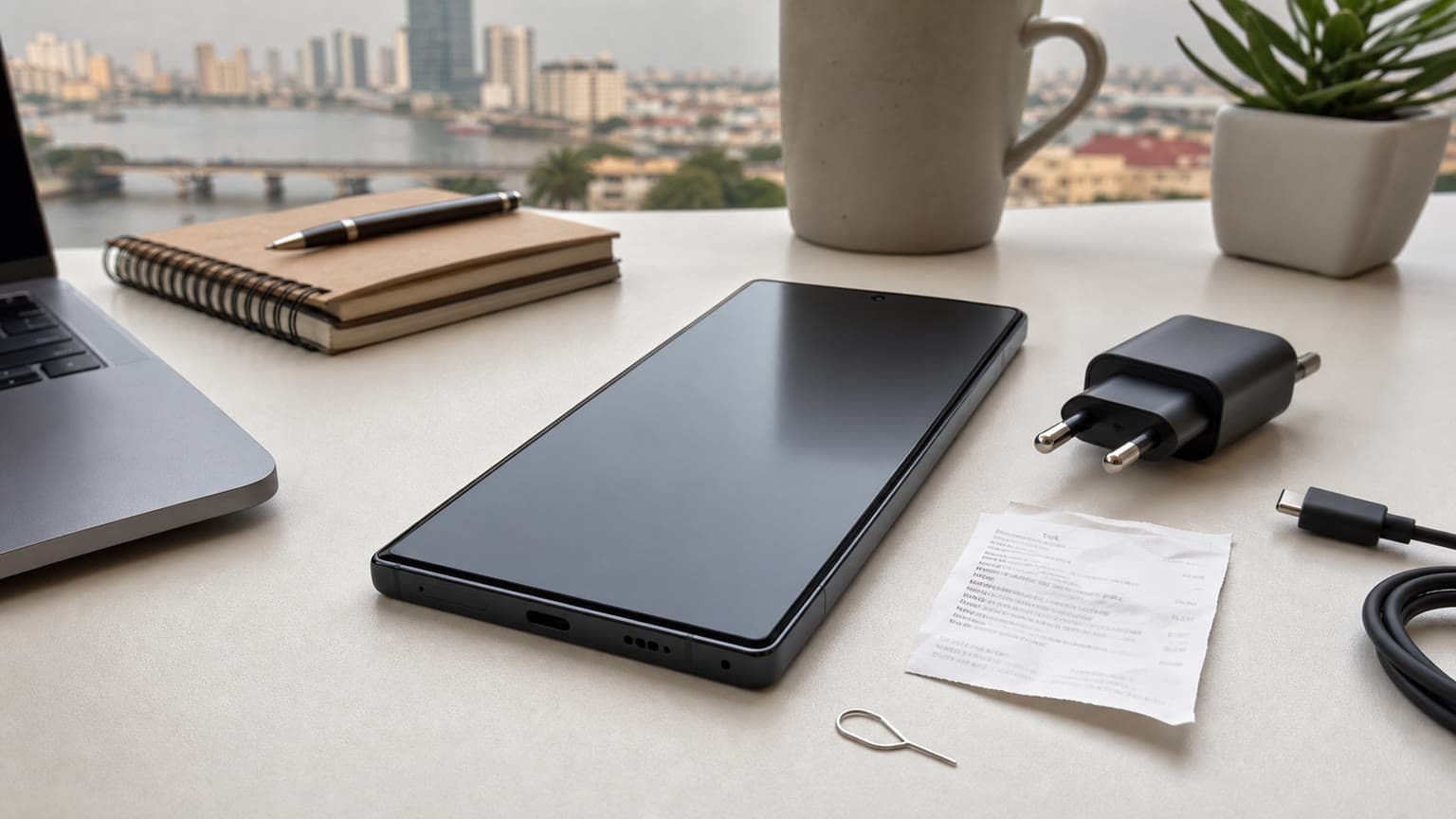
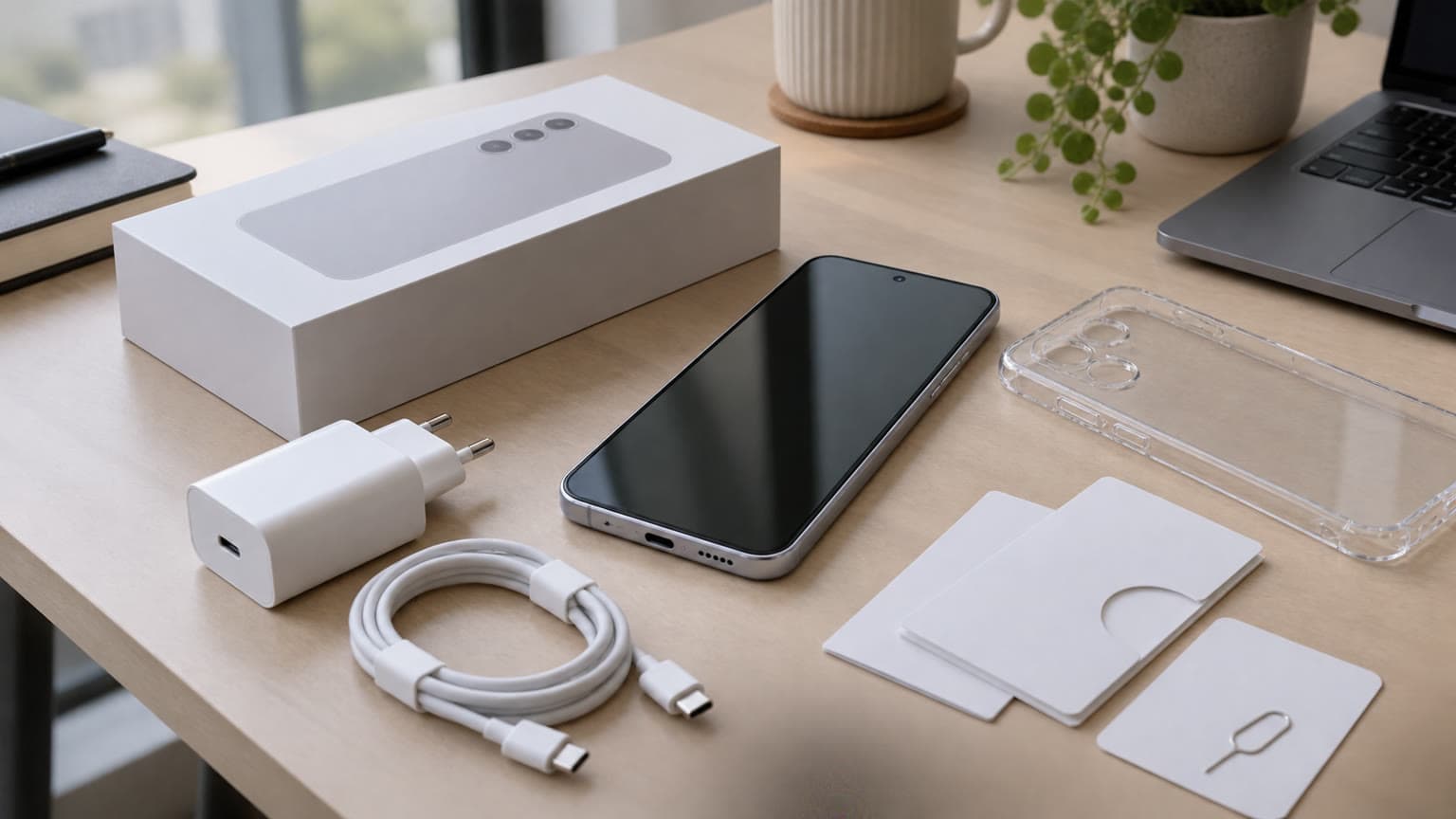
For planning, use the earlier estimated band of about ₦3,300,000 to ₦4,600,000+ only as a working range, not a promise. A fair listing should tell you the exact model code, RAM and storage, network bands, whether it is new or open-box, charger and accessory contents, return window, and warranty coverage in Nigeria. If a seller cannot provide those details, the lower price is not automatically better value.
When Ogabassey has verified availability, check the Samsung Galaxy Z TriFold product page for the current offer, stock status, variant notes, and warranty information. You can also compare it with other smartphones available on Ogabassey if you need a phone now rather than waiting for limited stock.
Before paying for an early tri-fold listing, verify the model, warranty, network bands, stock status and repair path.
Who the Galaxy Z TriFold is for
The Galaxy Z TriFold is not a normal upgrade path from a Galaxy A-series, Redmi Note, Tecno Camon, or even a regular Galaxy S phone. It is for buyers who genuinely need a pocketable phone that can become a near-tablet workspace: executives reviewing documents, creators editing timelines or storyboards, traders watching dashboards, field teams opening maps and forms side by side, and Samsung DeX users who already live inside the Galaxy ecosystem.
If your main needs are calls, WhatsApp, social media, banking apps, camera quality, and long battery life, a conventional flagship or standard foldable is usually a cleaner buy. The TriFold’s value is the large canvas. If you will not use that canvas every day, you are paying for engineering that may add weight, repair risk, and cost without improving your daily experience.
Key specs and buying context
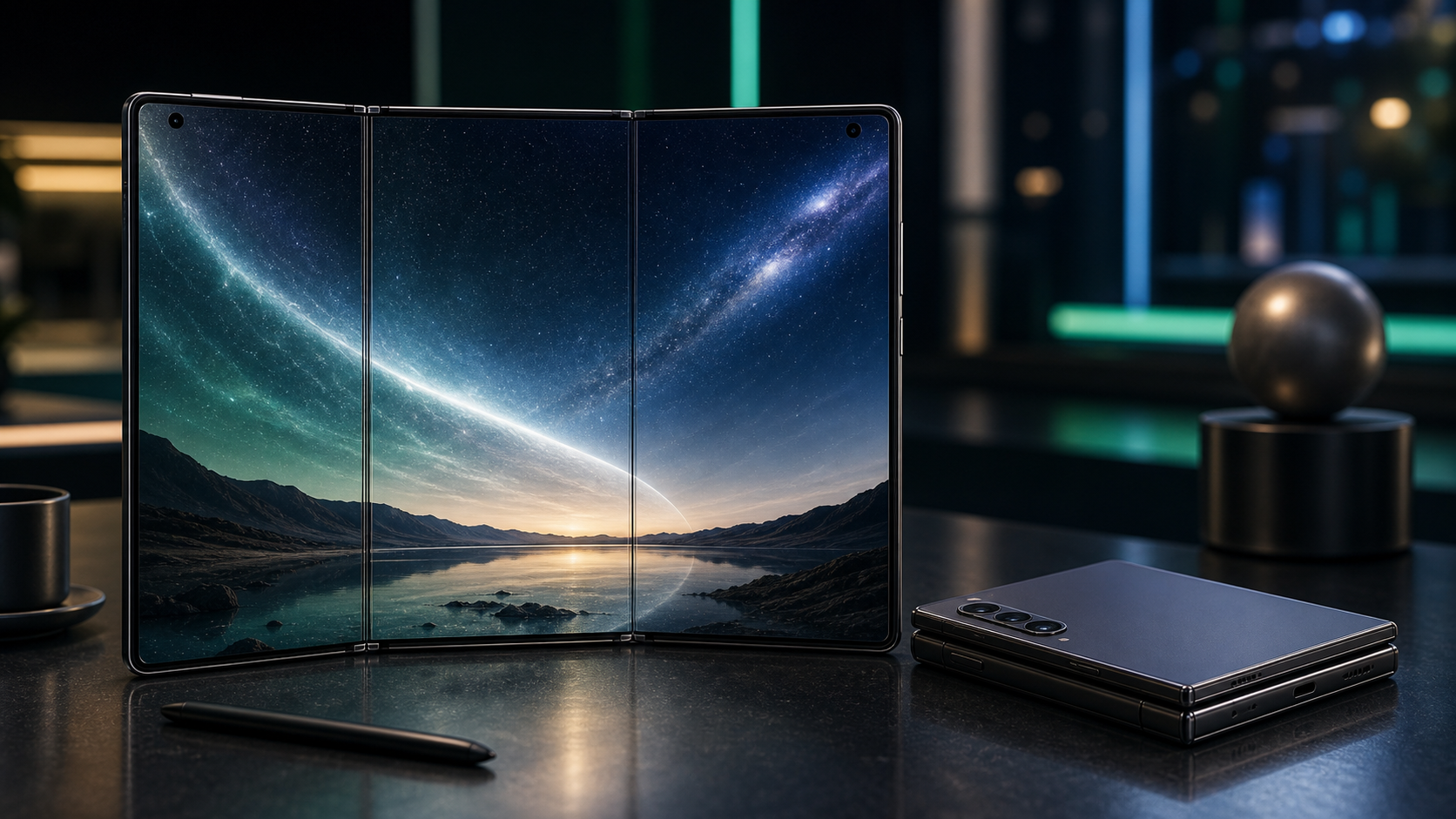
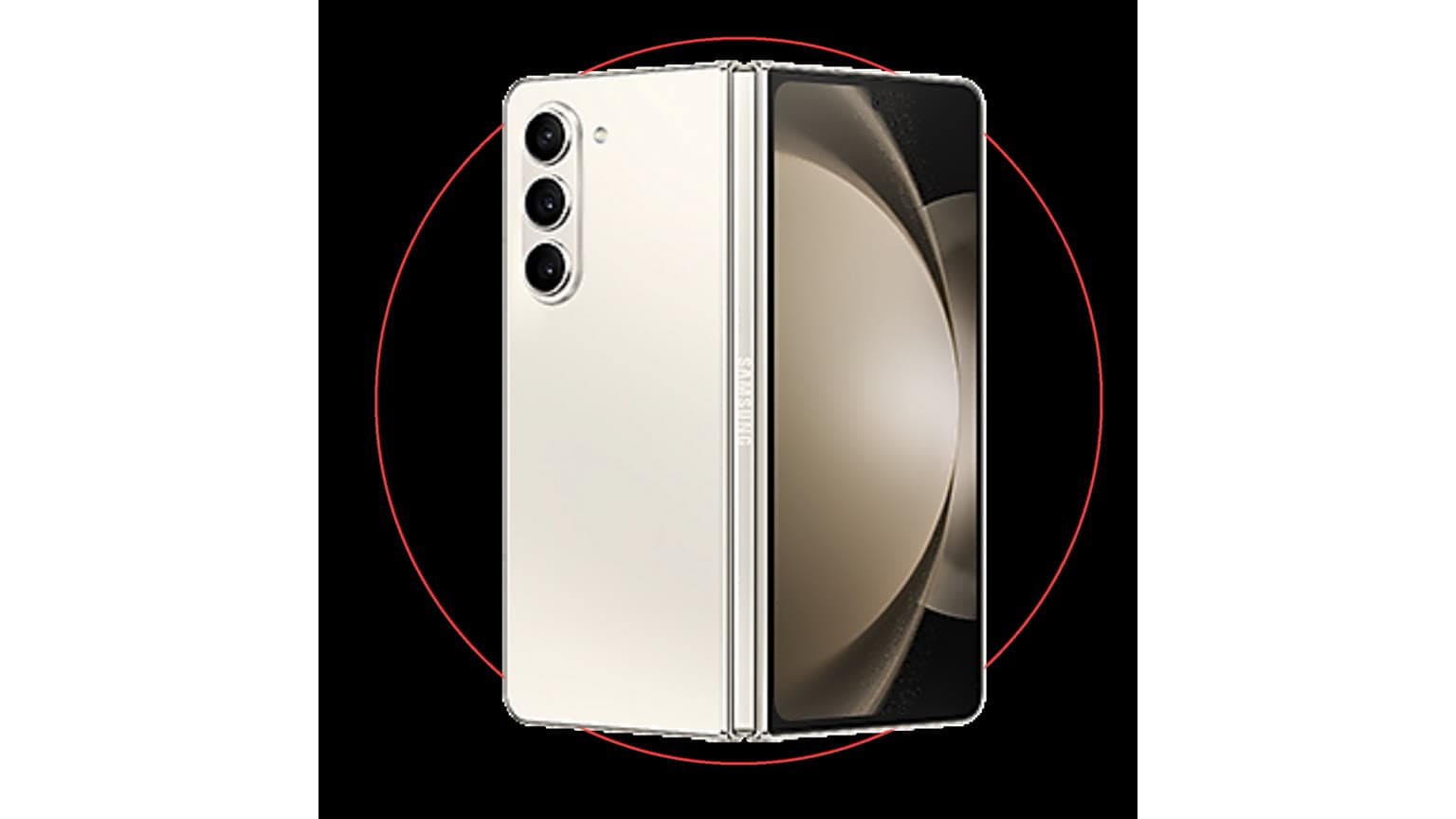
Most published TriFold specification claims remain unofficial unless Samsung confirms them. The expected appeal is a triple-panel foldable design that opens from a phone-sized device into a roughly 10-inch class display. That would put it closer to a small tablet than a standard book-style foldable, making multitasking, document review, drawing, and video playback the main reasons to care.
Performance should not be the weak point if Samsung positions it as an ultra-premium Galaxy Z device. Buyers should still verify the chipset, RAM, and storage on the actual retail unit. For a device this expensive, 256GB storage would feel tight for 4K video, offline files, and large app caches; 512GB or 1TB is the safer target. If a listing advertises 16GB or 24GB RAM, confirm whether that is physical RAM or marketing language that includes virtual RAM.
Battery and charging deserve special attention. A 10-inch class foldable display can drain power quickly, especially on 5G, high brightness, maps, video calls, and multitasking. Do not judge battery life from capacity alone. Ask for real usage guidance, charging wattage, wireless charging support, charger contents, and whether the battery warranty is covered locally.
Camera claims also need careful reading. A 200MP main camera would sound impressive, but camera quality depends on sensor size, lens tuning, processing, stabilisation, telephoto hardware, ultrawide quality, and video heat management. If photography is your top priority, compare the TriFold with Samsung’s Galaxy S Ultra line before paying a foldable premium.
5G, network fit and software support in Nigeria
For Lagos, Abuja, Port Harcourt, and other major cities, 5G can be worth paying for if your carrier coverage is strong in the places where you actually work and live. It is less valuable if you spend most of your time on congested 4G areas or travel frequently to locations without stable 5G. Before buying an imported TriFold, confirm the exact model supports the 4G and 5G bands used by your Nigerian network. A premium phone with poor local band support is a bad deal at any price.
Software support is another reason to wait for official information. Samsung’s recent premium Galaxy devices have moved toward long Android and security update windows, but the Galaxy Z TriFold should be judged by its own official support promise when announced. For business users, the important questions are Android version at launch, security patch cadence, Samsung Knox support, eSIM availability, dual-SIM behaviour, DeX support, and whether banking and enterprise apps behave correctly on the multi-panel display.
Trade-offs: durability, repair and warranty
The reason to be cautious is not that foldables are bad. It is that a tri-fold design creates more points to protect. Two hinge zones, a larger flexible display, more complex case geometry, and possibly non-standard screen protectors all raise the cost of ownership. A small scratch, hinge impact, or pressure mark can matter more on a foldable than on a flat glass phone.
For Nigeria, repairability is part of the buying decision. Ask whether the screen, hinge assembly, battery, and frame can be serviced locally, how long parts might take, and whether accidental damage protection is available. If the seller only offers “international warranty,” ask exactly where service would happen and who pays shipping. A cheaper imported unit can become more expensive than an authorised unit after one repair.
Used and open-box units need even stricter checks. Inspect hinge movement, panel alignment, crease depth, dead pixels, touch response across every panel, speaker balance, camera condensation, charging port condition, IMEI status, eSIM/physical SIM behaviour, and Samsung account lock status. For a first-generation tri-fold, buying used without warranty is a high-risk move.
Samsung Galaxy Z Fold 6 vs Galaxy Z TriFold
Feature
Galaxy Z Fold 6
Galaxy Z TriFold buying context
Main display
7.6-inch inner display
Expected to target a larger 10-inch class canvas, but official specs should be verified before purchase.
Design
Book-style foldable
Triple-panel foldable concept with more screen area and more mechanical complexity.
Best use
Phone-first multitasking
Tablet-style work, documents, DeX, presentations, and large-screen media.
Risk level
Mature foldable category
Higher first-generation risk until repair pricing, warranty terms, and durability data are clear.
Price/value
Still premium, but easier to compare
Likely more expensive and harder to justify unless the big display replaces a tablet for you.
If the “tablet in your pocket” idea is really about reading, note-taking, movies, and split-screen work, a phone plus tablet may be better value. Ogabassey’s comparison of iPad Pro M4 vs Galaxy Tab S10 Ultra for productivity is useful if you are deciding whether a dedicated tablet is smarter than a very expensive foldable. For buyers still choosing inside Samsung’s wider phone range, start with the Samsung Galaxy smartphone buying guide.
A tri-fold makes sense when the large screen replaces another device; otherwise a Fold, Ultra phone or tablet bundle may be better value.
Pros and cons
Pros:
Potentially the largest practical screen in a pocketable Samsung phone.
Strong fit for DeX, documents, multitasking, video, and executive travel workflows.
Could reduce the need to carry both a flagship phone and a small tablet.
Premium Galaxy ecosystem benefits such as Knox, Galaxy AI features, and Samsung accessory support should be verified at launch.
Cons:
No official Samsung Nigeria price or confirmed local launch details yet.
Likely expensive, heavier, thicker, and harder to repair than a standard flagship phone.
First-generation tri-fold durability and resale value are still unknown.
Imported units may have warranty, network-band, charger, and parts-availability complications.
Verdict
The Samsung Galaxy Z TriFold is exciting because it points to a future where a phone can become a real work surface. For Nigerian buyers in 2026, the smarter verdict is conditional: buy only if official stock, clear warranty, verified network support, and a price you can defend are available. It makes sense for professionals who will use the large display daily and can treat it as a productivity device, not just a status purchase.
Everyone else should compare it with the Galaxy Z Fold line, a Galaxy S Ultra, or a phone-plus-tablet setup before spending over three million naira. The best premium device is not the one with the most dramatic hinge; it is the one that still feels like good value after six months of charging, carrying, repairing, and using it every day.
FAQ
How much is the Samsung TriFold price in Nigeria?
There is no official Samsung Nigeria price at the time of this review update. Use ₦3,300,000 to ₦4,600,000+ only as an estimate for planning, and confirm live Ogabassey pricing, warranty, stock, and variant details before paying.
Is the Samsung triple fold phone available in Nigeria?
Availability should be treated as limited until Samsung or trusted retailers list confirmed stock. If you see early listings, verify model code, condition, warranty, return policy, and local network compatibility.
Should I buy the Galaxy Z TriFold or Galaxy Z Fold 6?
Choose the TriFold only if the bigger tablet-style screen is central to your work. Choose the Galaxy Z Fold 6 if you want a more established foldable experience with lower first-generation risk and easier comparison shopping.
Is 5G worth paying extra for on a tri-fold Samsung phone in Lagos or Abuja?
Yes, but only if your carrier has strong 5G coverage where you spend time. The bigger issue is imported-unit compatibility, so confirm 4G and 5G bands before buying.
Catalog-linked prices update automatically. Historical and other quoted prices remain as written. Open the product page to confirm the current price, selected variant and availability before buying.