Bassey John is a Performance Marketing Specialist at Ogabassey with cross-industry experience spanning e-commerce, gaming, and real estate. He focuses on paid acquisition, conversion-rate optimisation, and data-driven growth strategy, turning campaign performance into measurable revenue. At Ogabassey he writes about consumer technology, product buying guides, and the Nigerian gadget market to help shoppers make confident, informed decisions.
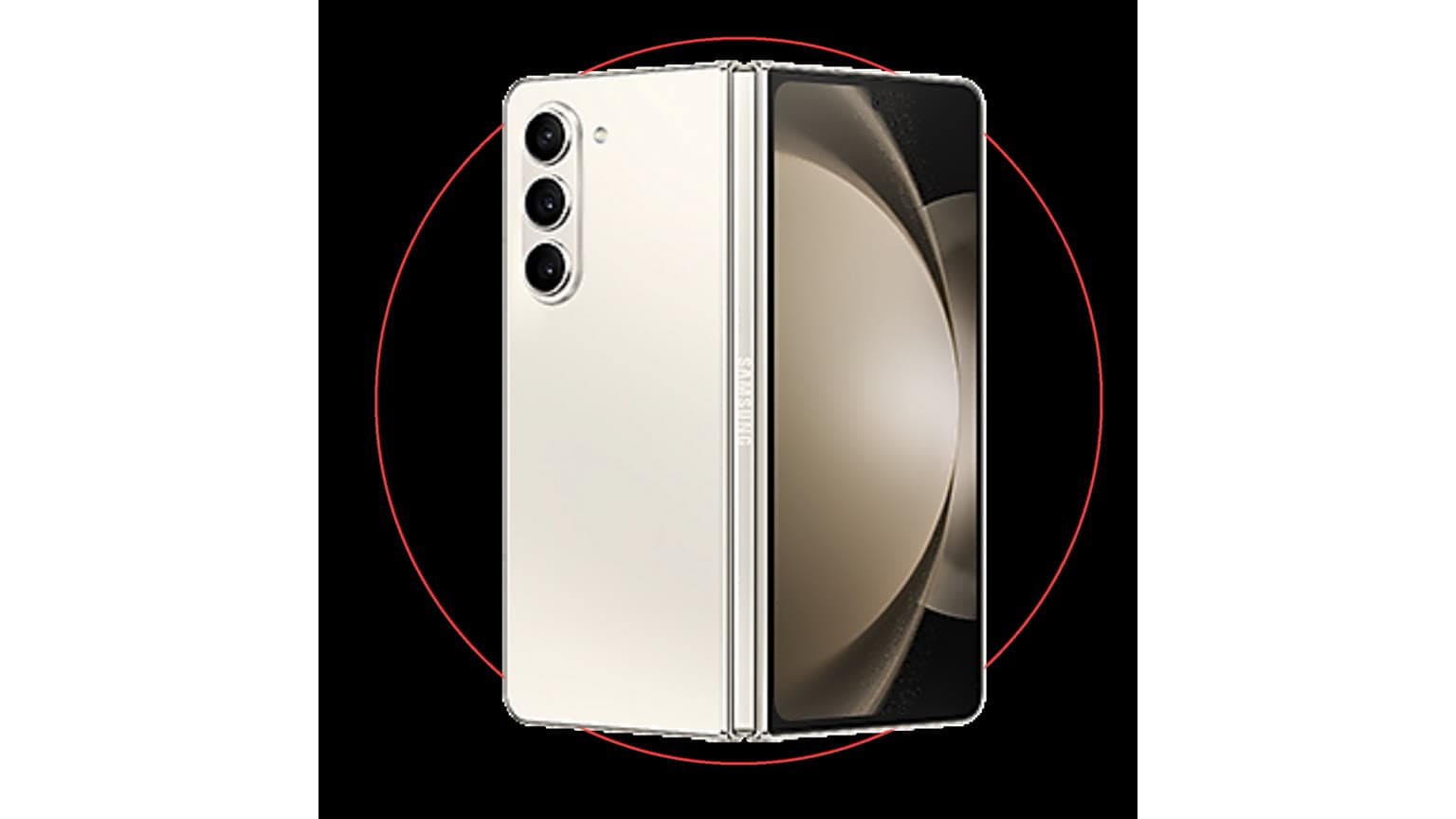
The Samsung Galaxy Z Fold 6 is best for Nigerian buyers who will genuinely use the 7.6-inch inner screen for work, reading, multitasking or content review. If you only want strong cameras, long battery life and simple durability, a normal flagship may deliver better value at this price.
Who this is for
The Samsung Galaxy Z Fold 6 is not a casual upgrade. It is a specialist phone for people who want one device to act like a phone, small tablet and productivity screen. That makes it interesting for business owners, creators, consultants, students with heavy reading loads, and buyers who often review documents, spreadsheets, dashboards, PDFs or long WhatsApp threads while moving between home, office and client sites.
The strongest reason to buy it is the foldable display. Official Samsung specs list a 7.6-inch QXGA+ Dynamic AMOLED 2X main display and a 6.3-inch cover display. That means you can use it closed like a tall regular phone, then open it when you need more room. In Nigeria, that matters if your phone is your main computer for invoices, banking, inventory checks, social media work, note-taking and remote meetings.
It is less convincing for buyers who mainly want a camera phone, a battery champion, or a rugged phone for rough outdoor use. Foldables add moving parts, a larger inner screen, and higher repair anxiety. If your workday includes dusty sites, heavy commuting, shared family use, or frequent drops, the premium foldable experience needs to be weighed against repairability and peace of mind.
For broader shopping beyond this one model, start from the Ogabassey Smartphones category so you can compare foldables against slab flagships, mid-range Samsung phones, and lower-risk alternatives before committing to the Fold 6 price band.
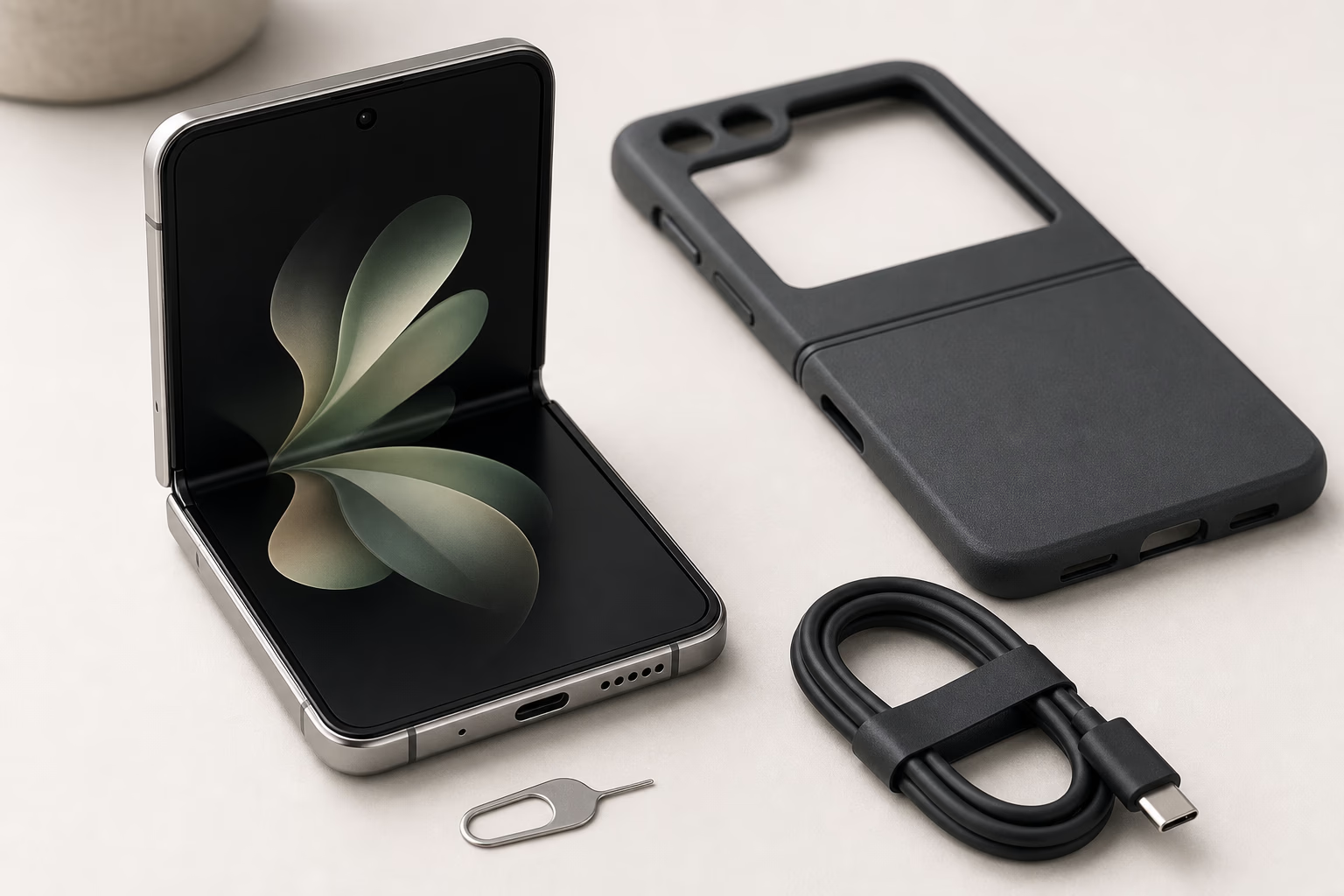
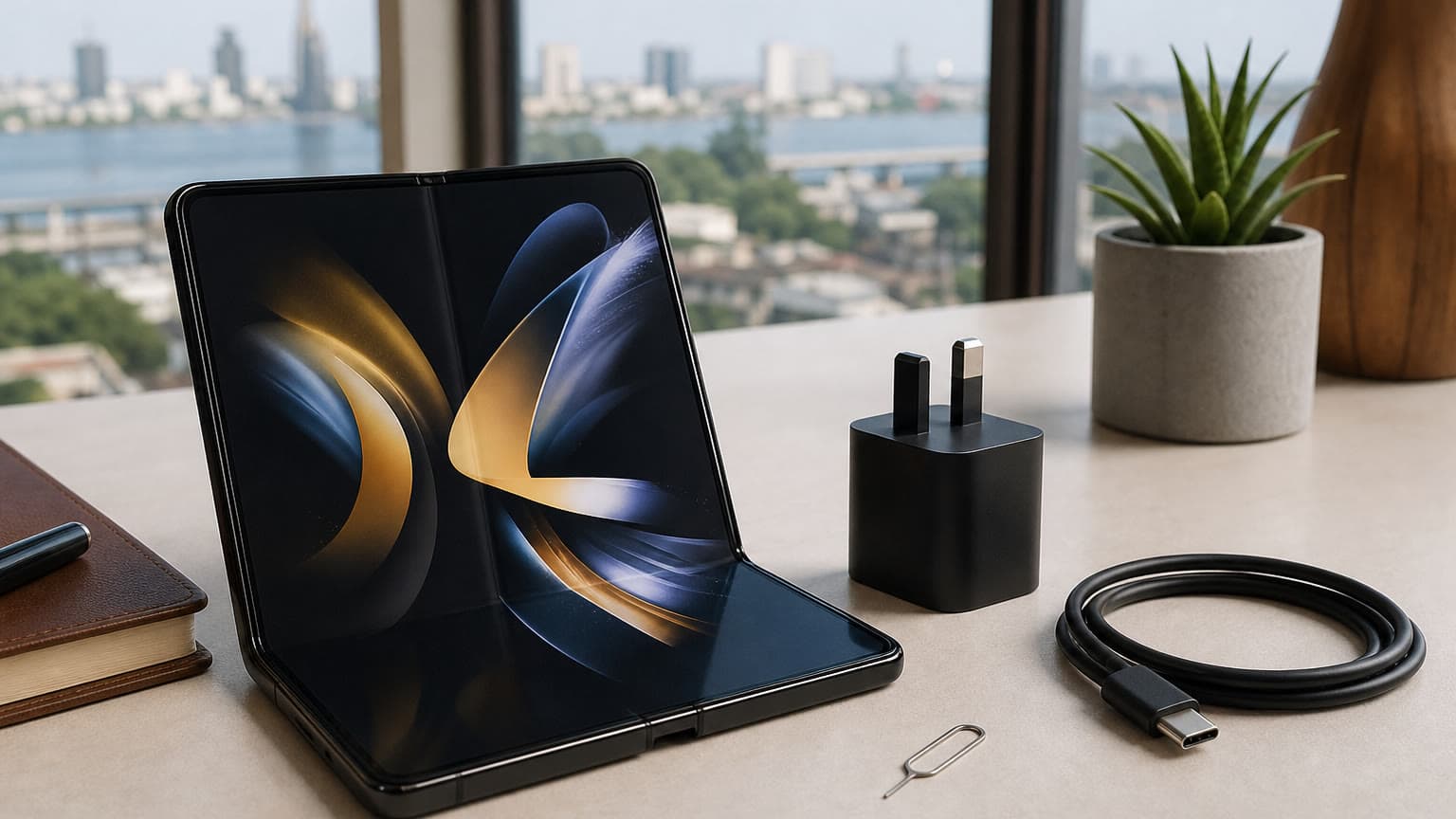
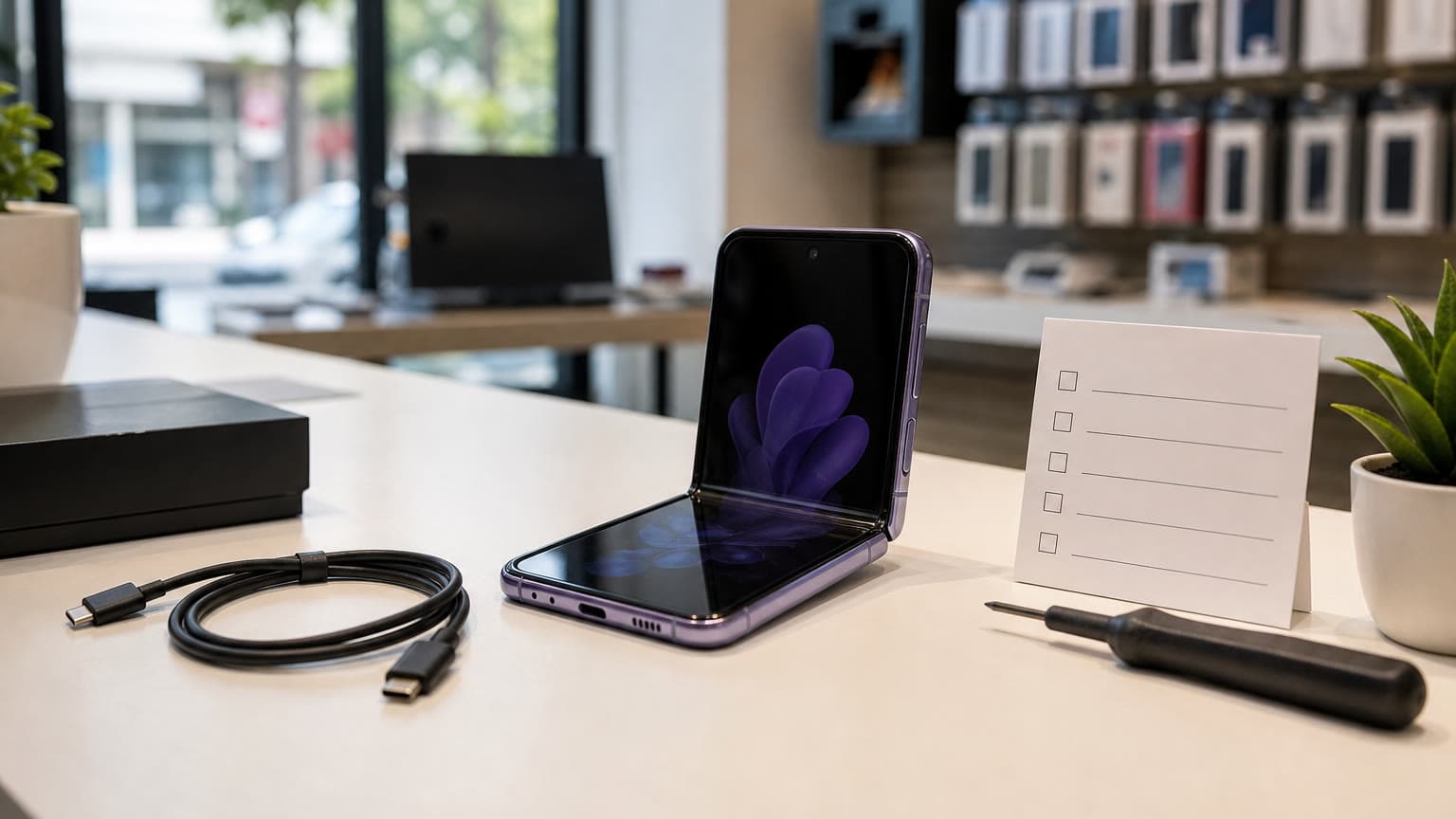
Before buying a premium foldable, check charger, case, SIM and support needs.
Key specs and buying context
This draft uses catalog-verified Ogabassey product data and official-source Samsung specifications. The Ogabassey listing resolves the Galaxy Z Fold 6 row to a new Silver Shadow 256GB variant priced at NGN 1,350,000, with stock quantity listed as 0 on the provided snapshot. That price and stock context should be checked again before checkout because availability can change faster than an article can be updated.
On paper, the Fold 6 is a high-end Android foldable. The listed chipset is Snapdragon 8 Gen 3 Mobile Platform for Galaxy with 12GB RAM and 256GB storage. For everyday use, that is more than enough for multitasking, Samsung DeX-style productivity habits, editing documents, streaming, split-screen work, and switching between banking, messaging and browser tabs. The more important question is not performance; it is whether the foldable format is worth the premium for your actual routine.
The display setup is the headline. The main screen is listed as 7.6 inches, Dynamic AMOLED 2X, 2160 x 1856 resolution, 374ppi and 120Hz refresh rate. The cover display is listed at 6.3 inches. This combination gives the Fold 6 a clear advantage for reading, maps, email, side-by-side apps, and content planning. For people who constantly zoom into spreadsheets or switch between notes and browser research, the extra screen area can save real time.
Battery is more mixed. The catalog lists a 4400mAh battery, 25W wired charging, wireless charging and reverse charging. That is functional for a premium Samsung foldable, but it does not read like the main reason to buy the phone. Buyers who spend long hours away from power, move between Lagos traffic and office work, or use mobile hotspot heavily should budget for a reliable USB-C charger and power bank. Do not buy this expecting budget-phone endurance.
The camera setup is capable on paper: 50MP wide camera with OIS, 12MP ultra-wide, 10MP telephoto with OIS, UHD 8K video recording, a 10MP cover camera and a 4MP under-display camera. That is flexible enough for social content, product photos, travel, video calls and business documentation. Still, the Fold 6 is a productivity-first flagship rather than the cleanest value choice for someone whose main priority is camera quality per naira.
Decision scorecard
Buyer question
What the Fold 6 offers
Nigeria buying note
Large-screen productivity
7.6-inch foldable AMOLED main screen with 120Hz refresh rate
Strong fit if your phone doubles as a work and reading device
Price/value
Catalog snapshot lists NGN 1,350,000 for 256GB Silver Shadow
Premium price; compare against slab Samsung flagships before buying
Battery and charging
4400mAh battery, 25W wired charging, wireless and reverse charging listed
Good enough for many users, but not the safest pick for battery-first buyers
Camera and video
50MP triple rear camera with OIS on wide and telephoto cameras
Flexible, but camera-focused buyers should compare with Ultra-style flagships
Connectivity
5G, LTE, Wi-Fi 6E, Bluetooth 5.3, USB-C, Nano SIM and eSIM support listed
Good modern network fit; verify exact SIM and eSIM support for your carrier use
Durability and repair risk
IP48 rating listed, foldable hinge and inner display format
Use a case and confirm support options before paying foldable money
Availability
Product snapshot lists stock quantity as 0
Confirm current availability, color and condition before checkout
Trade-offs Nigerian buyers should check
The first trade-off is price. At NGN 1,350,000 in the provided Ogabassey variant snapshot, the Fold 6 sits in a serious flagship budget. That amount can also buy a powerful non-folding phone plus accessories, or move you toward a different Samsung flagship with a more traditional design. The Fold 6 only makes sense if the screen format changes how you work or consume information.
The second trade-off is repair confidence. Foldables are more complex than regular phones. The hinge, inner display and protective layers make careless handling more expensive. This article does not claim a repair price, part availability or turnaround time. The practical advice is to confirm warranty terms, condition, return expectations and support path before purchase. If repairability is a major concern, review Ogabassey Phone Repairs and ask about support options for foldable devices before you buy.
The third trade-off is everyday handling. The Fold 6 weighs 239g, and its listed dimensions are 132.6 x 153.5 x 5.6mm unfolded and 68.1 x 153.5 x 12.1mm folded. It is slimmer than early foldables when opened, but it is still a premium folding device that feels different in a pocket. If you prefer one-hand comfort, light weight and simple phone use, the format may feel like extra work.
The fourth trade-off is charger and network readiness. The phone uses USB Type-C and lists 5G plus LTE, Wi-Fi 6E and Bluetooth 5.3. For Lagos, Abuja, Port Harcourt or other urban users, 5G can be useful if your area and plan support it, but it is not a magic upgrade for everyone. If your network coverage is mostly 4G where you live and work, do not overpay for 5G alone. Buy it for the screen and flagship package, not just the network label.
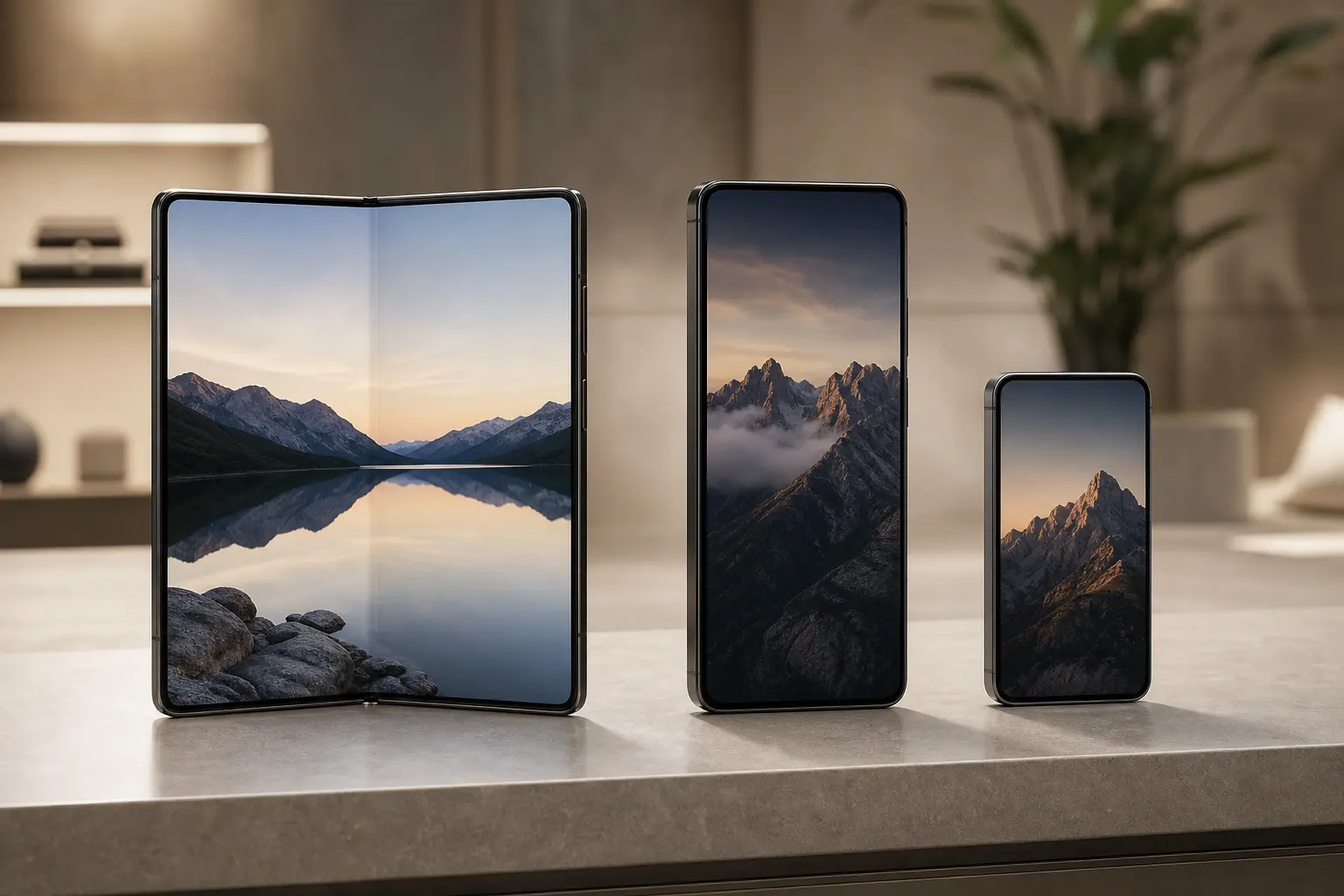
The Fold 6 should be compared against normal flagships, not only other foldables.
Alternatives to consider before buying
If you want Samsung performance but not a foldable risk profile, compare the Fold 6 with current Galaxy S-series options. The Samsung Galaxy S25 buying guide is useful if you prefer a compact flagship direction with a simpler shape. A slab flagship may be easier to protect, easier to resell, and less stressful for buyers who do not need tablet-style multitasking.
If you are considering future Samsung phones rather than buying now, the Samsung Galaxy S26 Ultra coverage gives a different kind of premium-phone context. Ultra-style phones usually compete on camera reach, battery confidence and classic flagship familiarity, while the Fold line competes on screen size and multitasking. That difference should guide the decision more than brand loyalty.
If your budget is far below foldable territory, do not stretch just because the Fold 6 looks exciting. Mid-range and upper-mid-range phones may offer better battery life, cheaper cases, lower repair anxiety and enough performance for most apps. Ogabassey also covers practical comparison questions such as Samsung Galaxy A57 vs Redmi Note 15 Pro Plus, which is more relevant if your real decision is value rather than foldable productivity.
Verdict
Buy the Samsung Galaxy Z Fold 6 if the large inner screen will earn its place every day. It is a strong fit for productivity-heavy users who read, review, multitask and present from their phone. The catalog and official-source facts support a premium foldable package: Snapdragon 8 Gen 3 for Galaxy, 12GB RAM, 256GB storage on the listed variant, 7.6-inch main AMOLED display, 50MP triple rear camera, 5G and a 239g body.
Do not buy it just because it is expensive or different. At the listed NGN 1,350,000 snapshot price and with stock quantity shown as 0, Nigerian buyers should confirm availability, condition, warranty expectations, eSIM/SIM fit and support options first. If you mostly need battery life, camera zoom, ruggedness or simple value, a regular flagship or strong mid-range phone may be the more sensible buy.
FAQ
Is the Samsung Galaxy Z Fold 6 good for work in Nigeria?
Yes, if your work benefits from a large screen. The 7.6-inch inner display is useful for reading, documents, research, email, multitasking and presentations. If your job is mostly calls, WhatsApp and social media, a regular flagship may be better value.
How much is the Samsung Galaxy Z Fold 6 on Ogabassey?
The provided Ogabassey snapshot lists the new 256GB Silver Shadow variant at NGN 1,350,000. The same snapshot lists stock quantity as 0, so confirm the current price, color and availability before checkout.
Is 5G worth paying extra for in Lagos or Abuja?
5G is worth considering if your carrier plan and daily locations support it well. The Fold 6 lists 5G and LTE, but buyers should not pay foldable money for 5G alone. The main reason to choose it should be the larger foldable screen.
Should I buy the Fold 6 or a normal Samsung flagship?
Choose the Fold 6 for productivity and tablet-style screen space. Choose a normal Samsung flagship if you want a simpler design, easier handling, lower repair anxiety, or stronger camera/battery value for the money.