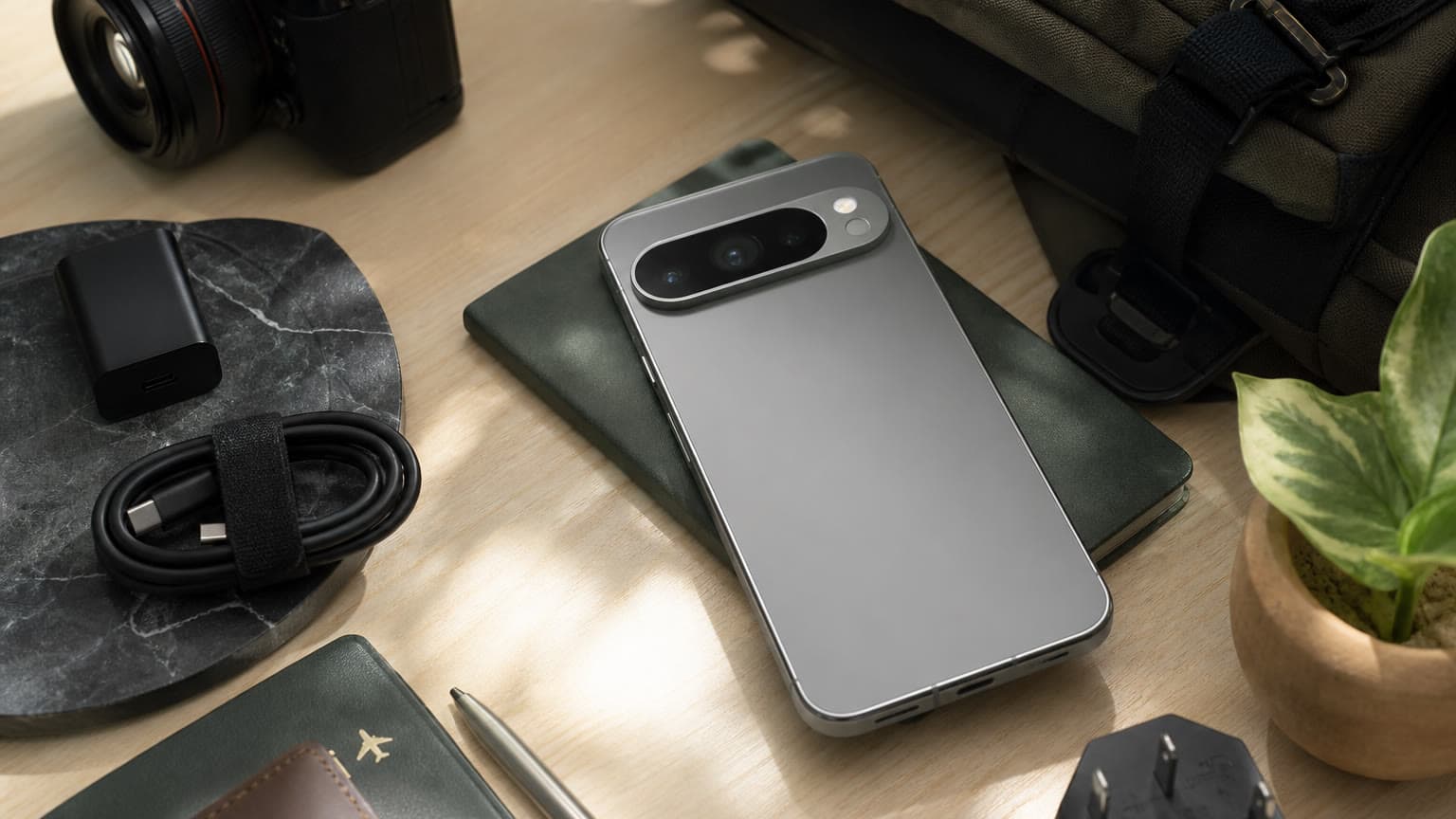
If your budget is tight, the Google Pixel 6 is the value pick because it keeps the main Pixel camera experience, 5G, wireless charging, IP68 protection and a lower Ogabassey listed starting price. Choose the Google Pixel 7 Pro if you want the bigger 120Hz QHD+ screen, 12GB RAM, a 5x telephoto camera and a newer-feeling premium Pixel.
Decision summary
This comparison is catalog-verified from the current Ogabassey product snapshot, with official-source hardware context from Google's Pixel specifications page. It is written for Nigerian buyers comparing a used Pixel 6 against a Pixel 7 Pro that is listed with new and variant options. That matters because the decision is not only about which phone has better specs; it is also about condition, import risk, repair confidence, software horizon, charger readiness and whether the extra spend produces a daily benefit.
The short answer is simple: buy the Google Pixel 6 if the phone passes condition checks and you want the cheapest route into Google's Tensor-era camera processing. Buy the Google Pixel 7 Pro if you care about zoom photography, smoother display quality, a larger battery, more RAM and a more complete flagship feel. Both are Pixel phones, both support 5G, both have eSIM plus nano-SIM, and both omit a memory card slot and headphone jack.
For many Nigerian buyers, the Pixel 6 makes sense only when the exact used unit is clean: no screen burn-in, no weak battery, no network lock, no water-damage history, no suspicious repair signs and no mismatched variant expectations. The Pixel 7 Pro costs more, but its camera system and display give you clearer reasons to pay extra than a simple generation upgrade would.
Pixel 6 vs Pixel 7 Pro comparison table
| Decision point | Google Pixel 6 | Google Pixel 7 Pro | Buyer meaning in Nigeria |
|---|
| Ogabassey listed starting price | NGN 372,600 | NGN 540,000 | The Pixel 6 starts much lower, so it suits buyers trying to stay below mid-premium flagship pricing. |
| Listed condition | Used | New in the product record, with variant context to confirm before checkout | Condition verification is more important on the Pixel 6; variant and live availability confirmation is important for both. |
| Processor | Google Tensor | Google Tensor G2 | Both are Google chips built for Pixel camera and AI features; the Pixel 7 Pro is the newer platform. |
| RAM | 8GB | 12GB | The Pixel 7 Pro has more headroom for heavy multitasking, camera work and longer-term comfort. |
| Storage | 128GB listed base, with higher variants shown in catalog pricing range | 128GB, 256GB and 512GB options listed | Neither has a card slot, so storage choice matters before payment. |
| Screen size | 6.4 inches | 6.7 inches | The Pixel 6 is easier to handle; the Pixel 7 Pro is better for video, maps, editing and reading. |
| Display resolution | 1080 x 2400 | 1440 x 3120 | The Pixel 7 Pro is sharper, especially for text, photos and dense app screens. |
| Display type | FHD+ OLED | QHD+ LTPO OLED | The Pixel 7 Pro has the more premium display technology. |
| Refresh rate | 90Hz | 120Hz | The Pixel 7 Pro should feel smoother in scrolling and supported apps. |
| Main rear camera | 50MP wide plus 12MP ultrawide | 50MP wide, 12MP ultrawide with autofocus, 48MP 5x telephoto | The Pixel 6 covers everyday shots; the Pixel 7 Pro is the better travel, event and creator camera. |
| Zoom | Super Res Zoom up to 7x | Super Res Zoom up to 30x | The Pixel 7 Pro has the clear advantage for distant subjects. |
| Video | Rear 4K at 30/60 fps; front 1080p at 30 fps | Rear and front 4K at 30/60 fps; 10-bit HDR video listed | The Pixel 7 Pro is more useful for creators who record with both cameras. |
| Battery capacity | 4614mAh | 5000mAh typical | The Pixel 7 Pro has the larger listed battery, but used battery health still matters on any imported phone. |
| Wired charging listing | Charging watt not listed in the snapshot | 23W listed | Confirm charger compatibility and do not assume a power brick is included. |
| Wireless charging | Yes, up to 21W listed | Yes, up to 23W listed | Both support premium charging features, but wireless accessories add cost. |
| Water resistance | IP68 | IP68 | Helpful, but not a warranty against prior water damage on a used unit. |
| SIM | Dual SIM: single nano-SIM and eSIM | Dual SIM: single nano-SIM and eSIM | Good for buyers who combine a physical Nigerian SIM with eSIM, where supported by the network. |
| 5G | 5G support; sub-6 and mmWave support varies by model | 5G support; sub-6 and mmWave support varies by model | Check the exact model, because imported Pixels can vary by region and network band support. |
| Security unlock | Fingerprint Unlock | Fingerprint Unlock and Face Unlock | The Pixel 7 Pro gives more unlock flexibility. |
| Weight | 207g | 212g | The Pixel 7 Pro is slightly heavier and larger. |
Price and value
The Pixel 6 has the stronger price argument. In the provided Ogabassey snapshot, it starts at NGN 372,600, while the Pixel 7 Pro starts at NGN 540,000. That gap is large enough to cover accessories, a case, a compatible charger, a screen protector or part of a future repair. For a student, first-time Pixel buyer or budget-conscious Android user, that matters.
But the Pixel 6 price advantage comes with a condition trade-off: it is listed as used. A used Pixel can still be a smart buy, but you should inspect it differently from a sealed or newer retail phone. Confirm battery health by real-world drain behaviour, inspect the OLED panel on white, grey and dark screens, check speaker quality, test both cameras, confirm 5G and 4G reception with your SIM, and verify that the fingerprint reader is reliable. Also confirm the exact storage before payment because there is no microSD card slot.
The Pixel 7 Pro is better value only if you will use what it adds. The extra money buys a larger and sharper LTPO OLED display, 120Hz refresh rate, 12GB RAM, a telephoto camera, better front video capability and a bigger 5000mAh listed battery. If your usage is mostly WhatsApp, banking apps, social media, calls, YouTube and occasional photos, the Pixel 6 may already do enough. If you shoot events, create short-form video, crop photos, travel, or want a premium Android screen, the Pixel 7 Pro has a clearer long-term payoff.
Before checkout, use the Ogabassey smartphones category to compare live Pixel listings against other Android phones in the same price band. Pixel phones often win on camera processing and clean software, but some Tecno, Infinix, Xiaomi and Samsung alternatives may offer larger batteries, bundled chargers, easier local parts access or broader official retail support.
Performance and daily use
Both phones are Tensor Pixels, so the experience is built around Google's camera pipeline, voice features, clean Android and fast app responsiveness rather than gaming-phone style specs. The Pixel 6 uses the first-generation Google Tensor chip with 8GB RAM. The Pixel 7 Pro uses Tensor G2 with 12GB RAM. That RAM difference is important for buyers who keep many apps open, edit media, switch between work apps or expect the phone to stay comfortable for several years.
The Pixel 6 should still be practical for everyday use: banking apps, ride-hailing, messaging, browsing, music, camera, maps and light editing. The 90Hz OLED display is also a major step up from standard 60Hz budget phones. Where it may feel less premium is under sustained camera use, heavy multitasking and storage pressure if you choose a 128GB unit and keep many videos locally.
The Pixel 7 Pro feels like the stronger business and creator phone. The 12GB RAM, QHD+ 120Hz LTPO display and more complete camera system make it better for people who work from their phone, review documents often, use split attention across apps or shoot content for social media. Its USB Type-C 3.2 Gen 2 listing also gives it a more premium spec profile than the Pixel 6's USB Type-C 3.1 Gen 1 listing.
There is one practical warning for both: Pixels are not officially positioned in Nigeria the same way mainstream Samsung, Tecno, Infinix and Xiaomi phones often are. That does not make them bad buys, but it raises the importance of seller trust, originality checks, model verification and post-purchase support. If repair support is part of your buying decision, also review Ogabassey's phone repairs page before committing to an imported Pixel.
Battery, display, and build
The Pixel 7 Pro has the stronger display on paper. It uses a 6.7-inch QHD+ LTPO OLED panel with 1440 x 3120 resolution, 512ppi and 120Hz refresh rate. The Pixel 6 uses a 6.4-inch FHD+ OLED panel with 1080 x 2400 resolution, 411ppi and 90Hz refresh rate. For scrolling, maps, photos and reading, the Pixel 7 Pro is the more polished phone.
Size preference still matters. The Pixel 6 is smaller and slightly lighter at 207g versus 212g for the Pixel 7 Pro. In Lagos traffic, one-handed use, tight jeans pockets and long calls, the smaller phone can be easier to live with. The Pixel 7 Pro gives you more screen, but it is a bigger device and may need a better case because curved-edge flagship phones can be expensive to protect and repair.
Battery capacity favours the Pixel 7 Pro: 5000mAh typical versus 4614mAh on the Pixel 6. However, battery experience for a Nigerian buyer depends on condition, charging habits, signal strength, heat and whether the exact unit has aged well. The Pixel 6 being used means you should not treat the original battery figure as a guarantee of all-day endurance. Ask about battery performance, test charging, and watch for swelling, abnormal heat or rapid percentage drops.
Both models list IP68 dust and water resistance, Gorilla Glass Victus cover glass, stereo speakers, NFC, USB OTG, wireless charging and reverse charging. Those are premium features, but used-device inspection still matters. IP ratings can be weakened by drops, repairs, opened backs and previous water exposure, so do not pay a premium for water resistance alone on a used phone.
Camera and video: where the Pixel 7 Pro earns its price
The Pixel 6 is already a strong camera phone for the money because it has a 50MP wide camera with OIS/EIS and a 12MP ultrawide camera. For portraits, food photos, street scenes, social uploads and family shots, it gives you the main reason many people buy Pixels: consistent image processing without needing to tune every setting.
The Pixel 7 Pro is the better camera choice because it adds a 48MP 5x telephoto camera, autofocus on the ultrawide listing, Super Res Zoom up to 30x, rear and front 4K at 30/60 fps, and 10-bit HDR video. That is not a small upgrade. For church events, weddings, school programmes, concerts, travel and product shots, the Pixel 7 Pro lets you frame distant subjects without relying only on digital crop from the main camera.
If camera is your top priority but budget is capped, the Pixel 6 is sensible. If camera flexibility is your top priority and you can afford the difference, the Pixel 7 Pro is the one to buy. The telephoto lens is the feature that most clearly separates the two phones in real buyer terms.
Software support, 5G and compatibility checks
The snapshot lists Android 12 for the Pixel 6 and Android 13 for the Pixel 7 Pro as their original platform context. For current software status, buyers should verify the actual device update screen before paying, because used and imported units may have different update histories, carrier firmware behaviour or region-specific quirks. Google publishes Pixel update policy details separately, but the safest purchase workflow is still to inspect the exact handset.
Both phones support 5G, but the product snapshot notes that sub-6 and mmWave support varies by model and region. That detail matters in Nigeria. Do not buy either phone only because the product name says 5G. Ask for the exact model number, test your SIM, confirm LTE stability, and make sure the phone is factory unlocked rather than carrier-locked or patched in a way that could affect future updates or network behaviour.
The dual-SIM setup is also worth noting: both list one physical nano-SIM plus eSIM. If you rely on two physical SIM cards, neither phone is ideal. If your network and plan support eSIM, this setup can work well for people who keep one personal Nigerian line and one work, travel or data line.
Who should buy each option?
Buy the Google Pixel 6 if:
You want the lower listed price, a smaller body, a strong main Pixel camera, 5G, wireless charging, IP68 protection and clean Android without paying for a Pro-tier camera system. It is the better choice for students, budget-focused buyers, casual creators and people upgrading from older midrange Android phones.
Buy the Google Pixel 7 Pro if:
You want the better screen, more RAM, more flexible camera setup, 5x telephoto zoom, stronger video specs and a more premium device overall. It is the better choice for content creators, business users, travellers, heavy multitaskers and buyers who plan to keep the phone longer.
Be careful with either if:
You need two physical SIM slots, a headphone jack, expandable storage, bundled charger certainty, easy walk-in official warranty support or the simplest repair path. In those cases, compare other phones on Ogabassey before deciding. Pixels are excellent for camera and software taste, but they are not always the lowest-risk option for every Nigerian buyer.
Alternatives to check before paying
If your main concern is Pixel camera quality at a lower used-phone price, also read Ogabassey's used Google Pixel 8a Nigeria guide. It helps frame what to inspect when buying a newer used Pixel, especially around battery and camera checks.
If you are comparing across the broader Pixel family, the used Google Pixel 9a buying guide is also useful because it focuses on open-box checks and battery questions. Newer A-series Pixels can make sense when you want a fresher phone and do not need the Pixel 7 Pro's telephoto camera.
For buyers who simply want the best phone in a price band rather than a Pixel specifically, widen the comparison to Samsung, Xiaomi, Tecno and Infinix options. Some rivals may offer faster charging, bigger batteries, dual physical SIM slots or more familiar parts availability. The trade-off is that they may not match the Pixel look for still photos or Google's clean Android experience.
Verdict
The Google Pixel 6 is the better budget buy in this comparison because its Ogabassey listed starting price is much lower and it still gives you a 50MP main camera, OLED display, 5G, IP68 protection, wireless charging and Google's Pixel software feel. The Google Pixel 7 Pro is the better phone because the comparison table clearly favours it on display resolution and refresh rate, RAM, battery capacity, zoom range, telephoto camera and front/rear video capability.
So the decision should be based on use, not only price. Choose the Pixel 6 if you want a cheaper used Pixel and can inspect the exact unit carefully. Choose the Pixel 7 Pro if you want the more complete flagship, especially for zoom photography, creator work, smoother display use and heavier multitasking. For most Nigerian buyers who can stretch the budget and want fewer compromises, the Pixel 7 Pro is the stronger long-term pick; for buyers protecting cash, the Pixel 6 remains the smarter value play.
FAQ
How much is the Google Pixel 7 Pro in Nigeria?
In the provided Ogabassey snapshot, the Google Pixel 7 Pro starts at NGN 540,000. Confirm the selected storage, colour, condition and live availability before checkout because variant pricing can change.
How much is the Google Pixel 6 in Nigeria?
The Google Pixel 6 starts at NGN 372,600 in the provided Ogabassey listing. It is listed as used, so inspect the exact unit's battery, display, cameras, network status and storage before paying.
Is 5G worth paying extra for in Lagos or Abuja?
5G is useful if your network, plan and location support it, but it should not be the only reason to pay more. For these Pixels, confirm the exact model and band support because 5G support varies by model and region.
Which is better for camera, Pixel 6 or Pixel 7 Pro?
The Pixel 7 Pro is better for camera flexibility because it adds a 48MP 5x telephoto camera and up to 30x Super Res Zoom. The Pixel 6 still makes sense for everyday photos at a lower price.
Sources
- Google Pixel phone hardware technical specifications
- Google Pixel software update policy