When shopping for a camera phone in 2026, megapixels are still useful, but they are not the scorecard. A 200MP phone can disappoint if the sensor is small, the lens is slow, the shutter lags, or the processing makes skin tones look artificial. A 48MP or 50MP phone can produce better everyday photos if it has a larger sensor, reliable autofocus, optical stabilisation, strong HDR, and enough software support to keep the camera app improving over time.
This guide explains what to check before buying, especially if you are choosing between Samsung, iPhone, Xiaomi, Tecno, Infinix, Google Pixel, or a used flagship in Nigeria. If you are already comparing available models, start with Ogabassey’s Smartphones collection, then use the checks below to separate real camera value from marketing numbers.
Who this is for
This article is for buyers who care about photos and video but do not want to pay for the wrong feature. It is most useful if you shoot children indoors, products for business, social media videos, nightlife, events, food, documents, or travel photos. It also helps if you are considering a used flagship because older premium phones can beat newer mid-range phones in camera quality, but only when the battery, lens glass, storage, warranty status, and network compatibility still make sense.
If you only take daylight photos for WhatsApp and Instagram, you may not need the most expensive Ultra, Pro, or Pro Max model. If you shoot video, portraits, concerts, low-light scenes, or zoomed shots, the difference between a spec-heavy phone and a genuinely good camera phone becomes much easier to see.
Key specs and buying context
1. Sensor size matters more than headline megapixels
The sensor is the light-catching surface behind the lens. Larger sensors usually gather more light, which helps with cleaner night shots, better dynamic range, and more natural background separation. That is why phones such as the Xiaomi 15 Ultra can be compelling for photography buyers: its official specs highlight a 1-inch main sensor and a bright f/1.63 lens. By contrast, many budget and mid-range phones advertise high megapixel counts while using smaller sensors that struggle indoors.
Megapixels still matter for cropping, high-resolution modes, and some zoom systems, but most phones combine pixels by default to produce smaller, cleaner images. A 200MP camera is not automatically taking better 200MP photos every time; it is usually using that resolution as part of a larger processing system.
2. Aperture affects low light, portraits, and group photos
Aperture is shown as an f-number, such as f/1.7 or f/1.9. Lower numbers generally let in more light. This helps at night, indoors, and when shooting moving people because the phone can use a faster shutter speed. However, an extremely wide aperture can make it harder to keep a full group in focus, so the best result comes from the balance of sensor size, lens design, autofocus, and processing.
Do not compare aperture alone across brands. A phone with a large sensor and f/1.9 lens may still outperform a smaller-sensor phone with f/1.7. Treat aperture as one part of the camera system, not a final verdict.
3. OIS is a must-have for serious low-light photos and video
Optical image stabilisation, or OIS, physically helps steady the camera module. It reduces blur from hand movement and gives the phone more room to use longer exposures at night. For video, OIS works with electronic stabilisation to reduce shake while walking or panning. If two phones have similar sensors and processing, choose the one with OIS on the main camera. For zoom buyers, OIS on the telephoto lens is also important.
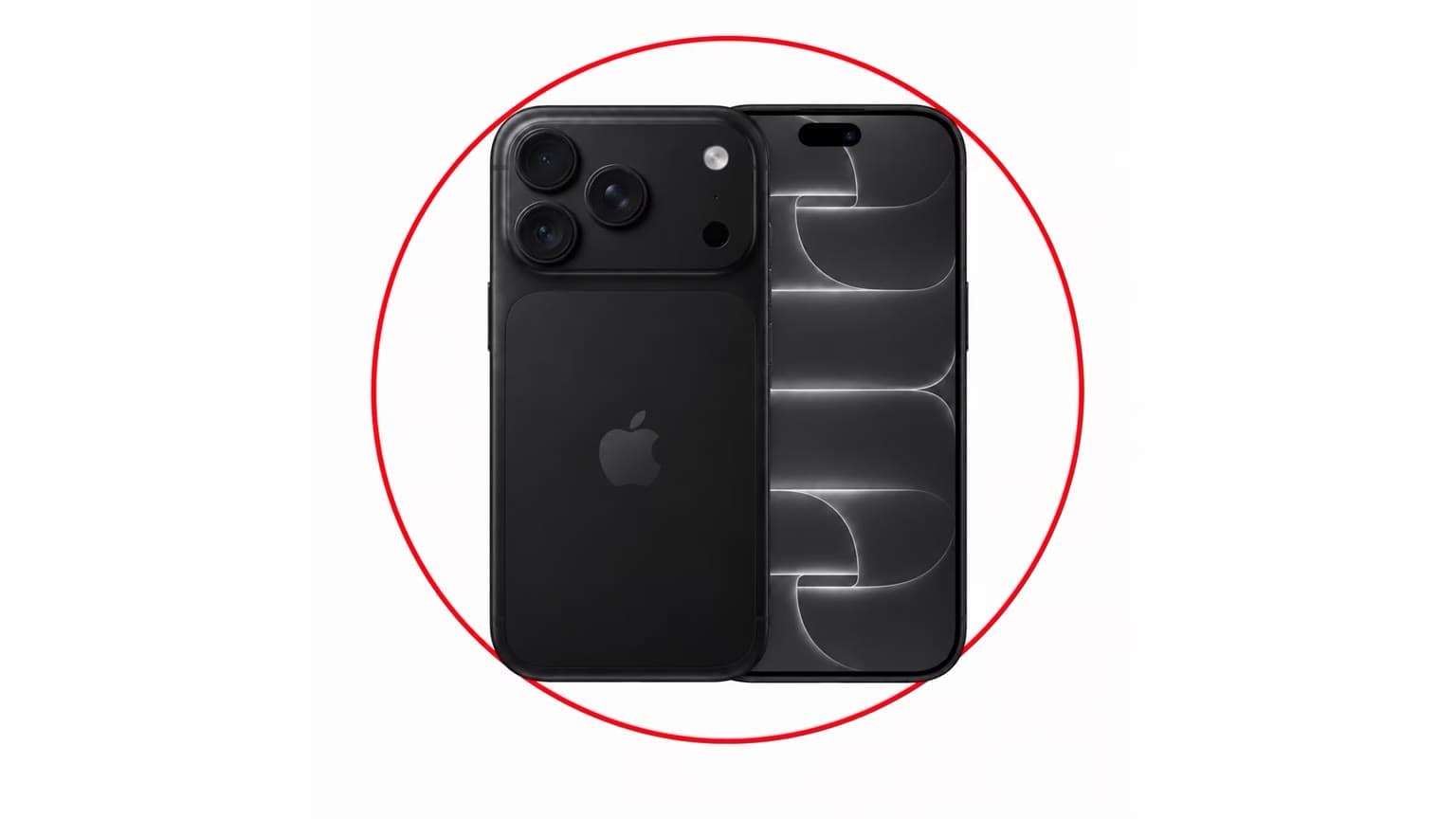
This is one reason premium camera systems stay useful for longer. Apple’s iPhone 16 Pro specs list sensor-shift optical image stabilisation on the main camera and 5x telephoto support, while Samsung’s Galaxy S25 Ultra official camera stack combines a 200MP main camera with OIS and multiple zoom lenses. Those systems are not better because of megapixels alone; they are better because the hardware supports steadier capture across different focal lengths.
4. Lens choice is the hidden camera feature
A great camera phone should not only have one good main camera. Check the full lens set:
- Main camera: the most important lens for everyday photos, people, night shots, and quick snapshots.
- Ultrawide: useful for rooms, events, cars, buildings, and group photos, but weak ultrawides can look soft at the edges.
- Telephoto or periscope: important for portraits, stage shots, sports, travel, and product details from a distance.
- Selfie camera: important for creators, video calls, TikTok, Instagram, and front-camera vlogging.
If you shoot people, a proper 2x, 3x, or 5x zoom option can matter more than an ultrawide. If you shoot real estate, travel, or interiors, a sharp ultrawide matters more. If a phone has a big main camera but weak supporting lenses, expect inconsistent colours and quality when switching zoom levels.
5. Processing decides skin tone, HDR, motion, and consistency
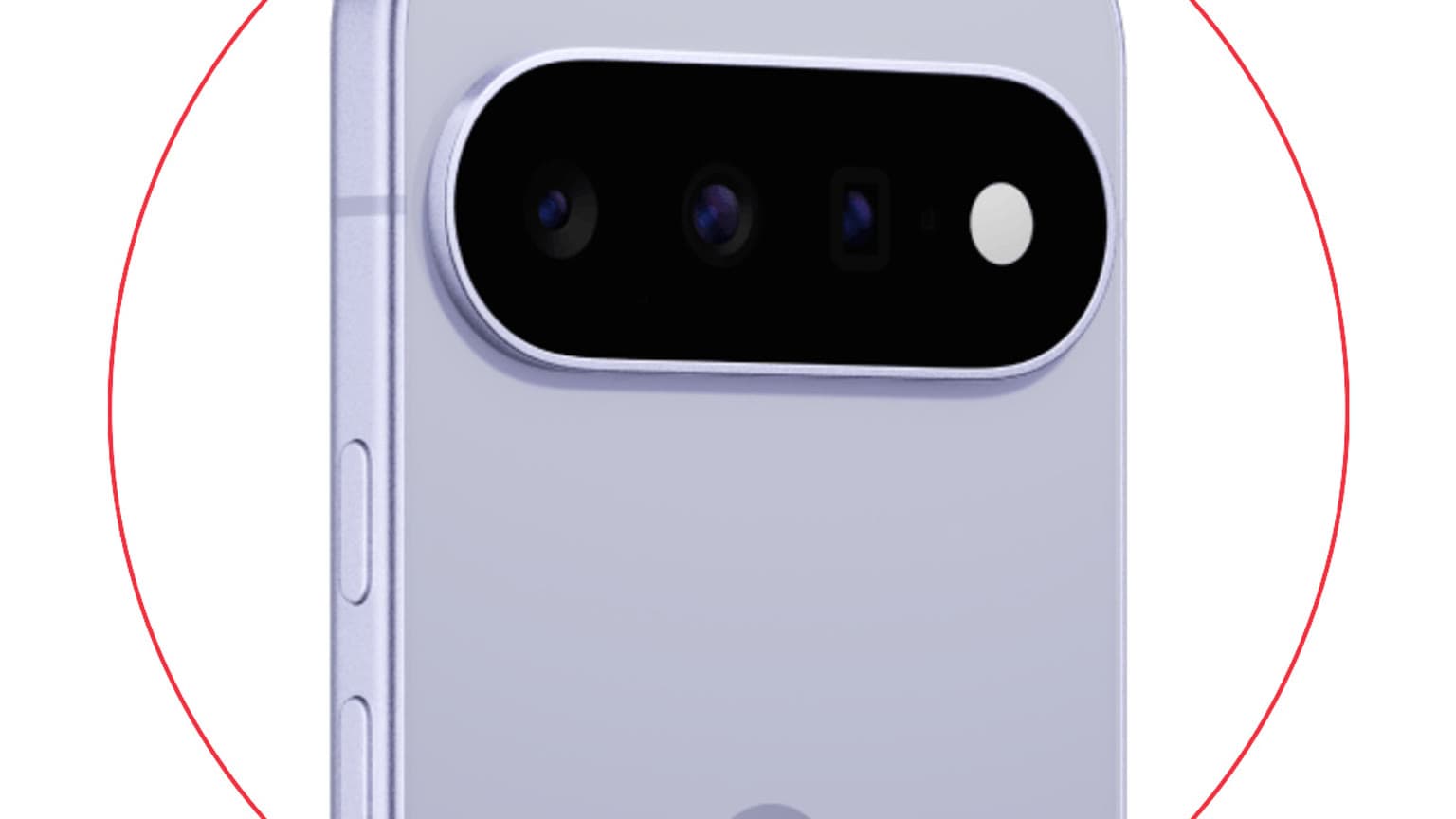
Modern smartphone photography is computational. The phone may combine multiple frames, brighten shadows, control highlights, sharpen details, reduce noise, and identify faces before you even see the final image. This is why Google Pixel phones remain part of camera conversations despite not always chasing the largest hardware numbers. Google’s Pixel 9 Pro specs, for example, pair a 50MP wide camera with 48MP ultrawide and 48MP 5x telephoto cameras, plus Super Res Zoom up to 30x.
When possible, judge sample photos of people with darker skin tones, mixed indoor lighting, bright sun, and moving subjects. A good camera phone should not only make buildings and flowers look sharp; it should expose faces well without turning skin orange, grey, or overly smooth.
Price and value: what to pay for first
For budget and mid-range buyers, pay for OIS, a good main sensor, adequate storage, and dependable software before paying extra for a huge megapixel number. A 108MP or 200MP budget phone without OIS, weak processing, and only 128GB storage may feel exciting on paper but frustrating after a few months.
For premium buyers, the value question is different. You are paying for consistency: better video, stronger zoom, more reliable autofocus, longer update support, faster storage, brighter displays for outdoor shooting, and better resale value. If you are comparing Samsung models, Ogabassey’s Samsung Unpacked 2025 overview is a useful companion for understanding how Samsung positioned its newer Galaxy lineup.
In Nigeria, also price in charger availability, case and screen protector cost, battery replacement options, repair parts, and whether the model has local warranty support. A cheaper imported used flagship may still be a good deal, but only if you can verify battery health, camera focus, Face ID or fingerprint function, IMEI status, network bands, and warranty or return terms before paying.
5G, storage, battery, and software still matter
A camera phone is still a phone. If you shoot lots of 4K video, avoid low storage variants unless you regularly back up to cloud or external storage. For many buyers, 256GB is a more comfortable minimum than 128GB. If you record ProRes, LOG, high-bitrate Android video, or long event clips, consider 512GB or higher.
Battery and charging matter because camera use drains power quickly. Bright screens, 5G uploads, GPS tagging, and video recording can burn through a battery during events. A phone with slightly weaker camera specs but better battery life may be the better choice for creators, vendors, dispatch businesses, and students who shoot all day.
5G is worth paying extra for only if coverage and carrier support fit your real location. MTN Nigeria lists 5G support for iPhone 12 and newer, but coverage remains location-dependent. In Lagos and Abuja, check your exact neighbourhood, not just the city name. If you mostly use 4G areas, spend the extra money on a better camera system, more storage, or warranty instead.
Software support is part of camera value too. Camera tuning often improves through updates, and long update windows help security, app compatibility, resale value, and AI features. Before buying a used Android flagship, check whether it still has meaningful OS and security updates ahead. Before buying an iPhone, confirm battery health and repair history because camera quality is only useful if the phone can sustain performance.
Trade-offs to understand before buying
High megapixels can mean slower workflow. Full-resolution images take more storage and may be slower to process. Most people should shoot in the default binned mode unless they need cropping detail.
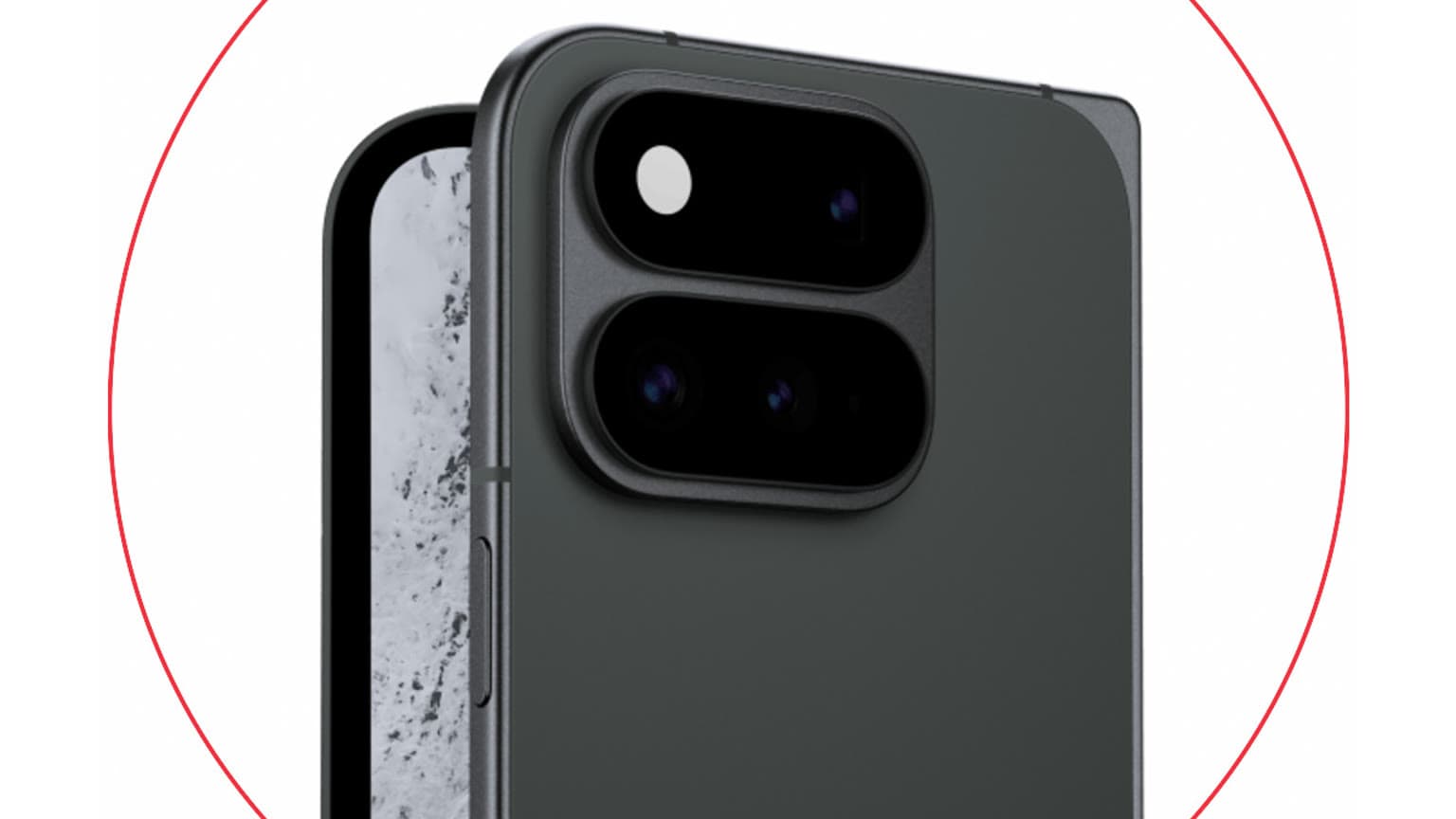
Large camera bumps are not just cosmetic. Bigger sensors and periscope lenses need space. If you want the best camera hardware, expect a thicker camera island and a phone that may wobble on a table without a case.
Zoom claims can be misleading. Optical zoom is not the same as digital zoom. A phone may advertise 100x zoom, but the useful range may be much lower. Look for strong results at the zoom levels you actually use: 2x for portraits, 3x to 5x for events, and 10x only if you regularly shoot distant subjects.
Used flagships can be excellent or risky. A used iPhone Pro, Galaxy Ultra, Pixel Pro, or Xiaomi Ultra can beat a new mid-range phone for camera quality. The risk is hidden damage: replaced lens glass, dust inside the camera, weak battery, water exposure, non-original screen, carrier locks, or missing warranty. Test all lenses, video modes, microphone audio, flash, autofocus, portrait mode, and stabilisation before purchase.
Alternatives by buyer type
Best for video-first buyers: iPhone Pro models remain strong choices because of video consistency, app support, stabilisation, colour, and accessory ecosystem. They are usually expensive, so the value depends on storage, battery health, and whether you need iOS-only workflows.
Best for zoom and versatility: Galaxy Ultra models are strong if you want a wide range from ultrawide to long zoom. They are also easier to recommend when you want local accessory availability and a familiar Android ecosystem.
Best for point-and-shoot processing: Google Pixel Pro models are attractive if you want reliable HDR, face exposure, and computational photography. Confirm network support and repair options before buying imported units in Nigeria.
Best for large-sensor photography fans: Xiaomi Ultra models can offer serious camera hardware, especially for buyers who understand focal lengths and manual controls. The trade-off is that warranty, parts, and resale may vary by market.
Best for tighter budgets: Tecno, Infinix, Redmi, and Samsung A-series models can make sense when the price is right. Prioritise OIS, storage, battery, warranty, and real sample photos over the biggest megapixel label.
Quick camera-phone checklist
- Does the main camera have OIS?
- Is the sensor large enough for good indoor and night shots?
- Are ultrawide and zoom cameras useful, or are they just there for the spec sheet?
- Can the phone record stable 4K video without overheating too quickly?
- Does it have enough storage for photos and video?
- Will the software still receive updates for the years you plan to use it?
- Is there local repair support, warranty, or a written return window?
- Have you checked real sample photos of people, night scenes, and moving subjects?
Verdict
Megapixels are a starting point, not the decision. In 2026, the best smartphone camera for most buyers is the one that balances sensor size, aperture, OIS, useful lenses, reliable processing, storage, battery life, software support, and local ownership realities. If you are buying in Nigeria, also weigh warranty, repairability, network fit, and whether 5G matters in your exact area.
Choose the phone that matches what you shoot most. For family photos and social media, consistency matters more than extreme zoom. For creators, video quality, stabilisation, microphones, storage, and battery matter as much as the camera sensor. For used flagship buyers, a clean device with verified warranty status and healthy cameras is better than a cheaper unit with hidden repairs. The right camera phone is not the one with the largest number on the box; it is the one that gives you dependable photos and video after the excitement of the spec sheet has worn off.
Sources