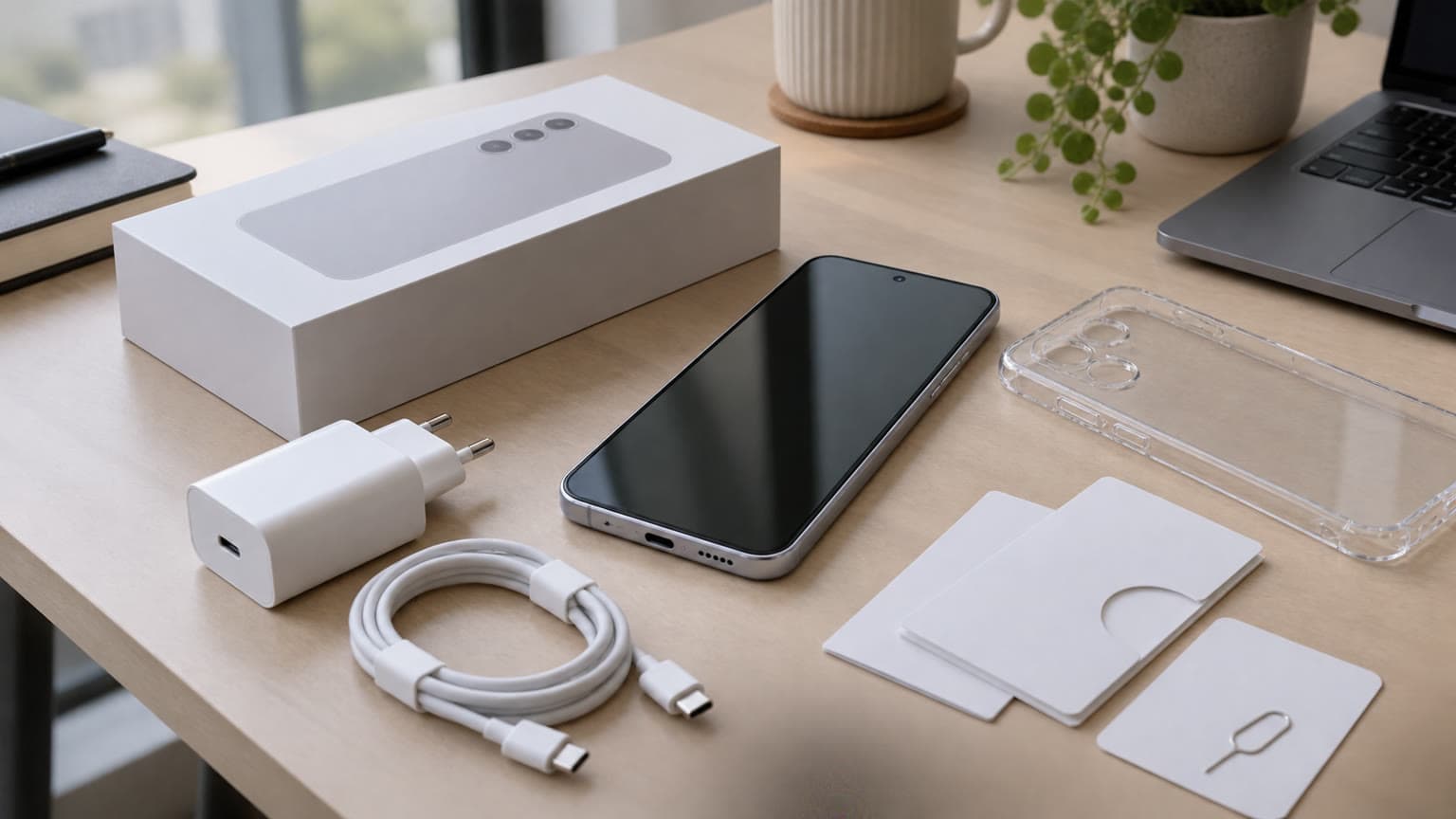
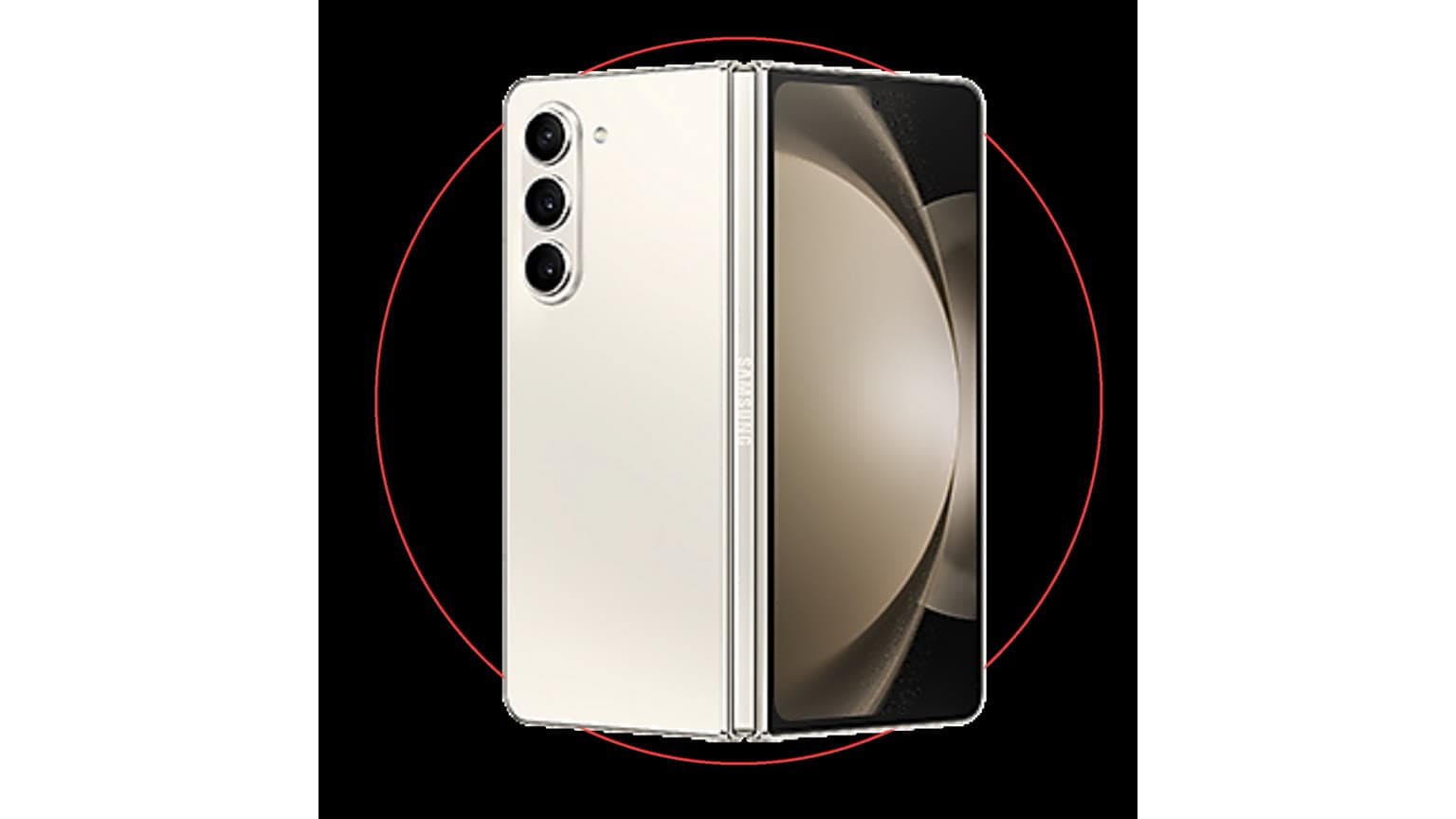
Samsung Unpacked 2025 was not just another flagship launch. It set the direction for Samsung’s 2025 phone strategy: more Galaxy AI, deeper Google Gemini integration, a custom Snapdragon platform across the Galaxy S25 line, and a stronger push to make phones feel like personal assistants rather than simple app launchers.
Now that we are reviewing this from a 2026 buying perspective, the event is also easier to judge. The Galaxy S25, Galaxy S25+, Galaxy S25 Ultra, and later Galaxy S25 Edge are no longer just launch-day announcements. They are phones buyers may now see as discounted new stock, UK/US imports, clean used units, or alternatives to newer Galaxy models. If you are comparing current Samsung phones, start with Ogabassey’s smartphone buying options, then use this guide to understand what the S25 generation actually changed.
Quick Verdict
The Galaxy S25 series was a meaningful upgrade if you care about AI features, long software support, compact flagship performance, and video tools. It was less exciting if you expected major camera hardware changes across every model. In 2026, the S25 line makes the most sense when the price is clearly below newer Galaxy S26 options, the device has a verifiable warranty or clean import history, and you are choosing the right model for your battery, camera, and size needs.
Who This Is For
The Galaxy S25 is best for buyers who want a small premium Android phone with strong performance, 12GB RAM, 5G, and Samsung’s long update promise. The S25+ is the easier everyday pick if you want the same core experience with a larger screen, bigger battery, and more comfortable storage options. The S25 Ultra is for creators, heavy multitaskers, S Pen users, and anyone who genuinely needs Samsung’s strongest zoom camera system. The S25 Edge is the style-first choice: very slim, premium, and distinctive, but not the best value for battery or zoom photography.
For Nigerian buyers, the S25 series should be treated as a premium purchase rather than a spec-sheet impulse. Confirm the exact model number, dual-SIM/eSIM needs, 5G band support, Samsung account access, charger compatibility, and warranty route before paying. If 5G is part of your reason for upgrading, check real coverage in your area of Lagos, Abuja, Port Harcourt, Ibadan, or your actual daily commute. A strong 4G phone can still feel better than a 5G phone in an area where 5G coverage is weak or indoor reception is poor.
What Samsung Announced At Unpacked 2025
At the January 22, 2025 Galaxy Unpacked event, Samsung introduced the Galaxy S25, Galaxy S25+, and Galaxy S25 Ultra. The event’s main message was clear: the phone should understand context, connect apps, and reduce the number of manual steps you take every day. That is why Samsung focused so heavily on One UI 7, Galaxy AI, Gemini, Now Brief, Now Bar, and cross-app actions.
The surprise was the Galaxy S25 Edge teaser. At launch it was only a preview, but Samsung later turned it into a real product: a very thin Galaxy S25-family phone with a 200MP main camera and a slimmer build than the standard models. That matters in 2026 because shoppers may now see four different S25-style choices in the market, each with a different trade-off.
One UI 7, Galaxy AI, And Gemini
The software story was the biggest shift. Galaxy AI became more deeply tied into Samsung apps, Google apps, and device-level actions. Gemini was available at launch on the S25 series, while Now Brief and Now Bar gave Samsung a more glanceable way to surface reminders, activity, and contextual suggestions.
These features are useful when they save time: summarising information, cleaning up audio, helping with writing, finding settings, or moving across apps with fewer taps. They are less valuable if you mainly use WhatsApp, calls, banking apps, YouTube, and camera. Before paying extra for “AI phone” branding, ask whether you will actually use those tools weekly.
There is also a trust point: Samsung’s launch materials described some Galaxy AI features as free through 2025 on supported Galaxy devices. In 2026, buyers should check the current terms on the exact feature they care about, especially if it depends on a Samsung account, Google account, cloud processing, or a partner service. Do not buy the phone only because of one AI feature unless you know it is still available in your region and language.
Key Specs And Buying Context
| Model | Best fit | Key buying notes |
|---|
| Galaxy S25 | Compact flagship users | 6.2-inch class display, Snapdragon 8 Elite for Galaxy, 12GB RAM, 4,000mAh battery, 50MP main camera, 3x telephoto, and 128GB or 256GB storage depending on market. |
| Galaxy S25+ | Most balanced S25 pick | 6.7-inch class display, 4,900mAh battery, 12GB RAM, larger storage options, and a better size-to-battery balance than the base model. |
| Galaxy S25 Ultra | Camera, S Pen, and power users | 200MP main camera, upgraded 50MP ultrawide, dual telephoto setup, 5,000mAh battery, titanium frame, S Pen support, and the highest price in the January lineup. |
| Galaxy S25 Edge | Slim design buyers | Very thin body, 200MP main camera, 12MP ultrawide, no dedicated telephoto camera, smaller 3,900mAh battery, and a premium price that needs careful comparison against S25+ and Ultra deals. |
Samsung’s official US launch pricing started around $799.99 for the Galaxy S25, with the S25 Ultra positioned much higher. In Nigeria, final pricing depends on exchange rate, importer margin, storage, condition, and warranty route. A fair S25 deal in 2026 should be judged against three things: the price of a newer Samsung flagship, the price of a clean used S24 Ultra or S25 Ultra, and the cost of a warranty-backed midrange phone from Samsung, Xiaomi, Tecno, Infinix, or Google Pixel import sellers.
Performance, Battery, And Charging
The Snapdragon 8 Elite for Galaxy was one of the strongest reasons to care about the S25 series. It brought more headroom for gaming, video editing, AI processing, and long-term smoothness. Samsung also highlighted thermal improvements, including a larger vapor chamber on the S25 generation, which matters for hot climates and long camera sessions.
Battery choice is where buyers need discipline. The S25 is compact and powerful, but its 4,000mAh battery is not the safest pick for heavy hotspot use, gaming, or long days away from power. The S25+ is the better value for many people because its 4,900mAh battery gives more breathing room without paying Ultra money. The S25 Ultra’s 5,000mAh battery is the heavy-use option. The S25 Edge is the risky one for battery-first buyers because thinness comes with a smaller 3,900mAh battery.
Camera And Video: Strong, But Not A Clean Sweep
The S25 Ultra received the clearest camera hardware upgrade, especially with its 50MP ultrawide camera joining the 200MP main sensor and telephoto setup. That makes the Ultra the strongest S25 for zoom, landscape shots, creator work, and flexible framing. The base S25 and S25+ kept a more familiar camera structure, so their improvements leaned more on processing, AI, and video features than dramatic new hardware.
For video creators, the important additions were tools like Audio Eraser and log video support for more flexible color grading. These are not gimmicks if you record events, content, interviews, product videos, or travel clips. But if you mostly shoot quick social photos, a discounted S24 Ultra, Pixel, or iPhone may still compete strongly depending on price.
Software Support, Warranty, And Originality Checks
Samsung’s seven-year OS and security update promise is one of the strongest reasons to consider the S25 series in 2026. It makes the phone a better long-term buy than many Android imports with shorter support windows. Still, support only matters if the unit is genuine, region-compatible, and not locked, blacklisted, repaired badly, or missing warranty documentation.
Before buying in Nigeria, inspect the IMEI, model number, Knox status where possible, display condition, cameras, speakers, charging port, battery health signs, and water-damage indicators. For used units, avoid vague “foreign used, no issue” claims without testing. For new or open-box units, ask whether Samsung Care+ or local Samsung support applies. Samsung Africa’s warranty terms also make one thing clear: unauthorized repairs, altered serial details, and unclear IMEI status can create warranty problems.
Trade-Offs To Know Before Buying
The biggest trade-off is that Samsung put the most visible camera hardware improvements on the Ultra. If you buy the base S25 expecting a totally new camera generation, you may be disappointed. The second trade-off is charging: Samsung’s wired charging remains conservative compared with some Chinese Android brands, so buyers who value very fast charging should compare carefully.
The third trade-off is AI uncertainty. Galaxy AI is useful, but the long-term value depends on availability, language support, account requirements, and whether Samsung keeps key features free. The fourth trade-off is local repair cost. Premium Samsung screens and camera parts are not cheap, so a low purchase price can become expensive if the phone has hidden damage or no credible warranty path.
Alternatives Worth Comparing
If you want Samsung but not necessarily the S25, compare it with the newer Galaxy S26 line before paying flagship money. Ogabassey has a separate guide to the Samsung Galaxy S26 series, which is useful if you are deciding whether the S25 is now a discount buy or just old stock at the wrong price.
If you want the strongest Samsung camera value, compare a discounted S25 Ultra against a clean S24 Ultra. If you want a large screen and battery without Ultra pricing, the S25+ is often easier to justify than the Edge. If you want Android AI features and camera consistency, compare Google Pixel pricing and local support realities. If your budget is tighter, strong midrange phones from Samsung A-series, Tecno, Infinix, Redmi, and Xiaomi may give better battery and warranty comfort even if they cannot match S25 performance.
Final Verdict
Samsung Unpacked 2025 was important because it showed where premium phones were heading: AI-first software, long support, stronger on-device processing, and more creator-focused video tools. The Galaxy S25 series still makes sense in 2026, but only at the right price and with the right expectations.
Buy the S25 if you want a compact flagship. Buy the S25+ if you want the most balanced S25 for everyday battery and screen size. Buy the S25 Ultra if camera zoom, S Pen, and the best Samsung hardware matter. Be careful with the S25 Edge unless slim design matters more to you than battery capacity, zoom flexibility, and pure value.
Sources