Bassey John is a Performance Marketing Specialist at Ogabassey with cross-industry experience spanning e-commerce, gaming, and real estate. He focuses on paid acquisition, conversion-rate optimisation, and data-driven growth strategy, turning campaign performance into measurable revenue. At Ogabassey he writes about consumer technology, product buying guides, and the Nigerian gadget market to help shoppers make confident, informed decisions.
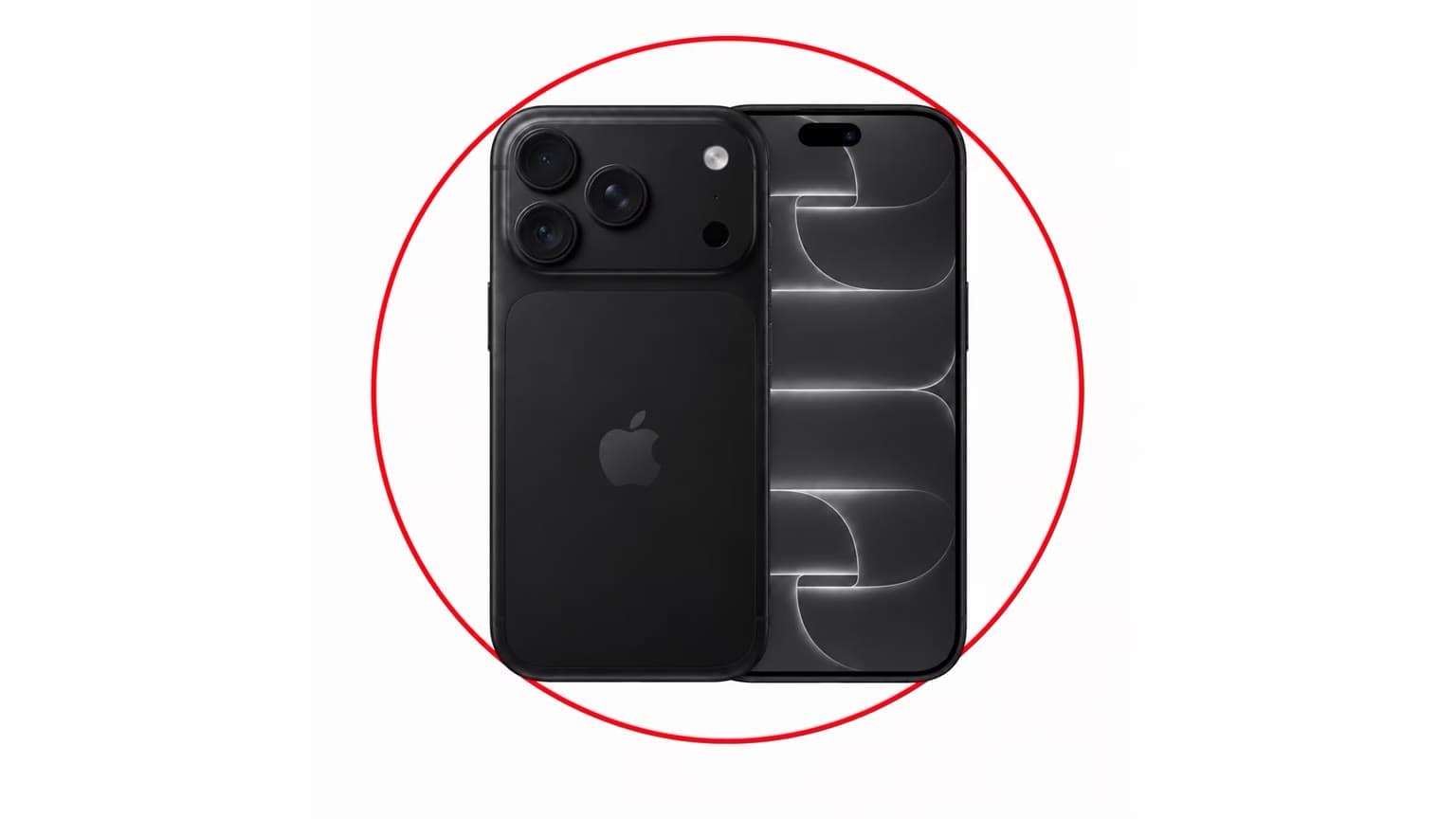
Last reviewed: June 13, 2026. If you are choosing between the iPhone 15 Pro and iPhone 16 in Nigeria, the decision is still about two different kinds of value. The iPhone 15 Pro gives you the Pro display, dedicated telephoto camera, LiDAR, Pro video tools and faster USB transfer. The iPhone 16 gives you the newer standard iPhone body, A18 chip, Camera Control, Wi-Fi 7, faster MagSafe/Qi2 wireless charging and the lower Ogabassey catalog price in this snapshot.
The short answer: choose the iPhone 16 if you want the cleaner everyday buy at a lower listed price. Choose the iPhone 15 Pro if 120Hz ProMotion, Always-On display, telephoto zoom, ProRes/Log video, LiDAR and USB 3 transfer matter enough to pay more for a clean open-box or used unit.
Decision summary
This is not a simple old-versus-new comparison. The iPhone 15 Pro was introduced in 2023, but its Pro hardware still solves problems the standard iPhone 16 does not. It has a 6.1-inch OLED display with ProMotion up to 120Hz, an Always-On display, titanium build, A17 Pro, 48MP main camera, ultra wide camera, 3x telephoto, LiDAR Scanner, ProRes and Log video, Wi-Fi 6E and USB-C with USB 3 speeds up to 10Gb/s when used with a compatible cable.
The iPhone 16 was introduced in 2024 and is the newer standard model. It keeps the same compact 6.1-inch class, but adds A18, Camera Control, an Action button, Wi-Fi 7, a 48MP Fusion main camera with 2x crop telephoto, an auto-focus ultra wide camera, macro photography, spatial photo/video support, USB-C with USB 2 transfer, and MagSafe/Qi2 wireless charging up to 25W with the right charger and adapter.
Based on the Ogabassey catalog context supplied for this enrichment, the iPhone 16 is listed from NGN 900,000, while the iPhone 15 Pro listing shows NGN 1,100,000 with wider variant pricing. Both catalog targets show stock quantity as 0, so treat those prices as comparison context only. Confirm live stock, storage, colour, condition, battery health, SIM configuration, warranty or return terms, and final checkout price before paying.
Condition checks matter as much as specs when choosing a used or open-box iPhone.
What changed for 2026 buyers
The 2026 context matters because the iPhone 16 is no longer the newest iPhone family in the Ogabassey catalog, and buyers can now compare it against newer iPhone 17-series listings, discounted older Pro models and the iPhone 16 Pro. That does not make this comparison irrelevant. It makes the price gap, condition, warranty and software-feature fit more important.
Both phones remain strong Apple Intelligence candidates because Apple lists Apple Intelligence support for iPhone 15 Pro and iPhone 16. That is an important difference from older standard iPhones such as the iPhone 15, iPhone 14 series and earlier models. If Apple Intelligence, iMessage, FaceTime, AirDrop, iCloud Photos and Apple Watch compatibility are part of your buying reason, either phone fits better than many older iPhones.
The bigger 2026 warning is resale logic. A clean iPhone 15 Pro can still feel more premium than a standard iPhone 16, but it is also an older Pro model with potentially higher repair costs. A clean iPhone 16 may have a simpler camera system, but it is newer, lighter, usually easier to recommend for family or office use, and lower in the supplied Ogabassey price context.
Price and value in Nigeria
At the supplied catalog prices, the iPhone 16 has the stronger value case. The NGN 200,000 gap between NGN 900,000 and NGN 1,100,000 can pay for a reliable USB-C charger, MagSafe/Qi2 charger, case, screen protector, delivery cost, or a repair reserve. For many Nigerian buyers, that is enough money to change the recommendation.
The iPhone 16 is the better budget answer for students, office users, family buyers, business owners and people replacing an iPhone 11, iPhone 12, iPhone 13 or older standard iPhone. It gives you modern Apple performance, 5G, USB-C, Wi-Fi 7, Apple Intelligence support, good camera quality and lighter 170g handling without stepping into Pro pricing.
The iPhone 15 Pro is the better value only when the buyer will actually use the Pro features. Paying more makes sense for creators, photographers, videographers, gamers who notice refresh rate, and buyers who dislike 60Hz screens. If you only take casual photos, browse social media, use banking apps and make calls, the Pro premium is harder to justify unless the specific iPhone 15 Pro unit is exceptionally clean and well-priced.
Side-by-side decision table
Decision factor
iPhone 15 Pro
iPhone 16
Nigeria buyer takeaway
Ogabassey price context
NGN 1,100,000 listed; variant range supplied from NGN 1,050,000 to NGN 1,630,000
NGN 900,000 listed; variant range supplied from NGN 900,000 to NGN 1,320,000
iPhone 16 is the lower-cost option in the supplied snapshot.
Catalog availability
Stock quantity shown as 0
Stock quantity shown as 0
Confirm live availability before checkout.
Best reason to buy
ProMotion display, telephoto, LiDAR, Pro video, USB 3
iPhone 15 Pro is stronger for editing workflows; iPhone 16 is enough for casual video.
USB-C speed
USB 3 up to 10Gb/s with compatible cable
USB 2 up to 480Mb/s
Creators moving large ProRes/video files should prefer the 15 Pro.
Wireless charging
MagSafe/Qi2 up to 15W
MagSafe/Qi2 up to 25W with compatible setup
iPhone 16 has the charging-spec advantage for wireless users.
Battery rating from Apple
Up to 23 hours video playback
Up to 22 hours video playback
Close on paper; used-device battery health matters more.
Connectivity
5G, Wi-Fi 6E, Bluetooth 5.3
5G, Wi-Fi 7, Bluetooth 5.3
iPhone 16 is more future-facing for newer routers.
Weight
187g
170g
iPhone 16 is easier for long calls and one-handed use.
SIM risk
SIM support varies by region; US units are eSIM-focused
SIM support varies by region; US units are eSIM-focused
For Nigeria, verify physical SIM or reliable eSIM support before payment.
Performance and daily use
Both phones are fast enough for WhatsApp, banking apps, ride-hailing, email, TikTok, Instagram, content editing, document scanning, hotspot use and 4K recording. The difference is feel and workflow. The iPhone 15 Pro feels more premium every time you scroll because of 120Hz ProMotion. The iPhone 16 feels newer in other ways: it has Camera Control, Wi-Fi 7 and a lighter body.
The iPhone 16 also has a practical everyday advantage for buyers who dislike heavy phones. At 170g, it is easier to hold during long calls, social media sessions and one-handed typing. The iPhone 15 Pro at 187g is not huge, but it feels denser because of the Pro hardware and titanium frame.
For file transfer, the iPhone 15 Pro has a real creator advantage. USB 3 up to 10Gb/s does not matter if you mostly use iCloud, AirDrop or WhatsApp compression. It matters if you shoot lots of video and move large files to a Mac, external SSD or editing workstation. The iPhone 16's USB 2 transfer is fine for charging, backups and normal users, but it is not the better creator workflow.
Camera and creator fit
The iPhone 15 Pro is the stronger camera phone. Its 3x telephoto camera gives cleaner framing for portraits, product shots, events and stage photos. LiDAR helps with depth-related camera features, and ProRes/Log support makes it better for people who edit footage seriously. If your phone is part of your business content workflow, the 15 Pro earns its premium more easily.
The iPhone 16 is still a good camera choice for everyday users. Its 48MP Fusion main camera supports high-resolution shots and a 2x crop telephoto mode, while its ultra wide camera adds macro photography. It also has Camera Control, which can launch the camera and adjust settings faster once you get used to it. The catch is that it remains a dual-camera phone; it cannot fully replace the optical flexibility of the iPhone 15 Pro's dedicated telephoto hardware.
For social media, both are strong. For a boutique owner shooting products, a content creator filming paid reels, a photographer who edits files, or a buyer who often zooms, the iPhone 15 Pro is the safer pick. For family photos, school, office documentation and casual travel, the iPhone 16 is enough and saves money.
Before paying, confirm SIM support, charger compatibility, warranty terms and the exact regional model.
Battery, charging and accessories
Apple's official ratings put the iPhone 15 Pro at up to 23 hours of video playback and the iPhone 16 at up to 22 hours. In real Nigerian buying conditions, do not over-read that one-hour difference. Battery health, charge cycles, previous heat exposure, repair history and charger quality can matter more than the original rating.
The iPhone 16 has the better wireless charging specification: MagSafe and Qi2 wireless charging up to 25W with the right charger and adapter. The iPhone 15 Pro supports MagSafe and Qi2 up to 15W. If you charge wirelessly at your desk, bedside table or shop counter, the iPhone 16 has an advantage. If you mostly charge by cable, both support fast charging to around 50% in about 30 minutes with a suitable adapter.
For either phone, avoid unknown chargers and damaged USB-C cables. Cheap accessories can create heat, charging dropouts and battery stress. Also remember that neither phone has a headphone jack or microSD slot, so choose storage carefully and budget for USB-C or wireless audio if needed.
Network, SIM and warranty checks
Both phones support 5G, but bands and SIM configuration depend on the exact regional model. This is critical in Nigeria because many imported iPhones are US, UK, UAE, Hong Kong, China or other regional variants. A US eSIM-only iPhone can work for some Nigerian users if their carrier setup is ready, but it is less convenient for buyers who regularly swap physical SIM cards or travel across African markets where eSIM support is inconsistent.
Before paying, check the model number, confirm whether the unit has a physical SIM tray, test your SIM or eSIM, verify 4G/5G data, make and receive calls, and confirm hotspot use. Do not assume every iPhone 15 Pro or iPhone 16 behaves the same simply because the name is the same.
Warranty and originality matter just as much. Check battery health, Face ID, display originality, True Tone, parts and service history, cameras, speakers, microphones, haptics, buttons, USB-C port, wireless charging, iCloud status and water-damage indicators where possible. For diagnosis or repair guidance after purchase, start with Ogabassey Phone Repairs.
Who should buy the iPhone 16?
Buy the iPhone 16 if your priority is value, newer standard hardware and a lighter daily phone. It is the better fit for students, office workers, family buyers, business owners and anyone upgrading from iPhone 11, iPhone 12, iPhone 13, iPhone XR or older. It also makes sense if the lower catalog price lets you buy a better-condition unit with clearer warranty terms.
The iPhone 16 is also the safer choice if you want Apple Intelligence support without paying Pro money. You still get a modern iPhone with A18, 5G, USB-C, Wi-Fi 7, Camera Control, good cameras and faster wireless charging. The main compromise is the 60Hz display and the lack of a dedicated telephoto camera.
Who should buy the iPhone 15 Pro?
Buy the iPhone 15 Pro if you already know you care about ProMotion, telephoto photography, ProRes/Log video, LiDAR or faster USB transfer. It is the more exciting phone for creators and demanding users, even though it is older than the iPhone 16.
The warning is condition. A rough iPhone 15 Pro is not automatically better than a clean iPhone 16. If the 15 Pro has weak battery health, display replacement issues, camera faults, unclear warranty or SIM restrictions that do not fit your network, the iPhone 16 becomes the better Nigerian buy quickly.
When to step up to iPhone 16 Pro or compare Samsung
If you like the iPhone 16's newer chip and wireless charging but do not want to give up ProMotion, telephoto reach and Pro camera controls, the iPhone 16 Pro is the cleaner upgrade path. The Ogabassey catalog context lists the iPhone 16 Pro with A18 Pro, a 6.3-inch 120Hz OLED, 48MP Fusion Main, 48MP Ultra Wide, 12MP 5x Telephoto, Wi-Fi 7, USB-C with USB 3, MagSafe/Qi2 wireless charging and IP68 water resistance. That makes it the real bridge between the two phones in this article, but it costs more in the supplied catalog context.
If you are not locked into iOS, compare Android flagships too. Samsung, Google Pixel and Xiaomi alternatives may offer stronger zoom, higher refresh-rate displays at lower prices, dual physical SIM convenience, or easier parts availability depending on model. For a larger flagship cross-shop, read Ogabassey's Samsung Galaxy S25 Ultra vs iPhone 16 Pro Max comparison.
Alternatives to consider
If both phones feel too expensive, compare the standard iPhone 15 only if you do not need Apple Intelligence and can accept older standard hardware. If you want a stronger Apple flagship than both, check the iPhone 16 Pro, especially if camera range, ProMotion and USB 3 matter more than the lower price of the standard iPhone 16.
If you want a bigger Apple flagship with stronger battery feel, also read the Ogabassey guide to the iPhone 16 Pro Max in Nigeria. For a broader view of available phones, browse Ogabassey Smartphones.
Verdict
For most Nigerian buyers in this catalog context, the iPhone 16 is the smarter everyday purchase. It is listed lower, it is newer, it is lighter, it supports Apple Intelligence, and it brings Wi-Fi 7, Camera Control and faster MagSafe/Qi2 wireless charging. It is the easier phone to recommend if your budget matters and you do not specifically need Pro camera or Pro display features.
The iPhone 15 Pro is still the better enthusiast phone. Its 120Hz ProMotion display, Always-On display, 3x telephoto camera, LiDAR, ProRes/Log video and USB 3 transfer make it more capable for creators and users who notice premium hardware. Buy it only if the specific unit is clean, battery health is strong, SIM support fits Nigeria, and the price premium is justified by how you will use it.
The final decision should be made on the exact unit, not the model name. A clean, well-priced iPhone 16 can beat a tired iPhone 15 Pro. A clean iPhone 15 Pro with verified parts and strong battery health can beat a poorly kept iPhone 16 for creators. Confirm live stock, condition and warranty before checkout.
FAQ
Which is better for most buyers in Nigeria, iPhone 15 Pro or iPhone 16?
The iPhone 16 is better for most buyers because it is lower in the supplied Ogabassey price context, newer, lighter and still supports Apple Intelligence. The iPhone 15 Pro is better for buyers who specifically need ProMotion, telephoto zoom, Pro video features or faster USB transfer.
Is the iPhone 15 Pro camera better than the iPhone 16 camera?
Yes for flexibility. The iPhone 15 Pro has a dedicated 3x telephoto camera and LiDAR, while the iPhone 16 relies on a 48MP Fusion main camera with a 2x crop telephoto mode plus ultra wide. For portraits, events, product photos and creator work, the 15 Pro has the advantage.
Does the iPhone 16 have a better battery than the iPhone 15 Pro?
Apple's official video playback rating is close: up to 22 hours for iPhone 16 and up to 23 hours for iPhone 15 Pro. For used or open-box buying, battery health and previous usage are more important than the original rating.
Should I avoid eSIM-only iPhones in Nigeria?
Not always, but you should verify before paying. If your carrier and travel pattern work well with eSIM, an eSIM-only unit may be fine. If you swap physical SIMs often or need broad travel flexibility, a model with physical SIM support is usually safer.
Is 5G worth paying extra for in Lagos or Abuja?
Both phones support 5G, but 5G value depends on your carrier, plan, location and exact model bands. Do not pay extra for 5G alone; check LTE reliability, SIM support, battery health, warranty and condition first.
Catalog-linked prices update automatically. Historical and other quoted prices remain as written. Open the product page to confirm the current price, selected variant and availability before buying.