Tablets
Samsung • ₦95,000
Samsung • ₦580,000
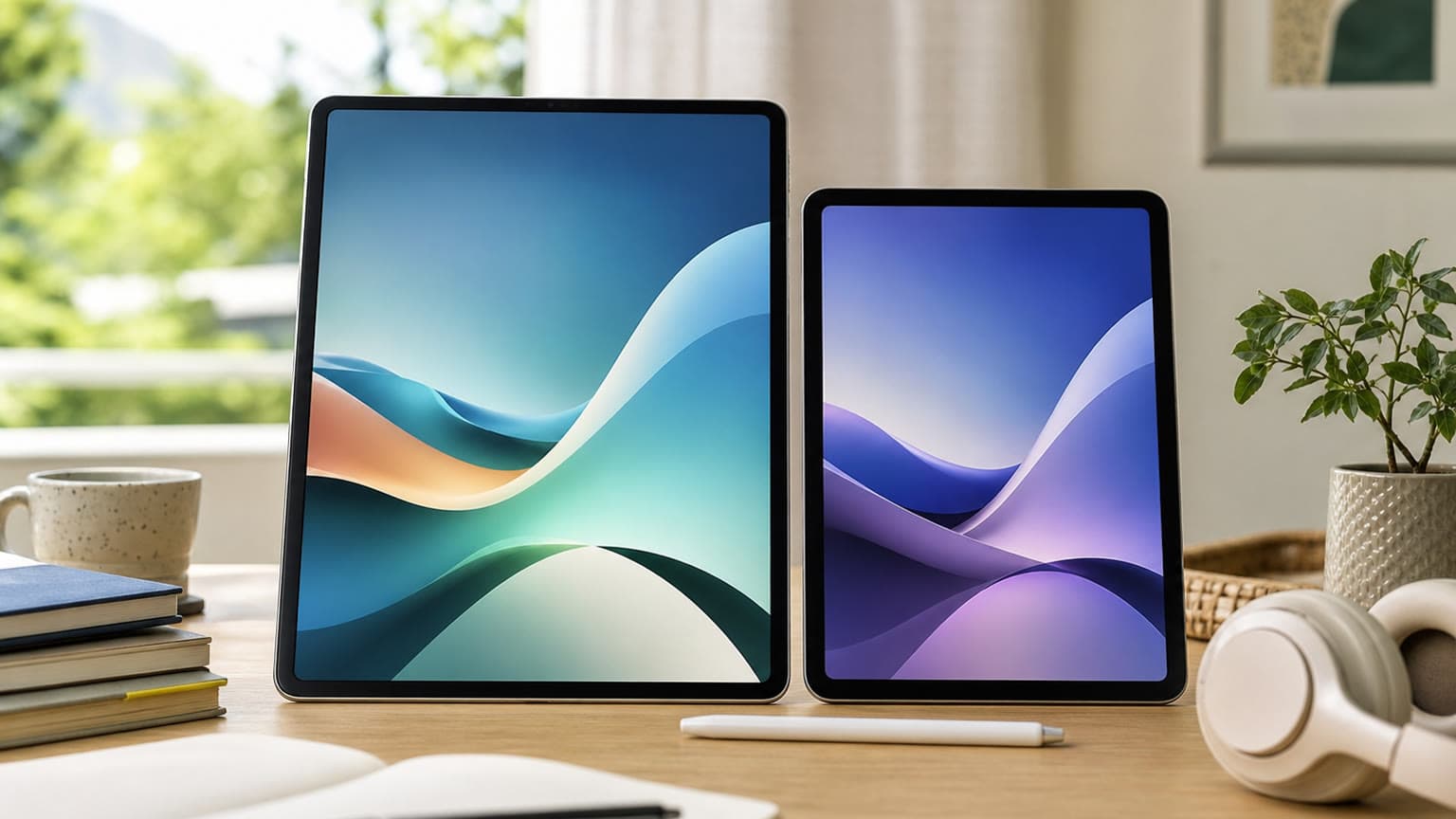
Xiaomi’s Pad 9 Pro Max is now official in China with the new Xring O3 chip, a 13.3-inch 144Hz display and a 12,000mAh battery. For Nigeria buyers, the useful question is not import hype; it is whether this flagship tablet is worth waiting for over available Redmi Pad options.
The Xiaomi Pad 9 Pro Max launch matters because it moves Xiaomi’s premium tablet line beyond a simple screen-size upgrade. Independent reports published inside the September 2026 news window say the tablet launched in China on September 7, 2026, alongside the Xiaomi 18 Fold, with the Pad 9 Pro Max positioned as Xiaomi’s first tablet built around the company’s Xring O3 flagship processor.
The headline hardware is a 13.3-inch LCD with a 3408 x 2272 resolution, a 3:2 aspect ratio and up to 144Hz refresh rate. That 3:2 shape is important for document work, note taking, browser tabs, coding references, spreadsheets and split-screen use because it gives more vertical room than many wide entertainment-first tablets. The device is also reported with up to 16GB of RAM, up to 1TB of storage, 120W wired charging and a large 12,000mAh battery.
The other standout detail is external-display behavior. Android Authority reports that the Pad 9 Pro Max supports video input, meaning it can act as a screen for another device rather than only pushing video out. For buyers who carry a handheld console, a compact PC, a camera workflow or a laptop, that changes the tablet from “large Android slate” into a possible secondary display. That is the part Nigeria buyers should watch most closely if the device ever moves beyond China.

There is no confirmed Ogabassey catalog page for the Xiaomi Pad 9 Pro Max at draft time, and Xiaomi has not been reported as confirming global or Nigeria availability. That means Nigeria buyers should treat any early import offer as a warranty and variant question first. A China-only launch can still be tempting, but the practical checks are software region, charger standard, keyboard language layout, after-sales route and whether the seller can support return claims locally.
The reported China starting price is CNY 4,799, which independent reports convert to roughly $715 before shipping, clearing fees, reseller margin and naira movement. That is not a Nigeria retail price. It is only a launch-market anchor. By the time an import unit reaches Lagos, Abuja, Port Harcourt or Accra, the final landed price can move sharply depending on exchange rate, available configuration and bundled accessories.
For shoppers who need a tablet now, Ogabassey already lists Xiaomi and Redmi tablet alternatives in the Tablets category. The catalog-linked Redmi Pad 2 Pro is the closest local comparison point because it also targets the large-screen entertainment and light productivity buyer. The Redmi Pad 2 9.7 is the more compact option for school notes, reading and lighter media use, while Redmi Pad SE 8.7 4G is the better reference point for buyers who value portability and mobile data over a laptop-style screen.
Ogabassey first-party query signals also show real local interest around “redmi pad 2 price in nigeria,” “redmi pad se price in nigeria” and “redmi pad 2 pro.” That tells us the audience is not only looking for the newest Xiaomi tablet; they are trying to decide which Redmi Pad gives enough screen, battery and storage for the money. The Pad 9 Pro Max should be covered as a watchlist flagship, not as a guaranteed local buy.
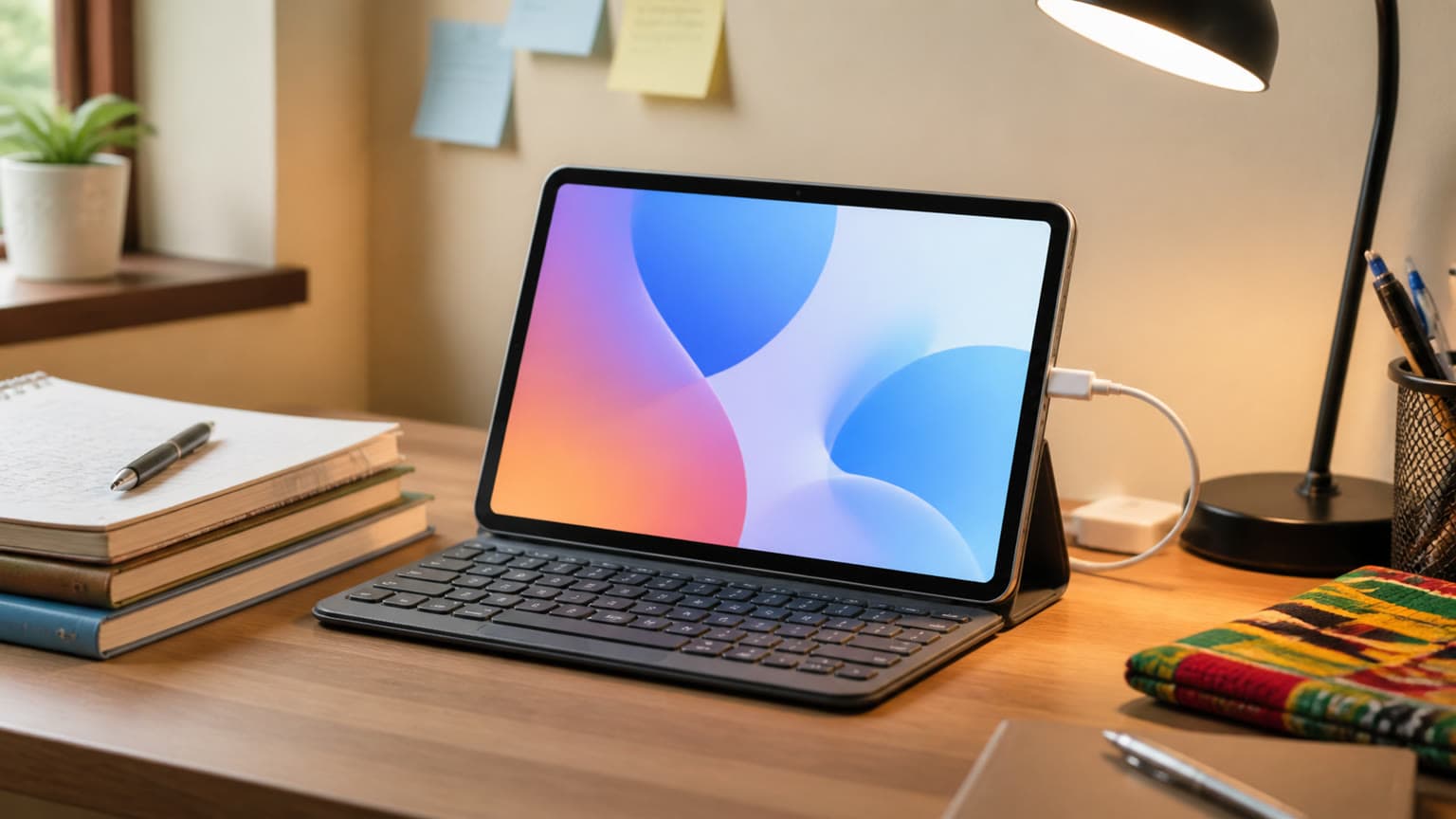
The Pad 9 Pro Max looks aimed at people who want a tablet to do some laptop work without carrying a laptop every day. The reported 13.3-inch screen, 3:2 ratio and high refresh rate should help with reading PDFs, editing timelines, browser work, drawing, note taking and remote desktop use. The key buyer issue is that “tablet as laptop replacement” depends heavily on app support, keyboard quality, file management and whether the user can live inside Android or HyperOS for their daily tasks.
Accessories are not a side detail here. Notebookcheck reports that Xiaomi’s floating keyboard is sold separately in China, while launch buyers in that market may receive a Focus Stylus Pro and braided USB-C cable. For Nigeria buyers, bundled accessories should be verified invoice by invoice. If the keyboard or stylus is not in the box, the real cost of the setup rises quickly, and replacement parts may be harder to source locally than for more common Redmi Pad models.
Buyers comparing it with current Ogabassey-listed tablets should separate five decisions: screen size, chipset generation, storage, cellular access and accessory compatibility. The Pad 9 Pro Max appears stronger on screen size, silicon ambition and desktop-style flexibility. Redmi Pad models remain easier to reason about locally because their catalog pages can be checked directly, and accessories can be matched through Accessories when available.
Cellular support is also worth checking before any purchase. Many large productivity tablets launch first as Wi-Fi-focused models, and even when a cellular variant exists in one country, it may not support the band mix or warranty route a Nigeria buyer expects. Students who need campus portability may be better served by a smaller Redmi Pad plus phone hotspot, while creators who need a bigger canvas may prefer waiting for a confirmed global Pad 9 Pro Max variant.

Before paying for an early Xiaomi Pad 9 Pro Max import, verify the exact RAM and storage configuration, display type, included keyboard or stylus, charger compatibility, language and region settings, Google service behavior, warranty channel and return window. A low headline price can become poor value if the unit arrives without the productivity accessories that make the big-screen design useful.
Also verify whether the video input feature works with the devices you actually own. The idea of using a tablet as a display for a mini PC, handheld console or laptop is attractive, but compatibility can depend on cable quality, supported input mode, resolution behavior and power draw. This is a real buyer-support question, not a spec-sheet footnote.
For storage, creators should avoid assuming cloud sync will solve everything. A 13.3-inch tablet used for video, illustration, offline lectures, PDFs and project files can fill up fast. If a Nigeria reseller only brings the entry configuration, compare it against the storage and microSD support of available Redmi Pad models before paying a premium for the newer chip.
If you are shopping today rather than waiting for an import, start with Ogabassey Tablets and compare current Xiaomi options against how you will actually use the device. For a bigger screen and stronger entertainment focus, check the Redmi Pad 2 Pro. For a lower-cost everyday slate, compare the Redmi Pad 2 and Redmi Pad SE. For a deeper Redmi comparison, Ogabassey’s guide to Redmi Pad 2 vs Redmi Pad 2 Pro is the more practical next read.
The simple verdict: the Xiaomi Pad 9 Pro Max is the Xiaomi tablet to watch if you want a large productivity screen, flagship silicon and external-display flexibility. It is not yet the tablet to buy blindly in Nigeria. Wait for confirmed global availability, check the accessory bundle and compare the final landed price against catalog-ready Redmi Pad models before deciding.
It is Xiaomi’s new flagship tablet for China, reported with the Xring O3 processor, a 13.3-inch 144Hz 3.4K-class display, up to 16GB RAM, up to 1TB storage, 120W charging and a 12,000mAh battery.
Ogabassey catalog availability is not confirmed in this draft. The launch coverage points to China availability first, so Nigeria buyers should wait for a local listing or verify import warranty, region settings and accessories before paying.
Buy Redmi Pad 2 Pro if you need a large Xiaomi tablet now and want a catalog-linked option to compare locally. Wait for Pad 9 Pro Max only if you specifically need a 13.3-inch flagship-class tablet and can tolerate import uncertainty.
For notes, PDFs, video classes, browsing and light documents, a tablet can work well. For coding, heavy spreadsheets, desktop software or exam platforms that require Windows or macOS, a laptop remains the safer primary device.