Bassey John is a Performance Marketing Specialist at Ogabassey with cross-industry experience spanning e-commerce, gaming, and real estate. He focuses on paid acquisition, conversion-rate optimisation, and data-driven growth strategy, turning campaign performance into measurable revenue. At Ogabassey he writes about consumer technology, product buying guides, and the Nigerian gadget market to help shoppers make confident, informed decisions.
Xiaomi’s 17T Pro is now official, and the headline is easy to understand: Xiaomi has put a very large 7,000mAh silicon-carbon battery, 100W wired charging, 50W wireless charging, a MediaTek Dimensity 9500 chipset, and a Leica 5x periscope telephoto camera into its global T-series line. For Nigerian and African buyers, that combination matters because battery endurance, network fit, warranty confidence, and charger availability often affect day-to-day ownership more than benchmark scores.
The launch also changes how the 17T Pro should be judged. This is not a cheap mid-range phone with one oversized feature. Official UK and European pricing puts it in upper mid-range or entry flagship territory, so it should be compared with discounted older flagships, camera-focused Android rivals, and Xiaomi’s own 17T and 17-series models rather than only with standard budget phones in the Ogabassey smartphones section.
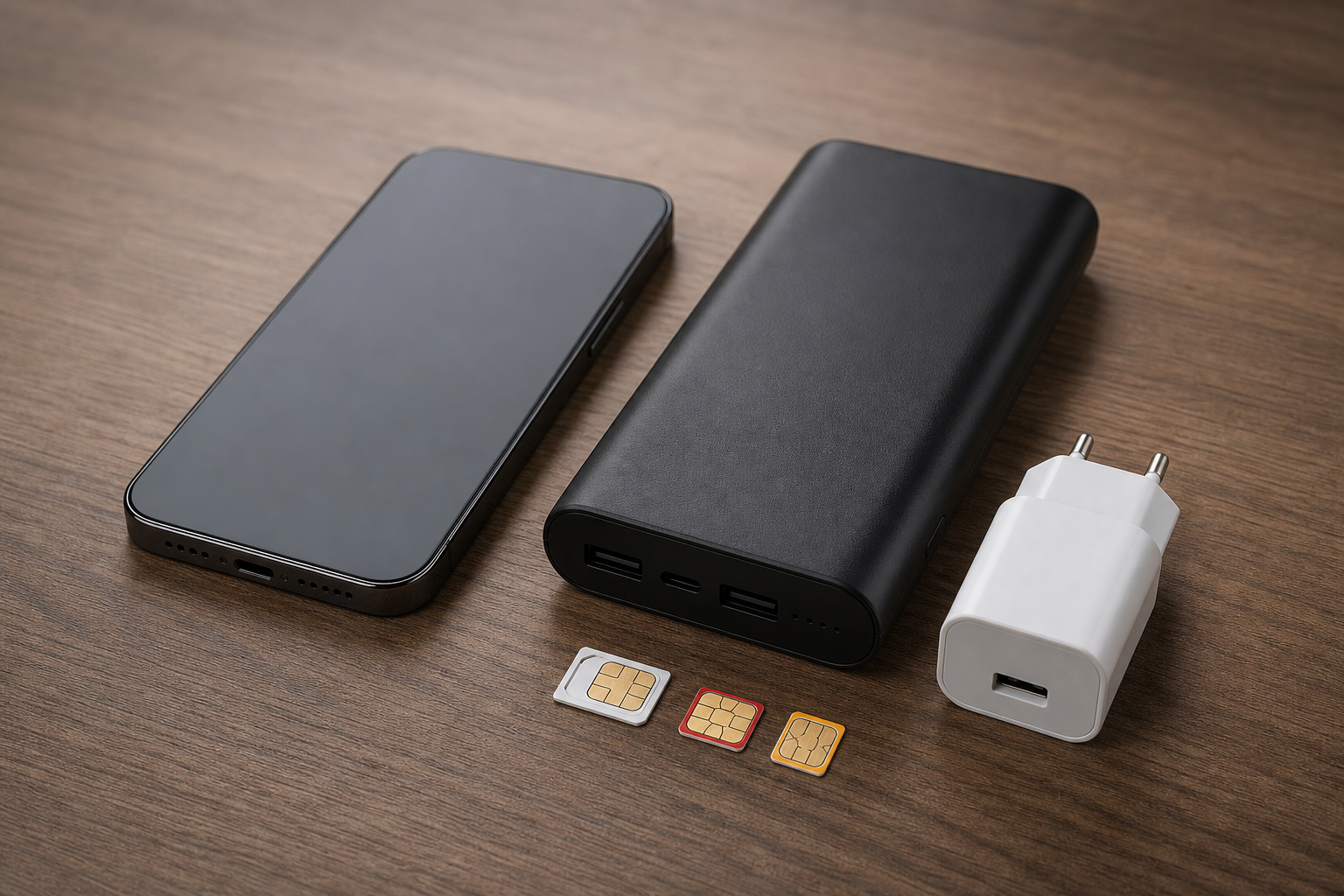
Battery size, charger support and regional accessories matter for African buyers.
Who this is for
The Xiaomi 17T Pro makes the most sense for buyers who need one phone for long workdays, travel, mobile hotspot use, content creation, and photography at events where you cannot always move closer to the subject. A 7,000mAh battery is especially relevant if you commute for hours, rely on mobile data, run dual SIMs, or use your phone as a backup office during power cuts.
It is also a practical choice for creators who want real telephoto reach without moving to a more expensive ultra flagship. The official camera setup includes a 50MP Leica main camera, a 50MP 115mm periscope telephoto camera with optical image stabilisation, and a 12MP ultra-wide camera. That 115mm equivalent lens is the useful part: it helps with portraits, stage shots, school events, product images, and street scenes where digital zoom from a main camera usually falls apart.
It is less compelling for buyers who mostly use WhatsApp, banking apps, calls, social media, and light browsing. Those users may get better value from a cheaper Android phone plus reliable phone accessories and charging essentials. If you are mainly buying because of the battery number, also compare it with Ogabassey’s coverage of the OPPO Reno16 Pro 7,000mAh launch and the Vivo Y600 Turbo 9,000mAh battery phone, because battery-focused phones can target very different price bands.
Key specs and buying context
Official Xiaomi specifications list a 6.83-inch 1.5K AMOLED display with up to 144Hz refresh rate, Gorilla Glass 7i, HDR support, and high peak brightness claims. The phone comes in 12GB RAM configurations with 256GB, 512GB, or 1TB storage, using LPDDR5X RAM and UFS 4.1 storage. That matters for buyers who record a lot of 4K video, keep offline media, or want the phone to stay responsive for several years.
The Pro model’s charging setup is one of its strongest practical advantages. Xiaomi lists 100W wired HyperCharge, 50W wireless HyperCharge, 100W PPS support, and 22.5W wired reverse charging. However, buyers should check the retail box in their exact market. Xiaomi’s global specs page notes that a power adapter is not included in the box, while some regions, bundles, or reviewers may receive different packaging. If you are importing, budget for a genuine compatible charger and cable instead of assuming the fastest charger is included.
Network fit is another non-negotiable check. Xiaomi lists broad 5G and 4G band support for the global model, including common LTE bands such as B1, B3, B7, B8, B20 and B28, plus many 5G bands including n78. That is encouraging for Nigeria and travel, but band support can vary by region and local operators. Before buying from an importer, ask for the exact model/region, confirm it is a global ROM unit, and check your carrier’s 4G and 5G bands for Lagos, Abuja, Port Harcourt, or your regular travel route.
Software is another reason to buy carefully. The 17T Pro ships with HyperOS 3 based on Android 16, and reviewers report a long European support promise of five Android generations and six years of security patches. Treat that as region-sensitive until your local retailer or Xiaomi support page confirms it for the exact unit you are buying. A cheaper imported unit with the wrong ROM can create update, language, Google services, banking app, or warranty problems that are not worth a small upfront saving.
Camera and video: what the Leica telephoto changes
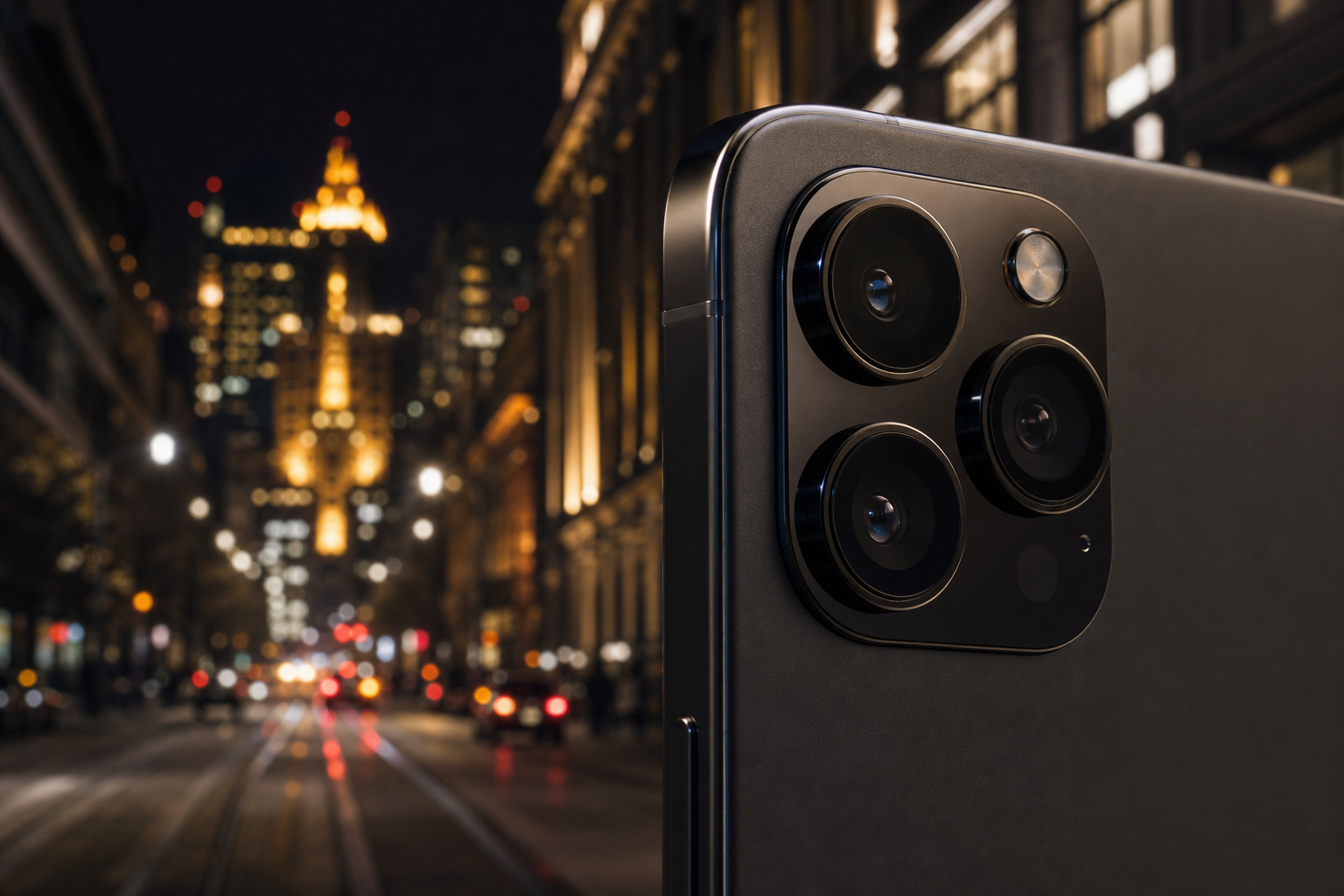
The 17T Pro is not only using Leica branding as decoration. Leica’s own launch material confirms that the 17T series has Leica Summilux optics, a three-camera system across ultra-wide, main, and 5x telephoto focal lengths, and a first-time Leica 5x telephoto lens for the T series. Xiaomi’s spec sheet also lists 8K video at 30fps, 4K at up to 120fps, HDR10+ recording, Log video, 3-mic audio, RAW support in Pro mode, and Leica photo styles.
That does not mean every camera is equally strong. Early independent review coverage praises the main and telephoto cameras but still flags the ultra-wide as the weaker lens, especially compared with the more important main and zoom cameras. Nigerian buyers who shoot weddings, church events, concerts, fashion, real estate, or products should focus on main-camera quality, telephoto stability, night portraits, heat during long video recording, and whether Xiaomi’s colour processing matches their taste.
The 5x telephoto camera is one of the 17T Pro’s key upgrade claims.
Trade-offs to check before paying
The first trade-off is price. UK pricing starts at £799 for 12GB/256GB, with higher storage options costing more, while European reporting places the Pro from about €899. That will not convert cleanly into Nigerian pricing because import duties, FX rates, retailer margin, warranty support, and bundled accessories can all change the final shelf price. If the local price lands too close to full flagship phones, the value argument becomes weaker.
The second trade-off is originality and warranty. For Xiaomi phones in Nigeria, the safest purchase is a sealed global unit from a seller that can explain warranty handling, returns, charger contents, and ROM status in writing. Be cautious with unusually cheap “global ROM” listings, open-box imports, or units that cannot receive normal over-the-air updates. Also confirm repair expectations: screen, back glass, battery, camera module, and motherboard parts may not be as easy to source locally as Samsung or iPhone parts.
The third trade-off is size. A 6.83-inch phone with a large battery will not feel compact. If you use one hand often, carry a smaller bag, or already find big Android phones tiring, try a display unit before committing. Big battery life is valuable, but comfort still matters every day.
Alternatives worth comparing
Start with the regular Xiaomi 17T if you want the Leica telephoto idea but can accept slower charging, a smaller 6,500mAh battery, and a less powerful chipset. It may be the better-value choice if local pricing leaves a wide gap between the two models.
Also compare the 17T Pro with discounted previous-generation flagships. A Xiaomi 15T Pro, Samsung Galaxy S-series deal, older iPhone Pro, or Google Pixel deal may beat it on software confidence, resale value, video processing, or local repair support depending on price. For Xiaomi fans who mainly want the most ambitious Leica hardware, Ogabassey’s Xiaomi 17 Ultra Leica coverage is the more relevant comparison, although that class of phone usually costs more.
If zoom is your reason to buy, compare real sample photos rather than megapixel claims. Ogabassey’s Realme 16 Pro+ periscope camera article is useful for understanding why telephoto specs need price context. A cheaper phone with a weaker processor may still be enough if your priority is casual portrait zoom, while the Xiaomi 17T Pro makes more sense if you also care about performance, display quality, charging, and video features.
Verdict
The Xiaomi 17T Pro is publishably real and worth watching closely: official Xiaomi and Leica materials verify the 7,000mAh battery, 100W wired charging, 50W wireless charging, Dimensity 9500 platform, Leica 5x telephoto camera, and global launch. The buyer decision is not whether the specs are exciting; they are. The real decision is whether the Nigerian or African market price, warranty route, charger bundle, ROM status, and network support make sense against discounted rivals.
Buy it if you want a premium Android phone built around endurance, fast charging, strong performance, and useful telephoto photography. Wait for local stock or deeper reviews if camera consistency, long-term updates, resale value, or repairability matter more than being early. Avoid grey imports unless the seller can prove the unit is genuine, global, compatible with your carrier, and covered by a clear return or warranty process.
Catalog-linked prices update automatically. Historical and other quoted prices remain as written. Open the product page to confirm the current price, selected variant and availability before buying.