Bassey John is a Performance Marketing Specialist at Ogabassey with cross-industry experience spanning e-commerce, gaming, and real estate. He focuses on paid acquisition, conversion-rate optimisation, and data-driven growth strategy, turning campaign performance into measurable revenue. At Ogabassey he writes about consumer technology, product buying guides, and the Nigerian gadget market to help shoppers make confident, informed decisions.
Vivo Y600 Turbo is now one of the clearest examples of the 2026 big-battery mid-range phone trend: it launched in China with a rated 9,020mAh minimum battery, 90W wired charging, Snapdragon 7s Gen 4, a 6.83-inch 1.5K AMOLED display and IP68/IP69 resistance claims. Nigerian buyers should treat it as a strong phone to watch, not a phone to import blindly.
The reason is simple. The Y600 Turbo answers a real need for people who spend long days away from steady power, but it is a China-first model. At the time of this review update on 14 June 2026, Ogabassey has no confirmed Nigerian retail listing, official local warranty path or final naira price for the Y600 Turbo. That changes the buying advice from “best battery phone” to “verify carefully before paying.”
Battery capacity and charging convenience can matter more than small specification gains for daily use.
What Changed
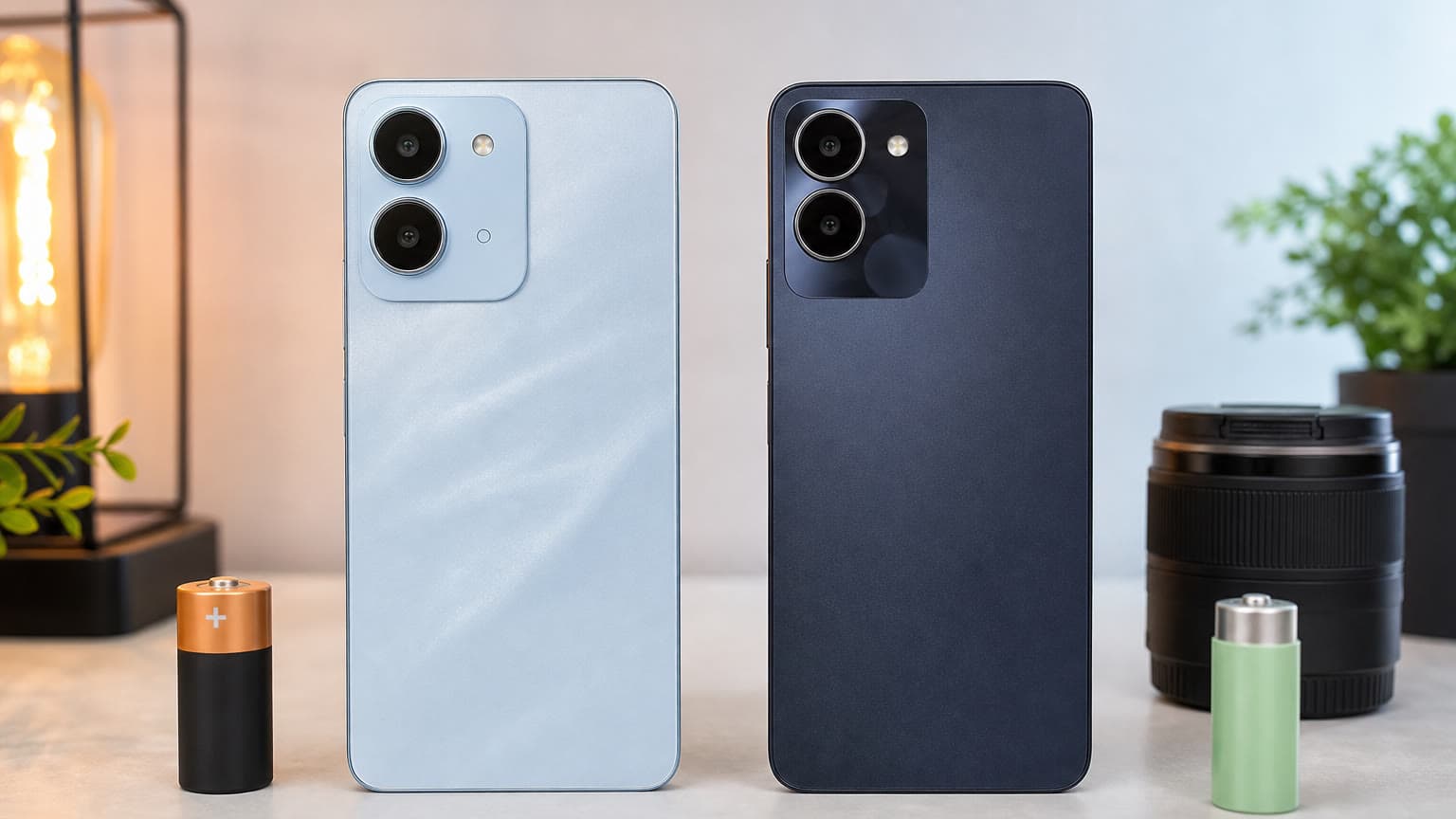
The headline upgrade is the battery. Vivo is using its Blue Ocean battery branding here, with reports from the China launch pointing to a 9,020mAh minimum capacity and 9,200mAh typical capacity. That is far above the 5,000mAh battery still common on many mid-range phones, and it gives the Y600 Turbo a specific identity: endurance first, slimness second, camera ambition third.
Charging is also central to the story. The phone supports 90W wired fast charging, wired reverse charging and a direct power-supply mode that can reduce battery heat during plugged-in heavy use. For buyers who use a phone as a hotspot, navigation device, entertainment screen, point-of-sale helper or work phone, those details matter more than a small benchmark difference.
The rest of the spec sheet is mid-range rather than flagship. The Snapdragon 7s Gen 4 platform brings modern 5G, Wi-Fi 6E-class capability at the chipset level, Bluetooth 5.4 support and AI-assisted camera and audio features. The phone is reported with up to 12GB RAM and 512GB storage, a 50MP main rear camera, a 2MP depth camera and an 8MP selfie camera. It is not being positioned as a Vivo X-series camera phone.
Who This Phone Is For
The Y600 Turbo makes most sense for users who regularly finish the day with battery anxiety: students on campus, delivery riders, field sales teams, creators who shoot and edit on the move, traders who rely on mobile money apps, and families sharing one reliable phone for hotspot, calls and entertainment. If your normal phone spends afternoons plugged into a power bank, this kind of hardware is worth watching.
It is less compelling for buyers who value a lighter phone, a proven camera system, immediate local warranty or a simple walk-in purchase. The reported 215g weight is reasonable for the battery size, but it is still heavier than many everyday phones. If you put comfort, pocketability or camera quality first, do not let the battery number decide the whole purchase.
Key Specs and Buying Context
Area
Y600 Turbo context
Nigeria buyer note
Battery
9,020mAh minimum, 90W wired charging
Excellent on paper, but charger packaging and plug type must be checked before import.
Display
6.83-inch 1.5K AMOLED, 120Hz, HDR10+ support
Strong for video, reading and gaming if brightness tuning is good in real use.
Processor
Snapdragon 7s Gen 4
Modern mid-range 5G platform, not a flagship gaming chip.
Cameras
50MP main, 2MP depth, 8MP selfie
Likely practical for everyday photos, but not the reason to buy this phone.
Durability
IP68/IP69 rating reported
Useful, but water damage may still be excluded from warranty by many sellers.
Software
OriginOS 6 based on Android 16 reported for China
China ROM behavior can differ from global Funtouch OS expectations.
China pricing starts at CNY 2,299 for 8GB + 256GB, with higher 12GB + 256GB and 12GB + 512GB variants reported at CNY 2,599 and CNY 2,899. Those figures are useful for understanding Vivo’s intended price band, but they should not be converted directly into a Nigerian selling price. Exchange-rate movement, import duty, reseller margin, charger accessories, warranty handling and return risk can make the final landed cost meaningfully higher.
Why It Matters for Nigerian Buyers
Large batteries are becoming one of the most practical 2026 upgrades for African buyers. A brighter display or faster chip is useful, but daily reliability often comes down to how long the phone survives through mobile data, poor signal areas, banking apps, WhatsApp calls, maps and evening entertainment. The Y600 Turbo is interesting because it pushes that practical endurance story without looking like a bulky rugged phone.
That said, a large battery does not remove the need for local buying discipline. Imported China-market phones can have different software defaults, notification behavior, Google app setup, preinstalled apps, network-band combinations and warranty rules. Even when the hardware is excellent, the ownership experience can feel wrong if your banking app misbehaves, Google Play is not cleanly supported, or a cracked screen has no easy parts supply in Nigeria.
If you need a dependable Vivo phone today, the safer path is to compare models already present in the Ogabassey smartphones category. A locally available phone with clear stock, return handling and repair support can be a better real-world purchase than a stronger-looking import with uncertain support.
Platform, Compatibility and Software Checks
The Snapdragon 7s Gen 4 is a credible mid-range platform. Qualcomm’s own product brief lists support for modern 5G modes, Wi-Fi 6E, Bluetooth 5.4, 4K HDR video capture support at the platform level, AI-assisted imaging features and gaming features such as Adaptive Performance Engine 3.0. In plain terms, the chip should be suitable for multitasking, streaming, social apps, maps, casual gaming and everyday productivity.
But chipset capability is not the same as phone compatibility. Before importing the Y600 Turbo, ask the seller for the exact model number and full LTE/5G band list. Then compare those bands with the network you actually use in Lagos, Abuja, Port Harcourt, Ibadan, Enugu, Kano or your own area. If you are buying specifically for 5G, do not rely on the word “5G” alone. A 5G phone can still miss the exact bands that make local coverage reliable.
Software deserves the same scrutiny. The Y600 Turbo is reported to run OriginOS 6 based on Android 16, while many global Vivo buyers are more familiar with Funtouch OS. A China ROM may handle Google services, notifications, background apps, privacy prompts and system apps differently. Confirm Google Play Services, WhatsApp notification reliability, banking-app compatibility, language support, OTA updates and whether the seller can provide a proper return route if the software is unsuitable.
Buyers should still check local availability, network support and warranty coverage before importing a new phone.
What to Verify Before Buying
First, verify originality and model identity. Ask for the exact Vivo model code, sealed-box photos, IMEI check guidance, included charger details and written warranty terms. If a seller cannot give clear answers, the battery spec should not persuade you.
Second, verify charger and charging expectations. A 90W claim usually depends on the correct Vivo charger, correct cable, battery temperature and software state. If the box does not include the right charger, or the plug requires an unsafe adapter, the headline charging speed may not matter in daily use. Also ask whether wired reverse charging is enabled on the exact retail unit being sold.
Third, verify repairability. A 9,020mAh battery is attractive, but a large battery phone still needs screen, charging-port, back-cover and battery service options over time. China-first models can take longer to receive parts locally, and that can make simple accidents more expensive. Buyers who keep phones for three or four years should weigh repair access as heavily as launch specs.
Fourth, verify the final price against local alternatives. A phone that looks affordable at China launch pricing can become poor value after import costs. If the final landed price enters the same band as a locally supported device with better warranty, stronger cameras or verified stock, the safer device may be the smarter buy.
Ogabassey Vivo Alternatives to Compare
For buyers who want a Vivo phone now, Ogabassey’s current catalog gives a more practical comparison set. The vivo Y31 5G is the first place to look if 5G and a live product page matter more than waiting for an unconfirmed Y600 Turbo launch in Nigeria. Catalog context lists it at ₦429,800 with stock shown at the time of this enrichment, so it is a more realistic local shopping option.
If your budget is lower, compare the vivo Y29 at ₦259,800, the vivo Y21d at ₦199,800 and the vivo Y04 at ₦135,800. These are not direct Y600 Turbo rivals for battery capacity, but they may fit buyers who need a new Vivo device with clearer local stock and lower upfront cost.
Buyers comparing higher Vivo tiers can also watch the vivo V60 5G, vivo V60lite 5G and vivo V60lite pages for stock changes. Those catalog pages are relevant for shoppers who care more about V-series positioning, design or camera balance than the Y600 Turbo’s extreme battery angle. Stock can change, so treat the product page as the live source before making a purchase decision.
Related Ogabassey Reading
The wider 2026 phone market is moving toward bigger batteries, better mid-range chips and more aggressive durability claims. For another Vivo battery story, read Ogabassey’s coverage of the Vivo Y600 Turbo launch only as the canonical page you are on, not as a separate draft. For cross-brand context, the Xiaomi 17T Series launch guide and Infinix HOT 70 Series launch guide show how other brands are also turning battery size, charging and local timing into major buying factors.
FAQ
Is the Vivo Y600 Turbo officially available in Nigeria?
Ogabassey has not confirmed official Nigerian availability for the Vivo Y600 Turbo as of 14 June 2026. Treat any listing as import or reseller-dependent unless the seller can prove local warranty, exact model identity and return terms.
Is 5G worth paying extra for on this phone?
Only if the exact model supports the bands your Nigerian carrier uses in the places you spend time. 5G branding is not enough. For many buyers, strong LTE performance, battery life, warranty and storage are more important than paying extra for uncertain 5G coverage.
Should I buy the Y600 Turbo or a locally listed Vivo phone?
If battery capacity is your top priority and you can verify software, bands and warranty, the Y600 Turbo is worth watching. If you need a phone immediately, a locally listed Vivo model from Ogabassey is the lower-risk route because price, stock and support are clearer.
Verdict
The Vivo Y600 Turbo is a meaningful launch because it pushes a huge battery, fast wired charging, a modern Snapdragon platform and serious resistance ratings into a mainstream-looking mid-range phone. It shows where practical Android upgrades are heading in 2026.
For Nigerian buyers, the right verdict is cautious interest. Wait for official local availability or buy only from a seller who can prove the exact model, network bands, Google support, charger package, return policy and warranty path. If those answers are weak, choose a locally available smartphone with clearer after-sales support, even if the battery is smaller on paper.
Catalog-linked prices update automatically. Historical and other quoted prices remain as written. Open the product page to confirm the current price, selected variant and availability before buying.