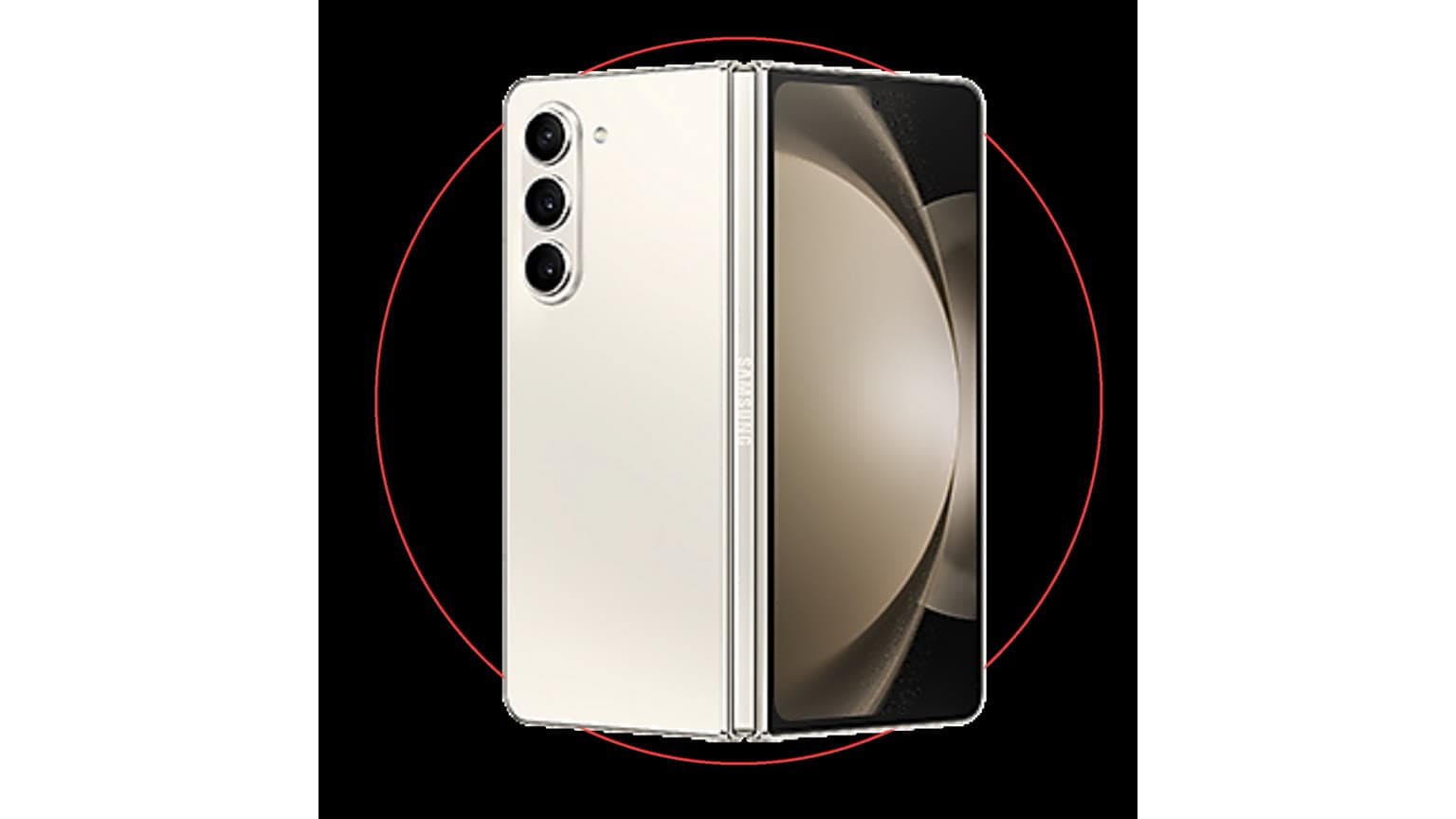
Xiaomi 15 Ultra review for Nigeria: still a serious camera phone in 2026?
The Xiaomi 15 Ultra is not a normal flagship with a good camera attached. It is a camera-first Android phone built around a large 1-inch type Sony LYT-900 main sensor, Leica image tuning, a 200MP periscope telephoto camera, Snapdragon 8 Elite performance, a 6.73-inch WQHD+ LTPO AMOLED display, and very fast charging. For Nigerian buyers in 2026, the real question is not whether the specs are impressive. They are. The question is whether the phone makes sense beside easier-to-service options from Apple and Samsung, and whether you can buy the right global version with warranty confidence.
If you shoot events, portraits, products, food, travel, church media, real estate clips, or social video, the Xiaomi 15 Ultra belongs on your shortlist. If you mainly want a dependable phone with the strongest local resale market, easier repairs, and predictable accessories, you should compare it carefully with the iPhone 16 Pro Max, iPhone 16 Pro, and other premium phones in the Ogabassey smartphones catalogue.
Who this is for
Buy the Xiaomi 15 Ultra if the camera is the reason you are spending flagship money. It is best for creators who want stronger natural depth, better low-light capture, proper telephoto reach, high-resolution RAW or UltraRAW workflows, Leica colour options, 4K/120fps video support, and fast recharge times between shoots.
Think twice if you are buying for a parent, a corporate fleet, or someone who wants the lowest ownership stress. Xiaomi flagships can be excellent, but Nigerian availability is usually more dependent on importers and independent retailers than iPhones. That affects warranty handling, screen replacement cost, protective cases, and resale value.
Key specs and buying context
| Area | Xiaomi 15 Ultra | Why it matters in Nigeria |
|---|
| Processor | Qualcomm Snapdragon 8 Elite | Flagship-grade performance for editing, gaming, multitasking, and long-term speed. |
| Display | 6.73-inch WQHD+ LTPO AMOLED, up to 120Hz | Sharp enough for photo editing and bright outdoor use, useful in Lagos, Abuja, and Port Harcourt sun. |
| Main camera | 50MP Sony LYT-900, 1-inch type sensor, Leica Summilux lens, OIS | The strongest reason to buy it: better light capture and natural background separation than typical phone sensors. |
| Zoom cameras | 50MP 70mm telephoto plus 200MP 100mm ultra-telephoto | Useful for events, stage shots, portraits, travel, and product details without standing too close. |
| Ultra-wide | 50MP 14mm equivalent, 115-degree field of view | Good for interiors, group photos, architecture, and establishing shots. |
| Video | 8K/30fps, 4K up to 120fps on rear camera modes, Log and Dolby Vision features depending on mode | Strong for serious creators, but storage fills quickly and editing 8K needs a capable laptop. |
| Battery | 5,410mAh global version; 6,000mAh China version exists | Check the variant. Many Nigerian imports may come from different regions, and battery/spec differences matter. |
| Charging | 90W wired and 80W wireless support | Major advantage over Apple and Samsung if you use the correct charger and cable. |
| Storage/RAM | Common global options include 16GB RAM with 512GB or 1TB storage | Choose 512GB minimum if you shoot a lot of video. There is no microSD slot. |
| Software | HyperOS based on Android 15 at launch, with multi-year Android/security support reported for the 15 series | Better than older Xiaomi update habits, but still not as reassuring as Apple or Samsung’s longest support policies. |
Camera performance: why the hype is justified
The Xiaomi 15 Ultra’s biggest advantage is not just megapixels. The 1-inch type LYT-900 main sensor gives the phone more light to work with than most conventional flagships, which helps night scenes, indoor events, skin tones, and natural bokeh. The Leica Authentic and Leica Vibrant looks also give photographers two useful starting points: one more restrained and one more social-media ready.
The zoom setup is the other reason this phone feels different. A 70mm telephoto is useful for portraits, while the 200MP 100mm ultra-telephoto gives much stronger reach for events, concerts, weddings, and church media than a normal 2x or 3x-only phone. If you often stand far from the subject, this is where the Xiaomi 15 Ultra can feel more flexible than an iPhone 16 or many standard Android flagships.
There are trade-offs. The large circular camera island makes the phone top-heavy, and replacement camera glass or back-panel work may not be as simple to source locally as iPhone parts. The best video modes also demand discipline: use enough storage, avoid long clips in hot environments, and carry a power bank or fast charger for full-day shoots.
5G and network fit in Nigeria
The global Xiaomi 15 Ultra supports a wide range of 4G and 5G bands, including 5G n78, the important 3.5GHz band used for Nigerian 5G deployments. It also supports many LTE bands that matter for fallback coverage. That means the global model is a strong fit on paper for MTN and Airtel 5G areas, especially in Lagos, Abuja, Port Harcourt, Ibadan, Kano, and other covered cities.
Still, do not buy only because the listing says “5G.” Ask the seller for the exact model/region, confirm it is a global ROM or a properly supported global unit, and test your SIM if possible. Grey-market China ROM units may work, but they can create extra friction with Google services, OTA updates, banking apps, eSIM expectations, warranty, or resale.
Price and value in 2026
The old draft mentioned a fixed ₦2.4m to ₦2.7m Nigerian price band. That may be realistic for some import windows, but it should not be treated as a stable 2026 price. Exchange rates, global stock, storage configuration, import duty, seller warranty, and whether the phone is sealed, open-box, or UK/EU/China stock can shift the final price sharply.
Use this buying rule instead: if the Xiaomi 15 Ultra costs close to an iPhone 16 Pro Max, choose Xiaomi only if camera hardware, fast charging, Android flexibility, and Leica processing matter more to you than iMessage/FaceTime, local resale, broad accessory availability, and easier after-sales support. If you want a smaller premium iPhone alternative, the iPhone 16 Pro is the more pocketable comparison. If you want a cheaper Apple entry point, the iPhone 16 gives you the ecosystem but not the same pro camera reach.
Trade-offs Nigerian buyers should not ignore
- Warranty: Confirm written warranty terms before payment. A seller warranty is not the same as official local brand warranty.
- Repairs: Screens, back glass, camera rings, and batteries may cost more and take longer to source than common iPhone or Samsung parts.
- Variant risk: Global and China variants can differ in battery capacity, software behaviour, region services, and update delivery.
- Size and weight: This is a large, heavy phone. Add a protective case and it becomes more noticeable in the pocket.
- No microSD: Creators should buy enough storage from day one. Heavy 4K and 8K video users should prioritise 512GB or 1TB.
- Resale: Xiaomi Ultra resale demand is narrower than iPhone Pro Max demand in Nigeria, even when the Xiaomi hardware is stronger.
Alternatives to consider
iPhone 16 Pro Max: Choose it if you want the safest premium resale value, long software support, excellent video consistency, strong accessory availability, and a familiar creator workflow. The Xiaomi 15 Ultra is more exciting for zoom photography and fast charging, but the iPhone 16 Pro Max is easier to recommend for broad ownership confidence.
iPhone 16 Pro: Pick the iPhone 16 Pro if you want pro Apple cameras in a smaller body. It will not match the Xiaomi’s large-sensor Android camera personality, but it is easier to carry and easier to service.
iPhone 16: The iPhone 16 is not a direct camera-phone rival, but it is relevant if your priority is iOS, warranty confidence, and a lower spend than the Pro Max class.
Other camera-first Androids: If you are shopping mainly for camera reach, also read Ogabassey’s coverage of future-facing camera phones such as Vivo X300 Ultra buying advice and Motorola 250MP 5G camera-phone coverage. For charging expectations across brands, see our 2026 fast-charging standards guide.
Verdict: should you buy the Xiaomi 15 Ultra?
Buy the Xiaomi 15 Ultra if you are a Nigerian creator or enthusiast who will actually use the cameras enough to justify the ownership compromises. The Leica-tuned camera system, large main sensor, long zoom reach, strong display, Snapdragon 8 Elite performance, and 90W charging make it one of the most compelling camera phones available to Nigerian buyers in 2026.
Do not buy it casually because it is “the best camera phone.” Buy it only after confirming variant, ROM, warranty, return window, charger compatibility, and repair support. For buyers who want less risk, Apple and Samsung remain safer mainstream choices. For buyers who want the most interesting camera hardware in a phone and are comfortable checking the details before payment, the Xiaomi 15 Ultra is still a strong specialist pick.
FAQ
Does the Xiaomi 15 Ultra support 5G in Nigeria?
Yes, the global specification includes 5G n78 and many other 4G/5G bands, so it is a good technical fit for Nigerian 5G areas. Coverage still depends on your network, city, plan, SIM, and the exact variant you buy.
Is the China version better than the global version?
The China version may offer a larger battery, but the global version is usually the safer choice for Nigerian buyers who care about Google services, update behaviour, language defaults, resale, and fewer software surprises.
How much storage should creators buy?
Buy 512GB at minimum if you shoot 4K video, RAW photos, or event content. Choose 1TB if this is your primary production device. There is no microSD expansion.
Is the Xiaomi 15 Ultra better than the iPhone 16 Pro Max?
For camera hardware flexibility, zoom reach, Android control, and charging speed, the Xiaomi is very strong. For video consistency, ecosystem features, resale value, local accessories, and long-term ownership confidence, the iPhone 16 Pro Max remains the safer premium choice.
Where should I buy it?
Buy from a retailer that can state the model variant, storage, warranty length, return policy, and whether the device is global ROM/global version. If those details are unclear, keep shopping.
Sources