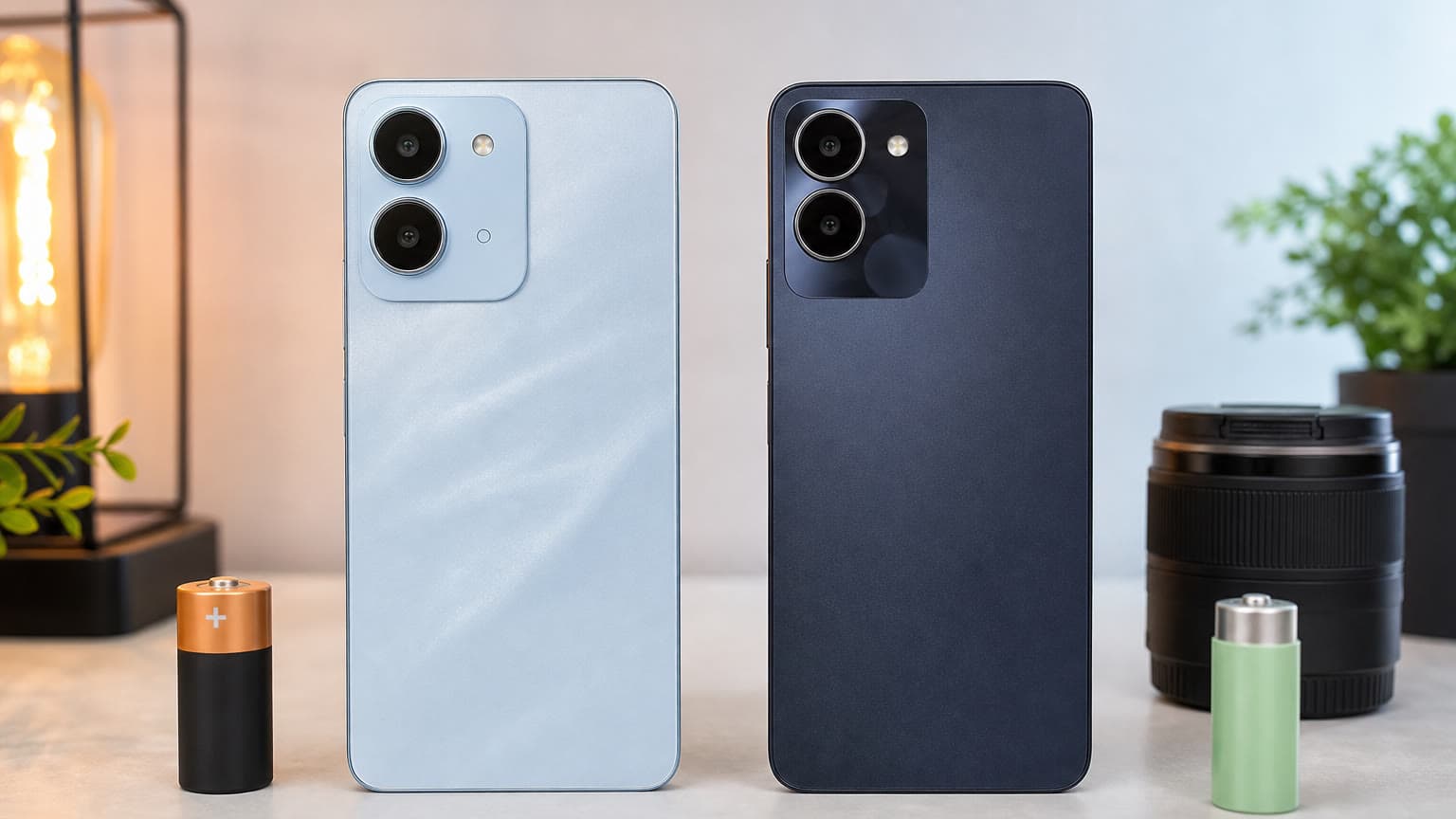
The Vivo X300 Ultra is now a real 2026 flagship, not just a rumor: Vivo lists it globally and in India with a ZEISS-focused camera system built around two 200MP rear cameras, Snapdragon 8 Elite Gen 5 performance, a 6,600mAh battery, and optional telephoto extender accessories. For buyers in Nigeria, the important question is not only whether the specs are impressive. It is whether this expensive camera phone is the right import, the right region version, and the right value compared with other zoom-focused phones.
As of 31 May 2026, Vivo’s India store lists the X300 Ultra 16GB + 512GB model at ₹159,999, while third-party reporting around the earlier China launch placed the base Chinese pricing from CNY 6,999. Nigeria pricing will depend on import channel, exchange rate, taxes, warranty coverage, and whether local retailers stock the official global/India variant. If Ogabassey opens pre-orders or local availability, check Ogabassey for the exact Nigerian price, warranty terms, and delivery status before paying.
What Makes the Vivo X300 Ultra Different?
The X300 Ultra is best understood as a phone-camera hybrid for people who shoot far more than casual social media photos. Vivo’s official page describes a ZEISS Master Lenses Collection with a 14mm 50MP ultra-wide camera, a 35mm 200MP Sony LYTIA 901 main camera, and an 85mm 200MP HP0 APO telephoto camera with CIPA 7.0 stabilization. That means the headline is not just “200MP.” The real point is that Vivo is using high-resolution sensors at practical focal lengths: wide scenes, natural documentary-style framing, and stabilized long-distance zoom.
The optional accessories matter too. Vivo lists a ZEISS Telephoto Extender Gen 2 for 200mm-equivalent shooting and a Gen 2 Ultra extender for 400mm-equivalent shooting, both sold separately unless bundled in a Photographer Kit. This is useful if you shoot concerts, sports, wildlife, travel details, or stage events, but it also makes the total cost much higher and adds physical gear you must carry.
Key Specs and Buying Context
The confirmed core hardware is flagship-grade: Snapdragon 8 Elite Gen 5, up to 16GB RAM, 512GB storage in the India retail configuration, a 6.82-inch 2K LTPO AMOLED display with a 144Hz refresh rate, 6,600mAh battery, 100W wired charging on Vivo’s official global page, 40W wireless charging, IP68/IP69 dust and water resistance, USB 3.2, stereo speakers, NFC, Wi-Fi 7, and Android 16-based OriginOS 6 on the India product page.
Storage is the first practical decision point. A phone that can shoot 200MP stills and 4K 120fps video will fill space quickly, so the 512GB model is more sensible than a lower-storage variant for serious creators. If you record long events, transfer files to a laptop often, or shoot RAW/SuperRAW, budget for cloud storage, external backup, or a fast USB-C storage workflow.
Software support is stronger than many Android flagships: Vivo’s global X300 Ultra page promises five years of OS upgrades and seven years of security maintenance. That improves long-term value, especially at this price, but buyers importing into Nigeria should still confirm whether the specific region version receives the same update channel, Google services, language support, local network bands, and service-center coverage.
Who This Phone Is For
Buy the Vivo X300 Ultra if your phone is already your main camera and you regularly shoot subjects that normal phones struggle with: stage performances, distant buildings, portraits with natural compression, wildlife, children’s events, travel details, or night scenes. The 35mm main camera is also a good fit for people who prefer a less distorted everyday look than the very wide main cameras found on many phones.
It also makes sense for creators who want strong video tools in a phone body. Vivo and launch coverage highlight 4K 120fps recording, Dolby Vision, 10-bit Log options, optical stabilization across focal lengths, and pro-style accessories such as the imaging grip. If your work involves mobile reels, event clips, travel videos, or social-first commercial content, those tools are more useful than a spec sheet number alone.
Trade-Offs Before You Buy
The first trade-off is price. At ₹159,999 in India, the X300 Ultra sits in ultra-premium territory before Nigerian import costs. Add the telephoto extender or Photographer Kit and the total can move close to dedicated camera money. If you only need good daylight photos, social media video, and normal 2x or 3x portraits, this is more phone than you need.
The second trade-off is availability and warranty. Vivo India availability does not automatically mean official Nigeria availability. Imported units can create return problems if the seller does not provide a clear warranty, replacement window, charger policy, and after-sales route. Vivo also notes that IP68/IP69 resistance is tested under controlled conditions and that liquid ingress damage is not covered by warranty, so water resistance should not be treated as insurance.
The third trade-off is region software. Chinese, India, and global units can differ in installed services, update timing, eSIM support, app behavior, network bands, warranty recognition, and charger bundle. For Nigerian buyers, the safest route is an official global or India retail unit from a seller that can clearly state the model version and after-sales terms.
Alternatives Worth Considering
If the X300 Ultra is too expensive, the first comparison should be the Vivo X300 Ultra vs Vivo X300 FE buying guide. The FE model will not match the Ultra’s camera hardware, but it may offer a better balance if you want Vivo imaging, strong battery life, and a lower total cost.
If your priority is a 200MP zoom feature at a more aggressive price, read Ogabassey’s Realme 16 Pro+ 200MP periscope camera guide. It is a different class of device, but it helps frame whether you are paying for genuinely professional flexibility or mainly for headline camera numbers.
Samsung users should also compare older Ultra models, especially if warranty and local repair access matter more than having the newest Vivo camera system. Ogabassey’s Samsung Galaxy S23 Ultra in 2026 guide is useful because the S23 Ultra remains easier to find in many markets and still offers strong zoom, S Pen support, and mature software.
Verdict: Should You Wait, Import, or Skip?
The Vivo X300 Ultra is one of the most serious camera phones of 2026 on paper, and the official spec story is strong: dual 200MP ZEISS cameras, 85mm stabilized telephoto hardware, optional 200mm and 400mm extenders, Snapdragon 8 Elite Gen 5, a large 6,600mAh battery, fast charging, and long software support. It is not just an incremental flagship.
For Nigeria, the smart move is to wait for confirmed local pricing or buy only from a seller that can document the region version, warranty route, return window, charger contents, and network compatibility. Importing makes sense for creators who will actually use the telephoto camera and pro video tools. Everyone else should compare the X300 FE, older Samsung Ultra models, and lower-cost 200MP periscope phones before paying Ultra money.
Related Ogabassey Guides
Shop related Ogabassey options: Ogabassey smartphones.
Sources