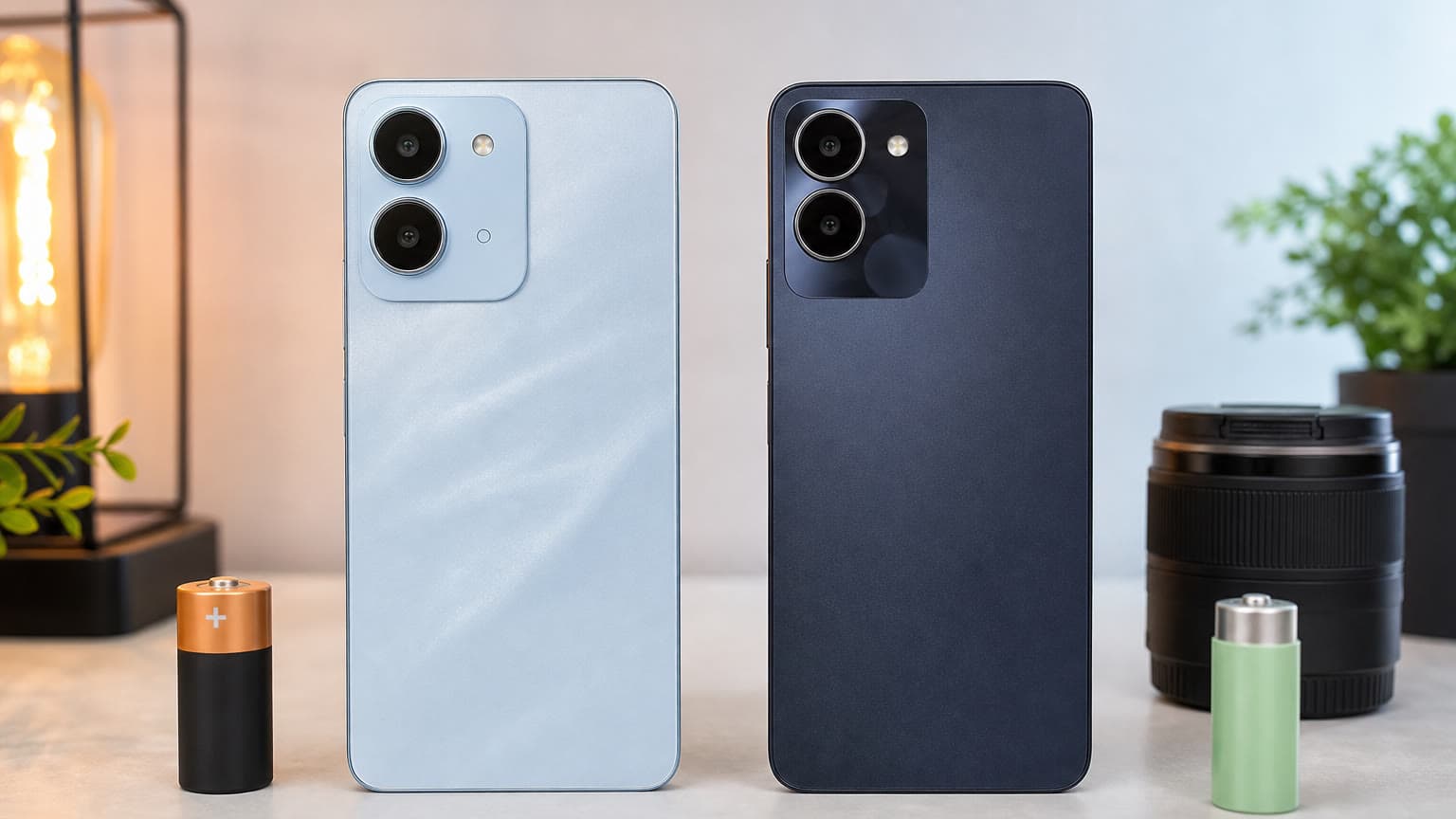
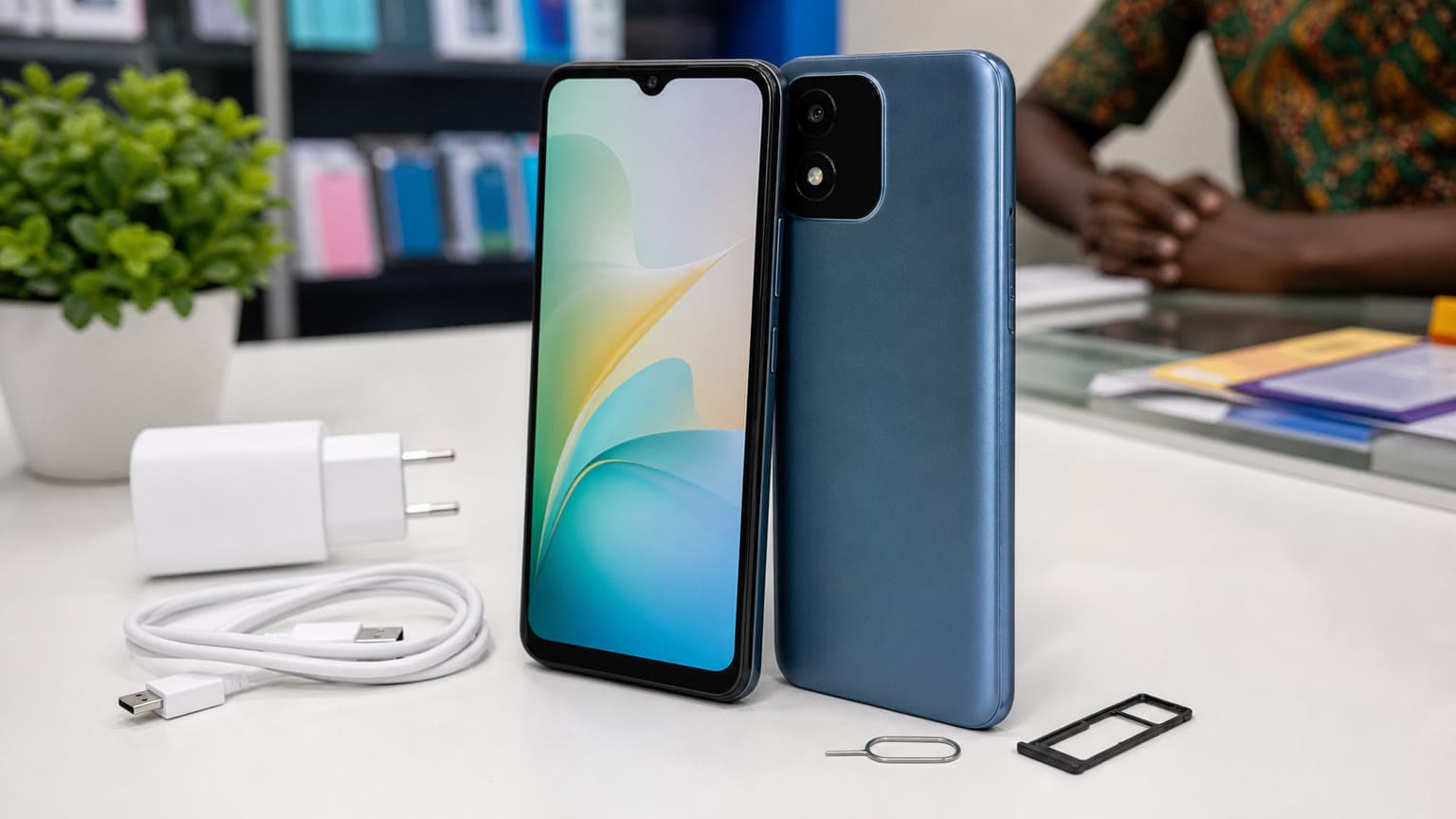
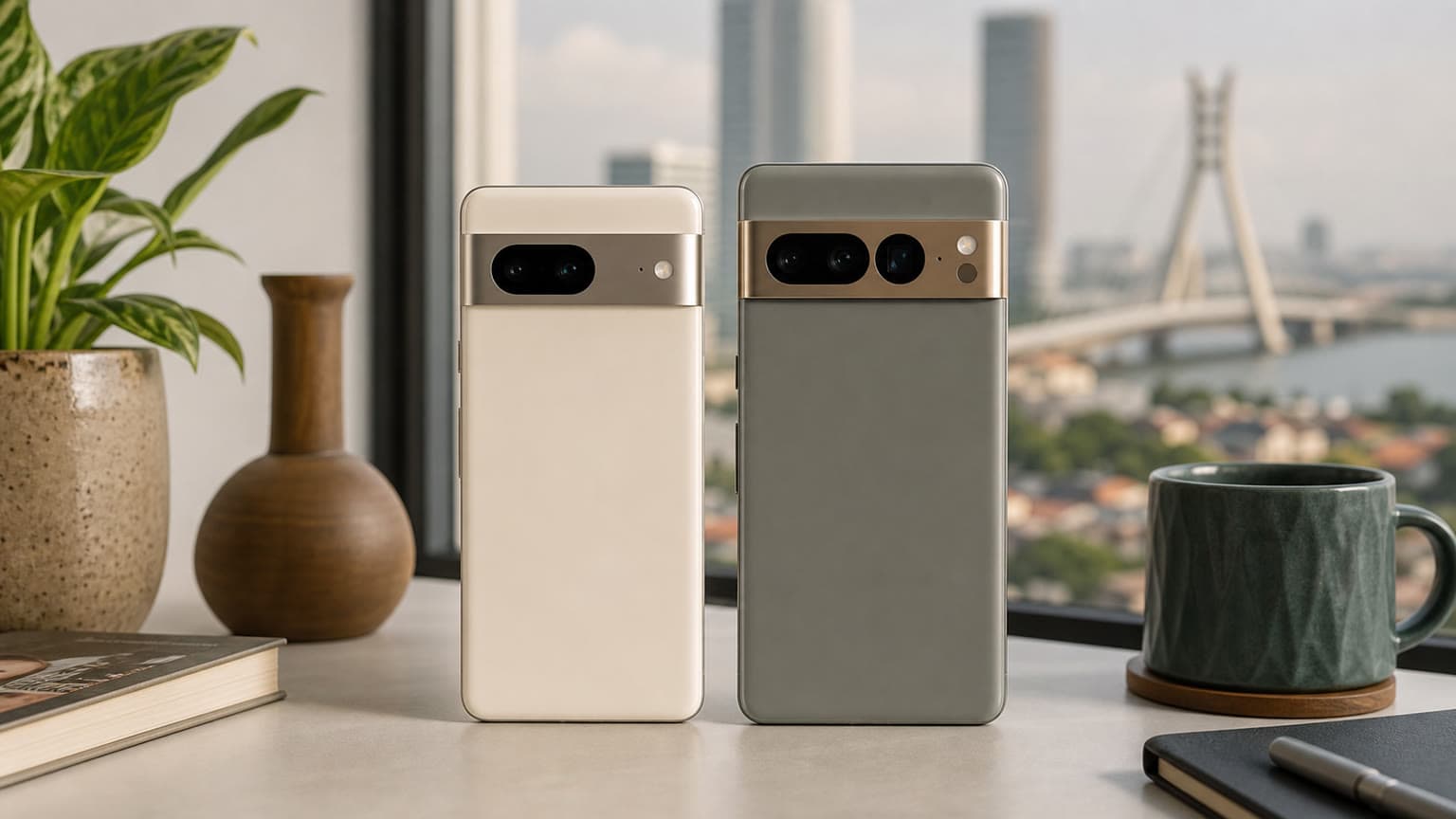
Vivo X300 Ultra vs Vivo X300 FE is not a simple bigger-phone-versus-cheaper-phone decision. As of May 31, 2026, both models are real current devices, but they solve different problems: the X300 Ultra is Vivo's camera-first flagship for people who will actually use advanced photo and video tools, while the X300 FE is the more compact, easier-to-carry choice for buyers who want a high-end Vivo without paying Ultra money.
The original draft was right to focus on performance and cameras, but the buying decision needs more context: availability varies by region, accessories are not all cross-compatible, prices are moving across markets, and the FE is not automatically the best value if the regular X300 or an older X200 Ultra is discounted. Here is the practical way to choose.
Quick Verdict
Buy the Vivo X300 Ultra if mobile photography, long zoom, pro video, a large high-resolution display, wireless charging, and long software support matter more than size or price. It is the model for creators, travelers, concert shooters, and anyone who wants Vivo's most ambitious camera hardware.
Buy the Vivo X300 FE if you want a compact flagship-style Vivo with strong battery life, Snapdragon 8 Gen 5 performance, IP68/IP69 protection, and a real telephoto camera, but you do not need the Ultra's dual-200MP camera system or specialist shooting accessories.
Do not buy either blindly in the US. Vivo availability, warranty coverage, network band support, charger bundles, returns, and repair service can differ sharply by seller and region. If you are buying through an importer or marketplace, confirm the exact model variant before paying.
Who This Comparison Is For
This guide is for buyers comparing Vivo's 2026 X-series phones rather than people looking for a budget Android phone. If you mainly browse, message, stream, and take casual photos, both phones may be more hardware than you need. If you want the best Vivo camera phone on sale now, the Ultra is the clearer target. If you want a smaller flagship that still feels premium, the FE is the more realistic daily driver.
For deeper coverage of the top model, Ogabassey's separate Vivo X300 Ultra camera and launch breakdown is the better place to focus only on the Ultra. This article keeps the decision centered on which phone to buy.
Key Specs and Buying Context
| Feature |
Vivo X300 Ultra |
Vivo X300 FE |
| Best fit |
Camera-first flagship buyers, creators, power users |
Compact flagship buyers, travel users, value-focused Vivo fans |
| Chipset |
Snapdragon 8 Elite Gen 5 |
Snapdragon 8 Gen 5 |
| Main camera focus |
High-end ZEISS camera system with dual 200MP rear cameras |
50MP main camera with 50MP 3x telephoto and smaller ultrawide |
| Zoom and accessories |
Built around 85mm telephoto plus optional 200mm and 400mm ZEISS telephoto extenders |
Supports the Vivo ZEISS Telephoto Extender Gen 2 in selected markets, sold separately |
| Battery and charging |
6600mAh battery, 100W wired, 40W wireless charging |
6500mAh battery, commonly listed with 90W wired charging; wireless support can vary by market listing |
| Display |
Large 6.82-inch 2K LTPO display, up to 144Hz in supported apps |
Compact 6.31-inch LTPO AMOLED class display, easier one-handed use |
| Software support |
Vivo lists 5 years of OS upgrades and 7 years of security maintenance on its global page |
Review and retail pages commonly reference long Android support, but confirm the regional policy before buying |
Performance: Elite Power or Sensible Flagship Speed?
The X300 Ultra's Snapdragon 8 Elite Gen 5 is the stronger chip and the better match for heavy video capture, long gaming sessions, high-resolution image processing, and AI-heavy camera features. Vivo's official Ultra page also pairs it with a large vapor chamber cooling system, which matters because sustained performance is often more important than a benchmark score.
The X300 FE's Snapdragon 8 Gen 5 is still high-end enough for demanding Android use. For most buyers, the FE should feel fast in gaming, multitasking, editing short videos, and everyday app switching. The reason to pay for the Ultra is not that the FE is slow; it is that the Ultra gives more headroom for sustained camera and creator workloads.
Camera: This Is the Biggest Difference
The X300 Ultra is the better camera phone by a wide margin. Vivo positions it around a ZEISS imaging system with a 35mm-style main camera, a 14mm ultrawide, and an 85mm gimbal-grade APO telephoto camera. Its headline appeal is the dual-200MP rear camera approach, especially the 200MP periscope telephoto system. If you shoot wildlife, stage events, travel details, portraits, or distant subjects, this is the reason to choose the Ultra.
The FE is more practical than spectacular. Reviews and official regional pages point to a 50MP main camera, a 50MP 3x telephoto, and an 8MP ultrawide. That is a useful setup for portraits and travel, but the ultrawide is a clear compromise and the FE is not competing with the Ultra for serious zoom quality. The FE is the phone for people who want a good telephoto lens in a smaller body, not the phone for people replacing a compact camera kit.
Accessories also matter. Vivo states that the X300 Ultra works with the Vivo ZEISS Telephoto Extender Gen 2 Ultra and the Vivo ZEISS Telephoto Extender Gen 2, each sold separately. Vivo's regional FE pages also mention compatibility with the ZEISS Telephoto Extender Gen 2, but you should confirm the exact bundle and accessory availability in your market. Do not assume an Ultra photography kit will fit or ship with the FE.
Battery, Charging, and Daily Comfort
The Ultra has the slightly larger 6600mAh battery and supports 100W wired plus 40W wireless charging according to Vivo's global product page. It is the stronger choice if you shoot lots of video, travel with one device, or want wireless charging on a desk or bedside stand.
The FE is still impressive for its size, with many listings and reviews citing a 6500mAh battery in a compact 6.31-inch body. That makes it attractive if you dislike large phones. The trade-off is that the FE does not feel like a cheaper version of the Ultra; it is a different phone with different priorities. It gives you portability and battery endurance, but gives up the Ultra's display size, camera hardware, and pro accessory ecosystem.
Price, Warranty, and Availability
Price is the hardest part of this comparison because Vivo's X-series availability is regional. The X300 Ultra launched at premium flagship pricing in China and appears in selected global markets, while the X300 FE has shown up across parts of Europe, Asia, the Middle East, Brazil, India, and Pakistan, with limited or no official US/UK availability depending on the source.
That means the cheaper phone is not always the better buy. If the FE is close to the price of the regular X300, X300 Pro, or a discounted X200 Ultra in your market, compare the camera hardware and warranty before choosing it. A lower imported price can become worse value if the seller offers weak returns, no local repair support, missing charger accessories, or uncertain software update terms.
Before buying, check four things: exact storage/RAM variant, local 5G band support, official warranty coverage, and return window. If you are shopping on Ogabassey, start with the latest Vivo phones and accessories category and compare current stock, bundles, and seller terms before treating any international price as final.
Trade-Offs You Should Not Ignore
The Ultra is bigger, more expensive, and more camera-focused than many people need. It is the more exciting device, but it only makes sense if you will use the display, cameras, video tools, zoom system, and accessories enough to justify the cost.
The FE is easier to live with, but it has compromises. Its ultrawide camera is weaker, its chipset is below the Ultra's Elite tier, and its value depends heavily on local price. If the FE is priced too close to the standard X300 or X300 Pro in your region, the FE becomes harder to recommend unless compact size is your top priority.
Alternatives Worth Comparing
If you are considering the X300 Ultra mainly for cameras, also compare the Vivo X300 Pro, Vivo X200 Ultra, Xiaomi's current Ultra model, and Oppo's current Find X Ultra model where available. Older Ultra phones can be strong value if they still have warranty coverage and clean software support.
If you are considering the X300 FE mainly because it is smaller, compare compact or semi-compact flagships such as the standard Vivo X300, Samsung's current Galaxy S flagship, and Google Pixel Pro models available in your region. Gamers should also check current stock in the Ogabassey gaming phones and accessories section, because cooling and battery behavior can matter more than camera specs for that use case.
Final Verdict
The Vivo X300 Ultra is the better phone overall and the obvious pick for serious camera users. Its Snapdragon 8 Elite Gen 5 platform, 200MP telephoto system, ZEISS extender support, 2K display, large battery, wireless charging, and long support promise make it the model to buy if you want Vivo's best 2026 hardware.
The Vivo X300 FE is the smarter everyday choice only when size, price, and battery life matter more than absolute camera quality. It is not a true Ultra substitute, but it can be the better personal phone for buyers who want a compact Vivo flagship experience without carrying a large camera-focused device every day.
For most buyers, the decision is simple: choose the X300 Ultra for the best camera and creator experience; choose the X300 FE for a smaller body and better value, but only after checking local warranty, network compatibility, and the price difference against the standard X300 and X300 Pro.
Shop Related Products on Ogabassey
Sources