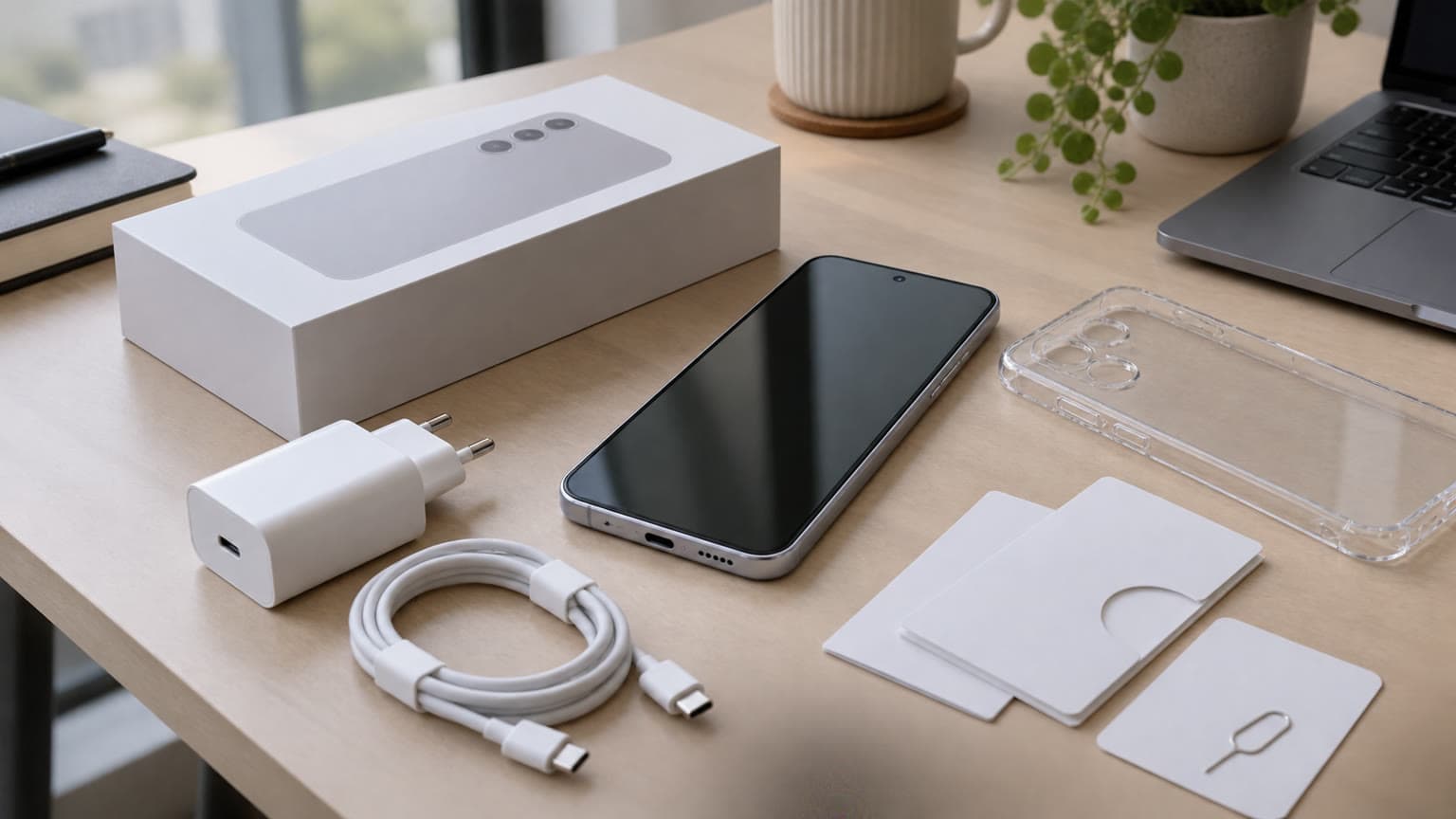
They say, "show me your friends and I will tell you who you are." In 2026, let us upgrade it: show me your phone and I will tell you your taste, your patience level, your budget discipline, and the kind of charger you beg for at parties.
This is still a fun Ogabassey personality test, but phone choice now says more than vibes. Software support, warranty, repair access, charging speed, resale value, AI features, battery health, and local availability all matter. So whether you are Team iPhone, Samsung, Xiaomi, Pixel, or Tecno, here is what your phone says about you and what you should actually check before your next upgrade.
If you are seriously shopping, also read Ogabassey's phone-buying checklist before a major sale and the guide to smartphone charging technologies before you let hype carry your money.
Who This Is For
This article is for the person who already knows phones are not one-size-fits-all. You may want premium video, long software support, serious gaming power, a phone that survives Nigerian daily use, or just something that will not embarrass you when NEPA takes light. The goal is simple: laugh small, then buy smarter.
1. iPhone Users - The Fresh and Packaging Gang
If you are using an iPhone, admit it: you like premium things. Your phone is not just a device; it is part of the outfit. Clear case, camera island facing out, AirPods nearby, and "sent from iPhone" energy even when nobody asked.
Your personality: you like polish, resale value, clean video, strong accessories, and a phone that just behaves. You probably care about Instagram, TikTok, FaceTime, iMessage, AirDrop, and how well your phone works with your laptop, watch, earbuds, or tablet.
2026 buying context: iPhone remains one of the safest long-term buys because Apple keeps older models useful for years. iOS 26 supports iPhone 11 and newer, including iPhone SE 2nd generation and newer. That matters if you buy used, because a cheaper iPhone can still be sensible if it receives current software, has good battery health, and is not locked to another region or carrier.
Trade-offs: you may pay more for storage, repairs, accessories, and Pro features. Battery replacement history matters a lot on used units. Also, Apple Intelligence and the newest camera tricks may not work on every supported iPhone, so "supports iOS 26" does not automatically mean "gets every 2026 feature."
What this says about you: you like soft life with fewer settings. You may pay more, but you are also buying resale value, ecosystem comfort, and reliable video. Just do not buy a tired used iPhone with 74% battery health and call it a bargain.
2. Samsung Users - The Power Users and Big Screen Chiefs
Samsung users love options. Split screen? Yes. Stylus? Maybe. Foldable? If money agrees. Big display? Always. You are the person who says, "My phone is my office," and honestly, you are not lying.
Your personality: you like flexibility, sharp screens, strong cameras, multitasking, file control, and features you may not use every day but still want available. Galaxy S and Z users are often spec-conscious; Galaxy A users are usually value-conscious but still want a trusted Android brand.
2026 buying context: Samsung's premium phones now compete strongly on longevity, not just specs. The Galaxy S26 series has seven generations of OS upgrades and seven years of security updates from launch. For buyers keeping a phone for four to six years, that makes software support a real value feature, not just marketing.
Trade-offs: Samsung pricing can climb fast, especially for Ultra and Fold models. Some features are best when you stay inside the Samsung ecosystem. Repairs for foldables and premium displays can be expensive, so warranty status, case availability, and screen protection are not small details.
What this says about you: you want power and practical bragging rights. You are the type to compare display refresh rate, chipset, storage, charging, and camera zoom before paying. For more Samsung-specific tricks, Ogabassey's guide to things your Samsung phone can do is a useful next read.
3. Xiaomi Users - The Sharp Guys and Value Calculators
If you use Xiaomi, Redmi, or POCO, you are probably allergic to wasting money. You want strong specs, fast charging, big battery, and enough performance to make more expensive phones look like daylight robbery.
Your personality: you research. You compare RAM, storage, charger wattage, chipset, display, and camera samples before buying. You know that a phone can be affordable without being weak.
2026 buying context: Xiaomi can be excellent value, especially when you care about battery, charging, display quality, and gaming performance. The caution is software policy. Xiaomi's Android Enterprise Recommended page says listed devices receive regular security patches within 90 days for three years from initial ship date and at least one major Android OS update. That is useful, but it is not the same long promise Samsung and Google give on selected models.
Trade-offs: update timing can vary by model and region. Some imported units may have warranty or network-band issues. Also, a high megapixel number does not guarantee better photos, so check real camera samples before choosing one Redmi over another.
What this says about you: you are sharp and budget-aware. You like performance per naira, but you should still check update policy, warranty, charger authenticity, and whether the model was meant for your market.
4. Pixel Users - The Google AI Professors
Pixel users are a rare breed. You like clean Android, fast updates, camera processing, spam protection, call tools, and the feeling that your phone is smarter than it looks. You may also enjoy explaining "computational photography" to people who did not ask.
Your personality: you like simple software, strong photos, Google features, and early Android updates. You probably care less about flashy hardware and more about the camera result after the software finishes its magic.
2026 buying context: Pixel 8 and later phones get seven years of OS and security updates from when the device first became available on the Google Store in the US, and Pixel Drops may add new features over time. This makes newer Pixels strong choices for people who want a long-life Android phone.
Trade-offs: availability and after-sales support can be the issue, especially in markets where Pixels are mostly imported. Warranty, parts, and repair access may not be as straightforward as Samsung, Tecno, or other brands with stronger local service presence. Also, seven years of updates does not guarantee every future AI feature will reach every older Pixel.
What this says about you: you are the minimalist tech person. You want the smartest camera and cleanest Android experience, but you must be realistic about local repairs and warranty before importing.
5. Tecno Users - The No-Time-for-Nonsense Hustlers
If you use Tecno, respect. You want a phone that handles WhatsApp, calls, mobile banking, YouTube, photos, business, and battery life without asking you to sell family land. Tecno users are practical people.
Your personality: you want local availability, service centers, good battery, decent camera, dual SIM, loud speaker, and a price that still leaves money for data. You do not need every flagship feature if the phone does the work.
2026 buying context: Tecno has become more ambitious with devices like the CAMON 40 Premier 5G, which highlights a 50MP Sony LYT-701 Ultra Night Camera, TECNO AI, and a MediaTek Dimensity 8350 Ultimate AI processor. In Nigeria, Carlcare's TECNO service policy lists 13 months of warranty for the smartphone main unit, including built-in battery, on eligible TECNO products sold in the country.
Trade-offs: software update promises are usually less clear than Apple, Google, or Samsung flagships. Entry-level models can also age faster if storage is low. Before buying, check RAM and storage, Android version, warranty card, receipt, and whether the seller is authorized.
What this says about you: you are practical, street-smart, and focused on value. You may not be chasing the most expensive phone, but you know a reliable phone is a business tool.
Key Specs and Buying Context That Actually Matter
Forget only asking "How many megapixels?" In 2026, ask better questions. How many years of security updates are promised? Is the warranty local or seller-only? Can you replace the battery easily? Is the charger original? Does the phone support the network bands you use? Is 128GB enough for your videos, WhatsApp media, and apps, or should you stretch to 256GB?
Charging speed is another big one. A phone with fast charging can be more useful than a slightly faster processor if you are always moving. Ogabassey's charging technology explainer helps separate real charging convenience from big wattage numbers.
Alternatives: If Your Personality Is Changing
If you love iPhone polish but want Android freedom, look at Samsung Galaxy S or Pixel. If Samsung is too expensive, consider Galaxy A, Xiaomi, Redmi, POCO, or Tecno depending on your budget. If Xiaomi gives you value but you want longer updates, compare with Samsung A-series or Pixel A-series. If Tecno works for you but you want stronger cameras, compare CAMON, Phantom, Samsung A-series, and Redmi Note models. Ogabassey's article on phone brands that deserve more attention is useful if you want to explore beyond the usual names.
Verdict: Na Who You Be?
Your phone still says something about you. iPhone says polish and ecosystem. Samsung says power and flexibility. Xiaomi says value and specs sense. Pixel says clean software and AI camera brain. Tecno says practical hustle and local value.
But the smartest buyer in 2026 is not the loudest fanboy. The smartest buyer checks software support, warranty, battery health, charging, repair access, storage, and real availability before paying. So yes, let the phone war continue, but let your next purchase be based on sense as well as vibes.
Shop related Ogabassey options: Ogabassey smartphones.
Sources