Bolakale is a Content Writer at Ogabassey with over five years of experience creating clear, practical content for online shoppers. He specialises in product reviews, buying guides, and how-to explainers across consumer electronics and gadgets, translating technical specifications into plain-language advice. His writing helps Nigerian buyers compare options and choose the right products with confidence.
Every year, iPhone buyers run into the same practical question: should you choose the Pro, or pay more for the Pro Max? The short answer is that the Pro is usually the smarter everyday phone, while the Pro Max is the better fit when battery life, screen size, and long-range camera work matter more than pocket comfort.
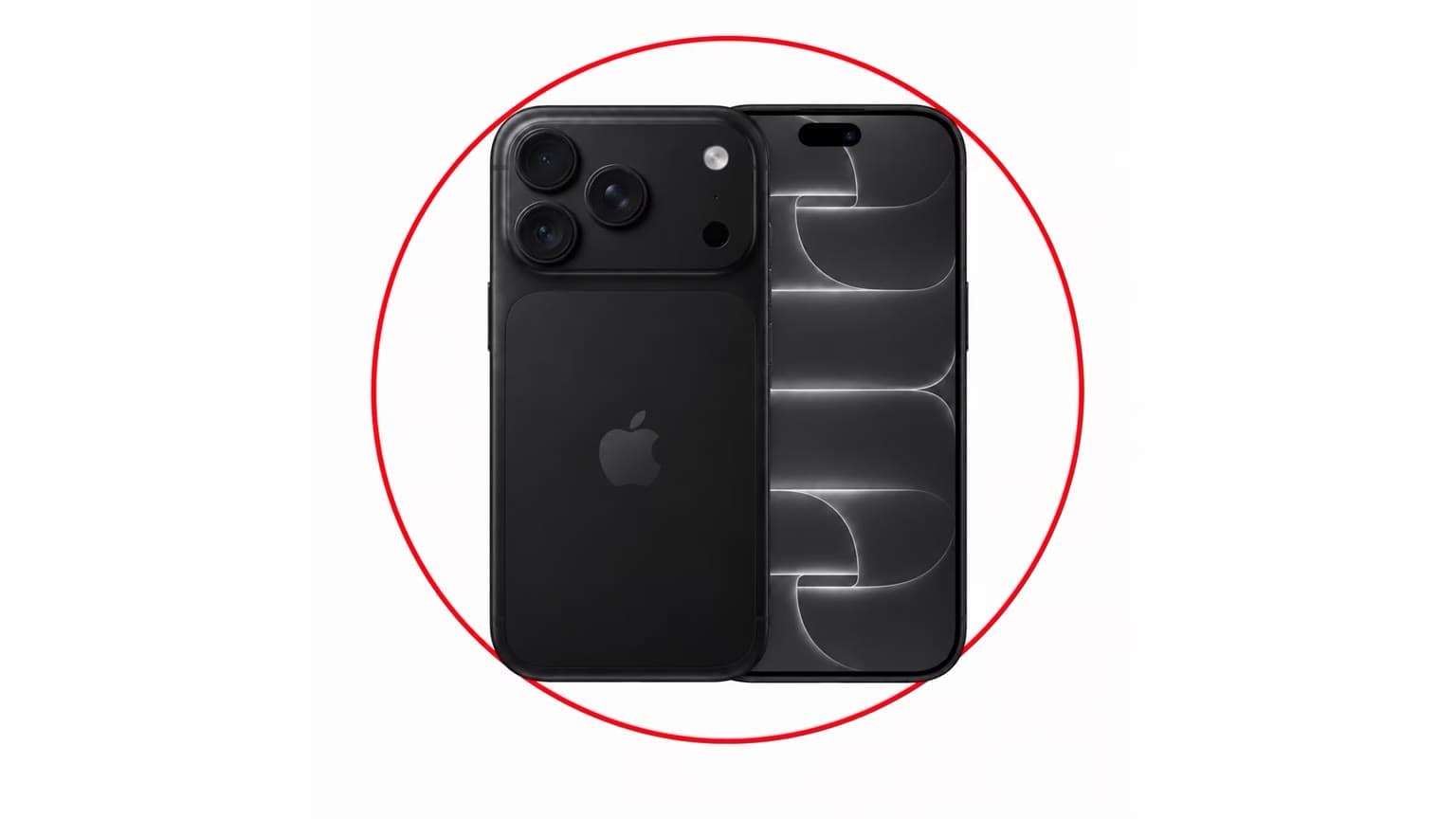
That answer has become more important in 2026 because the gap between Pro and Pro Max changes by generation. On the iPhone 15 Pro family, the Max adds a larger display, longer battery life, and the 5x telephoto camera that the smaller Pro did not get. On the iPhone 16 Pro family, Apple brought the 5x telephoto lens to both Pro sizes, so the decision became more about battery, display, and storage value. With the iPhone 17 Pro line, the Pro Max again stretches ahead for maximum battery life and storage, while both models keep the same core A19 Pro platform and camera system.
If you are shopping Ogabassey options, compare the exact listing and condition before choosing. A clean iPhone 15 Pro can be the best value for buyers who want a compact USB-C Pro iPhone with Apple Intelligence support, while the iPhone 15 Pro Max is still the better 15-series pick for zoom and battery endurance.
Who this is for
Choose a Pro model if you want the flagship chip, ProMotion display, better camera controls, LiDAR, Pro video features, and long software support without carrying Apple’s largest phone. This is the right lane for students, commuters, business users, and anyone who types one-handed or keeps a phone in a trouser pocket.
Choose a Pro Max if your phone is also your main video screen, camera, work device, map, mobile hotspot, and travel companion. The extra screen area makes editing photos, reading documents, gaming, and watching HDR video easier. The battery advantage is also real: Apple rates the iPhone 15 Pro at up to 23 hours of video playback and the iPhone 15 Pro Max at up to 29 hours; the iPhone 16 Pro rises to up to 27 hours while the 16 Pro Max reaches up to 33 hours; and the iPhone 17 Pro Max is rated above the smaller 17 Pro again.
The catch is handling. Pro Max models are wider, taller, and heavier. The iPhone 16 Pro Max weighs 227g, and the iPhone 17 Pro Max weighs 233g. That is comfortable for some buyers and tiring for others. If you already complain about large phones, the Pro Max battery gain may not make up for the daily grip penalty.
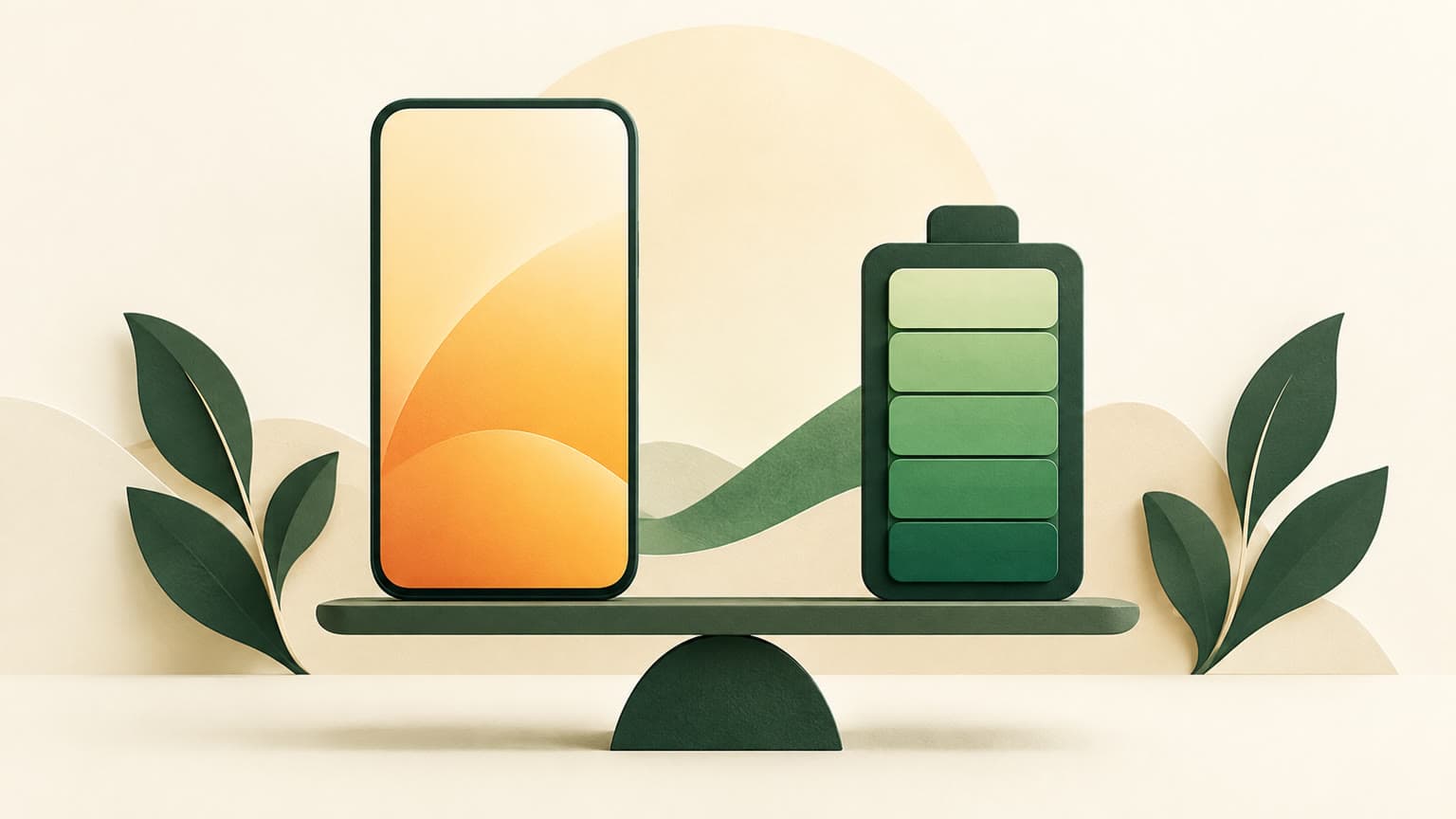
Diagram showing how Pro and Pro Max trade pocket comfort for screen size and battery life.
Key specs and buying context
The biggest difference between Pro and Pro Max is not performance. In the same generation, both normally use the same Pro-class chip. The iPhone 15 Pro and 15 Pro Max use A17 Pro; the iPhone 16 Pro and 16 Pro Max use A18 Pro; the iPhone 17 Pro and 17 Pro Max use A19 Pro. For normal use, gaming, camera processing, editing short videos, and Apple Intelligence features, the smaller Pro is not a “less powerful” phone in the way many buyers assume.
Display size is the first difference you will feel. The iPhone 15 Pro uses a 6.1-inch display, while the 15 Pro Max uses 6.7 inches. The iPhone 16 Pro moved to 6.3 inches, while the iPhone 16 Pro Max uses 6.9 inches. The iPhone 17 Pro keeps the 6.3-inch class, while the iPhone 17 Pro Max remains the large-screen choice. If you mostly use WhatsApp, calls, banking apps, social media, and quick photos, the Pro display is already excellent. If you read PDFs, edit reels, watch movies, or use split attention between apps and notifications, the Max is easier on the eyes.
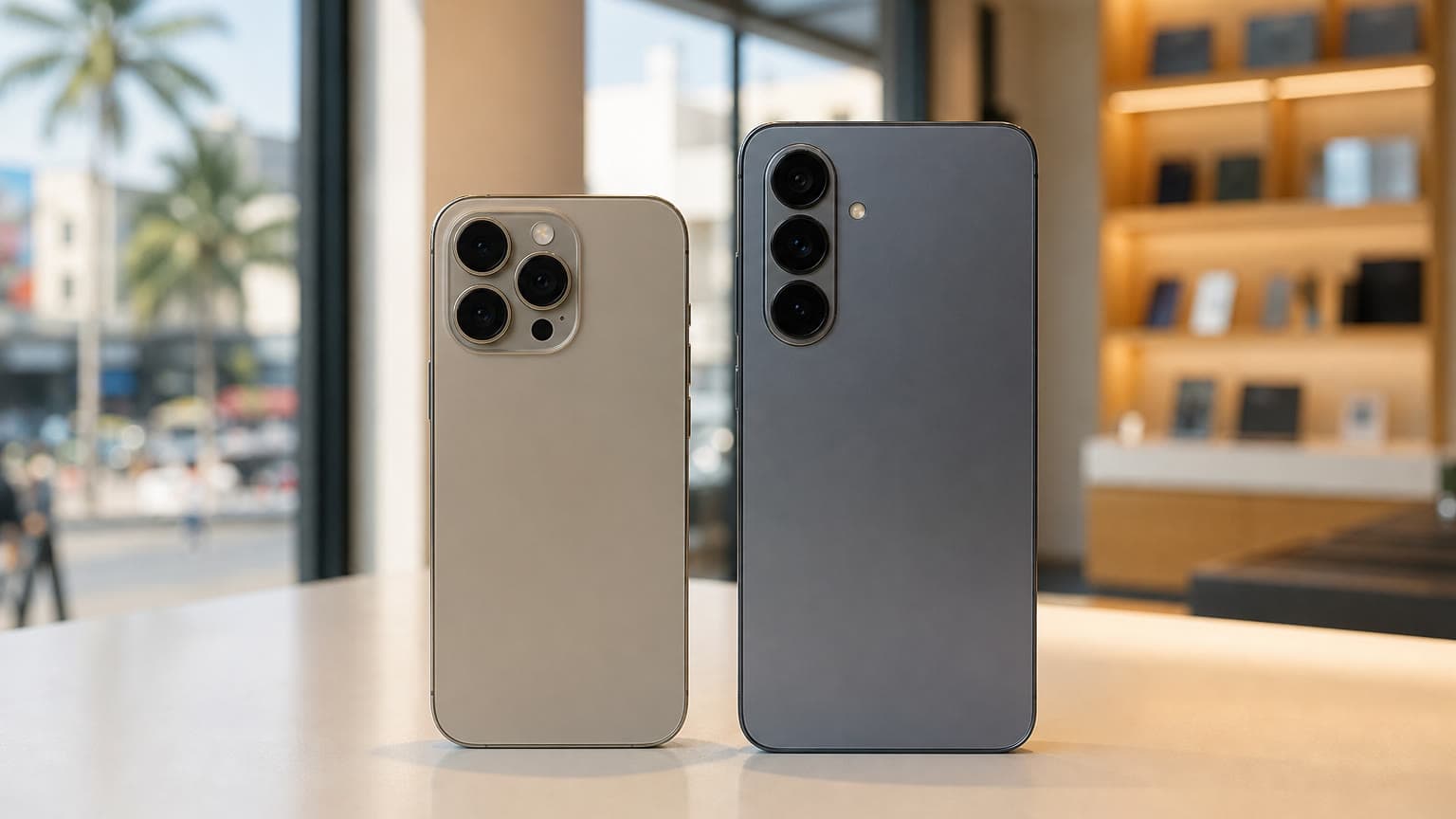
Camera differences depend on the generation. For the iPhone 15 series, the Pro Max is clearly stronger for long-distance subjects because it has the 5x tetraprism telephoto camera, while the smaller 15 Pro has a 3x telephoto. That matters for concerts, events, school activities, travel, portraits from a distance, and product shots where you do not want to move closer. With the iPhone 16 Pro and 16 Pro Max, both models have the 5x telephoto, 48MP Fusion main camera, 48MP Ultra Wide, Camera Control, and 4K Dolby Vision recording up to 120 fps on the main camera, so you do not need the Max just to get the best zoom in that generation.
Storage also changes the value calculation. The iPhone 15 Pro and 16 Pro were available from 128GB, while the Pro Max versions started at 256GB. That higher starting storage is part of why the Max costs more. In 2026, a 128GB Pro can still work if you stream music, use iCloud, and do not shoot lots of ProRes video. Buyers who keep many offline videos, large games, WhatsApp media, or 4K clips should treat 256GB as the practical floor.
Trade-offs before you buy
The Pro Max gives you endurance, but it also asks for more money upfront and more comfort compromise every day. A case and screen protector add even more bulk, and replacing a damaged Pro Max display or back glass can be costly. If you buy used or open-box, inspect the battery health, Face ID, cameras, USB-C port, speaker, microphone, display brightness, and whether the phone is locked to a carrier or iCloud account.
Warranty and trust matter more than a tiny spec difference. Apple’s standard limited warranty covers eligible defects for one year from original retail purchase, but it does not cover accidental damage, normal battery aging, cosmetic wear, unauthorized repair damage, or liquid damage. For any Ogabassey purchase, check the product page condition notes, return terms, available warranty coverage, and whether accessories such as charger, cable, case, or screen protector are included. Apple no longer includes a power adapter in the box for these models, so budget for a good USB-C adapter if you do not already own one.
SIM compatibility is another buyer warning. Recent U.S. iPhone Pro models are eSIM-only, while some non-U.S. market units may include a physical SIM tray. Before paying, confirm the exact model supports your network, preferred SIM setup, 5G bands, and roaming needs. This is especially important if you travel often or switch carriers.
Buyer checklist for comparing Pro and Pro Max listings before purchase.
Alternatives worth considering
If the newest Pro Max is outside budget, do not ignore previous generations. The iPhone 14 Pro Max remains a strong large-screen iPhone for buyers who want Dynamic Island, ProMotion, and excellent battery life without paying for newer USB-C models. The iPhone 13 Pro Max can still be a practical value option when the price is right, especially for battery-focused users who do not need Apple Intelligence. The iPhone 12 Pro Max and iPhone 11 Pro Max should be bought more carefully in 2026 because battery age, storage limits, and remaining software-support runway matter more than the original launch specs.
There are also non-Apple alternatives if you simply want the biggest screen and longest zoom range. Ogabassey’s comparison of the iPhone 16 Pro Max vs Samsung Galaxy S24 Ultra is useful if you are deciding between iOS and Android flagships. If you are trying to choose between a newer smaller Pro and an older larger Max, read the iPhone 16 Pro Max vs iPhone 17 Pro comparison before spending more on size alone.
Accessories can also shift the decision. A MagSafe power bank makes the smaller Pro easier to live with on travel days, while a grip case can make the Pro Max safer to hold. Browse Ogabassey accessories if you are pairing the phone with a case, charger, screen protector, or AirPods. For audio pairing, the guide to matching AirPods with the right iPhone can help you avoid overspending on features you will not use.
FAQ
What is the difference between Pro and Pro Max?
The Pro Max is larger, heavier, usually has better battery life, and sometimes gets a camera or storage advantage depending on the generation. The Pro gives you nearly the same core flagship experience in a smaller body. For iPhone 15, the Pro Max has the stronger 5x telephoto camera. For iPhone 16, both Pro models get the 5x telephoto, so the Pro Max advantage is mostly screen and battery.
Why choose Pro instead of Pro Max?
Choose Pro if comfort, one-handed use, lower price, and pocketability matter. It is not the “basic” model: you still get the Pro chip, ProMotion, premium camera system, LiDAR, USB-C on newer models, and long iOS support. For many buyers, the Pro is the better balance because it delivers flagship features without the daily bulk.
Is Pro Max battery life worth it?
It is worth it if you regularly finish the day below 20%, use mobile data heavily, record lots of video, game, travel, or use your phone as a hotspot. If you are near chargers most of the day, the smaller Pro is usually enough, especially from the iPhone 16 Pro onward where battery life improved over the iPhone 15 Pro.
Should I buy an older Pro Max or a newer Pro?
Buy the newer Pro if you care about longer software support, newer camera processing, USB-C, Apple Intelligence support, and a lighter feel. Buy the older Pro Max if the price is significantly better and you mainly want a larger display and longer battery. Always compare battery health, storage, warranty, and condition before choosing the older phone.
Verdict: Pro or Pro Max?
Buy the Pro if you want the best iPhone experience in a practical size. It is the right choice for most people because the camera, chip, display quality, and software features are already high-end. Buy the Pro Max if your phone is your main screen, you shoot from a distance, you travel often, or battery life is more important than comfort.
For 2026 shoppers, the most useful rule is simple: do not pay for Max just because it sounds more premium. Pay for Max when you will benefit from the bigger battery and bigger display every day. Otherwise, a well-priced Pro, especially the iPhone 15 Pro or newer, may leave more budget for storage, warranty, accessories, or an upgrade sooner.
Catalog-linked prices update automatically. Historical and other quoted prices remain as written. Open the product page to confirm the current price, selected variant and availability before buying.