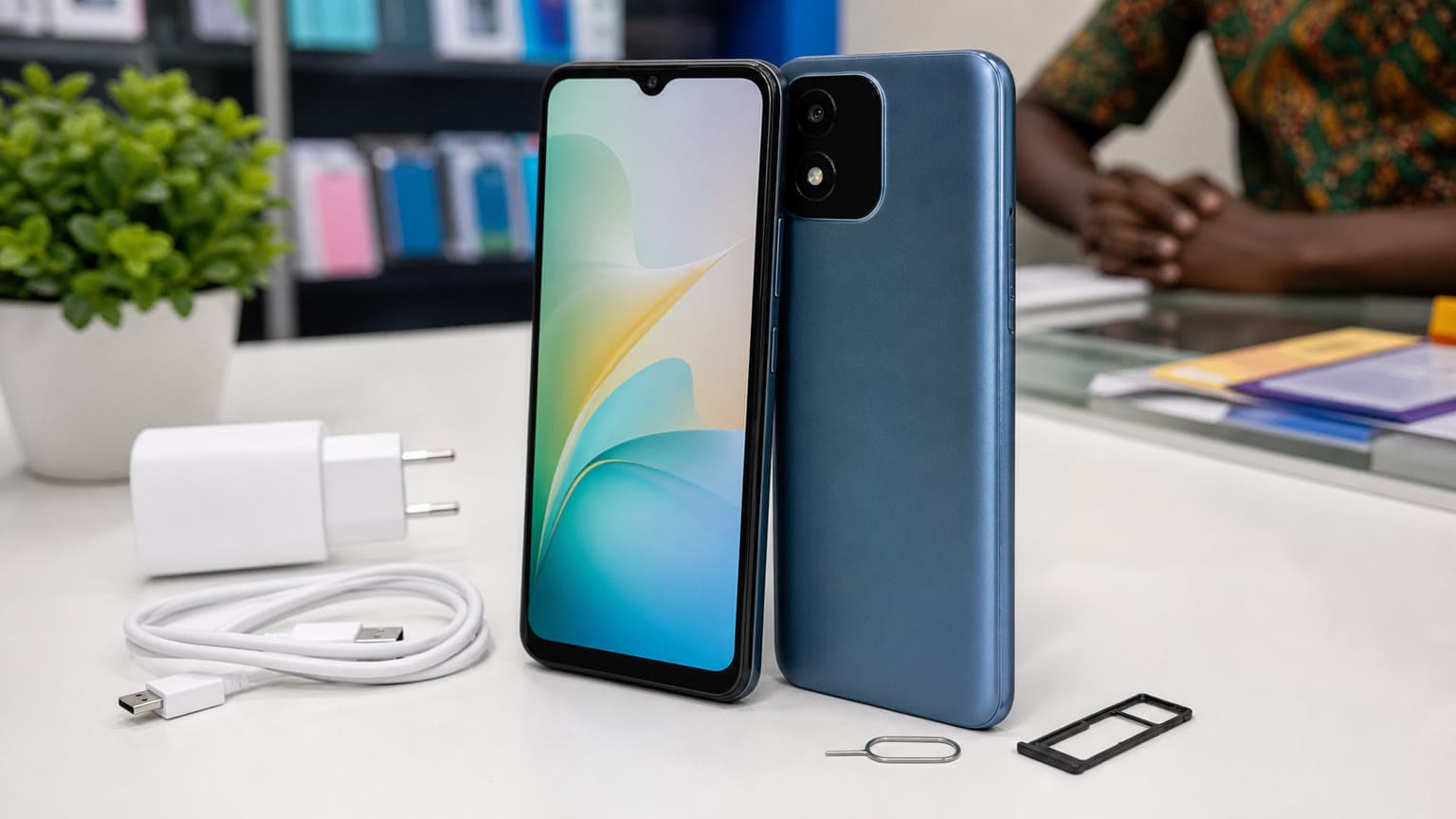
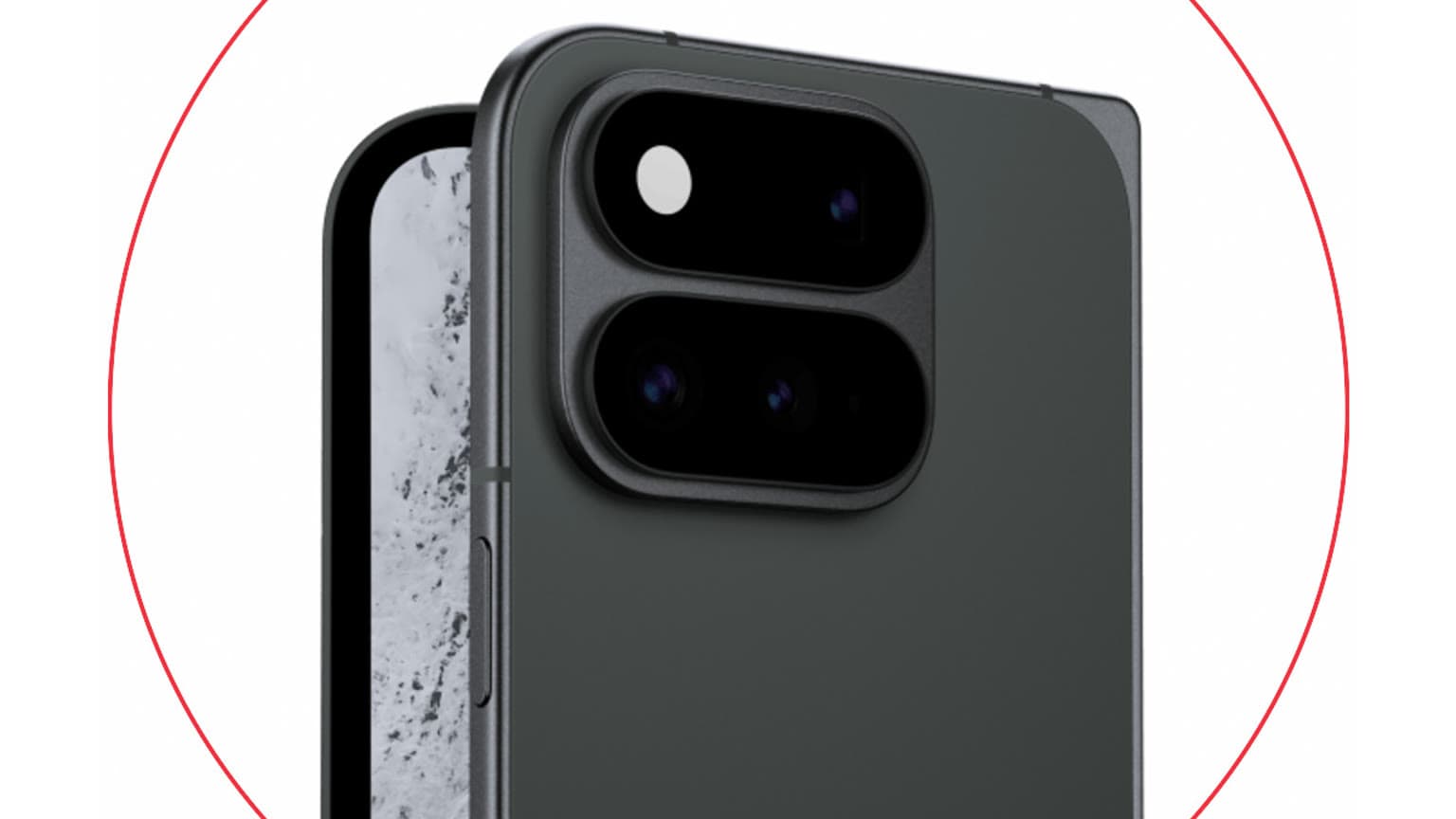
Poco M8 5G & M8 Pro 5G: Full Specs and Price in Nigeria
The Poco M8 5G and Poco M8 Pro 5G are now official globally, but Nigerian buyers should treat them as import-first phones until local retail listings and warranty support are clearly confirmed. The important update for 2026 is that the earlier rumoured spec sheet has changed: the standard Poco M8 5G uses a Snapdragon 6 Gen 3 chip, a 5,520mAh battery and 45W charging, while the Poco M8 Pro 5G steps up to Snapdragon 7s Gen 4, a 6,500mAh battery and 100W charging.
If you are comparing affordable 5G phones in Nigeria, the M8 series sits above entry-level 4G devices and below Poco’s performance-focused F-series. For stronger gaming power, also compare Ogabassey’s POCO F6 and F6 Pro buying review. If your priority is mainstream Nigerian availability rather than import value, compare the M8 series against the TECNO Spark 40 series in Nigeria, Infinix Note 60 Pro, and Redmi Note 15 series.
Quick Verdict
The Poco M8 Pro 5G is the better buy if the Nigerian price gap is reasonable because it brings the stronger chipset, larger battery, faster charging, better main camera hardware, Wi-Fi 6/6E support and tougher water-resistance rating. The standard Poco M8 5G is the value pick if you want a slim AMOLED 5G phone with expandable storage and can live with slower performance, a smaller battery and a simpler camera system.
Do not buy either model purely because of the old rumour that it ships with Android 16. POCO’s official spec pages list Xiaomi HyperOS 2, and launch coverage reports Android 15-based HyperOS 2 for the Pro model. The phones may still receive future updates, but Nigerian buyers should wait for region-specific update policy and warranty terms before treating software longevity as guaranteed.
Expected Poco M8 Price in Nigeria
As of 31 May 2026, there is no clearly verified official Nigeria launch price from POCO for either model. Global early-bird pricing reported at launch was about $209 for the Poco M8 5G 8GB/256GB, $259 for the 8GB/512GB model, $279 for the Poco M8 Pro 5G 8GB/256GB, and $339 for the 12GB/512GB Pro variant.
In Nigeria, import pricing normally adds exchange-rate movement, shipping, customs, seller margin, payment fees and warranty risk. A practical buyer estimate is:
| Model | Global launch reference | Practical Nigeria buying range | Best fit |
|---|
| Poco M8 5G 8GB/256GB | About $209 early-bird | Budget import pricing; confirm live seller price before paying | Students, social media, streaming, everyday 5G |
| Poco M8 5G 8GB/512GB | About $259 early-bird | Worth considering only if the 512GB premium is small | Heavy media storage and offline downloads |
| Poco M8 Pro 5G 8GB/256GB | About $279 early-bird | Best value if priced close to the base M8 512GB | Gaming, camera, stronger battery life |
| Poco M8 Pro 5G 12GB/512GB | About $339 early-bird | Premium import; compare against Poco F-series deals | Power users who want more RAM and storage |
Key Specs and Buying Context
| Feature | Poco M8 5G | Poco M8 Pro 5G |
|---|
| Display | 6.77-inch Flow AMOLED, 2392 x 1080, up to 120Hz | 6.83-inch CrystalRes AMOLED, 2772 x 1280, up to 120Hz |
| Processor | Snapdragon 6 Gen 3, 4nm | Snapdragon 7s Gen 4, 4nm |
| Memory/storage | 8GB RAM with 256GB or 512GB storage; microSD via hybrid slot | 8GB/256GB or 12GB/512GB; no hybrid-slot advantage listed |
| Rear cameras | 50MP Light Fusion 400 main + 2MP depth | 50MP Light Fusion 800 main with OIS + 8MP ultrawide |
| Selfie camera | 20MP | 32MP |
| Battery and charging | 5,520mAh, 45W wired, up to 18W reverse wired | 6,500mAh, 100W wired, up to 22.5W reverse wired |
| Durability | IP66 dust and water resistance | IP66/IP68/IP69/IP69K dust and water resistance |
| Software listed by POCO | Xiaomi HyperOS 2 | Xiaomi HyperOS 2 |
Who This Is For
Choose the Poco M8 5G if you want an affordable 5G phone with an AMOLED display, slim body, stereo speakers, NFC, IR blaster, expandable storage and enough performance for WhatsApp, TikTok, banking apps, YouTube, light editing and casual games. It is also attractive if you need 512GB storage without paying Pro-level prices.
Choose the Poco M8 Pro 5G if you care about stronger sustained performance, faster charging, better outdoor display sharpness, a larger battery, OIS on the main camera, ultrawide photography, higher-grade water resistance and better wireless connectivity. For many Nigerian buyers, the Pro model is the one that makes the M8 series feel like a serious 2026 upgrade rather than just another budget 5G phone.
5G, Network and Compatibility in Nigeria
Both phones list broad 5G band support, including commonly important sub-6GHz bands such as n78, plus 4G LTE bands used across many regions. That said, phone compatibility is not the same as guaranteed Nigerian carrier support. Before buying an imported unit, ask the seller for the exact global model, supported bands, SIM configuration, and whether VoLTE/5G works on your preferred Nigerian network.
The Poco M8 5G uses a nano-SIM plus hybrid slot, meaning you may have to choose between a second SIM and microSD expansion. The M8 Pro 5G lists dual nano-SIM support and stronger Wi-Fi specs, but buyers who depend on microSD should verify the retail unit carefully before paying.
Trade-Offs to Know Before Buying
The first trade-off is warranty. Imported Poco phones can be good value, but liquid damage, accidental damage and unofficial repairs are common pain points. POCO’s own water-resistance notes say protection can degrade over time and that liquid damage outside test conditions is not covered. In Nigeria, that makes seller reputation, return window, receipt, sealed-box status and after-sales handling just as important as the spec sheet.
The second trade-off is performance tier. The Snapdragon 6 Gen 3 in the Poco M8 5G is efficient and modern, but it is still below the Pro model’s Snapdragon 7s Gen 4 and far below Poco F-series chips for demanding gaming. If you play Genshin Impact, Warzone Mobile or heavy emulation, compare prices with the POCO F6 and F6 Pro before settling for the M8 Pro.
The third trade-off is camera expectations. The Pro model’s OIS and larger Light Fusion 800 sensor should help night shots and video stability, but neither model should be bought as a flagship camera phone. The base M8’s 2MP depth camera adds little practical value; its main camera and processing will matter far more.
Poco M8 5G vs M8 Pro 5G: Which Should You Buy?
Buy the Poco M8 5G if the Pro costs much more and your daily use is messaging, browsing, calls, social media, light gaming and streaming. Its AMOLED panel, 120Hz refresh rate, 5,520mAh battery and 45W charging are already strong for a budget 5G phone.
Buy the Poco M8 Pro 5G if the price gap is modest. The Pro upgrade is not just branding: you get a sharper 1.5K screen, stronger chip, larger 6,500mAh battery, much faster 100W charging, 22.5W reverse charging, OIS, ultrawide camera, Wi-Fi 6/6E and a more robust IP rating. For buyers who keep a phone for three years or more, those upgrades are easier to justify.
Alternatives in Nigeria
If Poco M8 stock is expensive or warranty terms are weak, consider a local-market alternative. The Redmi Note 15 series is the closest Xiaomi-family comparison for buyers who want a similar balance of screen, battery and durability. The TECNO Spark 40 series may be easier to service locally if you care more about availability than raw specs. The Infinix Note 60 Pro is also worth checking if camera features, retail support and Nigerian pricing are more important than Poco’s 5G value pitch.
Final Verdict
The Poco M8 5G and Poco M8 Pro 5G are no longer just rumours, but the Nigerian buying advice depends on live import pricing and warranty clarity. The base M8 5G is a sensible affordable 5G option if priced aggressively. The M8 Pro 5G is the better all-round phone and the safer recommendation for heavy users, provided it does not overlap with discounted Poco F-series pricing.
For most Nigerian buyers, the best move is to shortlist the Poco M8 Pro 5G 8GB/256GB, compare it against current Redmi, Tecno, Infinix and Poco F-series offers, and only buy from a seller who clearly states the model variant, charger contents, return window and warranty handling.
FAQ
Has the Poco M8 5G launched?
Yes. Current official POCO pages list both Poco M8 5G and Poco M8 Pro 5G, and launch reports from January 2026 confirm global availability details.
Does the Poco M8 5G have a 6,000mAh battery?
No. POCO’s official spec page lists a 5,520mAh typical battery for the standard Poco M8 5G. The Pro model has the larger 6,500mAh battery.
Does the Poco M8 Pro 5G have a 108MP camera?
No. The official Pro spec lists a 50MP Light Fusion 800 main camera with OIS and an 8MP ultrawide camera.
Is the Poco M8 Pro 5G good for gaming?
It should be good for mid-range gaming thanks to the Snapdragon 7s Gen 4, 120Hz AMOLED display and cooling hardware, but it is not a replacement for a Poco F-series phone if your priority is high-end graphics performance.
Should I buy the Poco M8 series in Nigeria now?
Buy only if the seller can confirm the exact global model, network compatibility, sealed-box accessories, return policy and warranty. If those details are unclear, wait for more established Nigerian retail availability or choose a locally supported alternative.
Shop related Ogabassey options: Tecno Spark 40.
Sources