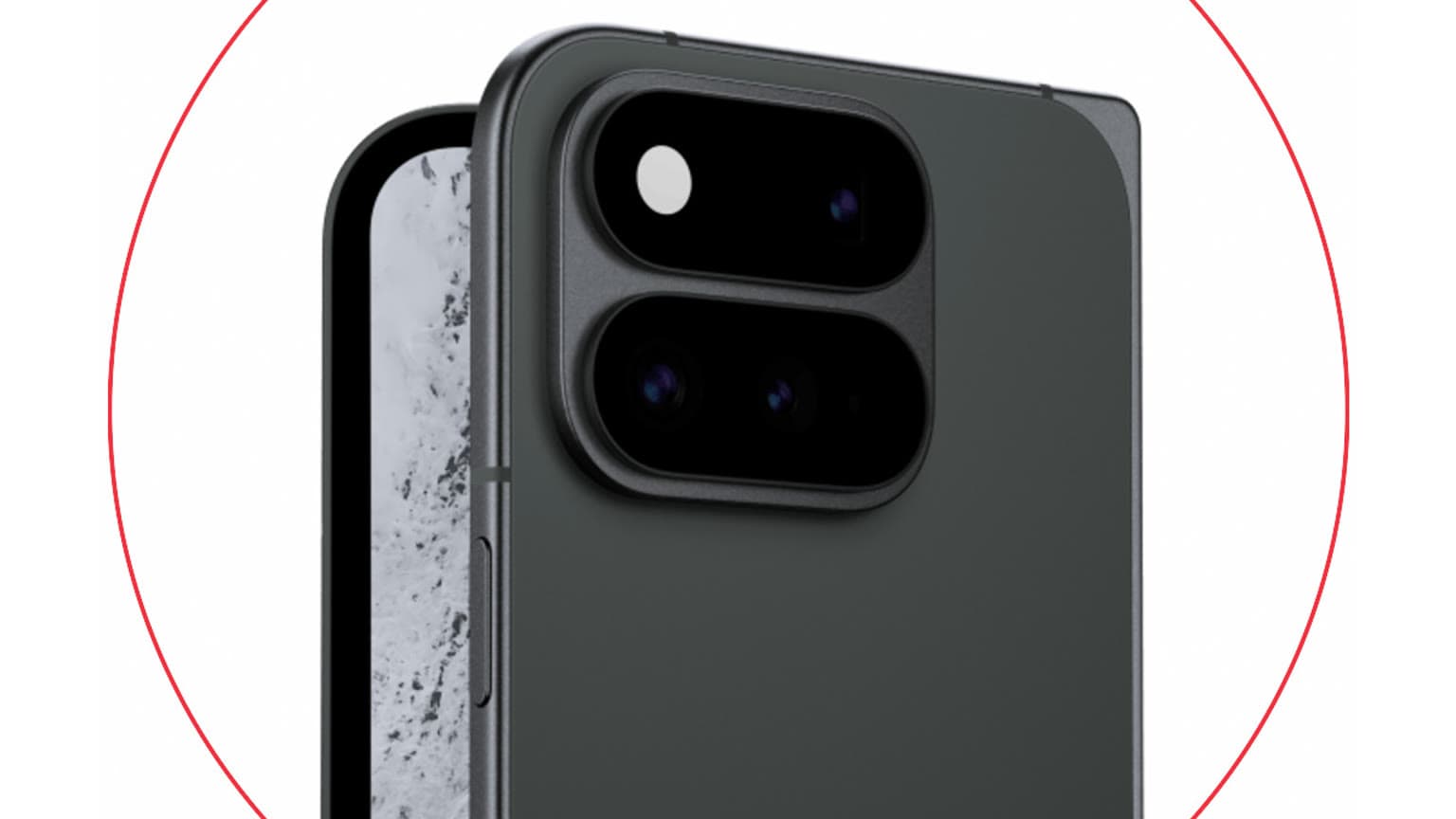
POCO F6 and F6 Pro in Nigeria: Specs, Price, and 2026 Buying Review
The POCO F6 and POCO F6 Pro launched globally on May 23, 2024, but they still matter in Nigeria in 2026 for one clear reason: they put high-end Snapdragon performance, fast UFS 4.0 storage, AMOLED displays, and unusually fast wired charging into a price band that can sit below many current flagships.
That does not mean every listing is a good buy. In 2026, the right decision depends on condition, variant, warranty, software update runway, Nigerian 5G compatibility, and whether the newer POCO F7 family or another Android alternative is close in price. This guide keeps the original focus on the POCO F6 and F6 Pro, but updates the buying advice for Nigerian shoppers who want value without walking into an overpriced old-stock deal.
Who this is for
Buy the POCO F6 if you want the best gaming and everyday speed per naira and you are comfortable with a lighter plastic build. It is the simpler value pick for PUBG, Call of Duty Mobile, Genshin Impact, multitasking, video streaming, and heavy social media use.
Buy the POCO F6 Pro if you want the more premium version: sharper WQHD+ display, stronger glass-and-metal feel, larger storage options up to 1TB, and faster 120W charging. It makes more sense for buyers who plan to keep the phone longer and want a display-first device for movies, editing, gaming, and productivity.
Do not buy either model blindly if camera quality, long official software support, water resistance, wireless charging, or easy local repair parts matter more to you than raw performance. In that case, compare them with newer Android options on the Ogabassey smartphones catalog, or use the iPhone 15 as the practical Apple alternative if you prefer iOS, longer resale strength, and a stronger camera experience.
Key specs and buying context
| Feature | POCO F6 | POCO F6 Pro | What it means in Nigeria |
|---|
| Chipset | Snapdragon 8s Gen 3 | Snapdragon 8 Gen 2 | Both are fast enough for serious gaming and heavy multitasking in 2026. |
| Display | 6.67-inch 1.5K 120Hz Flow AMOLED | 6.67-inch WQHD+ 120Hz Flow AMOLED | The Pro is sharper and more premium; the regular F6 is still very good. |
| RAM/storage | Up to 12GB RAM and 512GB storage | 12GB/256GB, 12GB/512GB, or 16GB/1TB | Choose 512GB or 1TB if you record video, install large games, or keep media offline. |
| Main camera | 50MP Sony IMX882 with OIS | 50MP Light Fusion 800 with OIS | Main cameras are useful, but neither phone is a true camera flagship. |
| Battery and charging | 5,000mAh, 90W wired charging | 5,000mAh, 120W wired charging | Excellent for NEPA-light days and quick top-ups, but battery endurance depends heavily on gaming, 5G, brightness, and refresh rate. |
| Network | Dual SIM 5G, including n78 support | Dual SIM 5G, including n78 support | Good match for Nigerian 5G spectrum on paper, but actual 5G depends on carrier coverage, SIM provisioning, and exact imported variant. |
| Software | Android 14-based HyperOS at launch | Android 14-based HyperOS at launch | Expect fewer remaining update years in 2026 than a newly launched phone. |
POCO F6 vs POCO F6 Pro: which one should you buy?
The POCO F6 is the better value if the price gap is large. Its Snapdragon 8s Gen 3 is not the same as the full Snapdragon 8 Gen 3, but it is still a high-performance 4nm chip with the speed most Nigerian buyers are looking for: fast app launches, stable gaming, smooth 120Hz scrolling, and enough power for years of normal Android use.
The POCO F6 Pro is the better phone if you care about the full package. The Snapdragon 8 Gen 2 is a proven flagship chip, the WQHD+ AMOLED screen is the bigger upgrade, and the 120W charger can refill the phone very quickly when supported by the correct adapter and cable. The Pro also has storage configurations that make more sense for buyers who keep large files locally.
The important 2026 buying rule is simple: pay extra for the F6 Pro only if you are getting a clean unit, a strong warranty or return window, and a variant with enough storage. If the Pro costs too close to newer 2026 models, the regular F6 may be the smarter POCO deal.
POCO F6 and F6 Pro price in Nigeria in 2026
Nigerian pricing for POCO phones is not stable because many units arrive through import channels, parallel retail, and limited local stock. As of May 31, 2026, treat any single fixed price as a quote to verify, not a permanent market price.
For practical buying, the POCO F6 is most attractive when it sits clearly below current premium mid-range and flagship models. The F6 Pro should only command a higher price when it is a clean 12GB/512GB, 16GB/512GB, or 16GB/1TB unit with proof of originality, accessories, and a return or warranty path. If a seller prices the F6 Pro near newer Snapdragon 8-series phones, newer Samsung models, or a clean iPhone 15, compare total value instead of assuming POCO is automatically cheaper.
Before paying, confirm the exact RAM/storage variant, whether the charger is original, whether the box IMEI matches the phone, whether the screen has been replaced, and whether the seller offers at least a short return window. For wider shopping context, the Redmi Turbo 5 and 5 Max gaming-power guide is useful if you want a newer performance-first Xiaomi-family option, while the Redmi Note 15 Series Nigeria guide is better for buyers who value durability features over raw speed.
5G and network fit in Nigeria
Both POCO F6 models list broad Sub-6GHz 5G support, including n78. That is important because Nigerian 5G assignments include 3.4GHz to 3.8GHz spectrum for Airtel, MTN, and MAFAB. On paper, this makes the global POCO F6 and F6 Pro sensible for 5G in Lagos, Abuja, Port Harcourt, and other covered areas.
Still, do not treat 5G as guaranteed just because the box says 5G. Your SIM must be 5G-ready, your plan and location must support it, the phone must be the correct global model, and carrier provisioning can affect whether the device attaches cleanly to local 5G. If you live outside strong 5G coverage, a cheaper 4G-focused phone may still feel better value than paying extra for a feature you rarely use.
Camera and video quality
The POCO F6 and F6 Pro are performance phones first. Their 50MP OIS main cameras are good enough for daylight photos, social media, product shots, and casual 4K video, but the supporting cameras are not flagship-class. The regular F6 uses an 8MP ultrawide and skips a weak macro camera, while the F6 Pro adds an 8MP ultrawide and a 2MP macro that should not be a major buying reason.
If your main use is TikTok, Instagram, family photos, and short videos, either phone can work. If you want reliable portraits, stronger zoom, more natural skin tones, and better low-light video, compare against camera-led phones instead of buying POCO only for the spec sheet.
Trade-offs to know before buying
- No wireless charging: Wired charging is extremely fast, but you lose the convenience of Qi charging pads.
- Water resistance is limited: These are not IP68 flagship phones. Avoid water exposure, poolside use, and charging when wet.
- HyperOS needs cleanup: Some pre-installed apps and Xiaomi interface choices may need uninstalling or adjustment after setup.
- No microSD slot: Choose the storage variant carefully. For 2026, 256GB is the minimum I would consider; 512GB is safer for gamers and creators.
- Repairability varies: Screens, batteries, and back panels may be easier to find for popular Xiaomi/POCO models than rare variants, but local parts quality can vary by repair shop.
- Update runway is shorter now: These phones launched with Android 14, so they have less remaining official support than a phone launched in 2026.
Warranty, originality, and used-phone checks
If buying new, ask for a receipt, clear warranty terms, and a return policy. If buying used or open-box, inspect the display for burn-in, ghost touch, green tint, pressure marks, and uneven brightness. Test both SIM slots, 5G/4G data, Wi-Fi, Bluetooth, speakers, microphones, cameras, fingerprint unlock, charging speed, and the USB-C port before leaving the seller.
Fast charging is one of the biggest reasons to buy these phones, so confirm the original charger and cable. A random high-watt charger may not trigger the advertised charging speed, and very cheap third-party bricks can be a safety risk. Also check the IMEI in settings and on the box, confirm the phone is not carrier-locked, and avoid units with unknown ROMs unless you understand Xiaomi flashing and region differences.
Alternatives to consider
Consider the iPhone 15 if you want iOS, stronger video, better long-term resale, and a more predictable software experience. It will usually cost more for the same storage, but it is the cleaner choice for buyers who care less about charging speed and more about camera consistency.
Consider Samsung Galaxy S-series or FE models if you want stronger water resistance, wider accessory support, and longer official update commitments. The Samsung Galaxy S26 Ultra Nigeria guide is not in the same price class, but it helps show what you gain when you move from a value flagship killer to a true premium flagship.
Consider newer Redmi or POCO models if you want a fresher battery, longer update runway, and more current resale value. For cheaper Android options, compare with newer Infinix, TECNO, and Redmi releases, especially if your priorities are battery size, warranty availability, and local repair convenience rather than maximum GPU power.
Verdict
The POCO F6 and F6 Pro are still worth considering in Nigeria in 2026, but only at the right price and in the right condition. The F6 is the smarter performance-per-naira choice. The F6 Pro is the better all-round device if the sharper display, premium build, faster charging, and larger storage justify the extra cost.
For gamers and power users, both phones remain strong. For camera-first buyers, update-conscious buyers, or anyone who wants official local support with minimal risk, newer alternatives may be better. The best POCO F6 deal in 2026 is not the cheapest listing; it is the cleanest unit with the right variant, original accessories, verified network support, and a seller who will stand behind the sale.
FAQ
Does the POCO F6 series support 5G in Nigeria?
Global POCO F6 and F6 Pro specifications include n78 support, which aligns with Nigeria's main 3.5GHz 5G spectrum assignments. Actual 5G access still depends on your carrier, SIM, plan, city coverage, and the exact imported model.
Does the POCO F6 come with a charger?
Official global specs list an in-box charger for the POCO F6 and F6 Pro, but box contents can vary by country and seller. In Nigeria, verify the charger physically before paying.
Is the POCO F6 Pro better than the POCO F6?
Yes, the F6 Pro is the more premium phone, mainly because of its WQHD+ display, Snapdragon 8 Gen 2 chipset, 120W charging, and storage options up to 1TB. The regular F6 can still be the better value if it is much cheaper.
Should I buy a used POCO F6 in 2026?
Only if the battery health, screen, charging port, cameras, SIM slots, network bands, and IMEI are clean. A cheap used unit with a replaced screen or weak battery can become more expensive than a better-priced new-old-stock phone.
Is POCO F6 better than iPhone 15?
For charging speed, gaming value, and storage per naira, the POCO F6 can be more attractive. For camera consistency, video, iOS, resale value, and long-term software confidence, the iPhone 15 is the stronger premium choice.
Sources