Redmi Turbo 5 and Turbo 5 Max: what changed for 2026 buyers?
The Redmi Turbo 5 series is a China-first performance phone line aimed at gamers who care more about chipset speed, screen response, battery life, storage speed, and cooling than telephoto cameras or luxury materials. That makes it interesting for Nigerian buyers, but it also means you should check the exact region, ROM, warranty route, and network fit before paying for an imported unit.
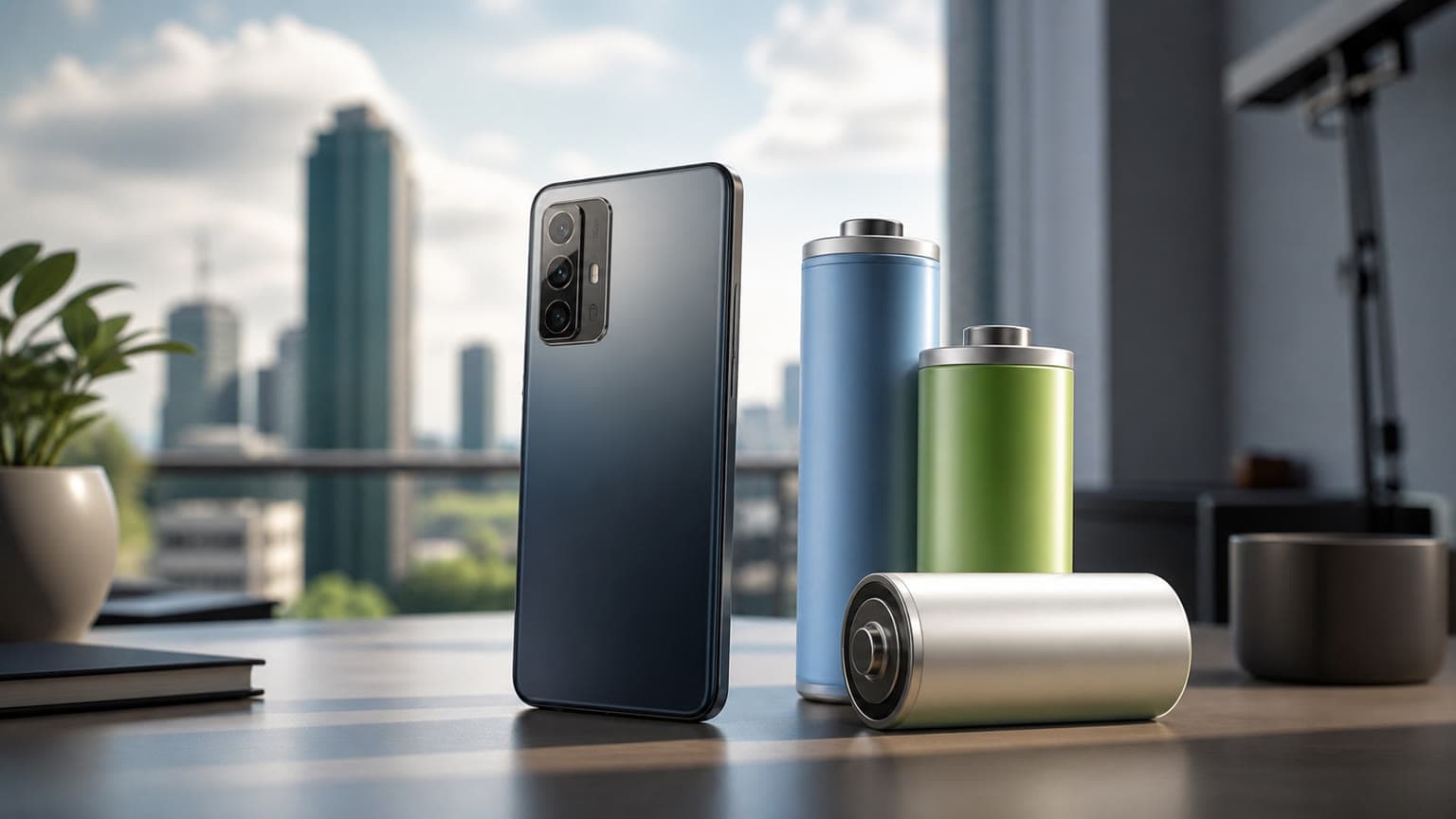
The biggest correction to older early-spec coverage is this: the Redmi Turbo 5 Max is not a 6,500mAh phone. Its headline battery is 9,000mAh, while the regular Redmi Turbo 5 has a 7,560mAh battery. The Max also uses the Dimensity 9500s, while the regular Turbo 5 uses the Dimensity 8500 Ultra. Both are serious gaming chips, but they target different budgets.
If you are shopping mainly for Android gaming, also compare this phone against Ogabassey’s broader gaming phones and devices guide and keep a budget for gaming accessories such as controllers, earbuds, chargers, and cooling grips.
Who this is for
The Redmi Turbo 5 Max is for buyers who want near-flagship Android performance and unusually long battery life at a lower landed price than many mainstream flagships. It is especially appealing if you play titles such as PUBG Mobile, Call of Duty Mobile, Genshin Impact, Honkai: Star Rail, Wuthering Waves, eFootball, or demanding emulators for long sessions.
The regular Redmi Turbo 5 is the better value pick if you want much of the same display, charging, software generation, storage class, and ruggedness, but you do not need the Max model’s Dimensity 9500s or 9,000mAh cell. For many users, the regular Turbo 5 already has more performance than mid-range Redmi Note models.
Do not buy either model only for camera quality. The camera setup is respectable for social media, daylight shots, documents, and casual video, but the Turbo line is built around performance-per-naira, not flagship photography.
Key specs and buying context
| Feature | Redmi Turbo 5 | Redmi Turbo 5 Max | Why it matters |
|---|
| Chipset | MediaTek Dimensity 8500 Ultra | MediaTek Dimensity 9500s | The Max has the stronger CPU/GPU platform for high-frame gaming and heavier multitasking. |
| Display | 6.59-inch AMOLED, 1.5K-class, 120Hz | 6.83-inch AMOLED, 1.5K-class, 120Hz | The Max is better for immersive play; the regular model is easier to hold. |
| Battery | 7,560mAh | 9,000mAh | Both are above typical 2026 mid-range phones; the Max is the battery-first choice. |
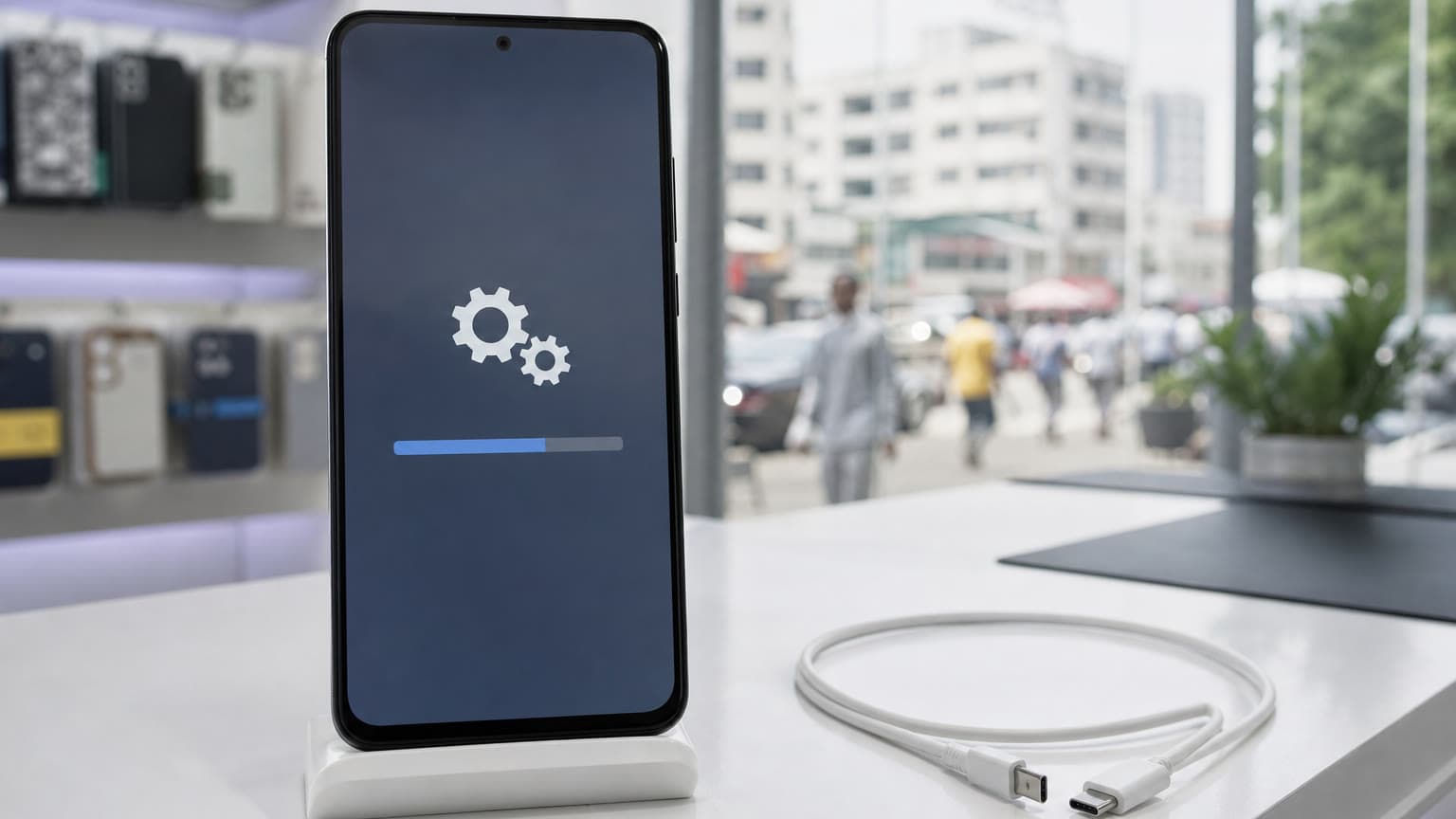
| Charging | 100W wired, 27W reverse wired | 100W wired, 27W reverse wired | Use a genuine high-wattage USB-C charger and cable to get the best result. |
| Storage/RAM | Up to 16GB RAM and 512GB storage | Up to 16GB RAM and 512GB storage | For gaming, 12GB/256GB is usable; 512GB is safer if you install large games and offline media. |
| Software | HyperOS 3 based on Android 16 | HyperOS 3 based on Android 16 | China ROM buyers should confirm Google services, language support, OTA updates, and notification behavior. |
| Durability | IP66/IP68/IP69/IP69K class ratings reported for the series | IP66/IP68/IP69/IP69K class ratings reported for the series | Good for splashes and dust, but not a reason to intentionally expose the phone to water. |
Dimensity 9500s performance: what gamers should expect
The Dimensity 9500s is the key reason the Turbo 5 Max deserves attention. MediaTek positions it as a premium/flagship-class chip with a 3nm process, an all-big-core CPU layout, Immortalis-G925 graphics, advanced gaming frame technologies, Wi-Fi and 5G improvements, and AI/image processing features. In practical terms, that means the Max should be strong for sustained gameplay, fast app switching, high-refresh UI, and heavier Android games.
The regular Turbo 5’s Dimensity 8500 Ultra is still very capable. It is the more sensible option if you play competitive games at stable settings rather than chasing the highest graphics preset. The Max is easier to justify if you want more performance headroom for future game updates, emulation, recording gameplay, or keeping the phone for several years.
For controller play, both phones should work with standard Bluetooth Android controllers and USB-C controllers that support Android. The buyer detail to check is fit: large phones with thick camera modules can struggle with telescopic controllers, so measure case thickness and clamp width before ordering a controller. A phone cooler may also interfere with some controller grips.
Battery and charging: the real headline
The Redmi Turbo 5 Max’s 9,000mAh battery is the strongest reason to choose it over many gaming-focused phones. It is not just useful for gaming; it matters for Lagos commutes, school days, long power cuts, hotspot sharing, travel, and users who stream video for hours. The regular Turbo 5’s 7,560mAh battery is also much larger than the usual 5,000mAh to 5,500mAh Android phone battery.
Battery size does not automatically guarantee perfect endurance in every game. Screen brightness, 5G signal strength, refresh rate, heat, background apps, and graphics settings all affect runtime. The best real-world setup is usually 60fps or 90fps where available, balanced graphics, auto brightness off for consistent play, and a good Wi-Fi connection when possible.
Both models support fast wired charging, but Nigerian buyers should confirm the charger in the box or bundle. Imported units may ship with a China plug, so you may need a safe adapter or a compatible USB-C PD/PPS charger. Avoid cheap high-wattage chargers because battery health and heat control matter more than shaving a few minutes off charge time.
Region, ROM, Google services, and Nigerian network checks
The most important buying question is not only “Turbo 5 or Turbo 5 Max?” It is “which edition am I buying?” The Redmi Turbo line is associated with China-market releases, and China ROM phones can differ from global Xiaomi, Redmi, or POCO releases in language support, preinstalled services, Google Play setup, app notification behavior, payment apps, and warranty handling.
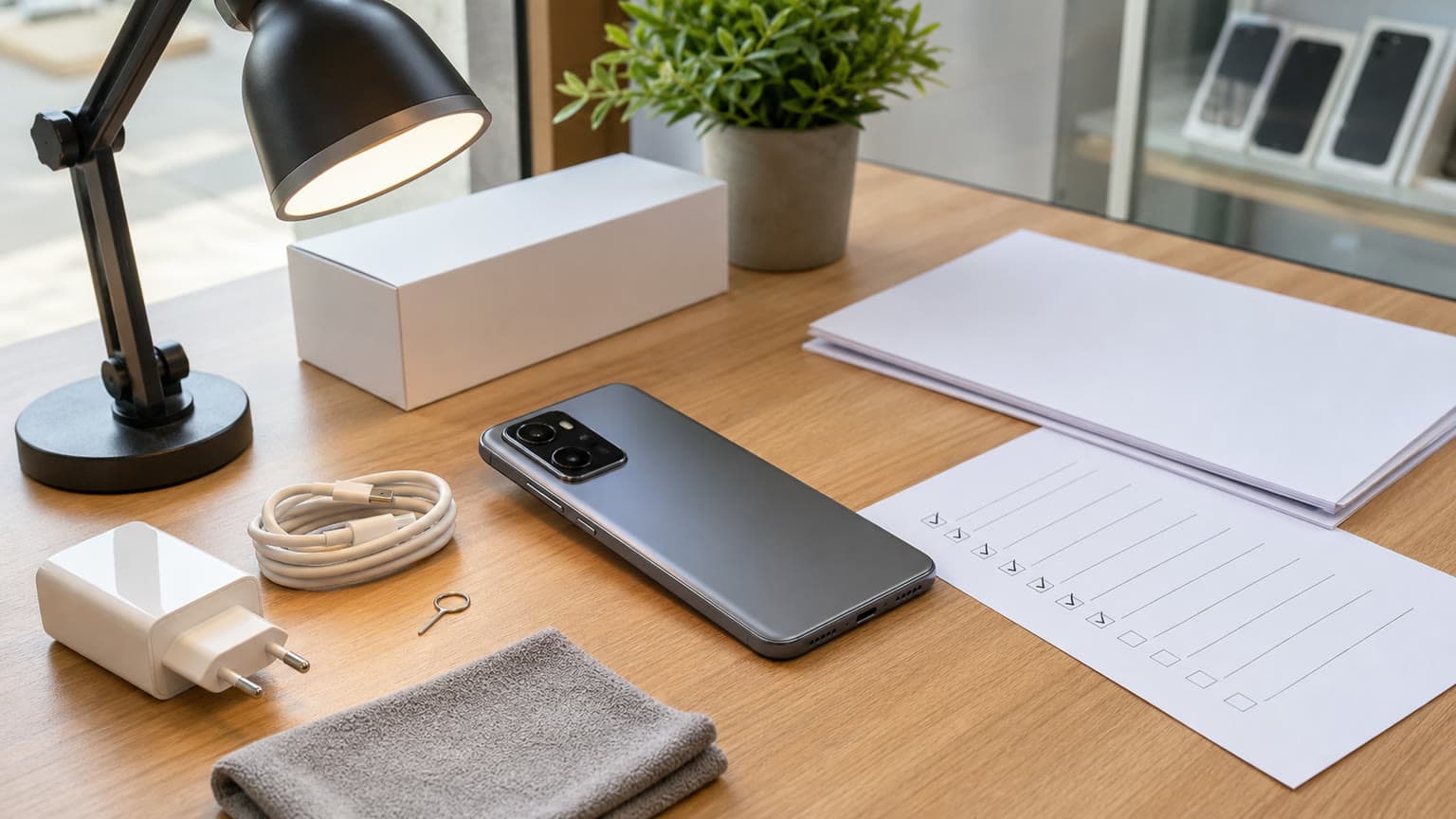
Before purchase, ask the seller to confirm the exact model number, ROM type, sealed-box status, included charger, supported network bands, Google Play status, and whether the bootloader has been modified. A modified ROM may look convenient at first but can create OTA update issues, banking-app warnings, Widevine/streaming problems, or resale concerns.
For Nigeria, 4G LTE support is usually more important than 5G marketing. Check the band list against your carrier and your location. 5G availability remains area-dependent, so do not pay extra purely because a spec sheet says 5G. If you rely on MTN, Airtel, Glo, or 9mobile in weak-signal areas, network compatibility and modem behavior matter as much as raw chipset speed.
Price and value in Nigeria
At launch in China, the regular Redmi Turbo 5 started around CNY 2,299, while the Turbo 5 Max launched from around CNY 2,499 depending on configuration and retailer pricing. Xiaomi’s China store later showed changing “from” prices, so Nigerian landed pricing can move quickly with exchange rate, import cost, seller margin, storage variant, and whether the unit is new, opened-box, or flashed.
As a Nigeria buying rule, treat any very low price with caution. Confirm RAM/storage, ROM, warranty support, return window, and box contents before comparing prices. A cheap 12GB/256GB China ROM unit may be good value for an enthusiast, while a more expensive global-equivalent POCO model may be safer for buyers who want Google services, local service support, and fewer setup surprises.
If your budget stretches toward higher camera quality, compare the Turbo 5 Max with alternatives rather than buying only for the 9,000mAh headline. Ogabassey’s Redmi Note 15 Series Nigeria guide is more relevant for shoppers who want a balanced Redmi phone, while the OnePlus 15R gaming performance guide is worth reading if you want a performance-focused alternative outside Xiaomi’s ecosystem.
Trade-offs to know before buying
- China ROM risk: You may need extra setup for Google Play, notifications, default apps, and language preferences.
- Warranty uncertainty: Imported China units may not qualify for Xiaomi Nigeria warranty unless sold through an official or recognized channel.
- Camera limits: The 50MP main camera with OIS is useful, but this is not a camera-first flagship.
- Large size: The Max model’s 6.83-inch display and 9,000mAh battery make it better for gaming than one-hand comfort.
- No microSD expectation: Buy enough internal storage upfront. Modern large games can consume tens of gigabytes each.
- Accessory fit: Cases, screen protectors, controller clamps, and coolers may be harder to source locally than for global Redmi Note or POCO models.
Warranty, returns, and trust checks
Xiaomi Nigeria’s warranty terms emphasize proof of purchase, warranty period, authorized service handling, and exclusions for products not properly imported or acquired through official channels. That matters for the Turbo 5 series because an imported China-market phone may be sold by a third-party retailer rather than through official Nigerian distribution.
Before paying, ask for a written return window, IMEI verification, sealed-box confirmation, and a clear answer on who handles warranty claims. If the seller cannot explain the ROM, charger, Google Play status, and warranty route, the lower price may not be worth the risk.
Ogabassey should avoid describing either model as officially available in Nigeria until local stock, price, warranty, and variant details are confirmed. “Available via import” and “official Nigerian warranty” are not the same thing.
Alternatives worth comparing
Redmi Turbo 5: Choose it over the Max if you want the same general performance-phone idea at a lower price, with a smaller body and still-excellent 7,560mAh battery.
Redmi Note 15 Pro+: Consider this if camera, IP rating, official availability, and a more mainstream Redmi experience matter more than maximum gaming power. Ogabassey’s Redmi Note 15 Pro+ 200MP camera guide is the better comparison for camera-led buyers.
OnePlus 15R: A strong alternative for buyers who want gaming performance with a different software feel and potentially broader global-market support.
POCO global variants: If a POCO model based on similar hardware is available locally, it may be the safer option for Google services, language support, warranty, and resale, even if the battery or GPU configuration differs from the China Redmi version.
Verdict: should you buy the Redmi Turbo 5 Max in Nigeria?
The Redmi Turbo 5 Max is worth considering if you are a performance-first Android buyer who understands China ROM trade-offs and wants the strongest battery life in this class. Its Dimensity 9500s chip, 9,000mAh battery, 120Hz AMOLED display, fast charging, and high storage options make it one of the most interesting gaming phones of 2026.
The regular Redmi Turbo 5 is the smarter buy for many people because it keeps the big-battery gaming identity while reducing cost and size. The Max is the enthusiast pick; the regular Turbo 5 is the value pick.
For Nigerian buyers, the safest recommendation is to buy only when the seller can confirm the exact variant, network bands, ROM, Google Play setup, return policy, charger, and warranty route. If those details are unclear, choose a locally supported Redmi, POCO, or OnePlus alternative instead.
FAQ
Is the Redmi Turbo 5 Max officially available in Nigeria?
As of this 2026 review, the Turbo 5 Max should be treated primarily as a China-market or import-channel phone unless a retailer can prove official Nigerian distribution and warranty support.
Does the Redmi Turbo 5 Max have a 6,500mAh battery?
No. Current launch coverage and Xiaomi listing context point to a 9,000mAh battery for the Redmi Turbo 5 Max. The regular Redmi Turbo 5 has a 7,560mAh battery.
Which model is better for gaming?
The Turbo 5 Max is better for heavy gaming because of the Dimensity 9500s and bigger battery. The regular Turbo 5 is still strong and may be better value if your games do not need the highest settings.
Should I buy 256GB or 512GB?
Choose 512GB if you install several large games, record gameplay, keep offline Netflix/YouTube downloads, or plan to use the phone for years. Choose 256GB only if you manage storage carefully.
Do I need a subscription to use it for gaming?
No phone subscription is required. You may still pay for game passes, in-game purchases, cloud gaming services, or mobile data depending on how you play.
Sources