Bassey John is a Performance Marketing Specialist at Ogabassey with cross-industry experience spanning e-commerce, gaming, and real estate. He focuses on paid acquisition, conversion-rate optimisation, and data-driven growth strategy, turning campaign performance into measurable revenue. At Ogabassey he writes about consumer technology, product buying guides, and the Nigerian gadget market to help shoppers make confident, informed decisions.
If you are choosing between the Itel VistaTab 11 and Itel VistaTab Go in Nigeria, the VistaTab 11 is the safer pick for reading, video classes and storage-heavy use, while the VistaTab Go is the better-value carry-around tablet if battery size and a lower Ogabassey price matter more.
Decision Summary
This is a practical budget-tablet decision, not a performance fight. Both tablets listed on Ogabassey use the Unisoc Tiger T615 chipset, 4GB RAM, 4G LTE plus Wi-Fi connectivity, USB Type-C, 8MP rear camera and 5MP front camera. The real differences are screen size, storage, battery capacity, software version, weight and price.
The Itel VistaTab 11 128GB + 4GB 4G costs more because it gives you a larger 10.1-inch display and double the listed storage. That makes it more comfortable for students reading PDFs, families watching lessons or YouTube, and buyers who do not want to manage storage every week.
The Itel VistaTab Go 64GB + 4GB 4G is cheaper, smaller and lighter. It also carries the larger listed battery, at 7000mAh versus 6000mAh on the VistaTab 11. For buyers asking about Itel tablet price in Nigeria, that combination makes the Go the stronger low-cost option if the smaller 8.68-inch screen is acceptable.
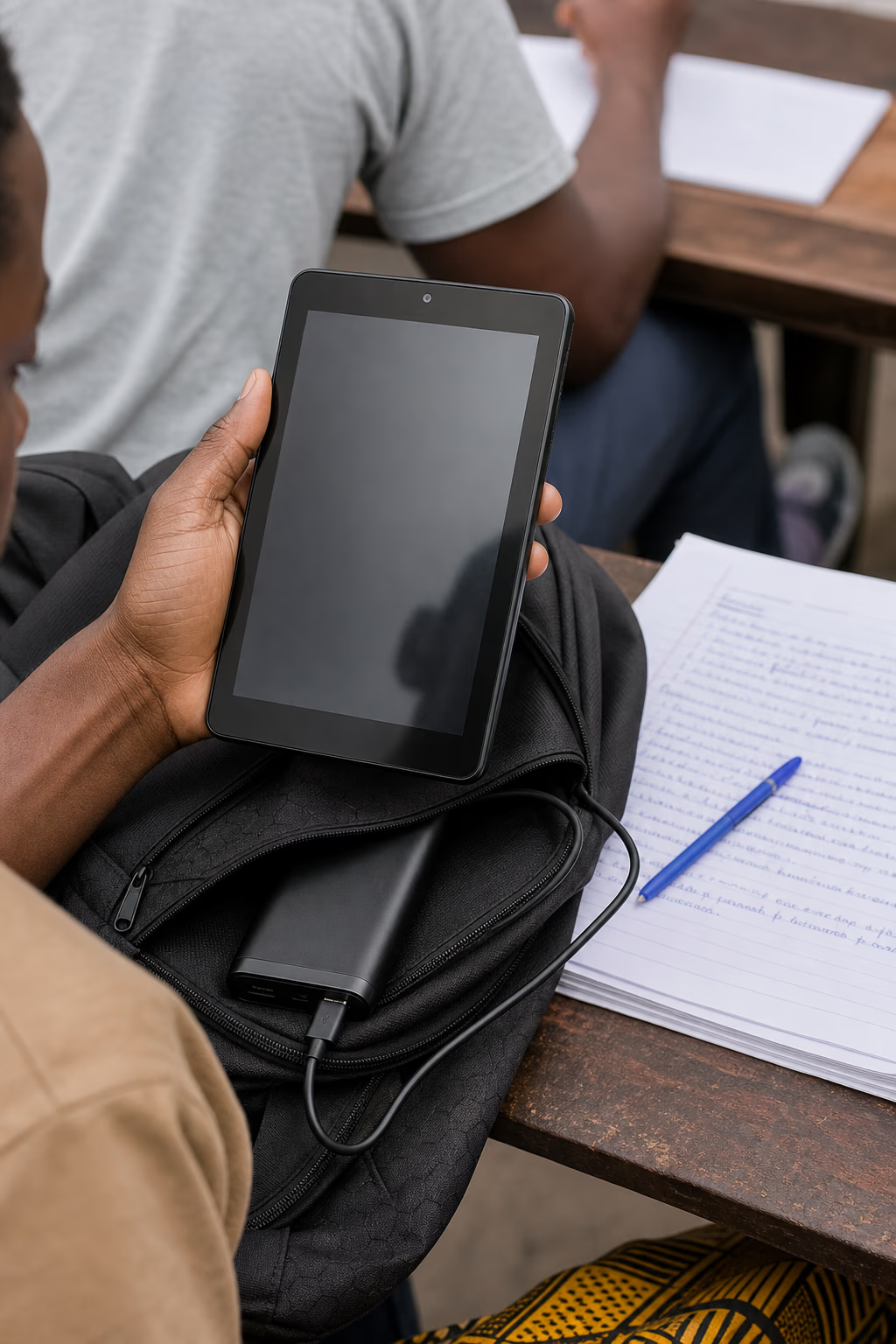
The smaller VistaTab Go is the easier carry-around option for students and commuters.
Price and Value in Nigeria
As of the Ogabassey catalog signal dated 18 June 2026, the VistaTab 11 is listed at ₦154,046.51 and the VistaTab Go is listed at ₦128,930. Both are marked in stock in the catalog, with unmanaged inventory. That means the catalog availability is not capped by the numeric stock count shown in the product feed, so buyers should still confirm selected colour, package contents, regional model and live availability before checkout.
The ₦25,116.51 gap buys a bigger panel and 128GB storage on the VistaTab 11. If the tablet will be shared at home, used for downloaded videos, WhatsApp media, school PDFs and offline files, that extra storage is meaningful. A 64GB tablet can work, especially with a memory card, but Android apps, media and class files can fill it quickly.
The VistaTab Go answers a different question: how low can you go while still getting 4G, Android tablet basics and a large battery? At its current Ogabassey listing price, it keeps the same 4GB RAM and chipset as the VistaTab 11, so you are not paying less because of a weaker listed processor. You are mainly accepting a smaller screen and half the internal storage.
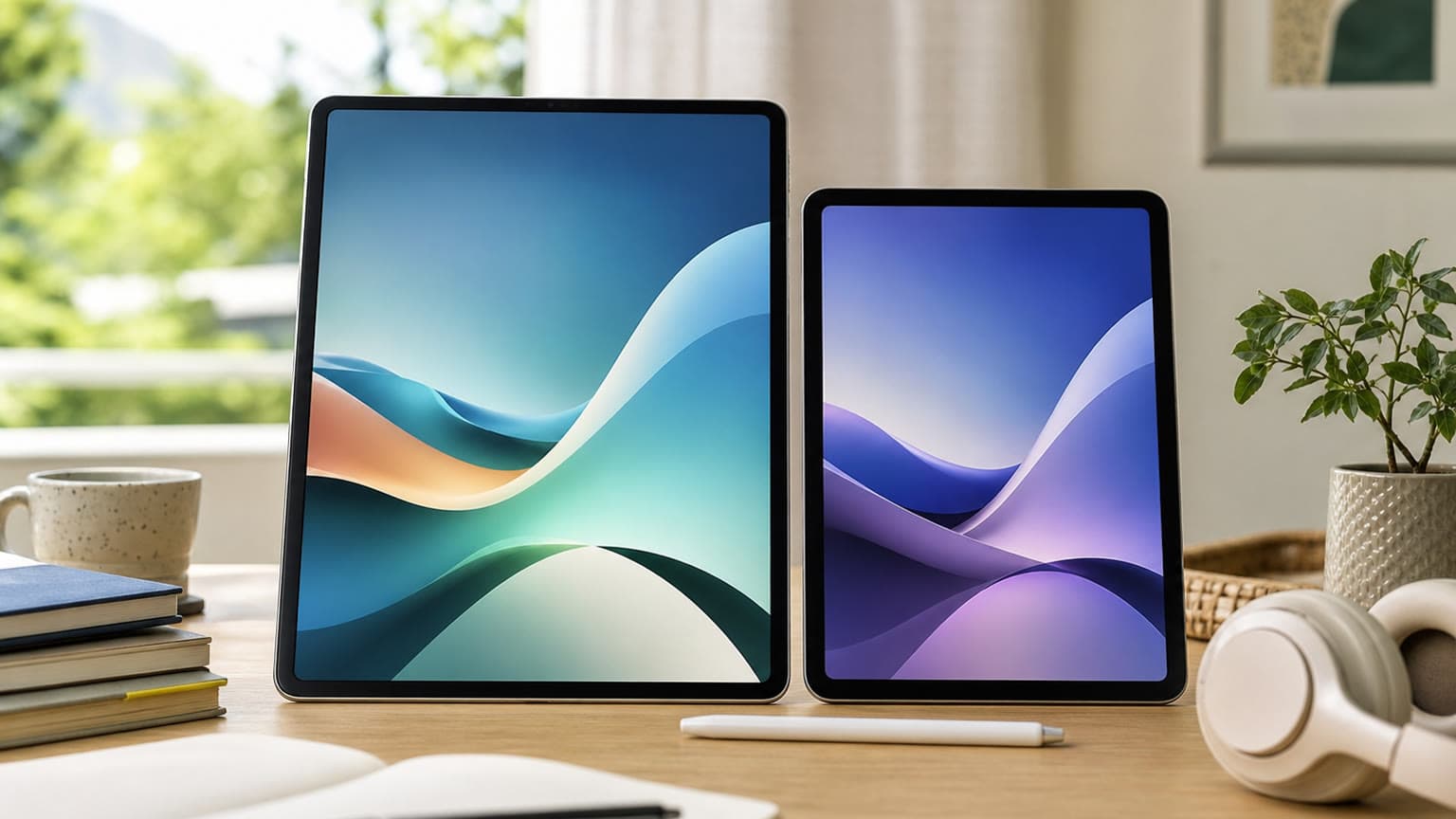
VistaTab 11 is better for reading and video lessons.
Display resolution
1280 x 800
1340 x 800
Both are entry-level IPS tablet displays.
Refresh rate
60Hz
60Hz
No listed high-refresh gaming advantage.
RAM
4GB
4GB
Similar basic multitasking headroom.
Storage
128GB
64GB
VistaTab 11 is stronger for downloads and shared use.
Chipset
Unisoc Tiger T615
Unisoc Tiger T615
Listed processor class is the same.
Battery
6000mAh
7000mAh
Go has the larger listed battery.
Weight
425g
360g
Go is easier to carry and hold one-handed.
Rear camera
8MP
8MP
Camera is not a major divider.
Front camera
5MP
5MP
Similar listed video-call camera spec.
Network
4G LTE + Wi-Fi; SIM setup depends on regional pack
4G LTE + Wi-Fi; SIM/microSD pack dependent
Confirm SIM and memory-card tray details before payment.
USB
USB Type-C
USB Type-C
Modern charging port on both listings.
Android version
Android 14
Android 15
Go has the newer listed Android version.
Best fit
Study, reading, family media, bigger-screen use
Portable study, data tablet, lower-price buyer
Pick by screen and storage needs first.
Performance and Daily Use
Because both tablets list the same Unisoc Tiger T615 chipset and 4GB RAM, the buying decision should not be framed as one being clearly faster from the available catalog evidence. Ogabassey has not provided hands-on benchmark data for this comparison, so the responsible reading is that both sit in the same basic Android tablet performance class.
Expect them to be most suitable for everyday tablet jobs: browsing, YouTube, school portals, PDF reading, light note-taking, video calls, children’s learning apps and casual entertainment. Buyers who want heavy gaming, video editing, large creative apps or laptop-grade multitasking should look higher up the tablet range instead of treating either of these as a laptop replacement.
The 128GB storage on the VistaTab 11 is the stronger everyday advantage. In real buyer terms, storage affects how often you need to delete downloads, WhatsApp files, class videos, children’s apps and offline content. Even where microSD support is listed, internal storage still matters because many apps prefer internal memory and some files become inconvenient to manage across storage locations.
The VistaTab Go has a useful software-spec advantage: it is listed with Android 15, while the VistaTab 11 is listed with Android 14. That does not automatically prove longer update support, because the supplied catalog data does not include an official update policy. But for buyers choosing today, the newer listed Android version is still a positive point for the Go.
Battery, Display and Build Trade-Offs
The battery row is where the cheaper tablet gets interesting. The VistaTab Go lists a 7000mAh battery, while the VistaTab 11 lists 6000mAh. Battery life depends on brightness, network strength, apps and charging habits, so this draft does not claim measured runtime. Still, a larger listed battery in a smaller tablet is a sensible reason to choose the Go for transport, field work, school runs or long days away from a socket.
The display row pushes back in favour of the VistaTab 11. A 10.1-inch screen gives more space for textbooks, split learning content, large video lessons and family viewing. If the buyer’s main complaint about phones is that the screen is too cramped, the VistaTab 11 solves that more clearly than the 8.68-inch Go.
Weight matters more than many spec sheets suggest. The VistaTab Go is listed at 360g and the VistaTab 11 at 425g. That is not a huge gap, but it becomes noticeable when holding a tablet during commuting, in bed, in a classroom or while moving around a shop. The Go is the more portable choice; the VistaTab 11 is the more desk-friendly and couch-friendly choice.
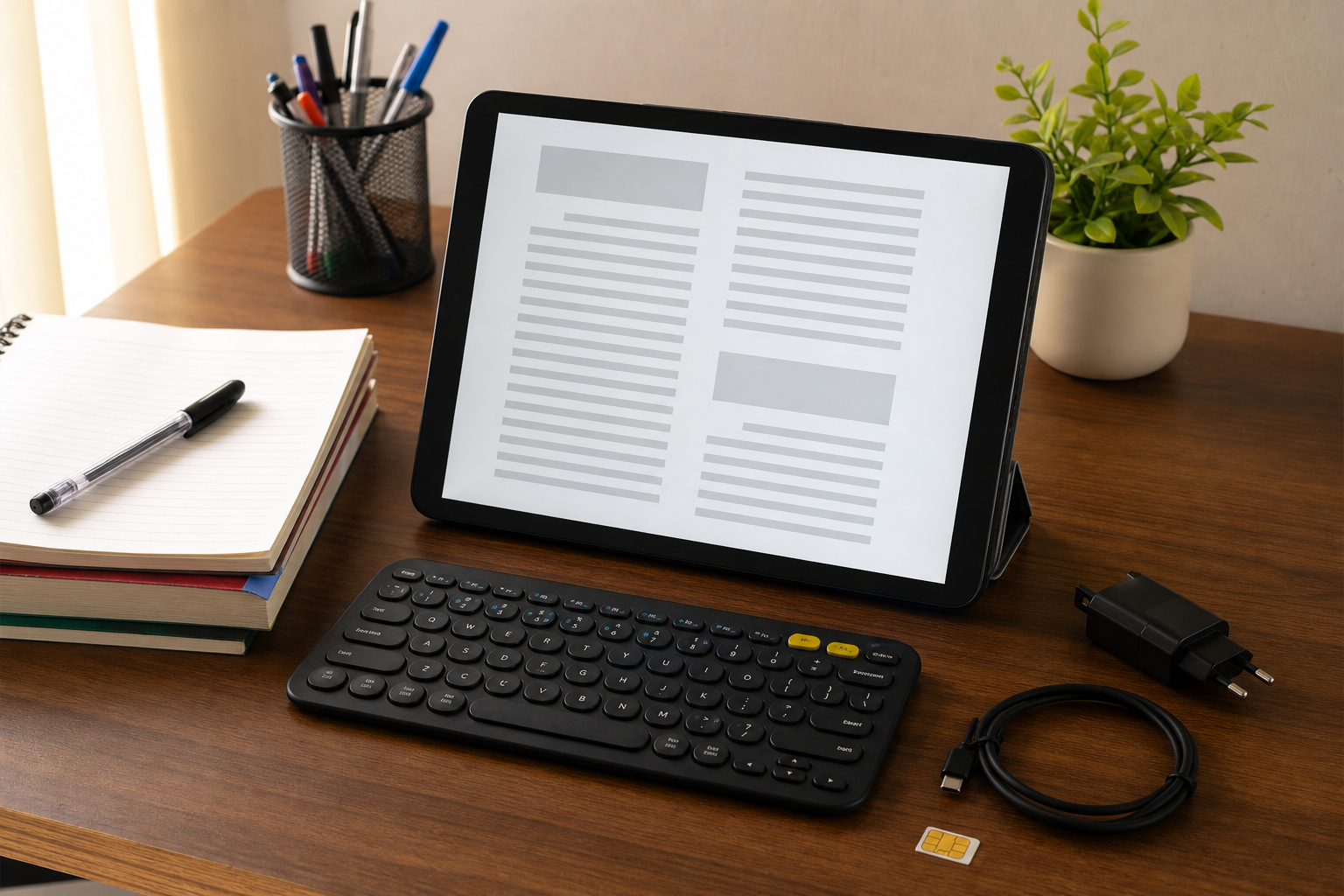
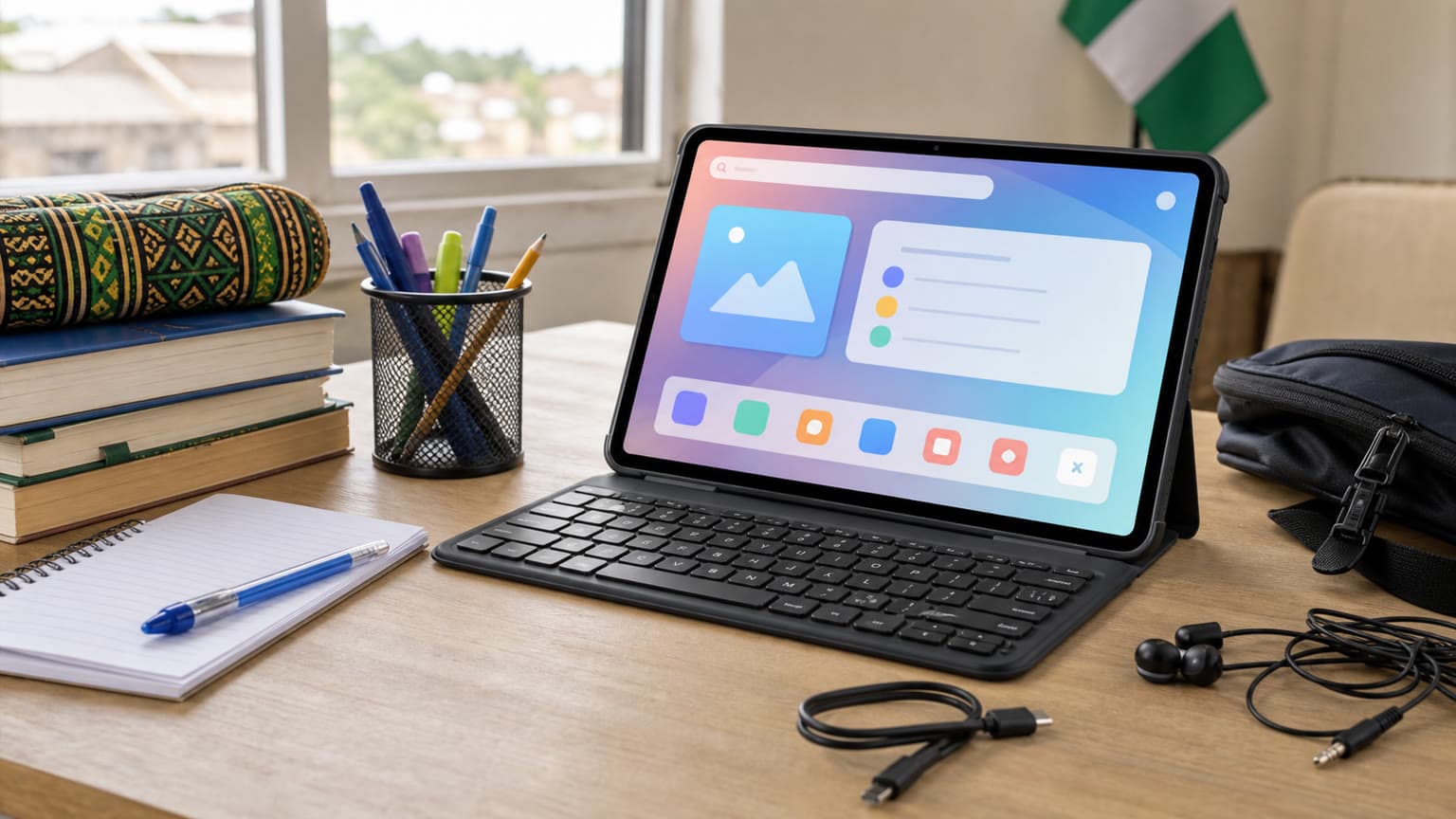
The larger VistaTab 11 is better suited to reading, video lessons and occasional keyboard use.
Keyboard, Stylus and Accessory Compatibility
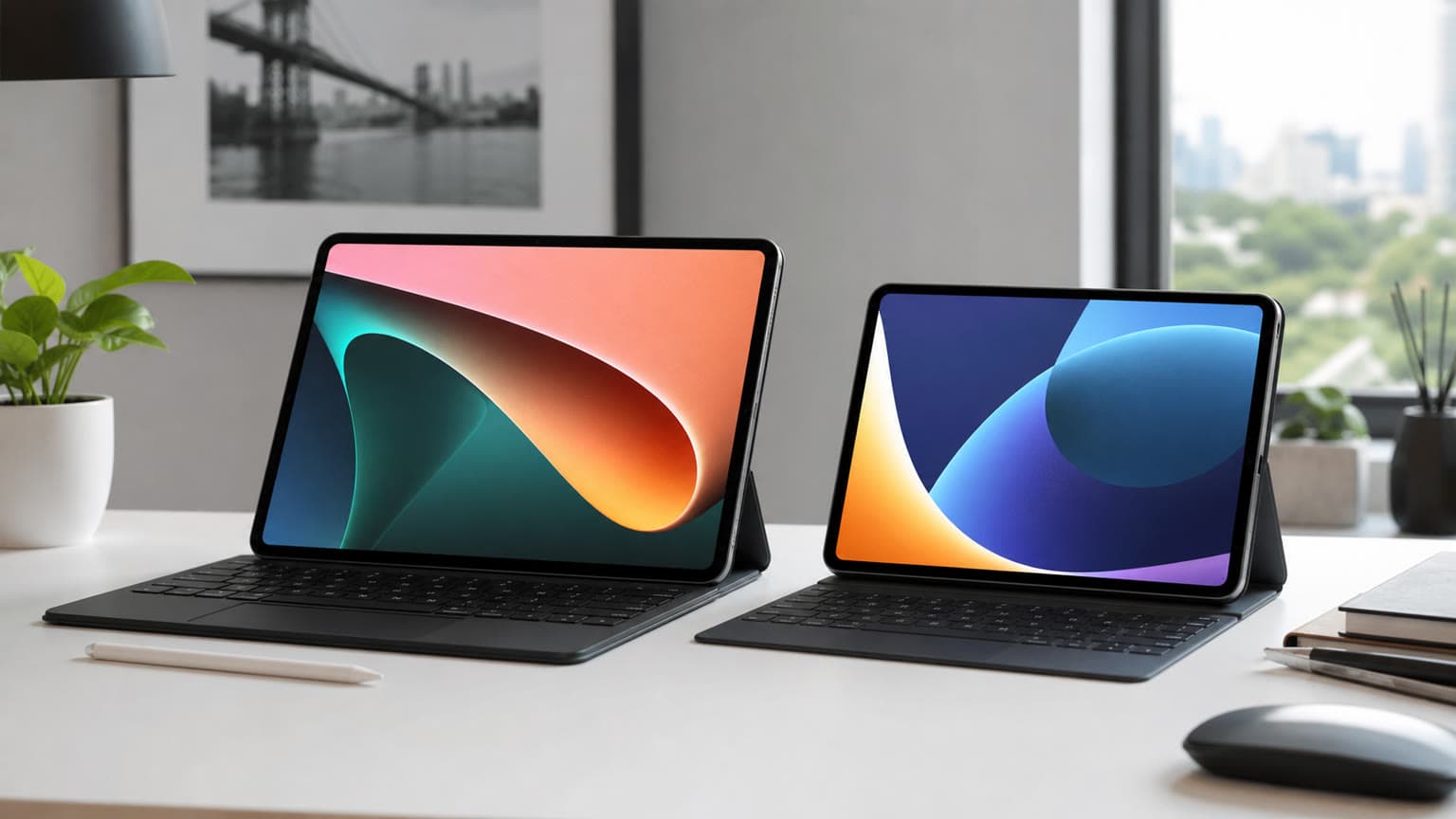
Neither supplied product snapshot confirms an official Itel keyboard cover, active stylus protocol or pressure-sensitive pen support for these specific Ogabassey configurations. That matters because many buyers ask whether a tablet is enough instead of a laptop. From the catalog evidence available here, these should be treated as Android tablets first, not full laptop replacements.
A basic Bluetooth keyboard may work as a general Android accessory, but that is different from confirmed first-party keyboard compatibility. The same caution applies to styluses: a simple capacitive stylus may work for tapping and rough writing, while active pen features require explicit support. Buyers who need handwriting for school diagrams, design work or professional note-taking should confirm accessory support before choosing either model.
For typing assignments, the VistaTab 11 has the more comfortable screen size. For reading notes on the move, the Go is easier to hold. Neither should be bought mainly as a creator tablet unless the buyer’s creative work is light and app compatibility has been checked.
Who Should Buy Each Option?
Buy the Itel VistaTab 11 if screen size and storage matter most
Choose the VistaTab 11 if the tablet will be used for reading school material, watching video lessons, sharing with family, storing downloads or keeping many apps installed. Its 10.1-inch display and 128GB storage are the two strongest reasons to pay more. It is also the better fit for buyers who plan to use a Bluetooth keyboard occasionally because the larger screen gives documents and browser pages more room.
Buy the Itel VistaTab Go if price, battery and portability come first
Choose the VistaTab Go if the goal is a cheaper 4G tablet that is easier to carry. It gives up screen size and storage but counters with a lower Ogabassey price, lighter listed weight, larger listed battery and Android 15 in the catalog data. For a child’s learning tablet, personal data tablet, transport companion or backup screen, it is the more efficient spend.
Alternatives to Consider
If neither of these feels right, the next question is whether the buyer wants a bigger Itel study tablet or a stronger tablet from another brand. The linked VistaTab 30 Pro guide is useful if battery and screen size are the priorities, while the VistaTab 30s comparison helps if the buyer is still balancing a bigger study screen against a lower tablet price. Samsung and Tecno alternatives may also make sense for buyers who care more about accessory ecosystem, display quality or long-term software support than the lowest upfront cost.
Within this exact pair, however, the choice is clear enough. Do not pay extra for the VistaTab 11 expecting a different listed processor or camera setup. Pay extra for the larger screen and 128GB storage. Do not choose the Go expecting the same roomy viewing experience. Choose it because it is cheaper, lighter and has the bigger listed battery.
Verdict
The better all-round student and family pick is the Itel VistaTab 11 because the comparison rows for screen size and storage are both meaningfully stronger: 10.1 inches instead of 8.68 inches, and 128GB instead of 64GB. The better budget mobility pick is the Itel VistaTab Go because the price, battery and weight rows all work in its favour: ₦128,930, 7000mAh and 360g. If your tablet will mostly sit on a desk or be shared at home, buy the VistaTab 11. If it will live in a bag and the price gap matters, buy the VistaTab Go.
FAQ
What is the Itel VistaTab 11 price in Nigeria on Ogabassey?
As of the 18 June 2026 Ogabassey catalog signal, the Itel VistaTab 11 128GB + 4GB 4G is listed at ₦154,046.51. Confirm live availability, colour, package contents and regional model before checkout.
What is the Itel VistaTab Go price in Nigeria on Ogabassey?
As of the same catalog signal, the Itel VistaTab Go 64GB + 4GB 4G is listed at ₦128,930. It is the cheaper option in this comparison and also has the larger listed battery.
Is the VistaTab 11 or VistaTab Go better for school?
The VistaTab 11 is better for reading, video classes and stored school files because it has a larger 10.1-inch screen and 128GB storage. The VistaTab Go is better for carrying around and long days away from power.
Can either Itel tablet replace a laptop?
For browsing, video lessons, PDFs and light typing with a Bluetooth keyboard, either can help. For laptop-style multitasking, heavy documents, coding, design or advanced stylus work, the provided catalog data is not enough to recommend either as a full laptop replacement.