The Apple Magic Keyboard 13" M4 is still worth buying in 2026 if you own, or plan to buy, a compatible 13-inch iPad Pro and want the cleanest laptop-style iPad setup Apple sells. It is not a universal iPad keyboard, and that matters more than the name suggests: Apple’s current compatibility guidance lists the Magic Keyboard for iPad Pro for iPad Pro 11-inch and iPad Pro 13-inch models with M4 and M5 chips, while older 12.9-inch iPad Pro models use different keyboard families.
At Ogabassey, the listed price context for the Apple Magic Keyboard 13" M4 sits between ₦380,000 and ₦520,000 depending on variant and current listing. That is premium accessory money, so the decision is not simply whether it is a good keyboard. The better question is whether your exact iPad, typing workload, travel routine, and warranty expectations justify spending that much instead of using a separate keyboard, stand, or case from the wider Ogabassey accessories category.
This guide is for buyers in Nigeria who want to avoid ordering the wrong iPad keyboard, overpaying for a copy, or choosing a cheaper accessory that misses the features they actually need.
Who this is for
Buy the Apple Magic Keyboard 13" M4 if your iPad is a real work device, not just a screen for watching videos. It makes the most sense for students, executives, writers, creators, business owners, consultants, and remote workers who use a 13-inch iPad Pro for email, documents, spreadsheets, presentations, messaging, research, and travel work.
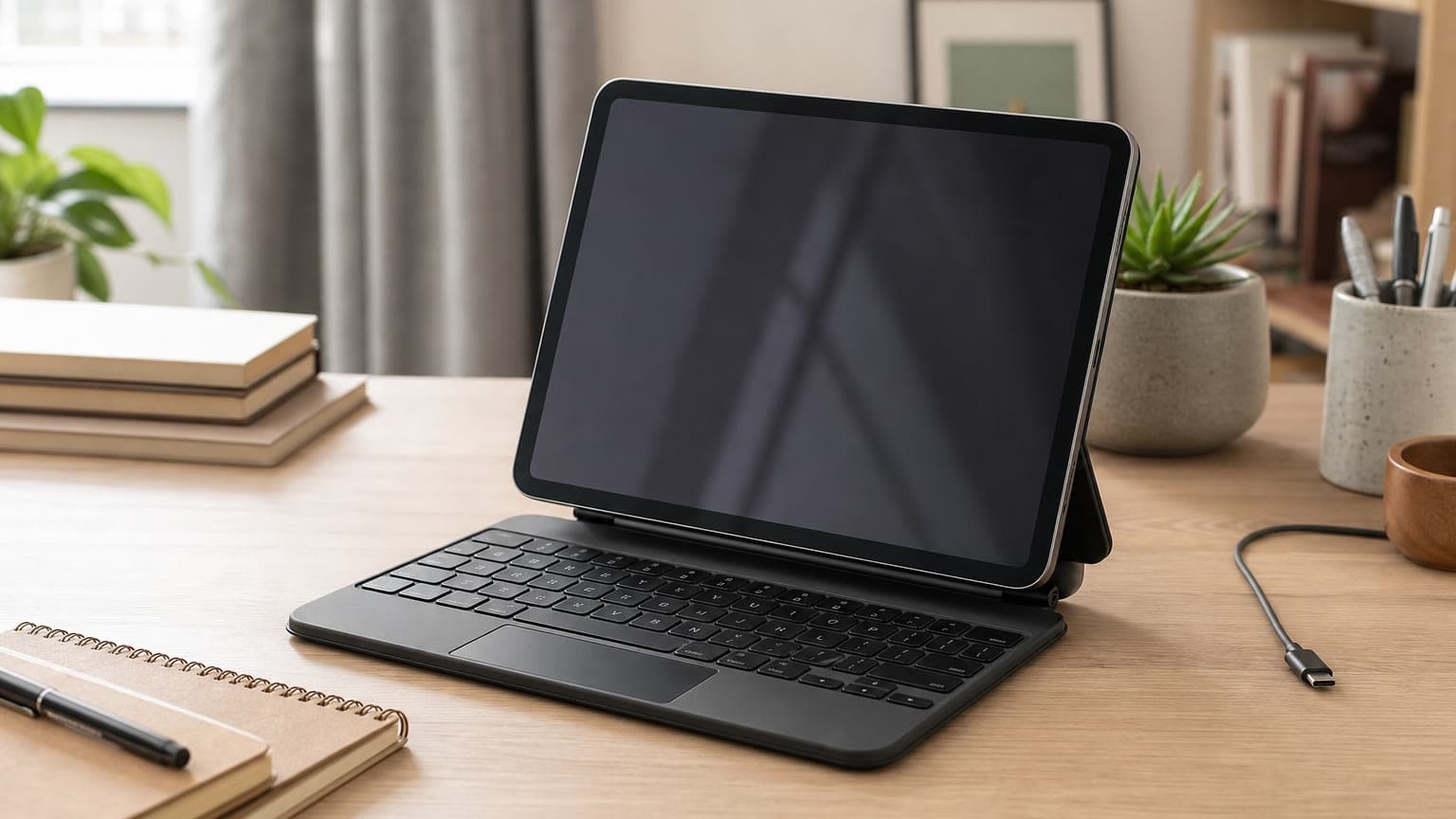
The value is strongest when you want one compact setup that gives you a keyboard, glass trackpad, adjustable viewing angle, magnetic attachment, backlit keys, and a protective cover feel without carrying a separate Bluetooth keyboard and tablet stand. Apple’s support guidance also confirms that once connected, the Magic Keyboard does not need separate pairing, switching on, or charging; it works through the iPad connection and draws power from the iPad.
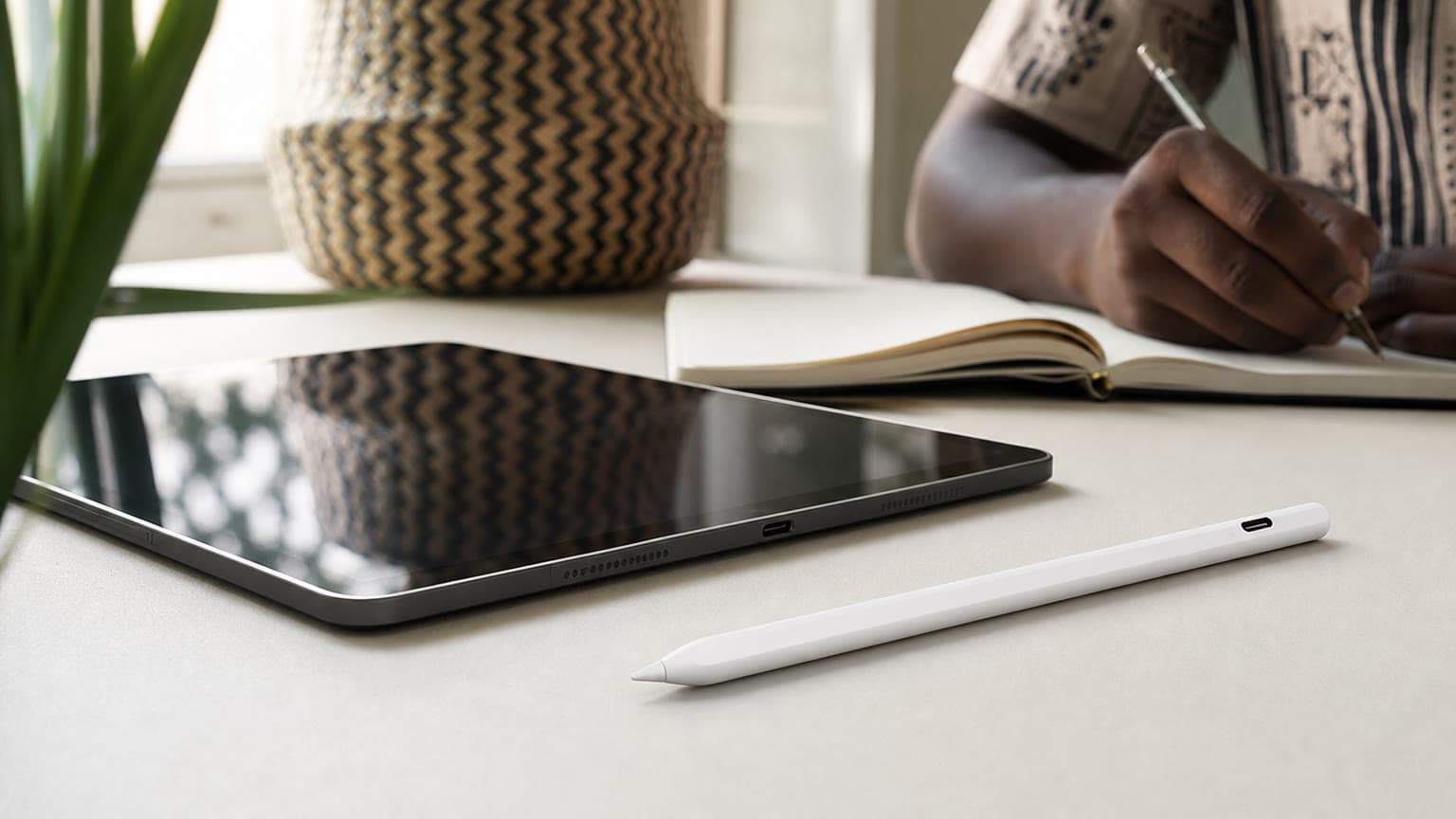
It is less compelling if you mostly read, stream, draw flat on a desk, or use the iPad casually at home. For heavy drawing, note-taking, and markup, an Apple Pencil Pro or Apple Pencil USB-C may affect your day-to-day iPad experience more than a premium keyboard. Apple Pencil 2 is worth mentioning only as a compatibility caution: do not assume an older Pencil or older keyboard accessory fits the M4 iPad Pro just because it worked with a previous iPad.
Key specs and buying context
| Decision point | What to check before buying |
|---|
| Exact compatibility | This article is about the 13-inch Magic Keyboard for iPad Pro M4. Apple’s current support matrix also lists the same Magic Keyboard for iPad Pro family with iPad Pro M5 models, but it is not for older 12.9-inch iPad Pro generations. |
| Size choice | Choose the 13-inch version only for the 13-inch iPad Pro. If you have the smaller model, compare it with the Apple Magic Keyboard 11" M4 instead. |
| Typing and controls | The M4-generation Pro keyboard adds a function row, aluminum palm rest, and larger glass trackpad with haptic feedback, making it feel closer to a compact laptop than older iPad keyboard covers. |
| Charging and ports | The USB-C port on the Magic Keyboard is for power passthrough. Apple says it does not transmit data, so do not buy it expecting to connect USB-C drives, mice, hubs, or audio devices through the keyboard port. |
| Software support | Keep iPadOS updated. Apple’s setup guidance requires iPadOS support for Magic Keyboard features, and newer haptic trackpad settings are exposed in iPad settings. |
| Warranty and authenticity | Because fit, magnets, Smart Connector alignment, hinge stiffness, and trackpad behavior are hard to judge from photos, buy from a seller that can support authenticity, delivery, returns, and after-sales questions. |
Compatibility check: avoid buying the wrong keyboard
The biggest mistake is buying by screen size alone. A 13-inch iPad Pro M4 is not the same accessory target as an older 12.9-inch iPad Pro. Apple changed the design, magnets, connector alignment, and accessory family for the M4 iPad Pro generation, and current review testing from RTINGS also identifies the Magic Keyboard for iPad Pro M4/M5 as exclusive to those iPad Pro generations.
Before checkout, confirm three things: the iPad model name, the display size, and the chip generation. On the iPad, check Settings, then General, then About. If you are buying for someone else, ask them to send a screenshot of the model name before you pay. This is especially important in Nigeria, where returns can become slower or more expensive once an item has moved between cities.
Also check the keyboard language layout and color before paying. The 13-inch version is commonly sold in black and white, and international listings can differ by keyboard layout. A genuine unit in the wrong language layout may still work, but it can be frustrating for daily typing if the key legends do not match your habits.
What feels better than cheaper keyboards
The main advantage is integration. The iPad attaches magnetically, the keyboard wakes with the iPad, the trackpad supports iPadOS gestures, and the case folds into a neat carry setup. Compared with a loose Bluetooth keyboard, there is less desk clutter and less to charge, pair, or forget at home.
The M4-generation keyboard is also a meaningful upgrade over older iPad Pro Magic Keyboard designs. Reviewers highlight the function row, improved materials, larger glass trackpad, haptic feedback, and premium build quality as the reasons it feels more laptop-like. Those upgrades matter if you type for long sessions, switch between apps often, or use the trackpad instead of reaching for the screen every few seconds.
Trade-offs
The first trade-off is price. Apple’s US retail price for the 13-inch model is $349, and Nigerian landed pricing can vary with exchange rate, supply, condition, color, and seller margin. At ₦380,000 to ₦520,000 in the current Ogabassey listing context, the keyboard can cost more than a complete set of third-party accessories.
The second trade-off is flexibility. It is excellent for typing at a desk, in meetings, in class, or while travelling, but it is not ideal for every posture. If you draw often, read in bed, use the iPad handheld, or want to position the screen far away from the keyboard, you may remove the iPad from the Magic Keyboard frequently.
The third trade-off is compatibility lock-in. A standalone Bluetooth keyboard can move between phones, tablets, laptops, and future devices. The Apple Magic Keyboard 13" M4 is valuable because it fits one narrow iPad Pro family very well. That is great when you have the right iPad and frustrating when you upgrade outside that family.
Alternatives
If you have the smaller iPad Pro, do not force the 13-inch option. Read the related Ogabassey guide, Is the Apple Magic Keyboard 11" M4 Still Worth Buying in Nigeria?, or compare directly with the Apple Magic Keyboard 11" M4.
If your priority is lower cost, browse Ogabassey accessories for stands, cases, chargers, and keyboard options that fit your use case. A separate Bluetooth keyboard can be enough if you mostly type at a fixed desk and do not need an integrated trackpad or floating iPad stand.
If your iPad use is more handwriting than typing, compare stylus options before spending on the keyboard. The Apple Pencil USB-C buying guide is useful if you want a lower-cost Apple stylus, while Apple Pencil Pro remains the more complete creative option for compatible iPad Pro workflows.
Verdict
The Apple Magic Keyboard 13" M4 is still worth buying in 2026 for the right buyer: someone with a compatible 13-inch iPad Pro M4 or M5 who types often, travels with the iPad, wants a premium integrated trackpad, and values a clean all-in-one setup more than the lowest possible price.
It is not worth stretching for if you mainly watch videos, draw, read, or type occasionally. It is also the wrong purchase if you have an older 12.9-inch iPad Pro, an iPad Air, or the 11-inch iPad Pro and are only matching by rough screen size.
For Nigerian buyers, the safest route is to verify the iPad model first, confirm the keyboard size and layout, compare the current Ogabassey listing price against your actual workflow, and buy from a source that can support authenticity, warranty, delivery, and returns. That is what keeps an expensive accessory from becoming an expensive mistake.
Sources