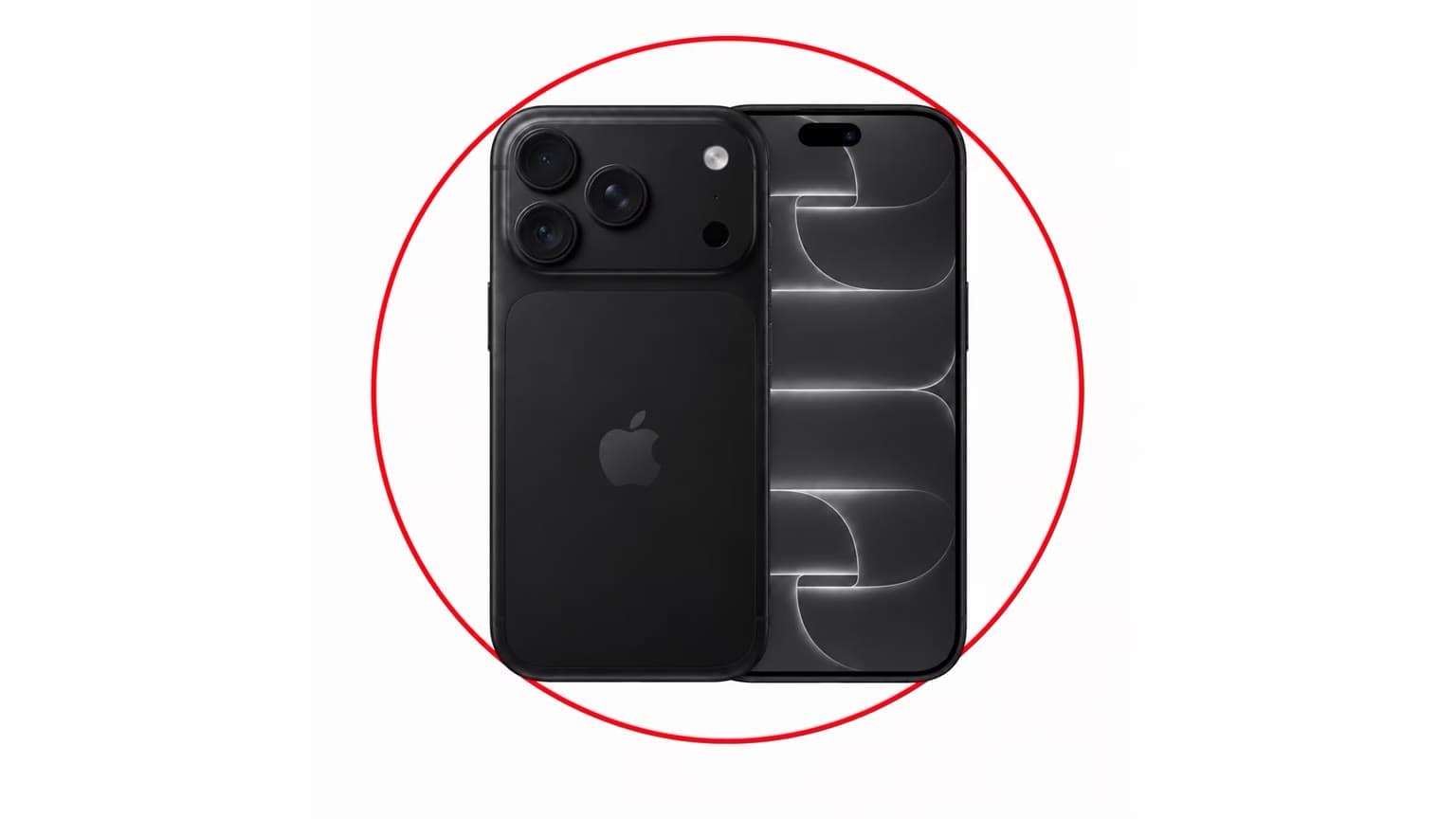
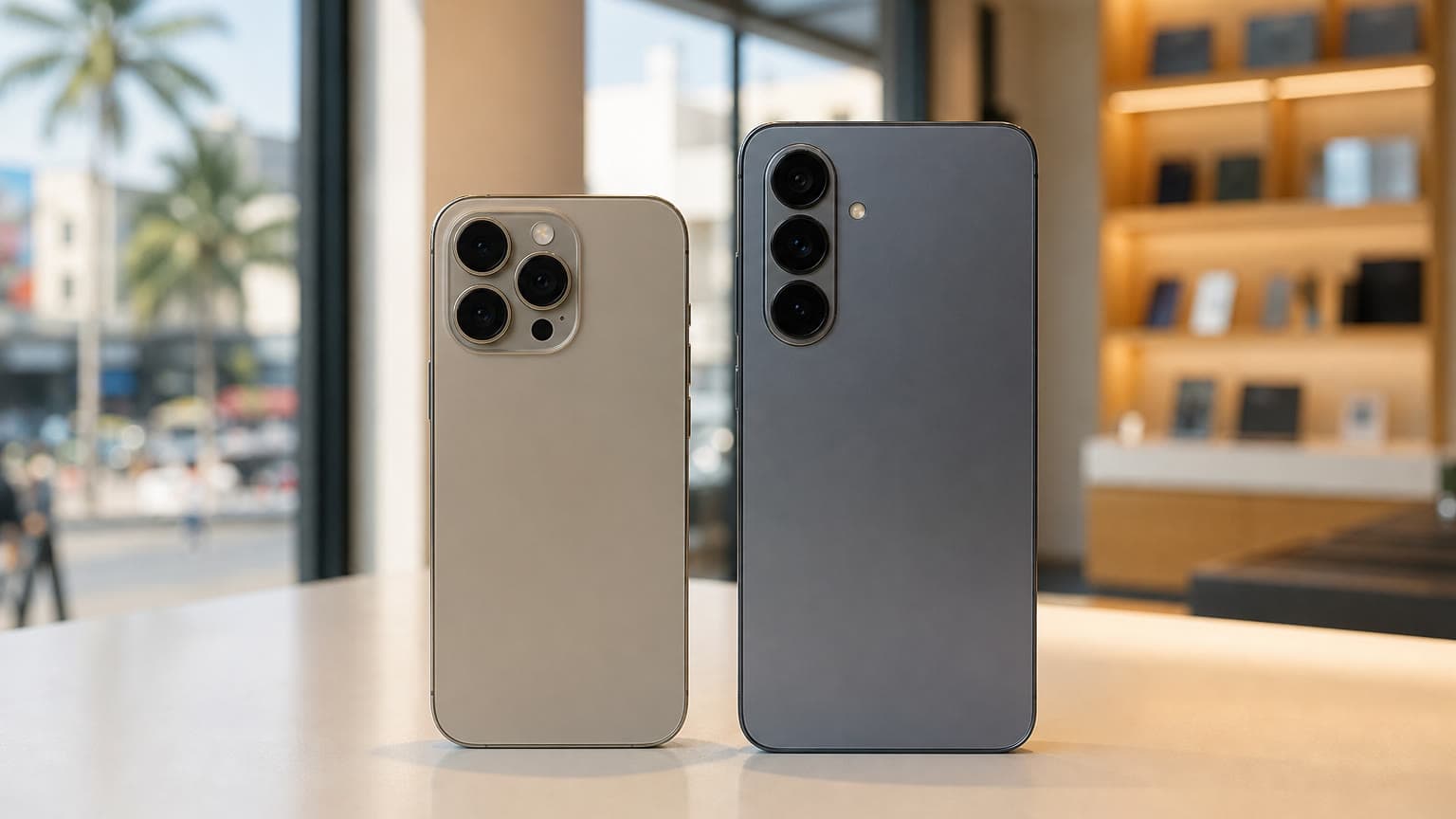
The iPhone 14 Pro is no longer the newest Apple flagship, but it is still one of the more interesting used or refurbished iPhones to consider in 2026. It gives you a 120Hz always-on display, Dynamic Island, a 48MP main camera, a stainless-steel build, Face ID, MagSafe, 5G, emergency safety features, and current iOS support. The question is not whether it is still powerful. It is whether the price, battery condition, storage, repair history, and Apple Intelligence limitations make sense compared with newer options.
Short answer: buy the iPhone 14 Pro if you want a premium compact iPhone and can find a clean unit with strong battery health, verified parts, and a meaningful discount against the iPhone 15 Pro. Skip it if you need USB-C, the latest Apple Intelligence features, longer battery runway, or the warranty simplicity of a newer phone.
Who this is for
The iPhone 14 Pro fits buyers upgrading from an iPhone 11, iPhone 12, older Android flagship, or standard iPhone model who want a sharper display and better camera system without paying current Pro prices. It is also a practical pick for creators who shoot social video, students who want a premium iPhone for several more years, and business users who need a compact phone that still feels fast.
It is less ideal for heavy travelers who are moving all accessories to USB-C, gamers who want the newest graphics headroom, or buyers who care deeply about on-device AI features. Apple’s current Apple Intelligence device requirements start with iPhone 15 Pro models and iPhone 16 models or later, so the iPhone 14 Pro remains a strong iPhone, but not an AI-forward iPhone.
Key specs and buying context
| Area | iPhone 14 Pro context in 2026 |
|---|
| Display | 6.1-inch Super Retina XDR OLED, ProMotion up to 120Hz, always-on display, Dynamic Island, and up to 2,000 nits peak outdoor brightness. |
| Chip | A16 Bionic with a 6-core CPU, 5-core GPU, and 16-core Neural Engine. Still smooth for messaging, camera use, banking, social apps, editing, and most games. |
| Cameras | 48MP main camera, 12MP ultra-wide, 3x telephoto, LiDAR, macro photos, Night mode portraits, ProRAW, Dolby Vision HDR video, Action mode, and ProRes support. |
| Battery and charging | Apple rates it for up to 23 hours of video playback, 15W MagSafe, 7.5W Qi, and fast charging to around 50% in about 30 minutes with a 20W or higher adapter. |
| Storage | 128GB, 256GB, 512GB, and 1TB variants exist. For 4K video, ProRAW, WhatsApp media, and long-term use, 256GB is the safer floor. |
| Ports and SIM | Lightning, not USB-C. Models sold outside the United States include a physical SIM tray plus eSIM support; U.S. models are eSIM-only. |
| Software | Listed by Apple as compatible with iOS 26, but not eligible for Apple Intelligence. |
What still holds up
The display remains the main reason to choose the iPhone 14 Pro over the standard iPhone 14 or even some newer non-Pro iPhones. ProMotion makes scrolling, gaming, and everyday navigation feel more fluid, while the always-on display and Dynamic Island still feel modern rather than dated.
The camera system is also a real step up from non-Pro iPhones. The 48MP main sensor gives you more detail and cropping flexibility, the 3x telephoto lens is useful for portraits and product photos, and LiDAR improves low-light portrait focus and AR use. If your main camera needs are daylight photos, portraits, short videos, social clips, and occasional ProRAW editing, the 14 Pro remains more than good enough.
Performance is not the problem. The A16 Bionic still has enough headroom for everyday use, and iOS support keeps the phone relevant. In practice, a healthy iPhone 14 Pro should feel faster than many midrange phones sold new in 2026, especially because Apple’s app ecosystem remains well optimized.
Trade-offs to check before paying
The biggest 2026 buying risk is battery health. Apple says iPhone 14 models and earlier are designed to retain 80% of original battery capacity at 500 complete charge cycles under ideal conditions. Many used iPhone 14 Pro units are now old enough to be near or below that point. A cheap unit with 78% battery health may still be usable, but it should be priced with a battery replacement in mind.
Also inspect repair history. In Settings, check Parts and Service History where available, confirm Face ID works, test all cameras, record video with sound, verify speakers and microphones, check True Tone, test MagSafe alignment, and inspect the display for burn-in or green tint. Avoid units with unknown display repairs unless the price is very low and the seller is transparent.
The Lightning port is another practical compromise. If you already own Lightning cables, older MagSafe accessories, or an iPhone 12 or 13, this may not matter. If your laptop, tablet, power bank, and headphones are now USB-C, the iPhone 15, iPhone 15 Pro, iPhone 16, or iPhone 16 Pro will fit your setup better.
Price, availability, and warranty reality
Apple discontinued the iPhone 14 Pro after the iPhone 15 Pro arrived, so most 2026 availability comes from used, refurbished, carrier, or reseller channels. Ogabassey catalog availability can change, and the current product targets for the iPhone 14 Pro and its comparison models are marked out of stock in the enrichment data. Treat any purchase as condition-led: battery health, storage, warranty, and return window matter more than color.
For value, the iPhone 14 Pro makes the most sense when it is clearly cheaper than an iPhone 15 Pro and close enough in price to a standard iPhone 15 that the Pro display and telephoto camera justify the older port and missing Apple Intelligence. If the price gap to an iPhone 15 Pro is small, move up. If the price gap to a standard iPhone 14 is small, the 14 Pro is usually the better device unless battery condition is worse.
For warranty and returns, prefer sellers that disclose battery health, IMEI status, network lock status, storage, repair history, and return terms before payment. A short inspection window is valuable because some faults only show up after setup, camera testing, charging, and cellular use.
Best alternatives
Choose the iPhone 15 Pro if you want the most direct upgrade: USB-C, lighter titanium build, A17 Pro, Apple Intelligence support, and stronger long-term feature coverage. It is the better buy when the price difference is modest.
Choose the iPhone 16 Pro if you want a newer Pro iPhone with more future-proof performance and AI features, and you are buying for several years rather than chasing the lowest premium-iPhone price.
Choose the iPhone 16 if you want a newer mainstream iPhone with Apple Intelligence support and USB-C, but you can live without the 14 Pro’s 120Hz display and dedicated telephoto camera.
Choose the standard iPhone 15 if USB-C and newer battery condition matter more than ProMotion and zoom. For a broader older-iPhone perspective, Ogabassey’s iPhone 13 Pro review is useful if you are deciding how far back is still sensible. If you are comparing bigger flagship spending, the iPhone 16 Pro Max vs iPhone 17 Pro comparison gives context on newer Pro trade-offs.
Verdict
The iPhone 14 Pro is still worth buying in 2026, but only as a carefully inspected value purchase. Its display, cameras, build quality, performance, and iOS 26 compatibility keep it relevant. Its weak points are equally clear: aging batteries, Lightning, discontinued official sales, no Apple Intelligence, and the risk of poorly repaired used units.
If you find a clean 256GB or higher iPhone 14 Pro with strong battery health, verified parts, unlocked network status, and a real price advantage, it remains one of the better older Pro iPhones. If not, the iPhone 15 Pro or iPhone 16 family will be the safer long-term buy.
Sources