Bassey John is a Performance Marketing Specialist at Ogabassey with cross-industry experience spanning e-commerce, gaming, and real estate. He focuses on paid acquisition, conversion-rate optimisation, and data-driven growth strategy, turning campaign performance into measurable revenue. At Ogabassey he writes about consumer technology, product buying guides, and the Nigerian gadget market to help shoppers make confident, informed decisions.
Google used I/O 2026 on May 19 to move smart glasses from prototype demos toward a real consumer category. The company says its first Android XR intelligent eyewear will arrive later in fall 2026, with Samsung involved in the hardware ecosystem and eyewear partners Gentle Monster and Warby Parker preparing frame collections.
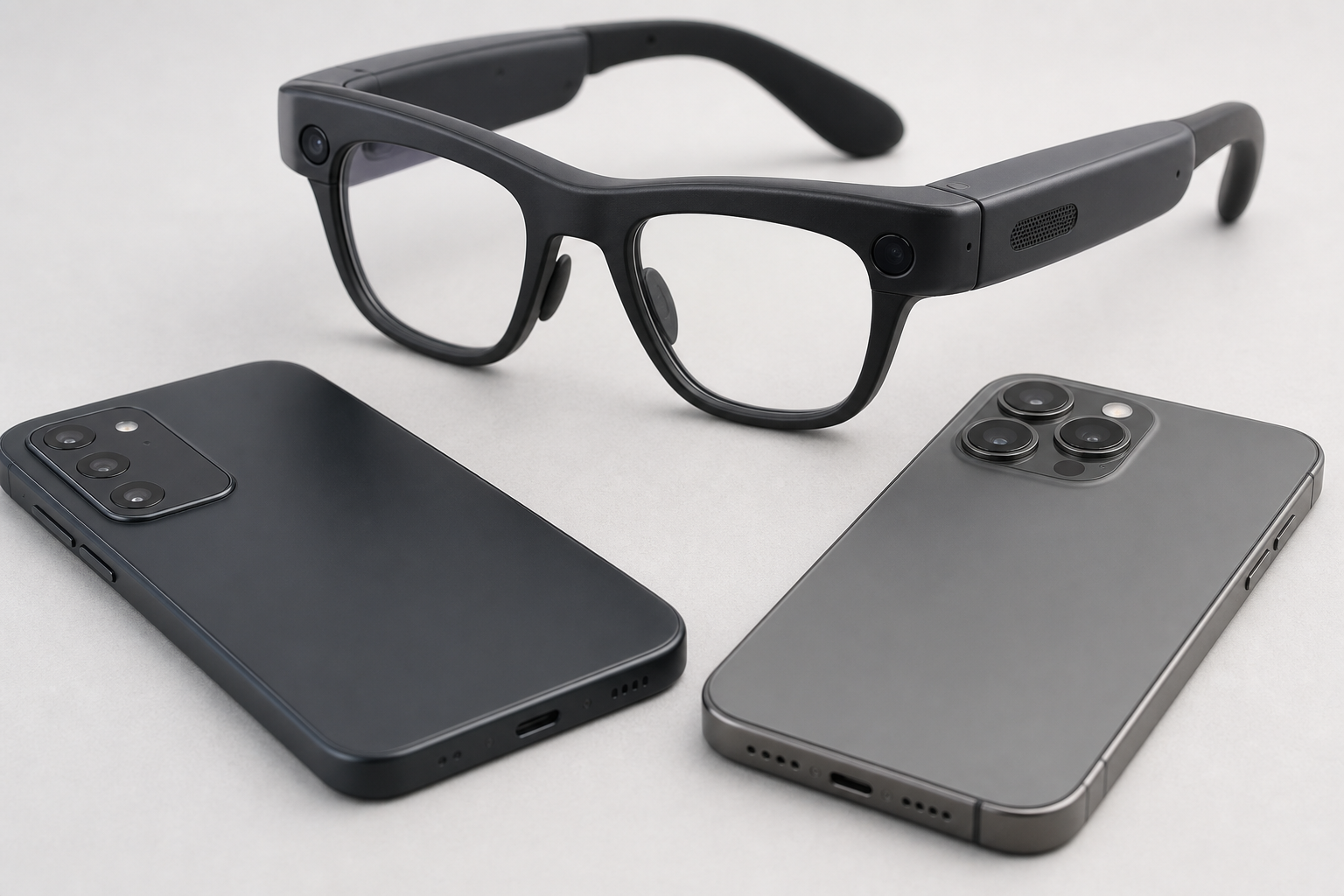
The buyer-friendly way to understand this first wave is simple: these are phone companion glasses, not a replacement for your phone, laptop or full AR headset. Google describes two Android XR eyewear paths: audio glasses first, followed later by display glasses. The fall 2026 products are expected to be audio-focused smart glasses with cameras, microphones and speakers, using Gemini for voice help, translation, navigation, capture and app actions. That puts them closer to Ray-Ban Meta-style AI glasses than to a full mixed-reality headset.
The first Android XR glasses are expected to pair with phones rather than replace them.
What Google and Samsung have actually confirmed
As of May 31, 2026, the confirmed story is promising but incomplete. Google says the glasses will work with Gemini, respond to “Hey Google” or a side-frame tap, and support tasks such as asking about what you see, turn-by-turn directions, calls, texts, message summaries, music, photo and video capture, translation of speech or visible text, and voice control of selected phone apps. Google also says the glasses pair with both Android and iOS phones.
Samsung’s announcement adds that the eyewear is designed as a companion device to a mobile phone and that first collections are scheduled for select markets this fall. That “select markets” wording matters for Nigerian and African buyers. It means shoppers should not assume day-one local retail availability, Nigerian warranty support, prescription lens options, replacement parts or repair channels until Google, Samsung or the eyewear brands publish country-by-country details.
Why this matters for Nigeria and Africa
For Nigerian buyers, the appeal is not just novelty. If Google and Samsung execute well, Android XR glasses could be useful for travel, creator work, first-person clips, quick notes, translation, walking directions and hands-free voice capture in situations where pulling out a phone is awkward. They could also become a new premium accessory category for people already shopping for flagship smartphones, earbuds and mobile accessories.
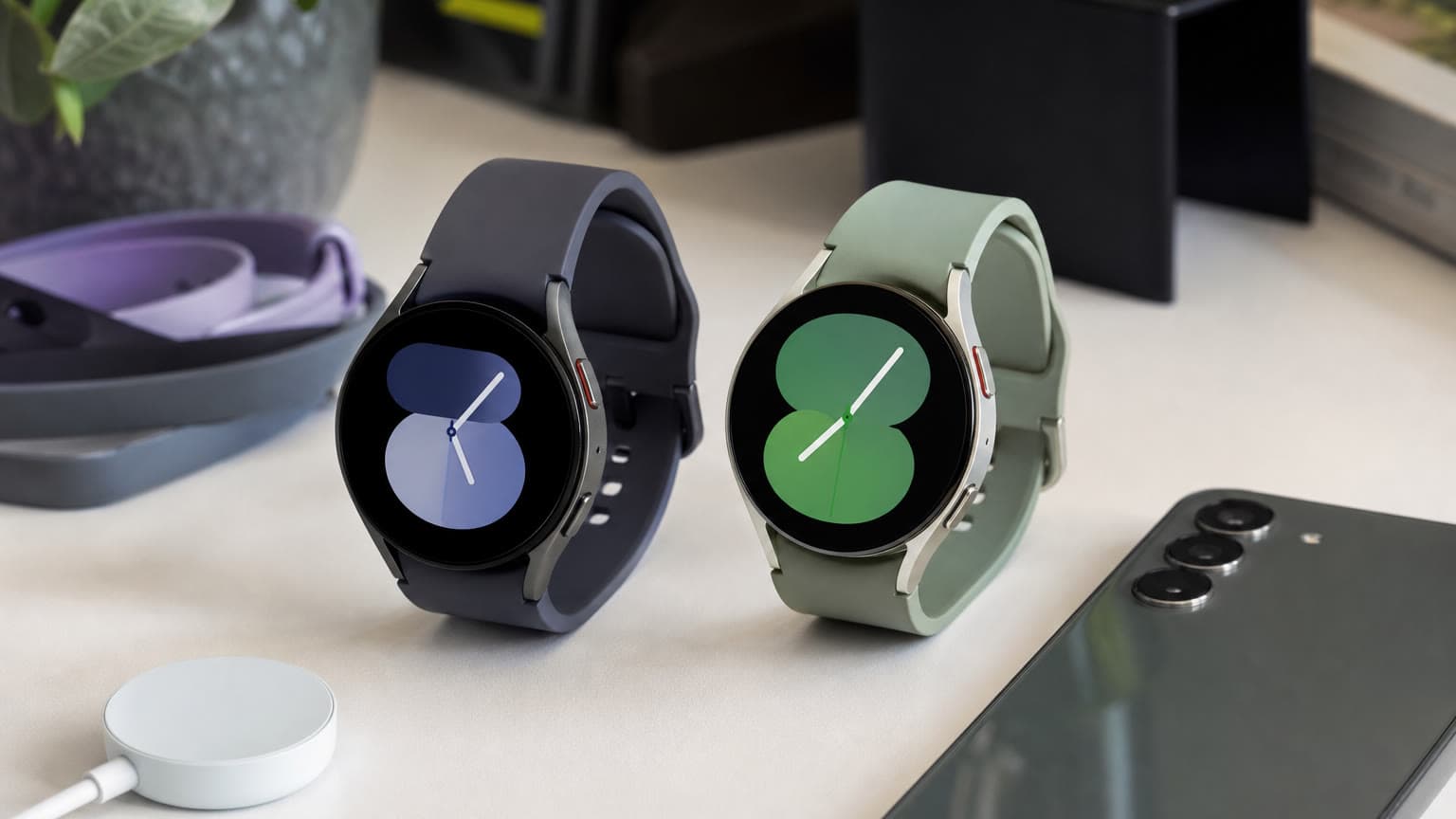
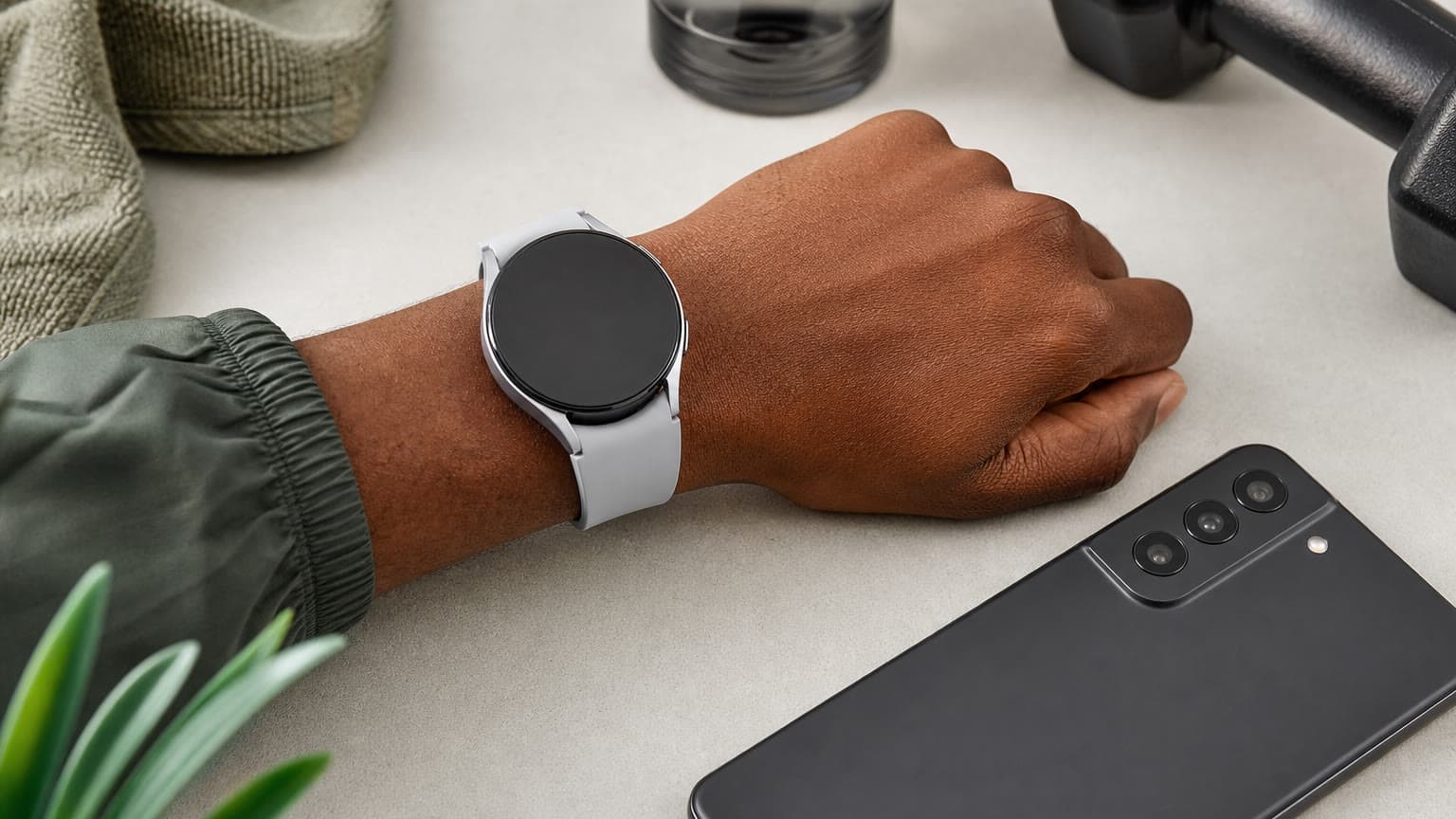
The local value question is tougher. Google has not announced final prices, Nigeria availability, warranty terms, prescription support or battery-life ratings. Import-only availability could make the real landed cost much higher than the US or European sticker price once shipping, duty, exchange rates and after-sales risk are added. If the glasses launch near premium smart-glasses pricing, buyers should compare the money against a better phone camera, a high-quality pair of earbuds, or a smartwatch from Ogabassey’s wearables section.
Compatibility and feature parity
The strongest early compatibility detail is cross-platform pairing. Google says the glasses will work with Android and iOS phones, which is important in households that mix Samsung Galaxy, Pixel and iPhone devices. Still, cross-platform support does not automatically mean equal features. Before buying, confirm whether setup, Gemini features, camera backup, calls, notification summaries, app actions and privacy controls work the same way on your current phone.
Android users should also watch how deeply the glasses integrate with Galaxy and Pixel phones. Samsung frames the product as part of the Galaxy ecosystem, while Google frames Android XR as a broader platform built with Samsung and Qualcomm. That could mean the best experience lands first on newer Samsung and Android phones, with iPhone support covering the essentials. Buyers should wait for final app requirements, supported OS versions and real review testing before importing.
Key buying checks before preorder
Do not treat the fall launch window as enough information to buy. The missing specifications are the exact details that decide whether smart glasses become useful or frustrating: battery life per charge, charging case design, camera resolution, video limits, storage behavior, microphone quality in noisy roads, speaker leakage, frame weight, water resistance, prescription lens handling, heat, data controls and replacement policy.
For Lagos, Abuja, Accra, Nairobi or Johannesburg use, two areas deserve special attention. First, microphone and speaker performance need to survive traffic, markets, airports and outdoor calls. Second, the frame must be comfortable in heat, compatible with prescription needs and durable enough for daily carry. A smart feature set will not rescue glasses that feel heavy, run hot or need charging too often.
Privacy and social acceptance
Camera-equipped glasses can be useful, but they also create obvious privacy concerns in offices, schools, religious spaces, concerts, gyms and public transport. A strong product should have visible capture indicators, easy recording controls, clear permission prompts, simple ways to disable capture, and transparent cloud-processing settings. In many African markets, social acceptance may matter as much as technical performance.
Travel, translation and hands-free capture may be early use cases, but privacy and support still matter.
Alternatives worth comparing
The most direct alternative is the current smart-glasses category led by Ray-Ban Meta-style audio camera glasses. Those products already prove the basic idea of hands-free capture and voice features, but Google’s advantage could be Gemini, Android XR, Google Maps-style navigation, translation and broader phone-app control. The risk is that Meta already has shipping hardware, pricing and real reviews, while Google and Samsung still need to publish final consumer details.
Most Nigerian buyers should wait. The category is real, but the first retail wave still has too many unanswered commerce questions: final price, supported countries, warranty, repair options, prescription availability, battery life and long-term software support. Early adopters, creators and frequent travellers can keep the glasses on a watchlist, especially if they already use Gemini heavily and want hands-free translation, directions or capture.
The Ogabassey verdict: Android XR smart glasses are now a credible upcoming product category, not just a concept video. But until Google, Samsung, Gentle Monster and Warby Parker publish final specs, prices, market lists and warranty terms, Nigerian buyers should treat them as a high-interest watchlist item rather than an automatic preorder.
Catalog-linked prices update automatically. Historical and other quoted prices remain as written. Open the product page to confirm the current price, selected variant and availability before buying.