Android updates are easy to ignore because they rarely feel as exciting as buying a new phone. In 2026, though, they should be part of the buying decision, not an afterthought. A phone can still have a bright display, good cameras, and fast 5G, but if its software support is ending, the real value changes.
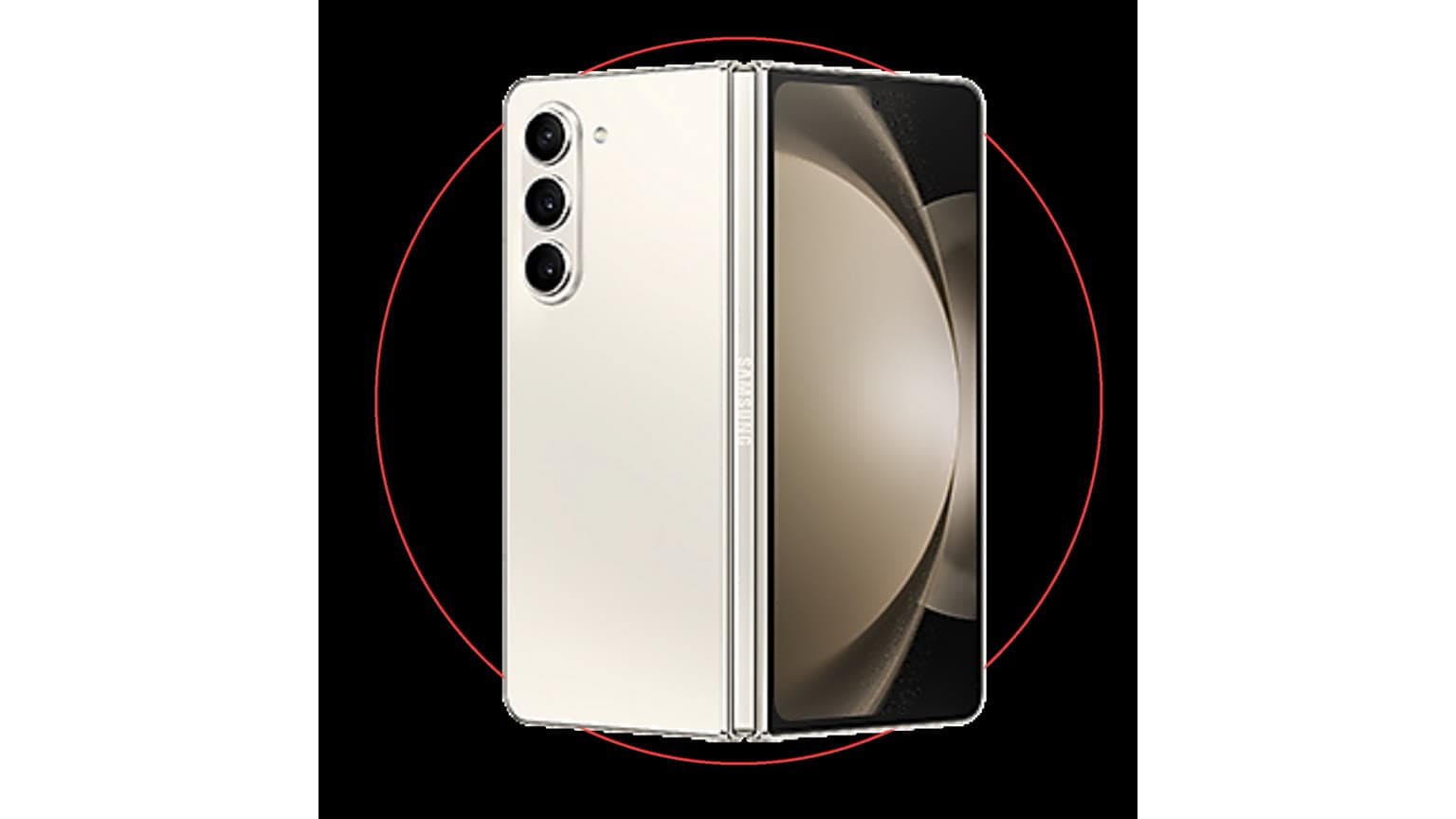
The clearest example is the Samsung Galaxy S21. It is still a capable flagship-class Android phone, and a clean used unit can make sense at the right price. But the S21 series has already received the major Android upgrade cycle Samsung promised for it. That means Android 16 and newer One UI features are not the reason to buy one now. The real question is whether the price, condition, storage, battery health, and security-support situation still fit your use.
Who this is for
This guide is for anyone comparing older Android flagships against newer midrange phones in Nigeria, especially shoppers looking at used Samsung, Tecno, Infinix, Xiaomi, Pixel, or iPhone alternatives. It is also for current Galaxy S21 owners wondering whether the lack of Android 16 should push them to upgrade.
If you use your phone mainly for WhatsApp, banking, calls, photos, YouTube, delivery apps, and browsing, an older flagship may still feel smooth. If you keep sensitive work files, rely heavily on mobile banking, travel often, install many third-party apps, or plan to keep the phone for three more years, update support matters much more.
What Android updates actually do
Android updates come in three useful layers. Major Android version updates bring platform changes such as privacy controls, notification behavior, multitasking, accessibility features, and design changes. Manufacturer interface updates, such as Samsung One UI, add brand-specific features and camera, gallery, keyboard, lock screen, and device ecosystem improvements. Security patches fix vulnerabilities in Android, chipsets, system components, and manufacturer software.
Android 16 is no longer just a teaser. Google released it first to eligible Pixel devices in 2025, with productivity, security, accessibility, and design foundations that later updates expanded. Material 3 Expressive also became part of the wider Android 16 conversation, especially on Pixel devices, but that does not mean every Android phone automatically gets the same look, timing, or feature set. Samsung, Xiaomi, Tecno, Infinix, and other brands adapt Android through their own software skins and update schedules.
Why updates matter for security
The most important reason to update is not a redesigned quick settings panel. It is security. Google publishes Android security bulletins every month, and phone makers then package relevant fixes for supported devices. Those fixes can include patches for high-severity issues in the Android framework, media components, kernel, modem, Bluetooth, Wi-Fi, and vendor chipset code.
That matters in everyday life. Your phone holds banking apps, payment cards, private chats, one-time passwords, email accounts, identity documents, work files, and location history. A phone that no longer receives security updates does not become unsafe overnight, but the risk rises over time. The longer it goes unpatched, the harder it is to recommend for sensitive use.
Galaxy S21 buying context in 2026
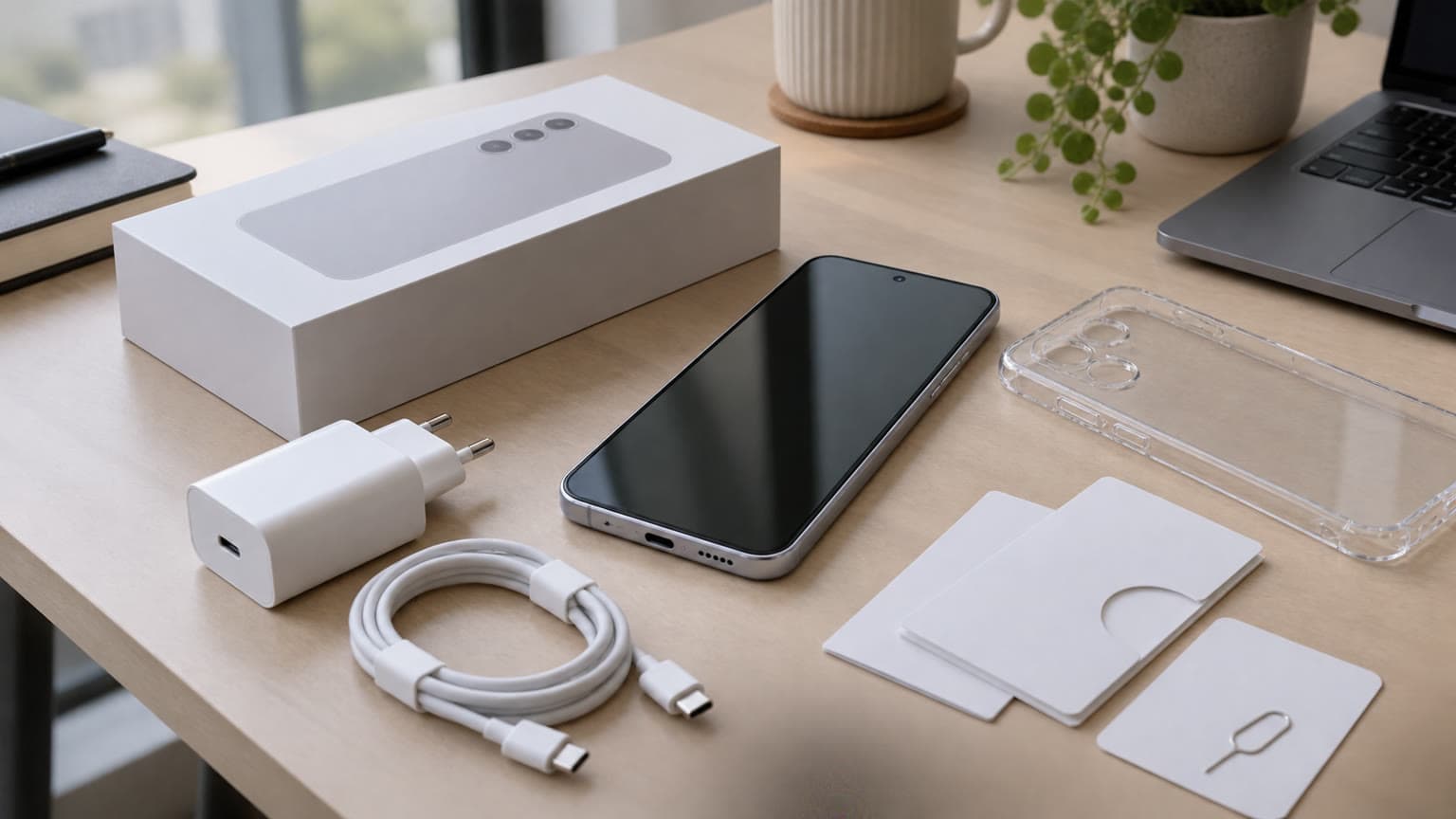
The Galaxy S21 launched as a premium phone, so its hardware still holds up better than many budget phones. The regular S21 has a 6.2-inch AMOLED display, 8GB RAM, 128GB or 256GB storage options, 5G support, IP68 water resistance, wireless charging, and a triple rear camera system. The S21+ adds a bigger screen and battery, while the S21 Ultra has the strongest camera setup, higher RAM options, and a larger display.
For shoppers browsing smartphones on Ogabassey, the S21 should be treated as a value buy only when the price is meaningfully lower than newer phones with longer support. Also note the current Ogabassey catalog match for the Galaxy S21 is listed as out of stock, so availability may depend on future restocks or comparable alternatives.
Key specs and buying context
- Software horizon: The Galaxy S21, S21+, and S21 Ultra were part of Samsung's four-generation Android OS upgrade commitment. In 2026, do not buy them expecting Android 16 as a normal official upgrade path.
- Battery and charging: Battery health matters more than the original spec sheet. A used S21 with a tired battery can feel worse than a newer midrange phone with a fresh cell. Check battery drain, charging heat, and whether the USB-C port is firm.
- Camera and video: The S21 still gives better processing, stabilization, and video quality than many cheaper phones, especially in daylight. If camera quality is the priority, it can still be attractive at the right price.
- Storage and RAM: 8GB RAM is still comfortable for normal use, but there is no microSD slot. Avoid a 128GB unit if you shoot lots of video or keep many offline files.
- 5G and network fit: 5G can be useful in parts of Lagos, Abuja, Port Harcourt, Ibadan, Kano, and other rollout areas, but coverage is still location-dependent. Do not pay extra for 5G unless your carrier and neighborhood support it well.
- Originality and warranty: Used imports can vary widely. Confirm IMEI, screen originality, camera condition, water-damage indicators, network lock status, and return terms before paying.
Is 5G worth paying extra for in Lagos or Abuja?
Sometimes, but not always. A 5G phone is only as useful as the network around it. MTN and other operators have expanded 5G access in major Nigerian cities, but indoor coverage, congestion, SIM provisioning, phone bands, and carrier settings can all affect the experience. If your home, office, or school mostly falls back to 4G, a cheaper 4G phone with longer updates may be the smarter buy.
Before buying a used 5G Android phone, test your SIM in the exact area where you use data most. Also confirm that the model variant supports the right bands. Imported phones can behave differently depending on region and firmware.
Trade-offs with older Android phones
The biggest advantage of an older flagship is hardware quality per naira. You may get a sharper display, stronger cameras, better speakers, water resistance, wireless charging, and faster performance than a new entry-level phone. The downside is that the battery has aged, parts may have been replaced, warranty is usually limited, and software support is closer to the end.
This is why Android updates are a value signal. A new midrange phone with three or four years of support left may be less powerful today, but it could age better for banking, app compatibility, resale value, and everyday confidence.
Alternatives to consider
If the Galaxy S21 price is low and the unit is clean, it can still be a good short-term buy. If the price is close to a newer Samsung A-series phone, a Galaxy S22, a newer Pixel, or a recent Xiaomi, Tecno, or Infinix with longer update support, the newer phone may be the better long-term decision.
For Samsung buyers, a Galaxy S22 or newer model is a more sensible upgrade path if Android 16 and longer support matter. For iPhone buyers, compare the used iPhone price against battery health and iOS support. For Tecno, Infinix, and Xiaomi, check the exact model's update promise rather than assuming every recent phone gets the same treatment.
Verdict
Android updates are absolutely important, but not every buyer needs the newest Android version on day one. What matters is the combination of security support, app compatibility, battery health, repairability, warranty, and price.
In 2026, the Samsung Galaxy S21 is no longer a future-proof Android update pick. It is a conditional value pick: buy it only if the price is right, the condition is excellent, you understand the software-support limits, and you do not need a phone you can confidently keep for several more years. If you want the safest long-term Android purchase, choose a newer model with a clear update horizon and active warranty support.
Related reading: Google Pixel 10a Review: The A-Series Upgrade That Plays It Safe.
Sources