Bassey John is a Performance Marketing Specialist at Ogabassey with cross-industry experience spanning e-commerce, gaming, and real estate. He focuses on paid acquisition, conversion-rate optimisation, and data-driven growth strategy, turning campaign performance into measurable revenue. At Ogabassey he writes about consumer technology, product buying guides, and the Nigerian gadget market to help shoppers make confident, informed decisions.
Apple's iOS 27 update is expected to bring a custom equalizer for AirPods, giving buyers more control over bass, mids and treble without switching to another earbud brand. For Nigeria buyers, the practical point is simple: check iPhone compatibility, AirPods authenticity and local catalog availability before paying extra for a model mainly because of this software feature.
What changed at WWDC 2026
Multiple WWDC 2026 reports published inside the June 2026 news window say Apple previewed a redesigned AirPods settings interface for iOS 27 with a customizable EQ. What Hi-Fi? described the interface as a graph-style control with recommended and custom options, while TechRadar reported that users appear able to move a line across frequency bands to adjust the sound profile. Tom's Guide also noted AirPods custom EQ as one of the WWDC 2026 additions, and The Verge separately reported that iOS 27 was announced at WWDC with broader platform updates.
This is source-backed news rather than a hands-on test. Ogabassey has not measured the feature on retail software, and the final iOS 27 build may still differ from what Apple showed during the keynote. Even so, the direction matters because AirPods have historically leaned heavily on Apple's fixed tuning, adaptive features and accessibility options rather than the kind of manual EQ control that many Sony, JBL, Samsung and Soundcore buyers already expect.
For shoppers comparing Apple's earbuds on Ogabassey, the immediate question is not just whether custom EQ sounds exciting. It is whether it changes the value of current models such as Apple AirPods 4 ANC, Apple AirPods Pro 2nd Gen Type C and the broader earbuds category. If iOS 27 applies the setting across system audio as reported, it could help people tune music, movies, social video and calls closer to their preference without abandoning the Apple ecosystem.
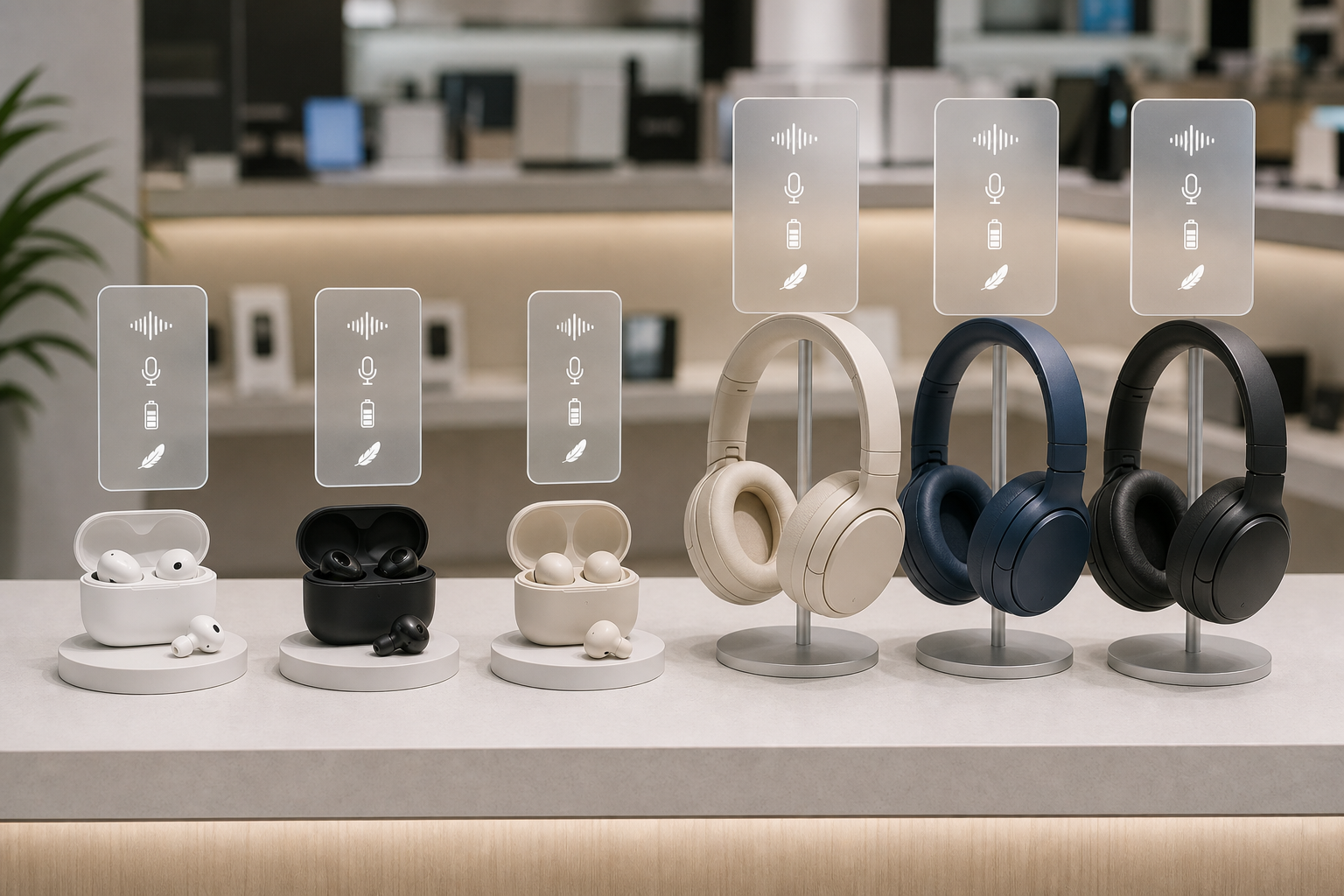
EQ is useful, but buyers still need to compare ANC, calls, battery and comfort.
Why it matters for Nigeria buyers
AirPods are popular because pairing is simple, call switching across Apple devices is convenient, and the resale market is active. The weakness is that buyers often complain about paying premium prices while getting limited control over sound. A custom EQ can soften that tradeoff if it works across apps and across supported AirPods models. Someone who finds one pair too bright may be able to reduce treble. Someone who wants more kick for Afrobeats, amapiano or workout playlists may be able to lift the low end. Someone who listens to podcasts during commutes may be able to make voices clearer.
That flexibility is especially useful in Nigeria because buyers do not always have long return windows or easy demo access before purchase. A customer may buy sealed AirPods, open them, and only later realize the sound profile is not their taste. If iOS 27 makes tuning easier, it reduces the risk of a mismatch, although it does not fix every issue. Fit, ear-tip seal, ANC strength, microphone quality and battery health still matter more than EQ when the complaint is poor isolation, weak calls in traffic or short listening time.
The feature also gives older or current Apple audio products a stronger reason to stay on the shortlist. Buyers considering Apple AirPods Max 2 USB-C or waiting for newer AirPods should not assume custom EQ makes every model equal. Over-ear headphones, open-fit earbuds and in-ear ANC earbuds respond differently to tuning because their physical design is different. EQ can change tone, but it cannot turn an open-fit earbud into a sealed ANC earbud or make worn batteries new again.
Compatibility and availability context
The iOS 27 reporting points to a software feature, not a new AirPods hardware launch. That distinction is important for local buying decisions. If the final feature ships through iOS 27, the iPhone running the software and the AirPods firmware support will matter. What Hi-Fi? reported iOS 27 support from iPhone 11 onward, and The Verge also described iOS 27 support going back to iPhone 11. Buyers with older iPhones should verify final compatibility before treating custom EQ as part of the purchase value.
Ogabassey catalog availability for any future AirPods model is not confirmed by this story. This draft should therefore be reconciled with the catalog when iOS 27 reaches public release or when Apple publishes detailed support documentation. Until then, the safer buyer advice is to compare available Apple audio products against real needs: ANC for commuting, microphone quality for calls, comfort for long listening, water resistance for gym use, and warranty confidence for high-value purchases.
For shoppers who are not locked into Apple, the news also changes the comparison with non-Apple earbuds. Many Android-friendly earbuds already offer app-based EQ, presets and sometimes hearing-profile calibration. AirPods adding custom EQ narrows that gap for iPhone users, but it does not automatically make AirPods the best value for every buyer. The stronger fit remains people who use iPhone as their main phone, want reliable pairing, and prefer Apple's integration with calls, Find My, audio switching and device controls.
What to verify before buying
First, confirm the iPhone. A buyer using an iPhone older than the reported iPhone 11 support floor should not buy AirPods today on the assumption that iOS 27 custom EQ will arrive for their phone. Second, confirm the AirPods model and firmware path. Apple may limit some software features by chip, generation or region, and independent reports do not replace final Apple support pages.
Third, check authenticity. AirPods are heavily counterfeited in many markets. The new EQ interface, if it ships as expected, may become another reason fake sellers claim a unit is updated or premium. Buyers should check serial behavior, pairing animation, Find My behavior, build quality, microphone performance and warranty status where possible. Ogabassey's audio and Apple audio product pages should be used for catalog comparison rather than relying on screenshots from sellers.
Fourth, do not overpay only for EQ. If a buyer needs better call quality in noisy streets, the microphone system and ANC mode are more important. If the buyer wants long commute battery life, runtime and case condition matter. If the buyer is choosing between used and new stock, battery health and warranty confidence matter. EQ is useful, but it is a tuning layer on top of the hardware, not a replacement for the hardware.
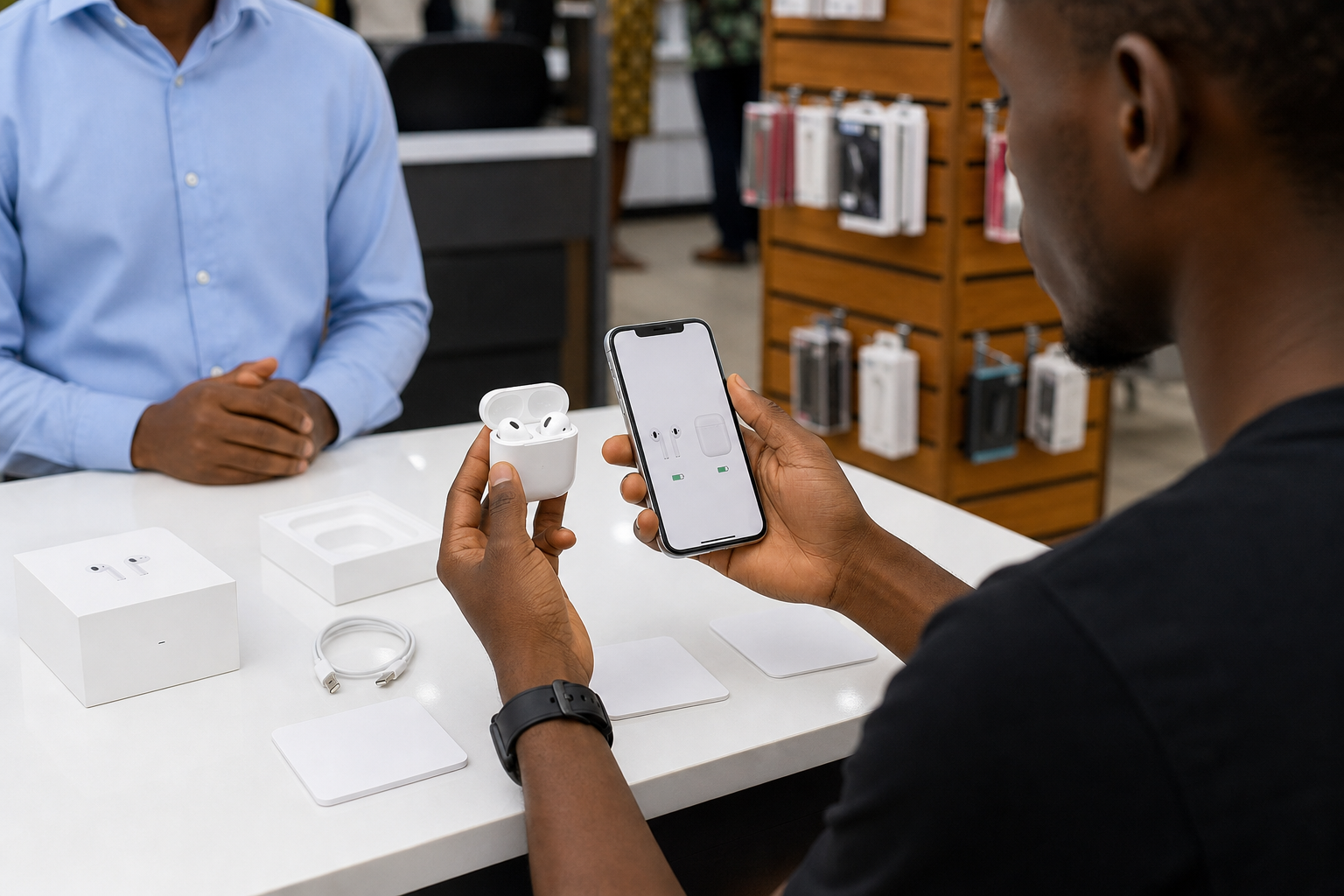
Authenticity, firmware support and warranty checks still matter before buying AirPods locally.
Related Ogabassey categories and alternatives
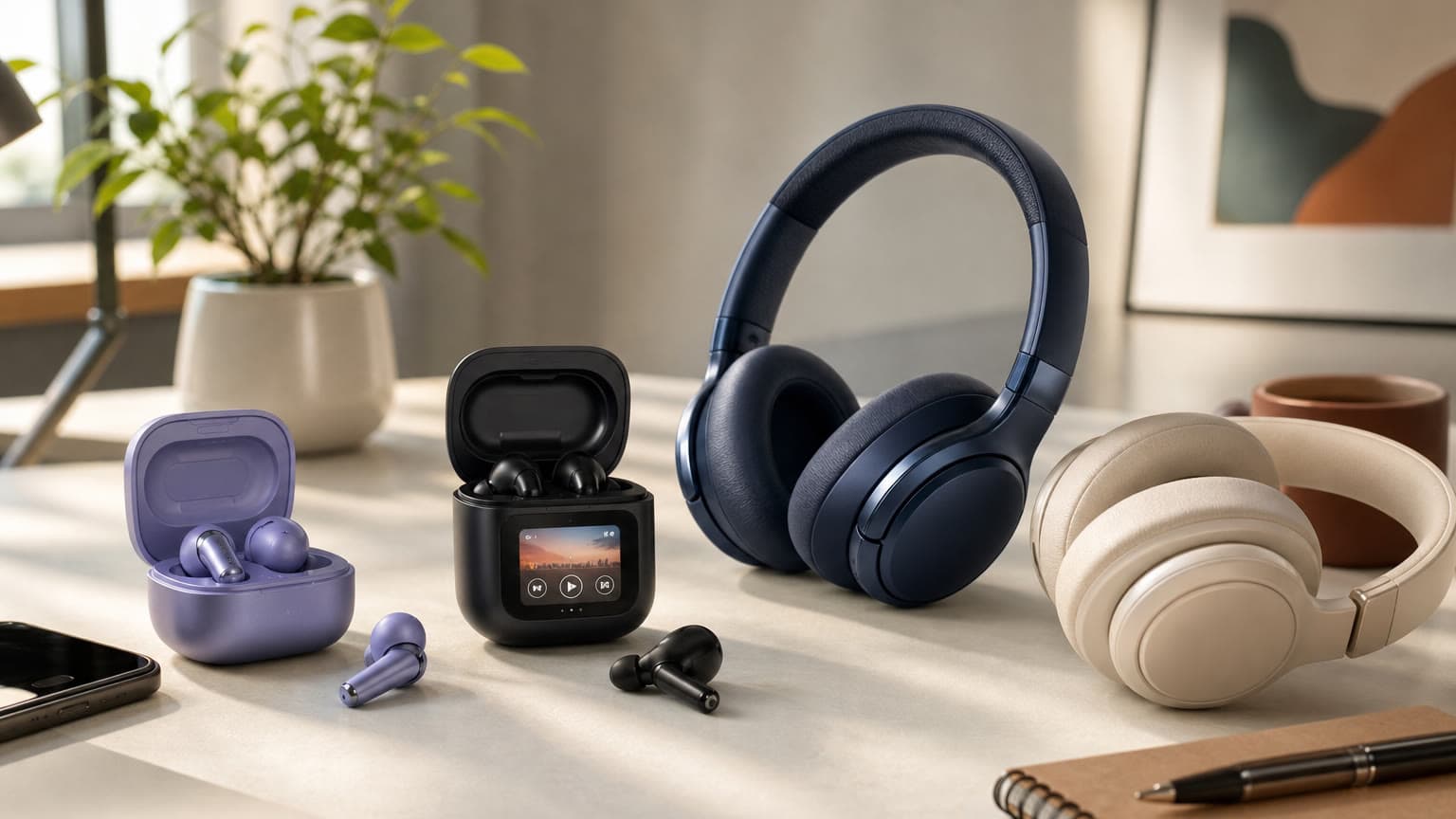
AirPods shoppers should start with the available earbuds catalog, then compare against headphones if comfort and battery life matter more than pocket size. Buyers already researching Apple's audio line can also read Ogabassey's AirPods Max 2 USB-C Nigeria guide for ANC and price-check context, and the AirPods Pro 3rd Gen Nigeria guide for the call-quality and battery questions that EQ alone cannot answer.
The best practical verdict for now: iOS 27 custom EQ is a meaningful AirPods upgrade if it ships broadly, especially for iPhone users who like Apple integration but want more control over sound. It is not enough reason to buy blind, import a risky unit or ignore fit, battery and warranty. Treat it as a software advantage to verify, not a guaranteed reason to replace working earbuds immediately.
FAQ
Will iOS 27 custom EQ make AirPods better for music?
It should help buyers tune the sound closer to their taste if the final feature works as previewed. EQ can adjust tone, but fit, seal, driver quality and the AirPods model still determine the main listening experience.
Should Nigeria buyers wait before buying AirPods?
Wait only if custom EQ is central to your decision or if your iPhone compatibility is unclear. If you need earbuds now, buy based on ANC, calls, battery, comfort, authenticity and warranty, then treat iOS 27 EQ as a possible added benefit.
Which AirPods should buyers compare first?
Start with AirPods 4 ANC for lighter everyday use, AirPods Pro 2 Type C or newer Pro models for stronger in-ear isolation, and AirPods Max-style headphones if comfort, over-ear sound and longer sessions matter more than portability.