Why Google Pixel still deserves more attention in Nigeria
Google Pixel phones are no longer just a quiet alternative for Android fans. In 2026, they sit in a more serious buyer category: phones for people who care about clean software, camera consistency, long update support, and practical value after the launch hype has faded. That matters in Nigeria because many buyers compare Pixel against Samsung Galaxy S-series phones, iPhones, Xiaomi flagships, Redmi Note models, Tecno Camon devices, and Infinix Zero models without always separating price, warranty, software support, and camera reliability.
The original argument still holds: Pixel is underrated here. The better 2026 version of that argument is more specific. Pixel is excellent for the right buyer, but it is not automatically the best phone for everyone. You should buy one because the strengths match your daily use, not because it is different from what everyone else carries.
Who this is for
A Google Pixel makes the most sense if your priorities are camera quality, fast Android updates, a clean interface, and a phone that stays useful for several years. Pixel 8 and newer models are especially attractive because Google lists seven years of updates from the date each phone first became available on the Google Store in the US. That gives models like the Pixel 8, Pixel 8 Pro, Pixel 9 series, Pixel 9a, and Pixel 10 series a longer usable software runway than many older Android phones.
Pixel is also a strong fit if you prefer natural-looking photos over heavily sharpened images. Google’s computational photography is still the main reason many people choose Pixel: skin tones, night shots, point-and-shoot consistency, portrait processing, and quick edits are usually better than what you get from many midrange phones. If your phone is your main camera for business, family events, travel, social media, or content creation, that consistency is valuable.
It is less ideal if you want official local Google Store support in Nigeria, the fastest gaming performance for the money, the most aggressive charging speeds, or a phone you can repair easily at almost any street-side phone technician. Pixel ownership in Nigeria is more like buying a niche imported flagship: rewarding, but you need to check condition, variant, network support, warranty terms, and seller credibility before paying.
Key specs and buying context in 2026
The Pixel line now has several realistic buyer lanes. The Pixel 10 and Pixel 10 Pro models are the newest mainstream flagships, built around Google’s Tensor G5 generation and the latest Pixel AI and camera features. The Pixel 10a is the more affordable current A-series option, while the Pixel 9a and Pixel 9 series remain important because older inventory and clean used units can offer better value than buying the newest model at a launch premium.
If you are shopping from Ogabassey or another Nigerian seller, do not judge value only by model number. A clean Pixel 9 Pro or Pixel 9 Pro XL can be a smarter buy than a base newer model if you care about zoom, display quality, RAM, and premium build. A Pixel 9a or 10a can be the practical choice if you want long software support and strong everyday photos without paying flagship money. A Pixel 8 or 8 Pro can still be worth considering if the price is right because it also belongs to Google’s seven-year update era.
Older Pixel 6 and Pixel 7 models can still feel smooth, but the buying case is different. Their remaining update window is shorter than Pixel 8 and newer phones, and used units may have more battery wear. They are best treated as budget picks, not long-term flagship replacements. If you want a deeper older-model view, Ogabassey’s Pixel 6 review is still useful for understanding what improved and what aged less gracefully.
For readers comparing specific recent models, Ogabassey already has dedicated coverage of the Google Pixel 9 series, the Google Pixel 9a, and whether Pixel phones are worth the hype. This article is the broader buying guide: why the Pixel series is underrated, and how to decide if it fits you.
Design and software: the real Pixel advantage
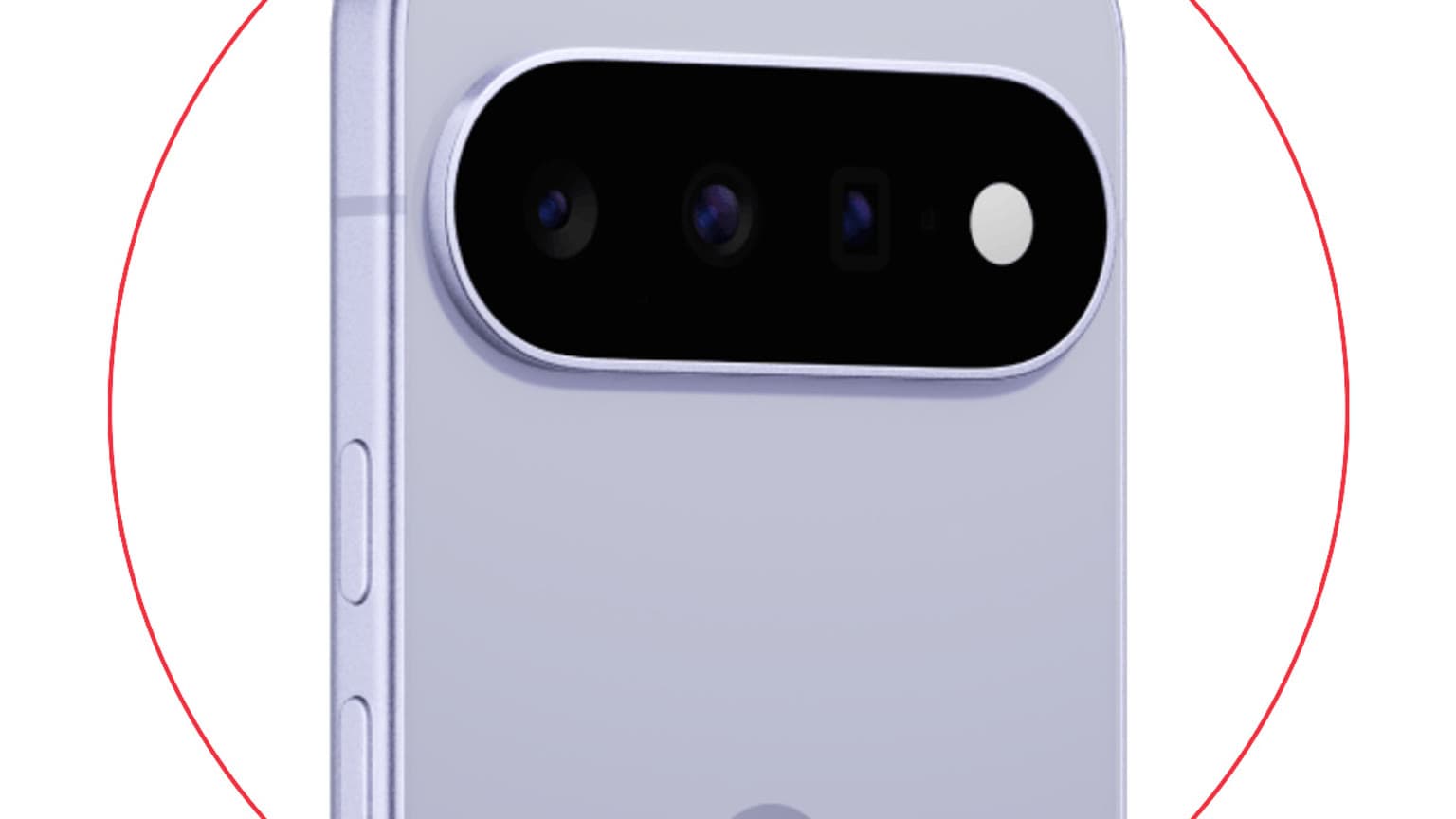
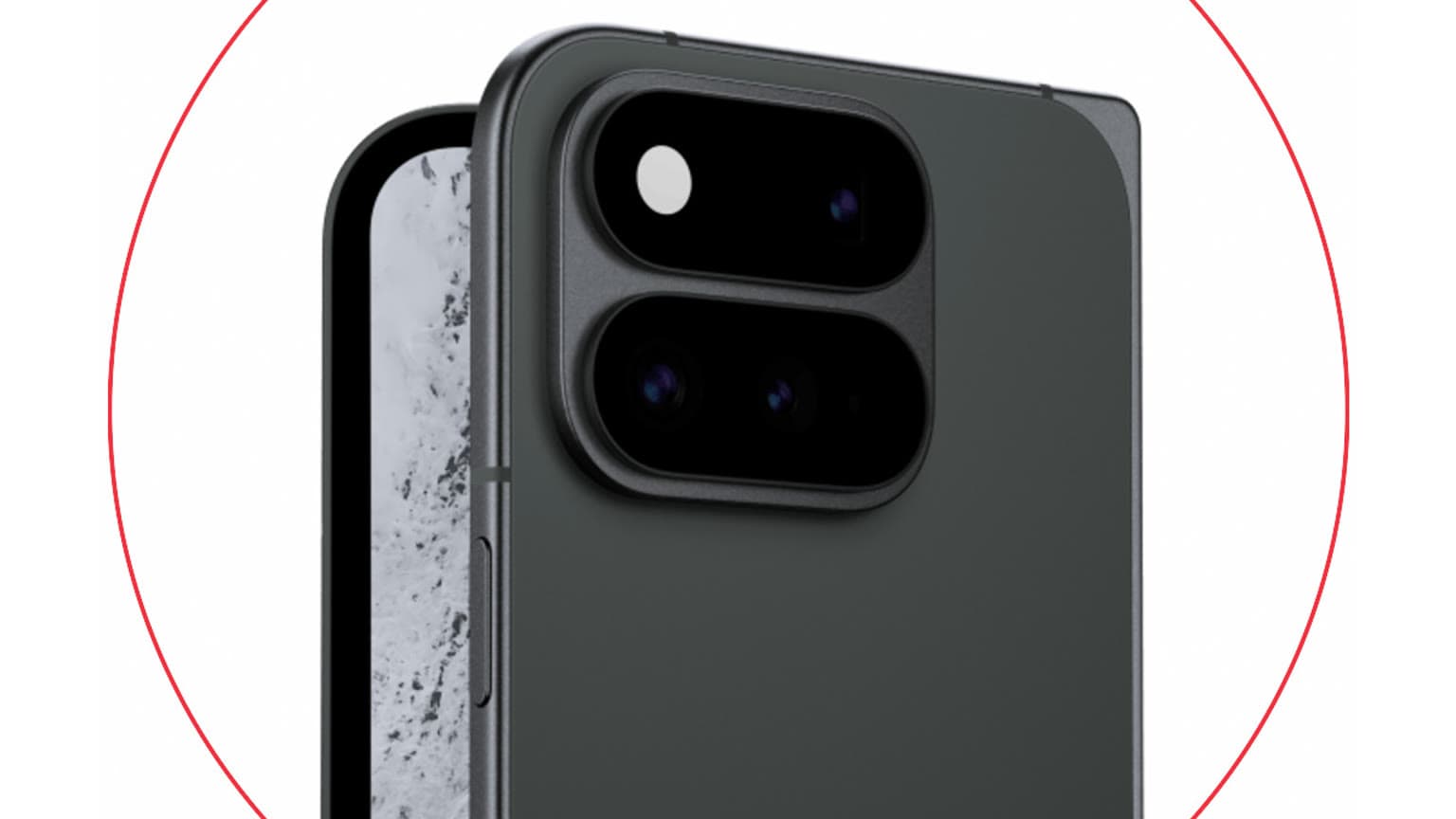
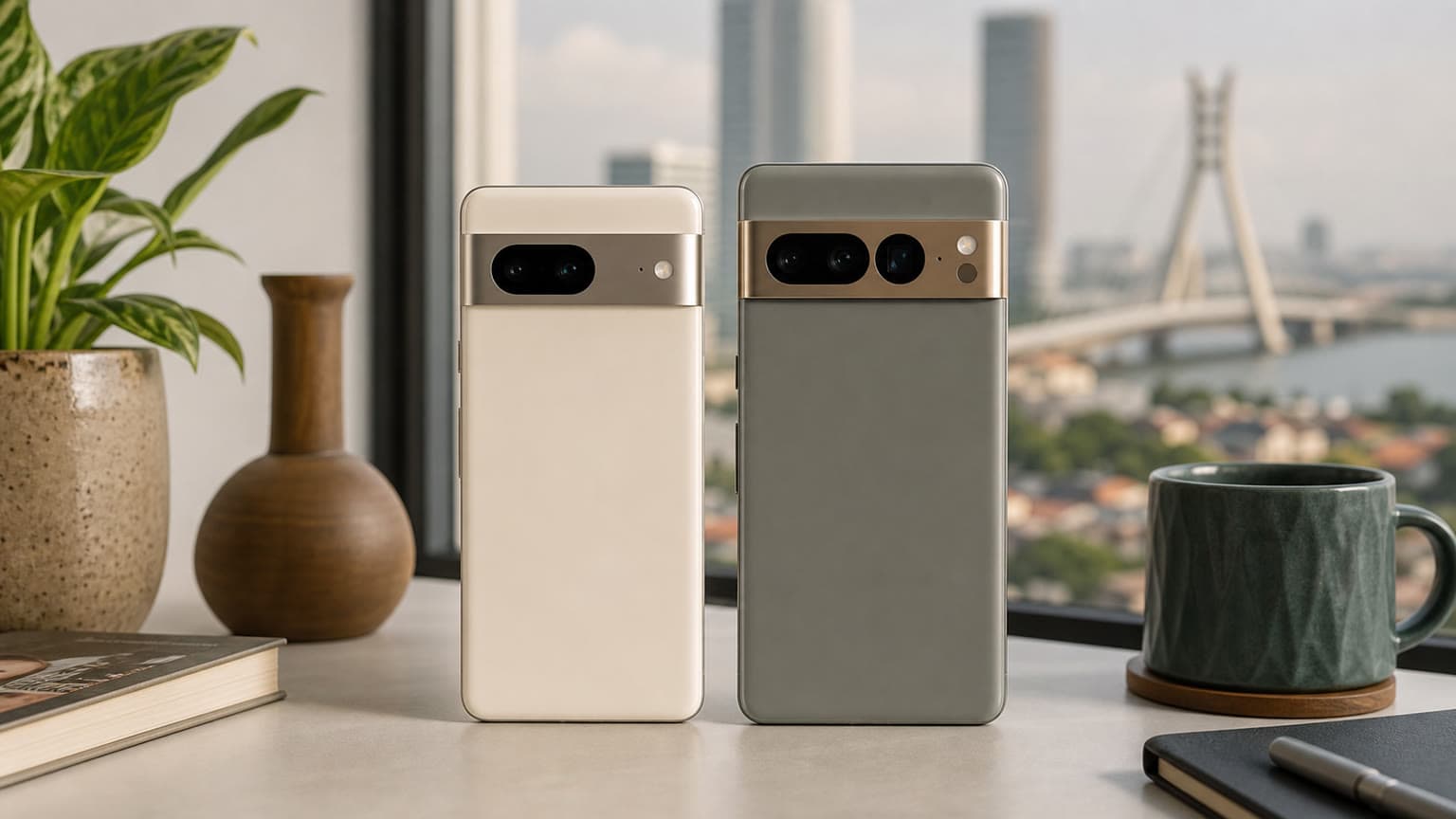
Pixel design has matured from “unusual” to recognizable. The camera bar and newer rounded-frame designs make the phone easy to identify without shouting. More importantly, the software experience is still the cleanest version of Android for many users. You get Google’s own interface, fewer duplicate apps, fast security patches, and Pixel feature drops when your model supports them.
That last phrase matters: when your model supports them. Long update support does not mean every future AI feature will arrive on every old Pixel. Some features depend on RAM, processor generation, country availability, language support, or Google’s own rollout decisions. This is why a Pixel 8 buyer and a Pixel 10 Pro buyer should not expect identical AI features for the next seven years. The reliable promise is software and security longevity; feature parity is more complicated.
Still, the everyday experience is a major reason to buy Pixel. The interface is simple, notifications are clean, call and photo tools are deeply integrated, and updates usually arrive earlier than on most Android brands. If you dislike heavy skins, preloaded apps, and delayed updates, Pixel feels refreshingly direct.
Camera quality: why people keep recommending Pixel
Pixel cameras are not only about megapixels. The strength is the processing pipeline: exposure, HDR, motion handling, low-light capture, face detail, and quick recovery from difficult scenes. In real life, that means fewer ruined shots when the lighting is poor, the subject moves, or you only have one chance to capture the moment.
The best Pixel for camera buyers depends on budget. Pro models are better if you need stronger zoom and a more complete camera system. A-series models are better if you want Pixel processing at a lower price and can live without the full flagship hardware. Base models usually sit between those two: good point-and-shoot cameras, but fewer premium extras than the Pro phones.
For Nigerian buyers, camera value should include storage. If you record a lot of 4K video, shoot content, or use your phone for business, 128GB can become tight. Choose 256GB where the price difference is reasonable, especially because Pixels do not use microSD cards.
Trade-offs to understand before buying
The first trade-off is availability. Pixel phones are not as widely supported in Nigeria as Samsung, Apple, Tecno, Infinix, Xiaomi, or Redmi. That affects warranty handling, repairs, accessories, and replacement parts. Google’s own warranty support is tied to eligible regions and purchase channels, so Nigerian buyers should treat the seller’s warranty and return policy as part of the product. Before paying, ask what happens if the screen, battery, charging port, or motherboard fails within the warranty period.
The second trade-off is network and feature compatibility. Imported phones can vary by region, and some Pixel features are country-limited. Check 4G and 5G band support with your Nigerian network, confirm the phone is unlocked, and test calls, data, hotspot, fingerprint or face unlock, cameras, charging, speakers, and IMEI status before accepting a used or open-box unit.
The third trade-off is performance positioning. Tensor chips prioritize Google’s AI, camera, and software features more than benchmark dominance. For everyday use, Pixel feels smooth. For heavy gaming, long sessions under heat, and ultra-fast charging, some Snapdragon-powered Android phones may be better value.
Alternatives to compare
Compare Pixel against Samsung Galaxy S and A-series phones if you want stronger local availability, broader accessory support, and easier repairs. Samsung is the safer mainstream Android choice in Nigeria, especially for buyers who value official channels and service access.
Compare Pixel against iPhone if you care about resale value, video quality, app optimization, and ecosystem accessories. iPhone is usually easier to resell in Nigeria, but a Pixel can offer a cleaner Android experience, excellent still photos, and stronger value when bought used or at a discount.
Compare Pixel against Xiaomi, Redmi, Tecno, and Infinix if price-to-spec ratio is your main concern. Those brands often offer bigger batteries, faster charging, and aggressive pricing. Pixel fights back with software polish, camera processing, updates, and a more premium long-term feel.
Verdict: underrated, but buy carefully
The Google Pixel series is still underrated in Nigeria, but the best reason to buy one in 2026 is not novelty. Buy Pixel if you want one of the cleanest Android experiences, excellent point-and-shoot photography, and long software support on Pixel 8 and newer models. Avoid it if official local support, easy repairs, extreme gaming performance, or the lowest possible price matter more to you.
The smartest Pixel purchase is usually not the most expensive one. Look for a clean Pixel 9a, Pixel 9 Pro, Pixel 10a, Pixel 10, or Pixel 8 Pro at the right price, with clear warranty terms and enough storage for your use. If those boxes are checked, Pixel is not just an underrated gem. It is one of the most sensible Android alternatives for buyers who know exactly what they are getting.
Shop related Ogabassey options: Ogabassey smartphones.
Sources