In 2026, the smartphone landscape has shifted from "minor annual upgrades" to a radical technological overhaul. We are no longer just looking at faster chips; we are looking at devices that last for days, charge with magnets across all brands, and act as autonomous personal agents.
If you’re planning to upgrade your device this year, here are the top 5 trends defining the smartphone industry in 2026.
1. The Silicon-Carbon Battery Revolution
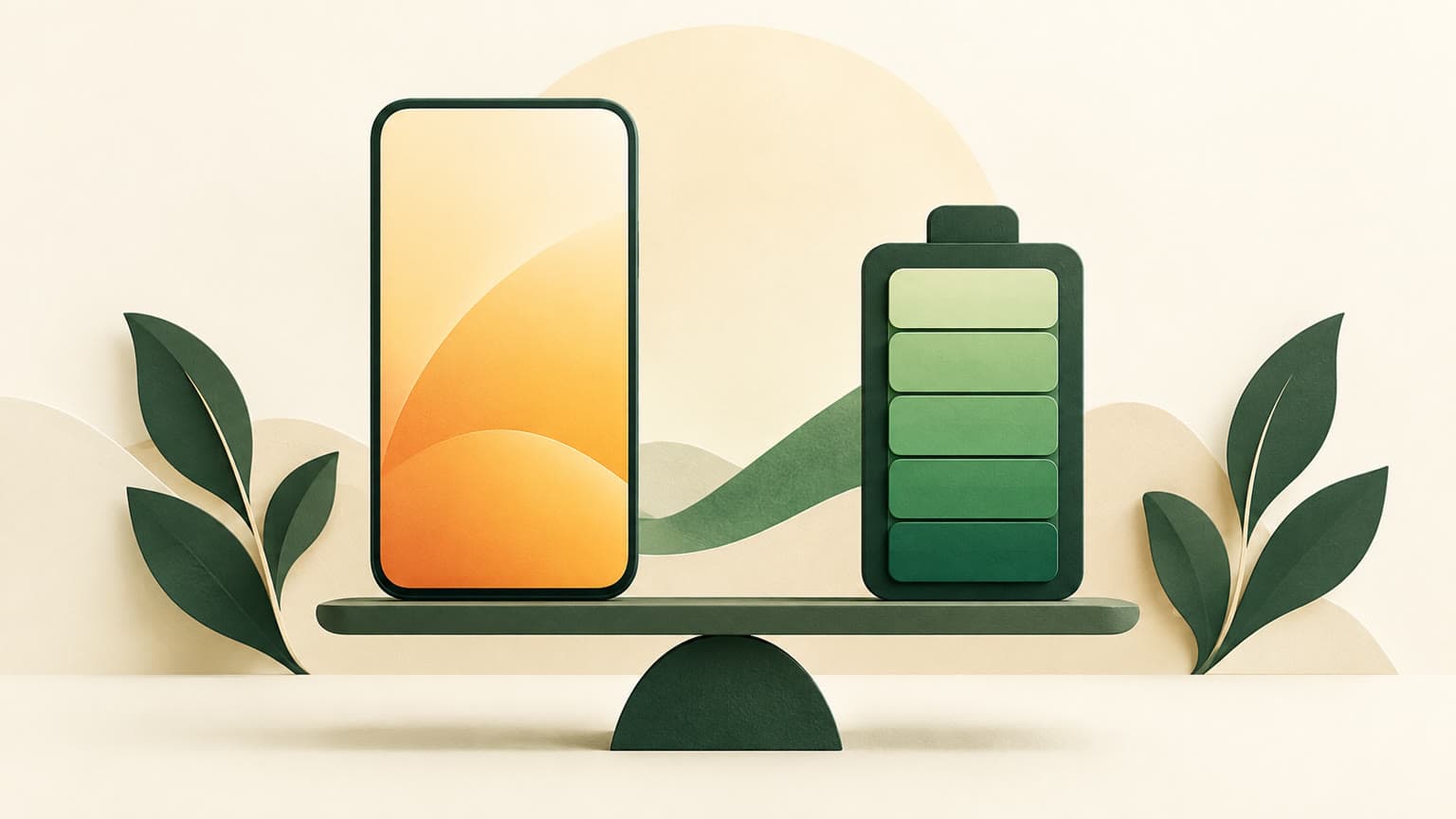
For over a decade, lithium-ion was the undisputed king. But in 2026, silicon-carbon (Si-C) batteries have officially gone mainstream. By replacing graphite anodes with silicon-carbon, manufacturers like OnePlus and Xiaomi are packing massive capacities into thinner frames.
Why it matters: These batteries offer significantly higher energy density. We are seeing standard-sized flagships jumping from 5,000mAh to over 7,000mAh without getting "chunky."
The Benefit: Real-world "multi-day" battery life is finally a reality, even with 120Hz displays and 5G active.
2. Universal Magnetic Ecosystems (Qi2 & MagSafe)
The days of "MagSafe" being an iPhone-only luxury are over. With the widespread adoption of the Qi2.2 standard, the "magnetic ring" is now a default feature on Android flagships.
Snap-on Everything: Whether you use a Pixel 10 or a Galaxy S26, you can now use the same magnetic power banks, car mounts, and wallets.
Faster Wireless Charging: The new 2026 standards have pushed magnetic wireless speeds up to 25W, closing the gap with traditional wired charging.
3. From "AI Features" to "Agentic AI"
In 2024 and 2025, AI was about "Circle to Search" or "Magic Eraser." In 2026, the trend is Agentic AI. Your phone is no longer just a tool; it’s an autonomous partner.
Task Execution: Instead of you opening an app to book a flight, you simply tell your phone, "Book me a window seat to London next Tuesday," and the AI navigates the apps, handles the payment, and adds it to your calendar.
On-Device Processing: Thanks to chips like the Snapdragon 8 Gen 5 and Google Tensor G5, most of this happens locally, keeping your data private and your responses instant.
4. The Rise of the "Tri-Fold" Form Factor
Foldables have evolved. While "clamshells" and "book-style" folds are now affordable mid-range options, the premium "wow factor" has moved to Tri-Fold devices.
Tablet in Your Pocket: Samsung and Huawei have perfected the dual-hinge design. These devices unfold from a standard 6.5-inch phone into a massive 10-inch tablet.
Durability Gains: 2026 hinges are rated for over 600,000 folds, and new ultra-thin glass (UTG) compositions have made the "crease" almost invisible to the naked eye.
5. Satellite-to-Mobile 2.0
What started as an emergency-only feature is now a standard connectivity layer. In 2026, Satellite Connectivity isn't just for SOS calls in the mountains—it’s for everyday dead zones.
Global Messaging: Many 2026 data plans now include a small allowance for satellite-based SMS/texting, ensuring you stay connected in rural areas or during network outages.
No Special Antennae: Modern internal modem designs (like the Snapdragon X85) allow this without the need for the bulky external "bricks" of the past.
Summary: What should you buy?
If you value longevity, look for a device with a Silicon-Carbon battery. If you’re a productivity power user, the Agentic AI capabilities in the newest flagships will change how you work. 2026 is truly the year the "Smart" in Smartphone finally grew up.
Related reading: 2025 Smartphone Trends: What to Expect in the Year Ahead.