Bassey John is a Performance Marketing Specialist at Ogabassey with cross-industry experience spanning e-commerce, gaming, and real estate. He focuses on paid acquisition, conversion-rate optimisation, and data-driven growth strategy, turning campaign performance into measurable revenue. At Ogabassey he writes about consumer technology, product buying guides, and the Nigerian gadget market to help shoppers make confident, informed decisions.
Tecno Spark Go 3 Price in Nigeria: 120Hz Budget Phone Buying Guide
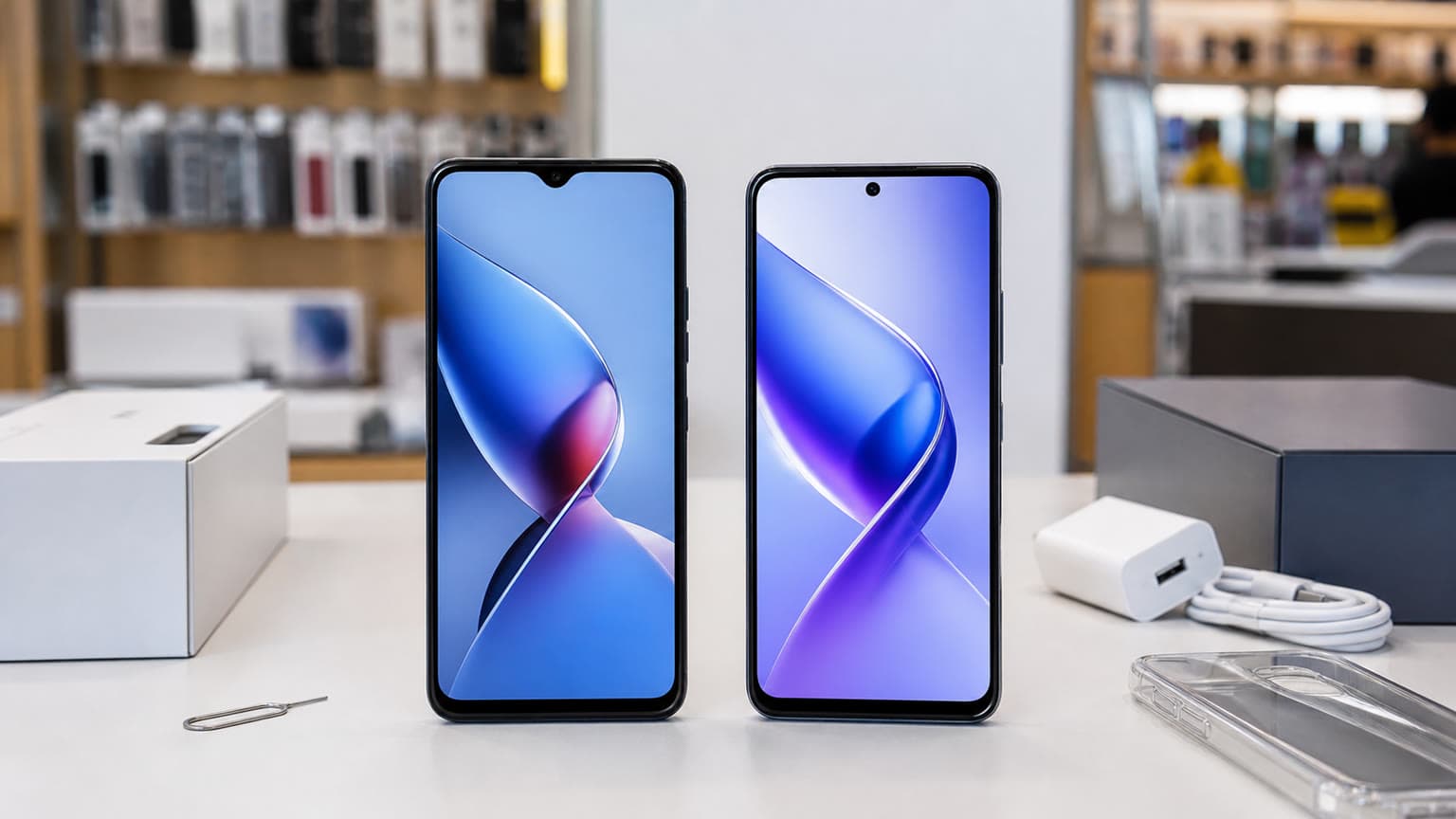
Last reviewed: 1 July 2026. The Tecno Spark Go 3 is a budget 4G phone for buyers who want a smoother screen, long battery life, Type-C charging, and better everyday durability without paying mid-range money. The verified official spec matters because early listings and duplicate drafts sometimes mixed it with older Spark Go models. Tecno lists Android 15, a T7250 processor, 2G/3G/4G support, a 6.75-inch 120Hz HD+ Dot Notch display, 720 x 1600 resolution, 64GB or 128GB storage options with extended RAM branding, a 13MP rear camera, an 8MP selfie camera, a 5000mAh battery, 15W Type-C charging, IP64 dust and splash resistance, side fingerprint unlock, and infrared remote control.
For Nigeria, the safest price advice is still seller-by-seller verification. This is not a phone with one stable national retail price across every shop, marketplace, and import route. A Nigerian retail listing previously reviewed for this article showed a 128GB unit around ₦180,000 with a 12-month warranty, while India launch coverage placed the 4GB + 64GB model at Rs. 8,999. Treat those figures as market context, not fixed Nigerian pricing. Exchange rate changes, import source, storage variant, warranty channel, charger bundle, and stock age can all change the real value quickly.
If you are comparing budget Android phones right now, start with Ogabassey’s Smartphones category to check live phone options, then use this guide to judge whether a Spark Go 3 quote is fair for the exact variant in front of you.
Quick verdict
Buy the Spark Go 3 if you need a practical budget phone for WhatsApp, calls, mobile banking, school portals, YouTube, TikTok, Facebook, light casual gaming, hotspot use, and basic business communication. Its strongest points are the 5000mAh battery, 120Hz screen feel, Android 15 out of the box, Type-C charging, IP64 protection, side fingerprint sensor, and Tecno’s generally easier local repair path in Nigeria.
Skip it if you want 5G, strong gaming performance, a Full HD display, fast charging, premium low-light camera quality, or a phone with a clearly stated long Android-version upgrade promise. If the Nigerian price gets too close to newer Spark, Camon, Redmi, Infinix, or Samsung models with stronger chips and cameras, compare before paying.
Who the Tecno Spark Go 3 is for
The Spark Go 3 is best for students, first-time smartphone buyers, market traders, POS attendants, delivery riders, parents buying a reliable communication phone, and anyone replacing an older 3G phone or slow 4G device. It also works as a sensible secondary phone for calls, banking apps, WhatsApp Business, delivery apps, maps, and hotspot use.
It is not aimed at serious mobile gamers, night photographers, vloggers, or buyers who plan to keep one phone for many years in places where 5G already matters. For those buyers, a stronger Tecno Spark, Camon, Pova, Redmi, Infinix, or Samsung A-series phone may age better. If your shortlist already includes newer Tecno alternatives, also read Ogabassey’s Tecno Spark 40 Pro vs Tecno Spark 50 comparison and the Tecno Spark 50 5G buyer checks.
Key specs and buying context
Feature
Tecno Spark Go 3
What it means for Nigerian buyers
Display
6.75-inch HD+ Dot Notch screen, 720 x 1600, up to 120Hz
Smoother scrolling than many 60Hz budget phones, but not as sharp as Full HD screens.
Processor
T7250 / Unisoc T7250 class
Fine for everyday apps; not the right chip for demanding games or heavy multitasking.
Software
Android 15 with Tecno software features
Modern Android base for a low-cost phone, but major update support should not be assumed.
Storage and RAM
64GB or 128GB storage options with extended RAM marketing
Choose 128GB if the price gap is reasonable; virtual RAM does not replace a faster chipset.
Rear camera
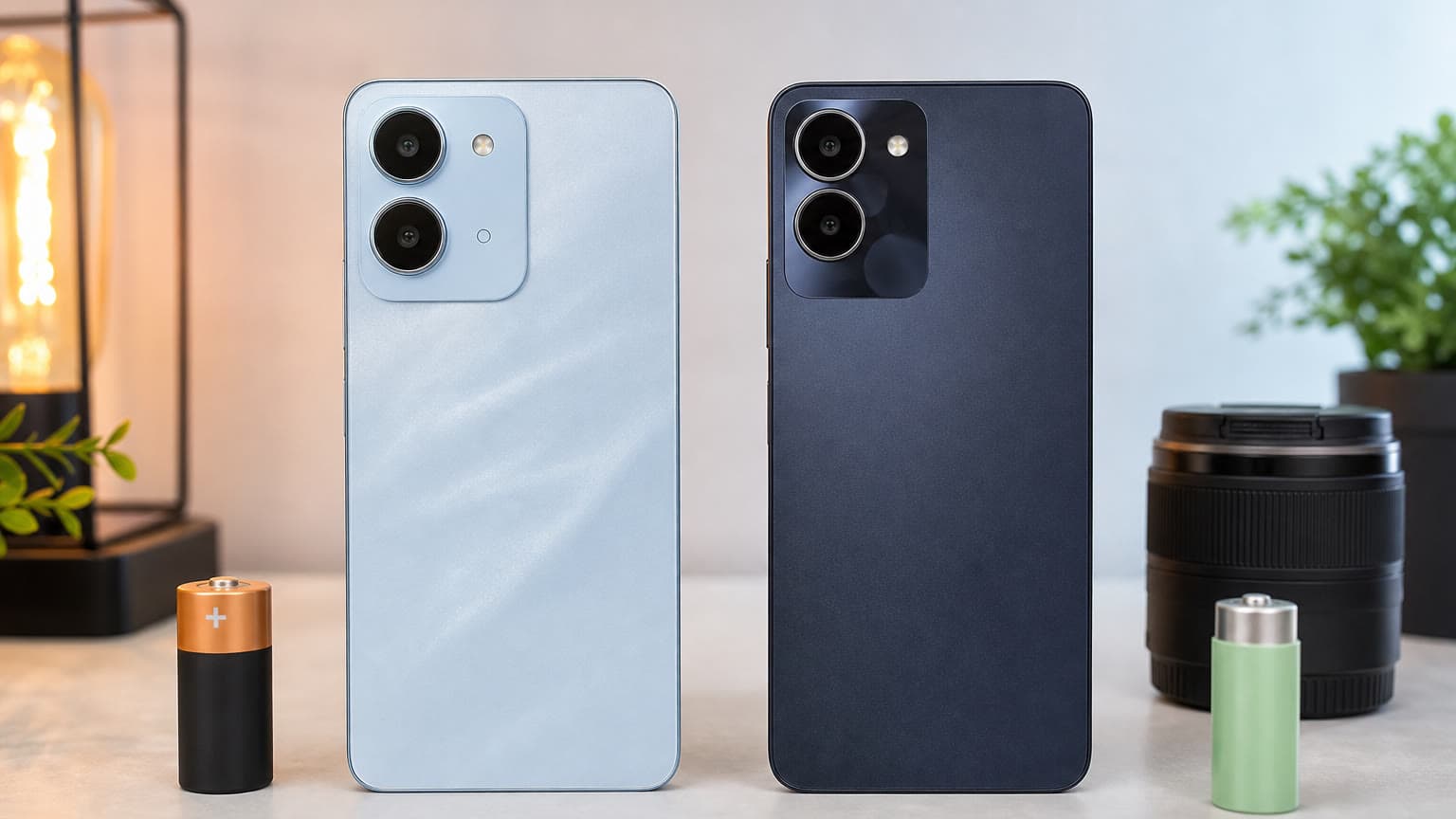
13MP rear camera with rear dual flash
Useful for documents, receipts, daylight snapshots, and simple product photos.
Selfie camera
8MP front camera
Good enough for video calls, online classes, and casual selfies.
Battery
5000mAh
One of the safest reasons to consider this phone.
Charging
15W Type-C support
Better than old micro-USB budget phones, but still slow by 2026 standards.
Network
2G, 3G, and 4G LTE
No 5G. Check this carefully if the price is close to entry 5G phones.
Durability
IP64 dust and splash resistance, plus drop-resistance marketing
Helpful for dust, light rain, and daily accidents; still use a case and screen protector.
A quick visual checklist for judging whether a Tecno Spark Go 3 listing is the correct variant and a fair Nigerian deal.
What changed in this 2026 update
The main update is accuracy and buyer context. The Spark Go 3 should be treated as an Android 15, T7250, 4G LTE phone with a 120Hz HD+ screen, not as an older Spark Go model, an Android 14 Go phone, or a 5G device. Older low-price claims around ₦110,000 to ₦125,000 are not safe as firm current guidance unless a seller can show live stock, exact variant, and written warranty terms.
The market has also moved. Newer Tecno Spark and Pova launches are pushing bigger batteries, higher refresh rates, AI software features, and 5G marketing into affordable ranges. That does not make the Spark Go 3 a bad buy. It means its price has to stay clearly below stronger 5G or higher-performance alternatives.
Display: what 120Hz really gives you
The Spark Go 3’s 120Hz refresh rate can make menus, app lists, social feeds, supported animations, and general navigation feel smoother than on older 60Hz budget phones. That is useful if most of your day is WhatsApp, Facebook, TikTok, YouTube, web browsing, and school portals.
The limit is resolution and processing power. This is still a 720 x 1600 HD+ LCD, not a Full HD AMOLED display. Independent review coverage also found that not every app or situation fully benefits from the headline refresh rate. In practical terms, buy it for smoother basic use, not for premium display sharpness or gaming-grade responsiveness.
Performance, storage, and software support
The T7250 class processor is built for basic Android use. Expect acceptable performance for calls, WhatsApp, Facebook, TikTok, banking apps, web browsing, school portals, email, maps, ride-hailing, and light games. Opening many apps, recording and editing lots of media, or playing heavier games will expose the entry-level limits.
Storage matters more than the advertised RAM label. A 64GB phone can become cramped after WhatsApp videos, app updates, offline movies, photos, PDFs, banking apps, and school files. If the 128GB version is available at a sensible premium, it is the better long-term choice. Extended RAM can help app switching feel less tight, but it uses storage and cannot turn a budget processor into a mid-range performer.
Android 15 is a plus in this price class, but software-update expectations should stay realistic. Tecno’s fluency and AI-feature marketing should not be read as a guaranteed multi-year Android OS upgrade policy unless the seller or manufacturer provides that specific promise. If long update support is a top priority, compare newer Samsung A-series options before deciding.
Battery life and charging
The 5000mAh battery is the Spark Go 3’s most dependable selling point. For moderate Nigerian use, it should last through a full day of calls, messaging, social apps, browsing, music, and video. Independent testing also points to strong endurance for the class, with review results showing more than 14 hours in a PCMark battery drain test from 100 percent to 20 percent.
The compromise is charging time. Tecno’s official spec lists 15W Type-C charging, but one reviewed retail bundle used a 10W in-box charger and took more than two hours to charge from 20 percent to full. That means Nigerian buyers should check the charger in the box instead of assuming every market bundle charges at the same speed. If fast morning top-ups matter because you commute, work outdoors, or depend on mobile data all day, a phone with 25W or 33W charging may be better value.
Camera and video expectations
The 13MP rear camera is practical rather than exciting. It is best for daylight photos, receipts, class notes, simple product shots, quick family pictures, and WhatsApp-ready updates. Low-light scenes will usually show softer detail, more noise, and less reliable exposure. The rear dual flash helps close subjects, but it does not turn the phone into a night photography device.
The 8MP selfie camera is more convincing for communication: video calls, online classes, casual selfies, and short social updates. If you sell products online and rely on sharp photos and videos, compare against a camera-focused Camon model such as Ogabassey’s Tecno Camon 50 Pro 5G buyer guide before choosing.
Network, SIM, and Nigeria compatibility
The Spark Go 3 is a 4G LTE phone. For many Nigerian users, 4G is still enough for messaging, social media, banking, streaming, ride-hailing, delivery apps, online classes, and hotspot use. The risk is future value. If you live or work in strong 5G areas in Lagos, Abuja, or Port Harcourt and plan to keep one phone for several years, paying extra for an entry 5G phone may make more sense.
Before buying any imported unit, confirm that mobile data works on your preferred network, that dual SIM is supported on the exact variant, and that the phone is not carrier-locked. Also test calls, mobile data, hotspot, fingerprint unlock, charging, camera, speaker, microphone, Bluetooth, and Wi-Fi before leaving the shop.
Price in Nigeria and value checks
As of 1 July 2026, the Spark Go 3 should be priced as a practical budget 4G phone, not as a premium Tecno. If a seller quotes a very low price, verify that it is actually the Spark Go 3 and not the older Tecno Spark 3, Spark Go 2024, Spark Go 2, or a different storage variant. If a seller quotes a high price, compare against stronger Spark 40, Spark 50, Redmi, Samsung, and Infinix alternatives.
Use this value rule: the Spark Go 3 is attractive when it is clearly cheaper than phones with 5G, Full HD displays, faster charging, stronger processors, or clearer software-support promises. It becomes less attractive when the price overlaps with devices that solve those weaknesses.
Warranty, originality, and repairability checks
Warranty: Ask for written warranty duration and where service will be handled in Nigeria.
Originality: Confirm sealed-box status, IMEI, storage variant, charger rating, and accessories before payment.
Variant clarity: Do not accept “8GB RAM” claims without checking how much is physical RAM and how much is extended RAM.
Import risk: Imported units may have different bundles, warranty handling, or support paths from Nigeria-channel units.
Repairability: Tecno phones are usually easier to service locally than rare imported brands, but parts availability still depends on how widely the model sells.
Water damage: IP64 is splash resistance, not waterproofing. Do not submerge the phone, and do not assume water damage is covered unless the written warranty says so.
If your main concern is whether a cracked display is worth fixing, Ogabassey’s Tecno screen repair guide explains when repair makes sense and when replacing the phone is the better decision.
Use the Spark Go 3 as a value pick only when its price stays clearly below stronger 5G and mid-range alternatives.
New versus used: which is safer?
A new Spark Go 3 is usually the safer choice if the price difference is small because you get cleaner battery history, lower water-damage risk, fewer hidden repair surprises, and a better warranty position. That matters for buyers who depend on the phone for banking, deliveries, school work, POS support, or WhatsApp Business.
A used mid-range phone may offer a better camera, faster processor, sharper display, or 5G, but only if the condition is genuinely good. Check battery drain, charging stability, screen touch, network reception, microphone, loudspeaker, cameras, fingerprint sensor, and repair history. If you cannot test those properly, a new budget phone with warranty is often the more predictable purchase.
Alternatives to compare
Compare the Spark Go 3 with the Tecno Spark 40 if you want a newer Spark option in the same broad family. If your budget can stretch further, the Tecno Spark 50 is also worth checking when available because it sits closer to the current Tecno Spark conversation in Nigeria.
If battery size and 5G are your main priorities, Ogabassey’s Tecno Spark 50 5G buyer checks explain what to verify before paying for a newer big-battery Tecno. If you want a more powerful Tecno for gaming or heavier multitasking, read the Tecno Spark 30 Pro review.
Outside Tecno, compare entry Infinix Smart or Hot models, Redmi A-series phones, Samsung’s lower Galaxy A models, and clean used iPhones. Samsung may offer stronger update confidence on some models. Redmi and Infinix often compete aggressively on specs. A used iPhone may have better cameras, but it can also bring weaker battery health, higher repair costs, and less dual-SIM flexibility depending on the model.
Trade-offs to know before buying
No 5G: Fine for many users today, but less future-facing than entry 5G rivals.
Entry-level chip: Smooth scrolling does not mean heavy gaming performance.
HD+ display: The panel is large and fluid, but not especially sharp for text and video detail.
Slow charging by 2026 standards: Type-C is welcome, but charging still requires patience.
Basic rear camera: Good-light utility is realistic; night photos are not its strength.
Price uncertainty: Nigerian value depends on live stock, storage variant, warranty, and import route.
Final verdict: should you buy the Tecno Spark Go 3 in Nigeria?
The Tecno Spark Go 3 is a good budget 4G phone when the price is right. Its strongest case is practical: a big 120Hz screen, good battery life, Android 15, Type-C charging, IP64 protection, side fingerprint unlock, infrared remote control, and enough performance for everyday apps.
It is not the best choice if you need 5G, strong gaming, fast charging, a sharper display, or a camera-led phone. Before paying in Nigeria, confirm the exact storage variant, warranty channel, charger rating, sealed condition, and return window. If the asking price overlaps with stronger Tecno Spark, Camon, Redmi, Infinix, or Samsung options, the Spark Go 3 loses some of its appeal.
FAQ
What is the Tecno Spark Go 3 price in Nigeria?
There is no single stable Nigerian price to rely on as of 1 July 2026. Treat live seller quotes as variant-specific. Check storage size, warranty, sealed condition, charger, and whether the unit is Nigeria-channel stock or imported.
Does the Tecno Spark Go 3 support 5G?
No. Tecno’s official specification lists 2G, 3G, and 4G network support. It is a 4G budget phone.
Does the Tecno Spark Go 3 use Android Go?
Tecno’s official specification lists Android 15. Do not rely on older draft listings that describe it as an Android 14 Go Edition device.
Is the Tecno Spark Go 3 waterproof?
No. IP64 means dust and splash resistance. It is not designed for swimming, soaking, washing under a tap, or deliberate water exposure.
Which Tecno Spark Go 3 variant should I buy?
Choose the 128GB version if the price gap is reasonable. A 64GB budget phone can fill up quickly after WhatsApp media, app updates, photos, PDFs, and offline videos.
Is the Tecno Spark Go 3 good for gaming?
It can handle casual games and some heavier games at modest settings, but it is not a gaming phone. Buyers who care about stable frame rates should choose a stronger chipset.
Is the Spark Go 3 better than buying a used phone?
It depends on the used phone’s condition and price. A new Spark Go 3 gives fresher battery health, warranty potential, and lower repair-history risk. A used mid-range phone may be faster or have better cameras, but only if it passes careful inspection.
Catalog-linked prices update automatically. Historical and other quoted prices remain as written. Open the product page to confirm the current price, selected variant and availability before buying.