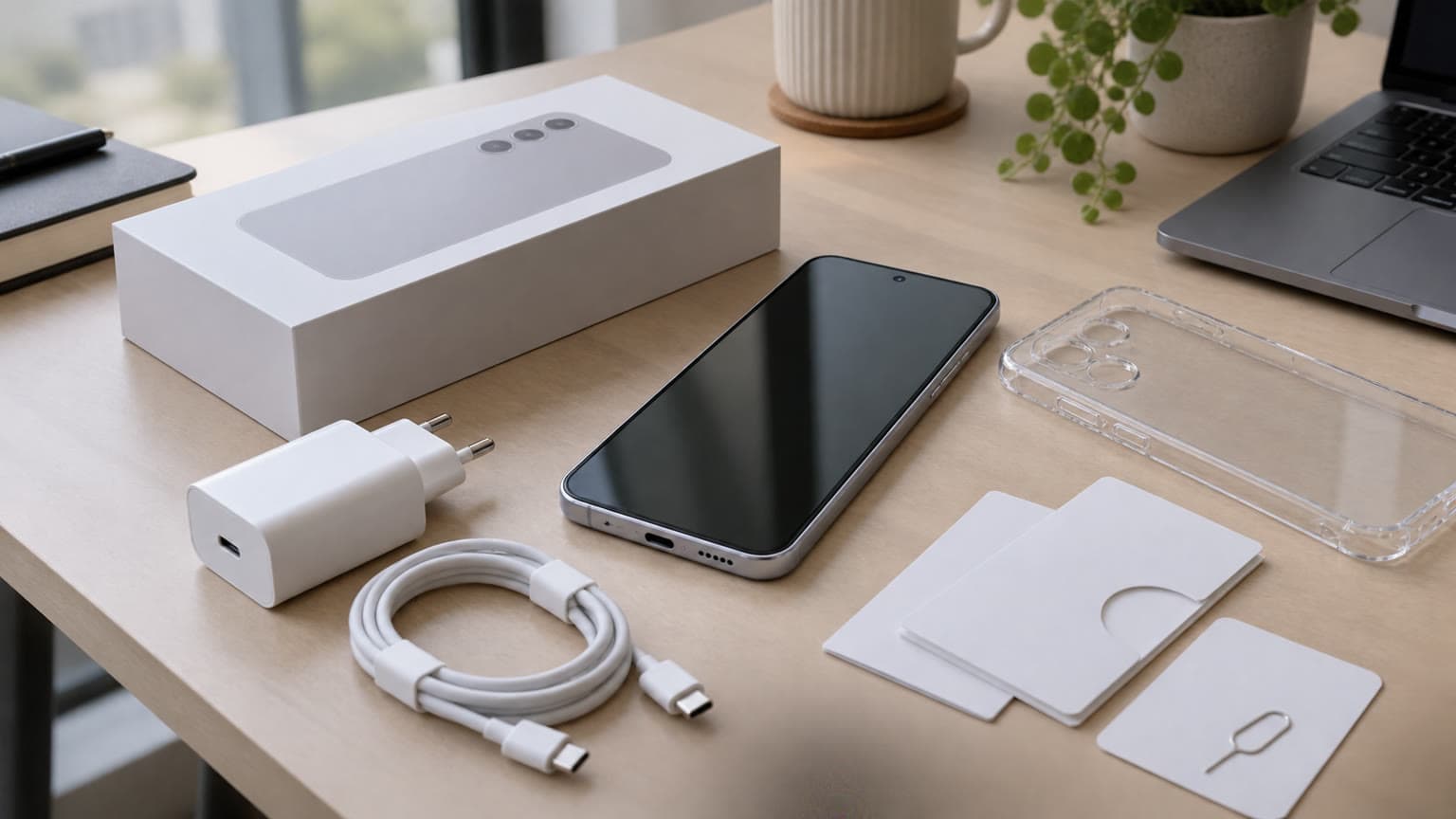
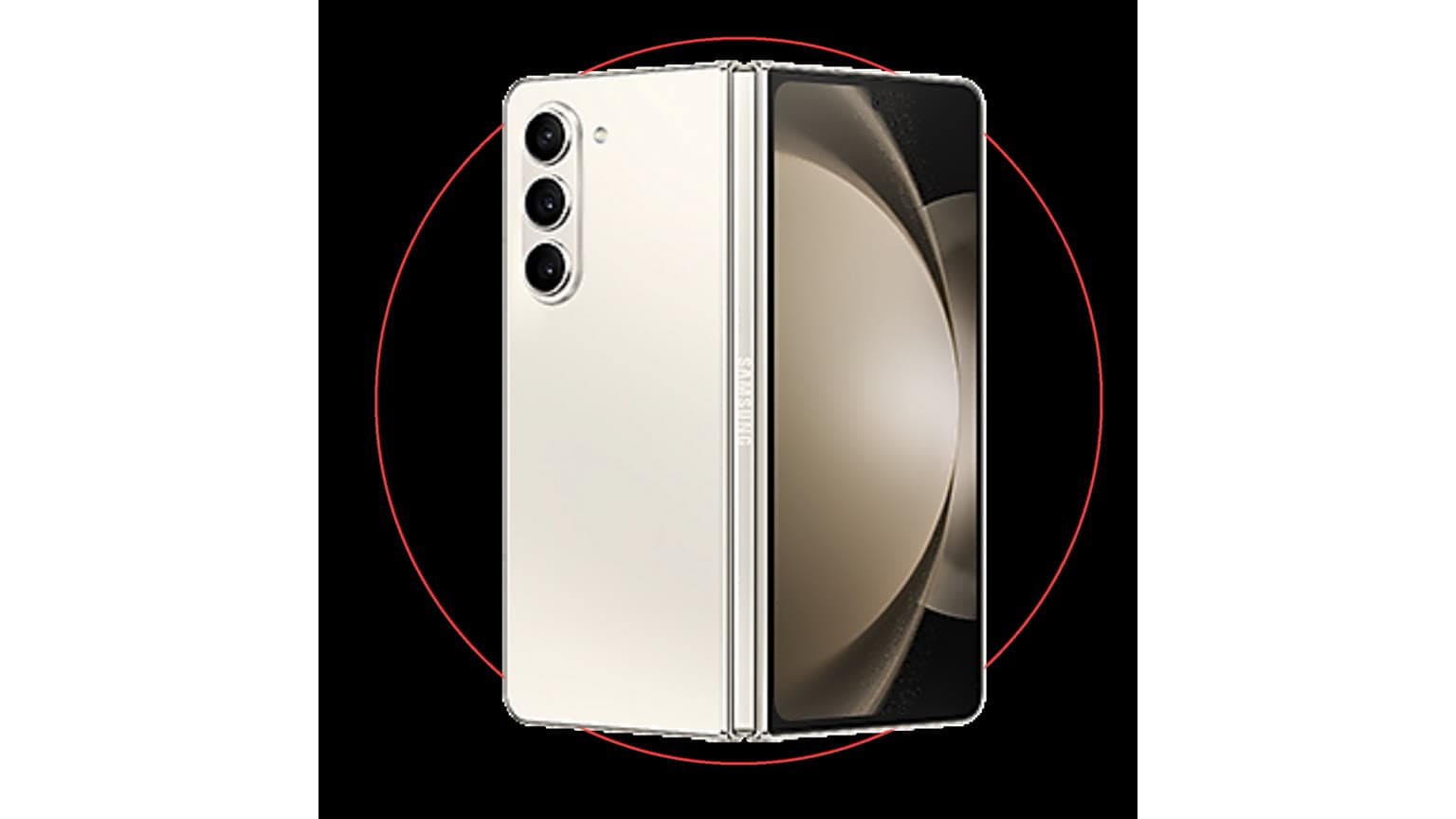
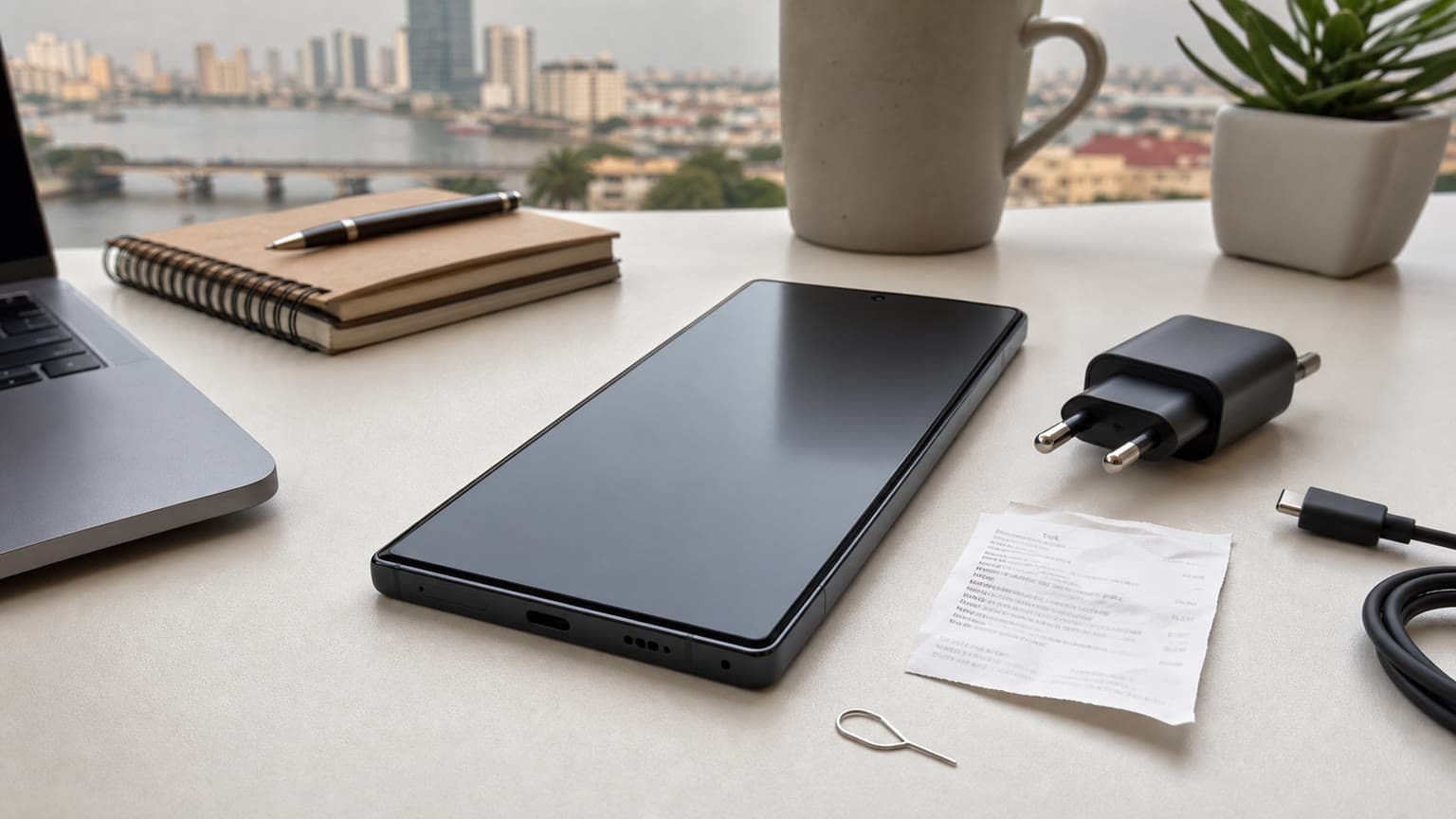
The Samsung Galaxy S26 is available on Ogabassey from ₦850,000. The base model combines a compact 6.3-inch 1–120Hz AMOLED display, 12GB RAM, 256GB or 512GB storage, a 4,300mAh battery and a dedicated 3x telephoto camera. Confirm the exact processor, condition, storage, warranty and box contents before payment.
Samsung Galaxy S26 price and availability in Nigeria
Ogabassey currently lists the Samsung Galaxy S26 from ₦850,000. The catalog uses unmanaged stock for this product, so a zero stock counter does not mean it is sold out; confirm the selected condition, colour, storage configuration and delivery timing at checkout. Prices can change with exchange rates and configuration.
Samsung officially announced the S26 series in February 2026, so this is a launched product rather than an upcoming or speculative phone. Nigeria availability can still vary by seller, regional model and warranty route.
Key specifications and buying context
| Attribute | Samsung Galaxy S26 |
| Ogabassey price | From ₦850,000; verify condition and storage |
| Display | 6.3-inch FHD+ Dynamic AMOLED 2X, adaptive 1–120Hz |
| Memory and storage | 12GB RAM with 256GB or 512GB officially listed |
| Processor | Snapdragon 8 Elite Gen 5 for Galaxy or Exynos 2600, depending on market |
| Rear cameras | 50MP wide, 12MP ultrawide and 10MP 3x telephoto |
| Battery and charging | 4,300mAh, 25W wired, wireless charging and Wireless PowerShare |
| Software | Android 16 with One UI 8.5; seven years of security updates |
| Protection | IP68 water and dust resistance |
| Size and weight | 149.6 × 71.7 × 7.2mm; 167g |
Compact design and display
The S26 is for buyers who want flagship performance without the size and weight of an Ultra phone. At 167g, it is easier to use one-handed than most large flagships. Its 6.3-inch FHD+ Dynamic AMOLED 2X panel can vary between 1Hz and 120Hz, balancing smooth scrolling with power efficiency.
The trade-off is screen area. Buyers who spend long periods editing documents, watching video or gaming may prefer the larger Galaxy S26+. The base S26 makes more sense when pocketability matters more than maximum display size.
Battery and charging trade-offs
Samsung lists a 4,300mAh typical battery. That is reasonable for a compact flagship, but heavy 5G use, navigation, gaming, video recording and high brightness can still require an evening top-up. Battery life depends on signal strength, apps and display settings.
Wired charging remains limited to 25W. Samsung says the phone can reach about 55% in roughly 30 minutes under laboratory conditions, and the compatible power adapter is sold separately. Confirm whether a charger is included with the exact Ogabassey condition you select.
Camera strengths and limitations
The rear system uses a 50MP main camera, 12MP ultrawide and 10MP telephoto with 3x optical zoom, plus a 12MP front camera. The dedicated telephoto lens gives the compact S26 more framing flexibility than phones that rely only on digital cropping.
The hardware is evolutionary rather than a dramatic reinvention. Buyers upgrading from a recent Galaxy S24 or S25 should expect refinements to processing, software and workflow rather than a completely different camera class. See the Galaxy S26 Ultra Nigeria buyer guide if long-range zoom is a priority.
Performance, software and regional variants
Samsung lists Snapdragon 8 Elite Gen 5 for Galaxy and Exynos 2600 processors for the S26 and S26+, with the processor varying by market. Do not assume every imported unit uses the same chipset. Check the model code and region before paying.
Official configurations use 12GB RAM, which supports multitasking and Galaxy AI features. Android 16 and One UI 8.5 add Samsung's current AI, privacy and productivity tools, while Samsung promises seven years of security updates. Some AI services can depend on region, language, internet access or an account.
What Nigerian buyers should verify before paying
- Model and processor: confirm the regional model code and whether it uses Snapdragon or Exynos.
- Storage: Samsung's global specification lists 256GB and 512GB. Verify any other selectable storage label.
- Condition: confirm whether the unit is new, open-box or used.
- Network: verify physical SIM/eSIM support and Nigerian 4G/5G bands.
- Warranty: confirm whether coverage is local seller warranty, regional Samsung warranty or another route.
- Accessories: check whether the charger, cable and original box are included.
- Battery health: request condition evidence for used or open-box units.
Galaxy S26, S26+ or S26 Ultra?
Choose the base S26 for portability, flagship software support and a capable triple-camera system at the lowest S26-series entry price. Choose the S26+ for a larger QHD+ display and 4,900mAh battery. Choose the Galaxy S26 Ultra when its 200MP camera, longer zoom, larger display and faster charging justify the higher cost.
The Galaxy S26+ review covers the middle model in detail. Match screen size, camera needs, battery expectations and portability to how you actually use the phone.
Verdict
The Samsung Galaxy S26 is a strong compact flagship for buyers who value low weight, long software support, a smooth AMOLED display and a genuine telephoto camera. At ₦850,000 on Ogabassey, its main compromises are 25W charging, a relatively modest battery and camera hardware that prioritizes refinement over radical change. It is a more meaningful upgrade from an S21 or S22 than from a recent S24 or S25.
FAQ
How much is the Samsung Galaxy S26 in Nigeria?
Ogabassey currently lists it from ₦850,000. The final amount can vary by storage, colour, condition and market changes, so confirm the selected configuration before payment.
Is the Samsung Galaxy S26 available now?
Yes. Samsung announced the S26 series in February 2026, and the base S26 is active in the Ogabassey catalog. Confirm live configuration and delivery timing at checkout.
Does every Galaxy S26 use Snapdragon?
No. Samsung lists Snapdragon 8 Elite Gen 5 for Galaxy and Exynos 2600 processors, with the processor varying by market. Check the regional model code before buying.
Is the Galaxy S26 battery good?
The 4,300mAh battery is appropriate for a compact flagship, but demanding 5G, gaming, camera or navigation use can require a top-up. Charging is limited to 25W.
Sources