Motorola Razr Fold 2026: A True Rival to the Z Fold?
By Ogabassey Team | Updated May 31, 2026 | First Look
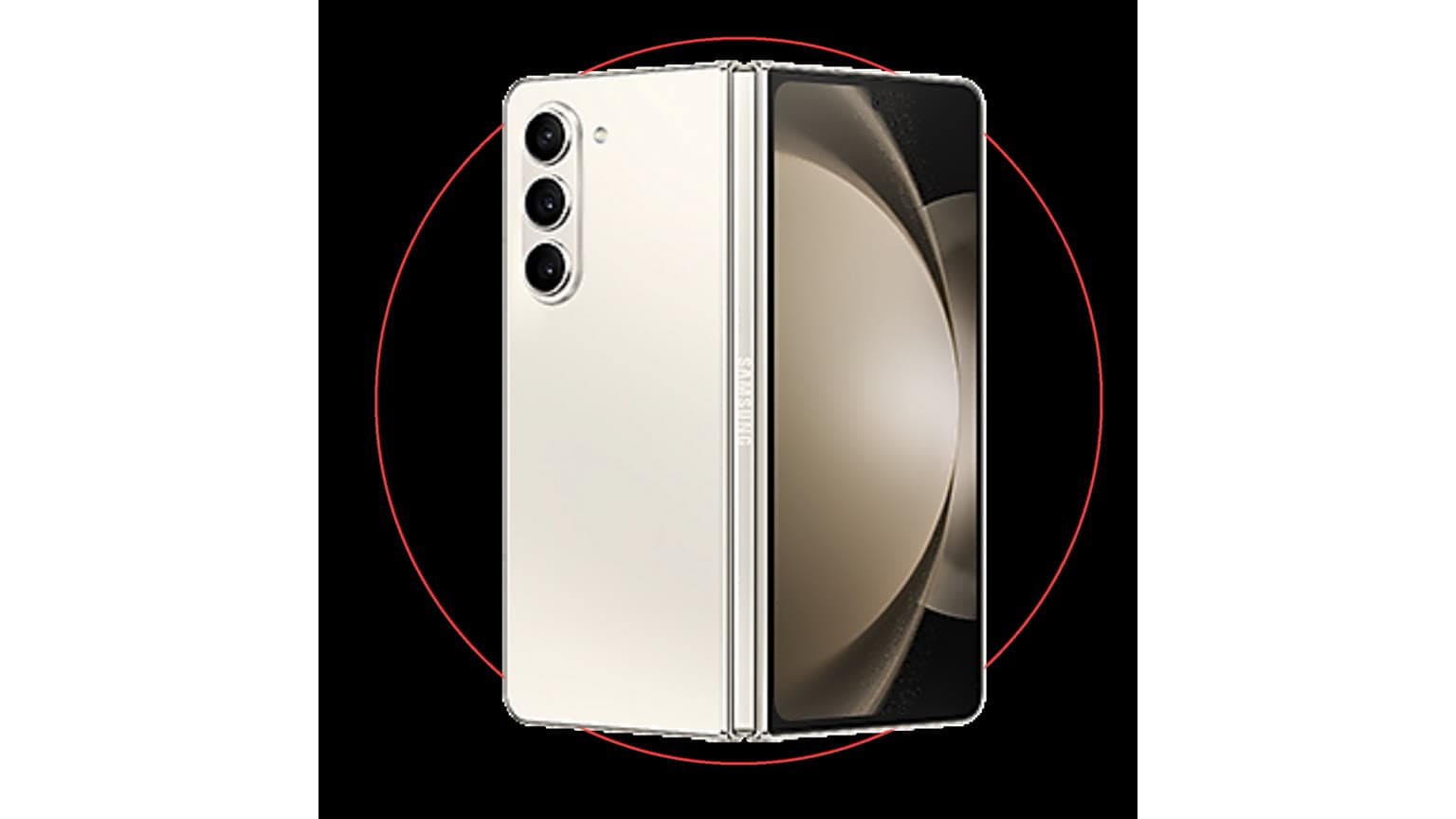
The Motorola Razr Fold 2026 is no longer just a CES curiosity. Motorola has moved beyond clamshell Razr phones and into the book-style foldable category that Samsung, Google, Honor and OnePlus have been defining for years. That changes the buying question: this is not a cheaper flip phone for nostalgia buyers; it is a premium productivity phone for people who want a normal-looking outer phone that opens into a small tablet.
For Ogabassey readers comparing foldables in 2026, the important update is price and trust. Early expectations around a roughly $1,400 price no longer match the current launch picture. The Razr Fold is positioned closer to the top end of the market at about $1,899.99 in the US, with Nigerian landed pricing likely to move well above ₦3 million once exchange rate, shipping, reseller margin, import costs and warranty support are included. That means it should be judged against the Samsung Galaxy Z Fold7 and Google Pixel foldables, not against standard Android flagships.
If you are still deciding whether a foldable makes sense at all, start with Ogabassey's broader smartphone buying coverage and compare the real warranty and repair implications before paying flagship money.
Quick Verdict
Direct answer: the Motorola Razr Fold 2026 is a serious Galaxy Z Fold rival on display size, battery capacity, charging and stylus-friendly productivity. It is not an automatic better buy because it is still a first-generation Motorola book-style foldable, its local availability may be uneven, and Samsung still has the stronger foldable ecosystem, accessory base and repair familiarity in many markets.
Buy it if you want a large inner display, a usable tall cover screen, strong hardware, fast charging and a foldable that feels less tied to Samsung's software ecosystem. Be cautious if long-term parts availability, official Nigerian warranty handling, app optimization or resale value matter more than raw spec value.
Key Specs And Buying Context
The headline spec is the large 8.09-inch LTPO pOLED inner display, listed by Motorola support with a 2484 x 2232 resolution, 120Hz refresh rate, Ultra Thin Glass and very high claimed peak brightness. The cover display is also unusually capable: a 6.56-inch LTPO pOLED panel with 2520 x 1080 resolution and up to 165Hz refresh. That matters because a book-style foldable is only convenient when the outer screen feels like a real phone, not a cramped remote control for the inner screen.
Motorola's support documentation lists a Snapdragon 8 Gen 5 platform, 16GB RAM, 512GB UFS 4.1 storage, Android 16, Wi-Fi 7, NFC, physical SIM plus eSIM, stereo speakers with Dolby Atmos and a 6,000mAh battery. Charging is another major selling point: official specifications list 80W wired charging, 50W wireless charging and 5W reverse charging. On paper, that gives the Razr Fold one of the strongest battery-and-charging combinations in the foldable category.
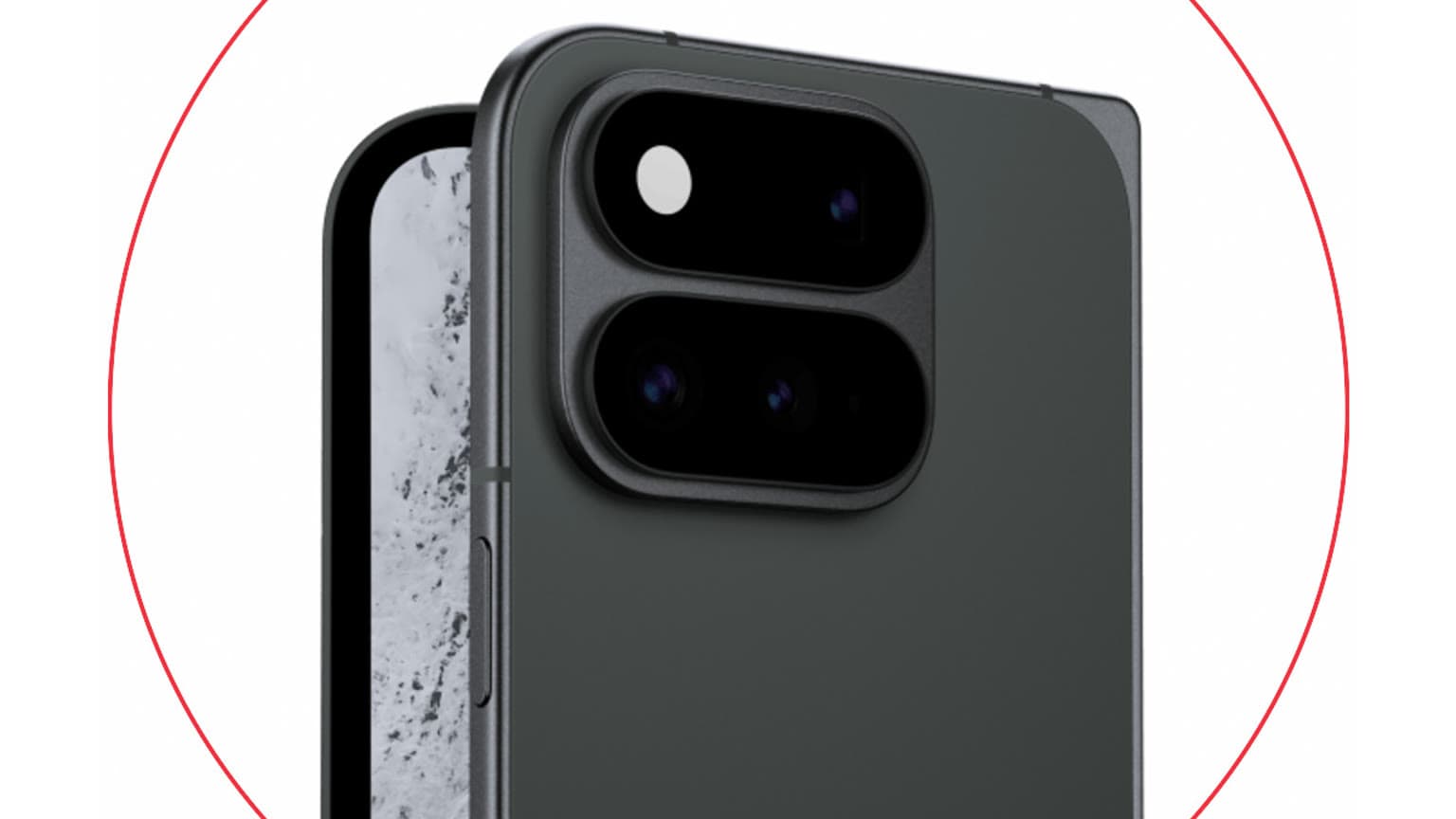
The camera layout also reads like a proper flagship foldable rather than a thin productivity-only device. Motorola support identifies a main camera, ultrawide/macro camera and periscope telephoto camera on the rear. Camera quality still needs real-world testing across Lagos sunlight, night events, skin tones, moving children, video stabilization and social-media compression before buyers treat the spec sheet as a guarantee.
Durability needs careful reading. Motorola's hardware support page says the phone was tested to IP46, IP48 and IP49 standards under controlled conditions, with protection claims that include fresh-water immersion and water jets. The same support language also says the device is not waterproof or dust proof, that resistance can reduce with normal wear, and that exposure beyond the rating is not covered by warranty. In practical terms: rain and accidents are one thing; beach, pool, salt water, soap and charging while wet are still bad ideas.
Who This Is For
The Razr Fold makes the most sense for buyers who use their phone as a work screen. If you edit documents, compare prices, read PDFs, manage WhatsApp and email side by side, watch lectures, review spreadsheets or use a stylus for markup, the larger inner display can genuinely replace a small tablet for many daily tasks.
It is also a fit for Android enthusiasts who like Motorola's cleaner software feel and want a foldable alternative to Samsung. The external display should make quick tasks easier than older narrow foldables, while the inner screen gives you the reason to carry a folding phone in the first place.
It is not the best fit for everyone. If your priorities are camera certainty, official repair access in Nigeria, water confidence, resale value or the lowest total cost of ownership, a non-folding flagship may be the more rational purchase. Foldables remain expensive to repair, cases are more specialized, hinges collect more risk over time, and inner screen damage can be painful even when the phone feels premium on day one.
Price, Availability And Warranty Reality
At about $1,899.99, the Razr Fold is cheaper than some Galaxy Z Fold7 pricing snapshots but not cheap in any normal sense. At an illustrative ₦1,500 to $1 exchange rate, the US price alone converts to roughly ₦2.85 million before shipping, duties, reseller margin, accessories, insurance or warranty handling. A realistic Nigerian street price can therefore move above ₦3 million, especially near launch when supply is limited.
Before buying, ask three questions. First, is the unit an official regional model or a gray-market import? Second, who handles screen, hinge and battery warranty claims locally? Third, are you getting a written return window in case the inner display, hinge alignment, speaker, network band support or charging behavior has a fault out of the box?
Motorola's support page confirms physical SIM plus eSIM and broad 5G band support, including several common global bands. Still, buyers in Nigeria should confirm compatibility with their carrier and location before paying import-level prices. Network support on paper does not always equal perfect carrier provisioning, VoLTE support or consistent 5G access in every area.
Razr Fold Vs Galaxy Z Fold7
The Samsung Galaxy Z Fold7 remains the obvious comparison because it is the best-known book-style foldable line and has the strongest accessory and repair ecosystem in many markets. Samsung also has DeX support, mature multitasking features and a long history of refining foldable software behavior. If you rely on desktop-style workflows, Samsung's software advantage is still meaningful.
Motorola counters with a larger battery spec, very fast charging, a bright cover display and a fresh design that may appeal to buyers tired of Samsung's foldable formula. It also brings real competition to a category that badly needed more US-facing choices. The Razr Fold's value depends on whether Motorola can match the boring but important parts: software polish, app continuity, hinge reliability, screen replacement support and accessory availability.
Choose the Razr Fold if the display, battery and charging package matter most and you are comfortable being an early adopter. Choose the Galaxy Z Fold7 if software maturity, known accessory support, DeX, service access and resale value carry more weight.
Other Alternatives To Consider
The Google Pixel 9 Pro Fold remains a strong alternative for people who prioritize Google's camera processing, Pixel software features and seven years of official Pixel updates from US availability. Its inner display is also large, and its camera experience is easier to trust for many everyday users, though charging and raw hardware specs may not look as aggressive beside the Motorola.
If you do not truly need a tablet-style inner screen, the smarter alternative may be a clamshell foldable or a standard flagship. Motorola's own Razr Ultra line gives you the folding-phone feel in a smaller package, while phones such as the Galaxy S series, Pixel Pro line and iPhone Pro models avoid hinge risk entirely. Ogabassey's buying guides are useful here because the best phone is not always the newest or most unusual one; it is the one with the fewest compromises for your actual use.
Trade-Offs To Know Before You Buy
The first trade-off is repair risk. Foldable inner displays, hinges and protective layers are more complex than normal phone glass. Even when the phone has an IP rating, Motorola's own support language warns that resistance decreases with normal wear and that the device is not waterproof. Treat any foldable as a premium device that needs a case, careful pocket habits and a real warranty path.
The second trade-off is software maturity. Motorola has years of Razr flip experience, but this is its first book-style Razr. App continuity, split-screen behavior, keyboard scaling, camera layout transitions and stylus workflows need time in real customer use before they can be judged as mature as Samsung's Fold software.
The third trade-off is value over time. A $1,899.99 launch phone may become much more attractive after carrier promos, trade-in deals or used-market depreciation. If you are paying cash in Nigeria, waiting for early reliability reports and local availability may save money and reduce risk.
Ogabassey Verdict
The Motorola Razr Fold 2026 is the most interesting Motorola foldable because it finally puts the Razr name into the big-screen category. The spec sheet is strong: large dual displays, flagship chipset, 16GB RAM, 512GB storage, a 6,000mAh battery and fast wired and wireless charging. It deserves to be taken seriously against the Galaxy Z Fold7.
But at this price, the Razr Fold is not a casual recommendation. For buyers in Nigeria and other import-heavy markets, the decision should come down to warranty, repair access, network compatibility, return policy and whether you genuinely need the inner tablet screen every day. If those boxes are clear, it is a compelling Samsung alternative. If they are not, wait for local stock, long-term reviews and price movement before spending premium money.
Related reading: Oppo Reno 15 Series: The Most Durable Phone in Nigeria?.
Sources