Laptops
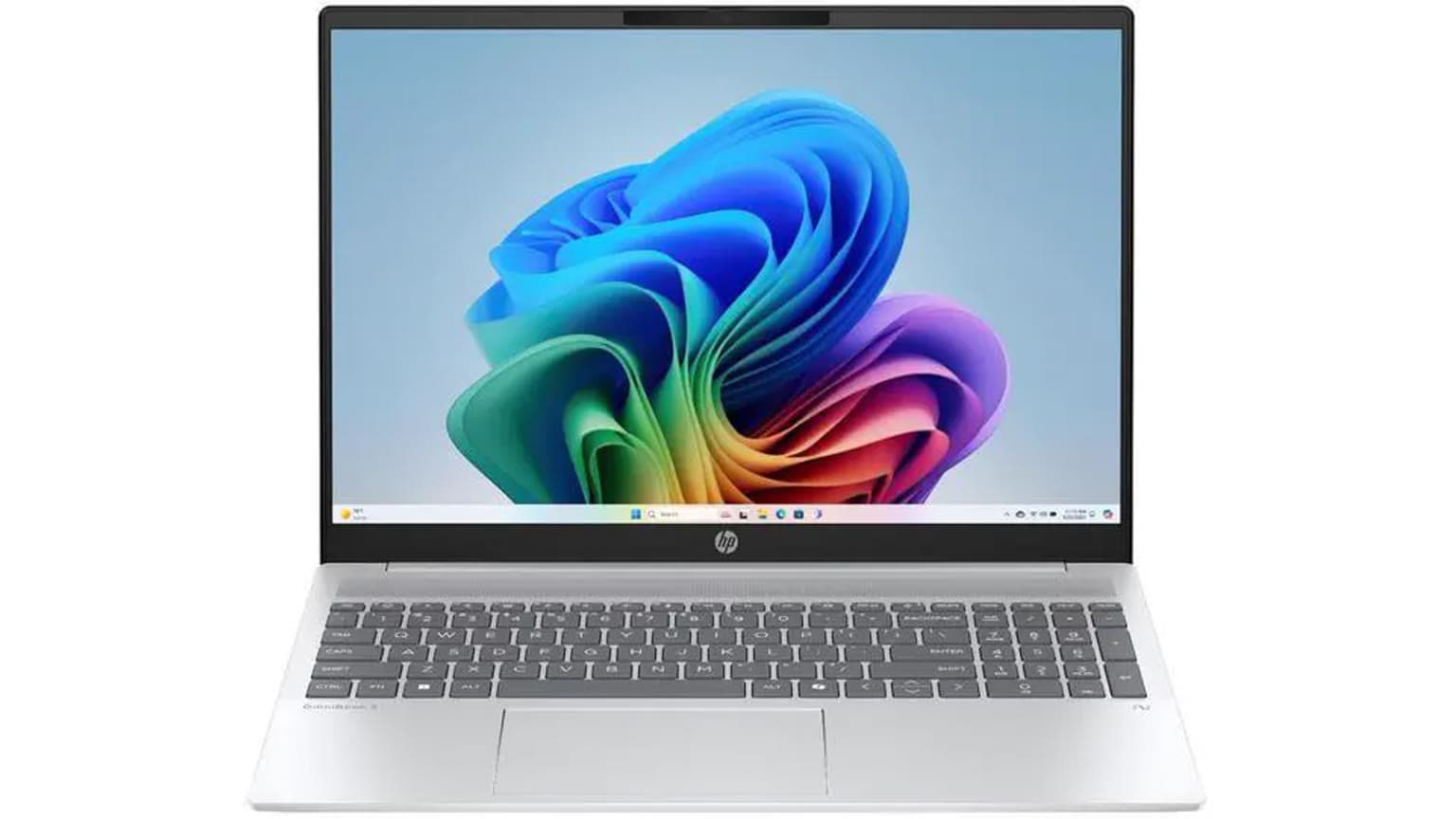
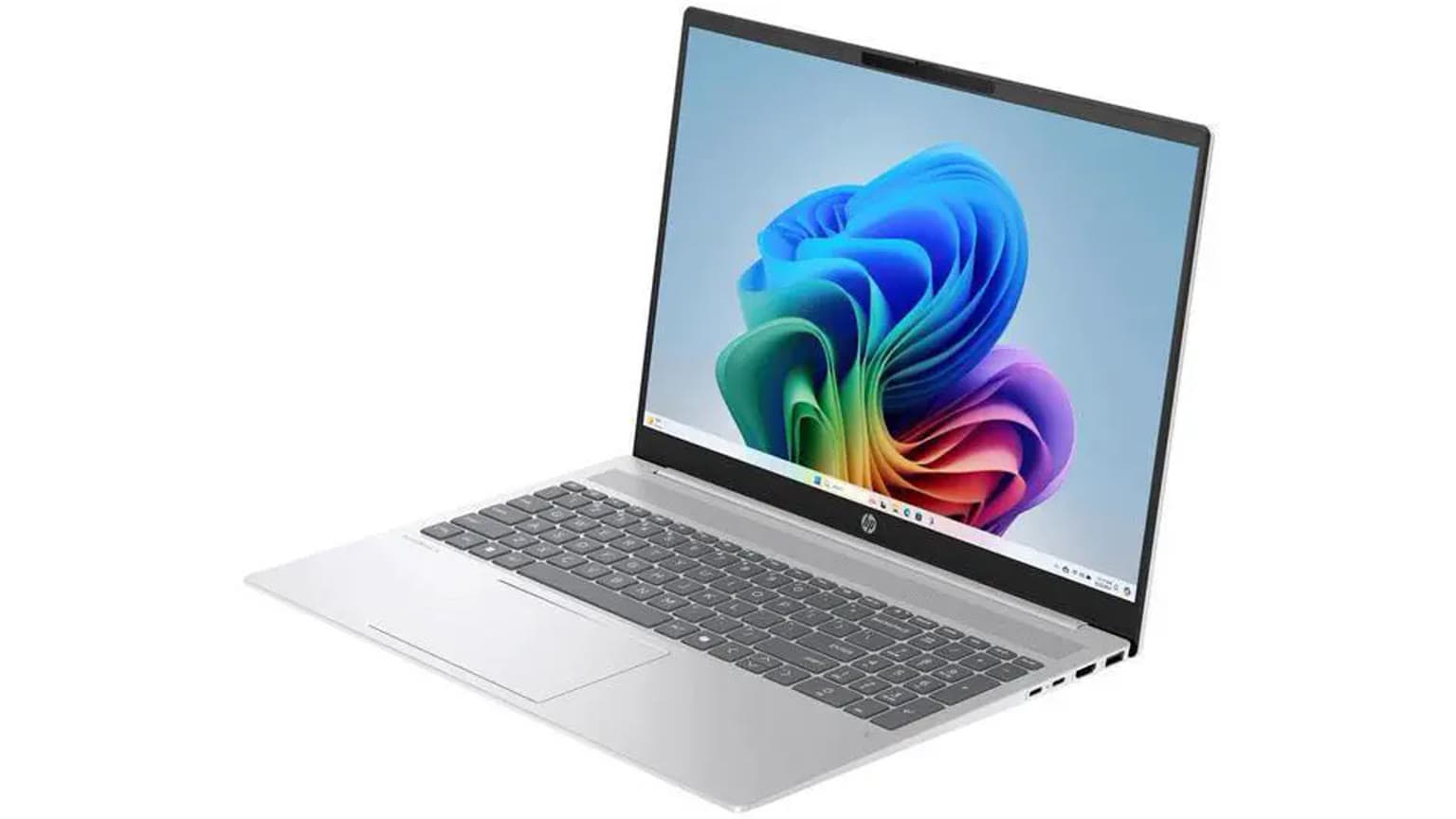
HP • ₦782,000
HP is now part of Nvidia’s RTX Spark PC wave, with upcoming OmniBook laptops named for fall 2026 availability. For Nigerian buyers, the news is not a purchase alert yet: it is an early signal to watch exact SKUs, Windows on Arm compatibility, import route, warranty support and final local pricing.
Nvidia announced RTX Spark on May 31, 2026 as a Windows PC platform for personal AI agents, creator workloads and gaming. The official launch named HP among the manufacturers preparing RTX Spark laptops and compact desktops for fall 2026, and Nvidia’s release included a direct HP statement describing upcoming HP OmniBooks powered by Nvidia as among the thinnest RTX Spark laptops.
That is the concrete HP angle. This is not just a new graphics option inside a familiar laptop chassis. RTX Spark is a full Windows on Arm platform built around Nvidia’s CPU, GPU, memory and software stack. Nvidia says the top RTX Spark configuration combines a 20-core Grace CPU, Blackwell RTX graphics, up to 128GB unified memory, CUDA, RTX, DLSS, TensorRT, OptiX and Windows-native agent support through Nvidia OpenShell and Microsoft security primitives.
The launch positioning is ambitious. Nvidia says RTX Spark PCs are designed for local AI agents, 120-billion-parameter model workflows, large creative projects, 12K video editing, ultralarge 3D scenes and 1440p gaming. Independent launch coverage from The Verge and Tom’s Hardware also frames the platform as Nvidia’s move from graphics hardware into the center of premium Windows laptops and mini PCs.
For Ogabassey readers, the important point is narrower and more practical: HP’s RTX Spark OmniBooks are source-backed upcoming devices, but they are not catalog-confirmed for Ogabassey and they are not Nigeria-priced in the cited launch material as of June 28, 2026. Anyone shopping today should still compare available machines in Ogabassey laptops instead of assuming the first HP RTX Spark units will arrive locally at the same time as global fall availability.

The big shift is local AI headroom. Many current AI features on laptops depend heavily on cloud services, while RTX Spark is being pitched as a platform for running larger models and agent workflows directly on the PC. That could matter for developers, data workers, video editors, designers and researchers who want private local processing, fewer cloud-token costs and better performance for creative applications that can use Nvidia’s GPU stack.
However, launch claims are not the same thing as buying proof. Nvidia’s figures describe platform capability and flagship configurations; they do not confirm every HP OmniBook model’s memory size, storage, screen, battery life, price, charger bundle or regional warranty. A lower-memory RTX Spark laptop would not be equivalent to the 128GB unified-memory flagship configuration discussed in launch coverage. Buyers should treat “RTX Spark” as a platform label first and verify the exact model second.
The other issue is first-generation platform risk. RTX Spark is a Windows on Arm story, which means some older Windows software built for Intel or AMD processors may rely on emulation or may need native Arm support. Microsoft has improved Windows on Arm compatibility, and Nvidia says major creative and gaming partners are supporting the platform, but a Nigerian business buyer still needs to check the exact apps used every day.
That includes accounting software, exam software, banking token tools, printer and scanner drivers, VPN clients, plug-ins, external monitors, USB docks and security applications. A fast laptop can still be a bad purchase if one business-critical driver fails. This is especially relevant for small offices, schools, churches, creators and print shops that depend on stable peripherals rather than only raw compute performance.
The sources support fall 2026 availability from major manufacturers including HP, but they do not confirm Nigerian availability, local launch date, naira pricing, Ogabassey catalog listing or local HP warranty handling. That uncertainty should shape the buying decision more than the headline performance claims.
Premium AI laptops often reach African buyers through different channels: official regional distribution, corporate procurement, specialist importers or informal grey-import routes. Those channels can produce very different outcomes after purchase. Official or authorized routes usually matter for motherboard claims, screen faults, charger replacement, BIOS updates and repair routing. Grey imports can appear cheaper at checkout but may become expensive if a fault requires overseas handling or seller-only warranty support.
For a high-end HP OmniBook RTX Spark model, buyers should ask for the exact product number, keyboard layout, charger plug, Windows edition, RAM and storage configuration, warranty country and return policy before paying. If a seller only advertises “HP RTX Spark laptop” without a full SKU, that is not enough detail for a premium purchase. The device may be part of the same platform but still differ meaningfully from the flagship configuration described by Nvidia.
Price risk is also real. The first RTX Spark wave is being positioned around premium creator, developer and AI use cases. By the time a unit reaches Nigeria, final cost may reflect exchange rate movement, import duty, shipping, warranty route and seller margin. A student, office worker or family buyer who mainly needs browsing, Microsoft Office, meetings and school research may get better value from a conventional laptop already supported locally.
The strongest audience is a technical buyer who can actually use local AI and GPU-accelerated workflows. That includes software developers experimenting with agents, creators editing large video projects, 3D artists working with complex scenes, AI hobbyists running local models, and professionals who want one portable machine for compute-heavy tasks without defaulting to a bulky gaming laptop.
These buyers should still wait for independent model-level reviews. Nvidia’s launch claims are useful for understanding the platform, but battery life, thermals, noise, sustained performance, app compatibility and gaming behavior need testing on final HP hardware. A thin premium laptop can look excellent on paper and still make tradeoffs in heat, ports, repair access or upgradeability.
The weaker fit is the everyday buyer who simply wants a durable HP laptop for school, POS administration, web apps, documents and video calls. That buyer should not delay a needed purchase just because RTX Spark sounds new. Current mainstream laptops may offer easier repair support, clearer pricing, known app compatibility and lower upfront cost.
Small businesses should also separate executive appeal from deployment reality. A premium AI laptop may be useful for one technical lead, but it is not automatically the right standard device for a team. Before buying multiple units, test one sample with real local workflows: printer drivers, shared folders, cloud storage, accounting apps, browser-based portals, projector output, biometric devices and backup software.

A laptop purchase rarely stands alone. In Nigeria, the real office setup often includes a printer, scanner, router, external drive, surge protection and sometimes a second display. If an HP RTX Spark OmniBook is being considered for a business or school desk, the buyer should check the whole setup, not just the processor.
Ogabassey’s printer category is useful context here because many offices will feel the pain of printer downtime faster than they feel the limits of a CPU. A buyer planning a creator or admin desk can compare current options in Ogabassey printers while waiting for RTX Spark laptop availability to become clearer.
For heavier document output, a multifunction laser option such as the HP LaserJet Pro MFP 4103fdw may make more sense than spending every naira on the newest laptop platform. For home, school or mixed color printing, an ink tank model such as the HP Smart Tank 750 may be the more practical upgrade. These are current Ogabassey catalog references for workspace planning, not claims that RTX Spark OmniBooks are already listed locally.
First, confirm the exact HP OmniBook SKU. The official RTX Spark announcement confirms upcoming HP OmniBooks, but it does not provide a Nigeria-specific product page or final local configuration list. Do not assume every model will include the top memory tier, the same display, the same storage, or the same charger bundle.
Second, check software compatibility before payment. Windows on Arm has matured, but compatibility should be verified against the buyer’s actual tools. Creative users should check plug-ins and codecs. Businesses should test accounting tools, printer drivers, VPNs and security software. Students should check exam browsers, school portals and required apps.
Third, confirm warranty route in writing. Ask whether the device is covered locally, by the seller, by an authorized HP service path, or by return shipment abroad. For a premium first-wave laptop, unclear warranty terms can outweigh a lower price.
Fourth, compare the laptop budget against the whole workspace. A creator may need external storage, a color-accurate monitor and backup drives. A small office may need a better printer before it needs an AI PC. The best purchase depends on daily workload, not only launch excitement.
Not confirmed from the cited sources as of June 28, 2026. Nvidia says RTX Spark laptops and compact desktops from HP and other manufacturers are due in fall 2026, but Nigerian pricing, local warranty and Ogabassey catalog availability are not confirmed.
Wait only if you need premium local AI, creator performance, GPU acceleration or Windows on Arm experimentation. For school, office work, browsing and normal business software, a current locally supported laptop may be the better value.
Many modern printers should work, but buyers should verify Windows on Arm driver support for the exact printer or scanner. This matters for offices using older LaserJet, Smart Tank, DeskJet, label printer or scanner workflows.
It depends on print volume. Ink tank printers often suit homes, schools and mixed color documents, while LaserJet models usually suit heavier black-and-white office printing. Check refill or toner cost, scanner needs and wireless support before choosing.